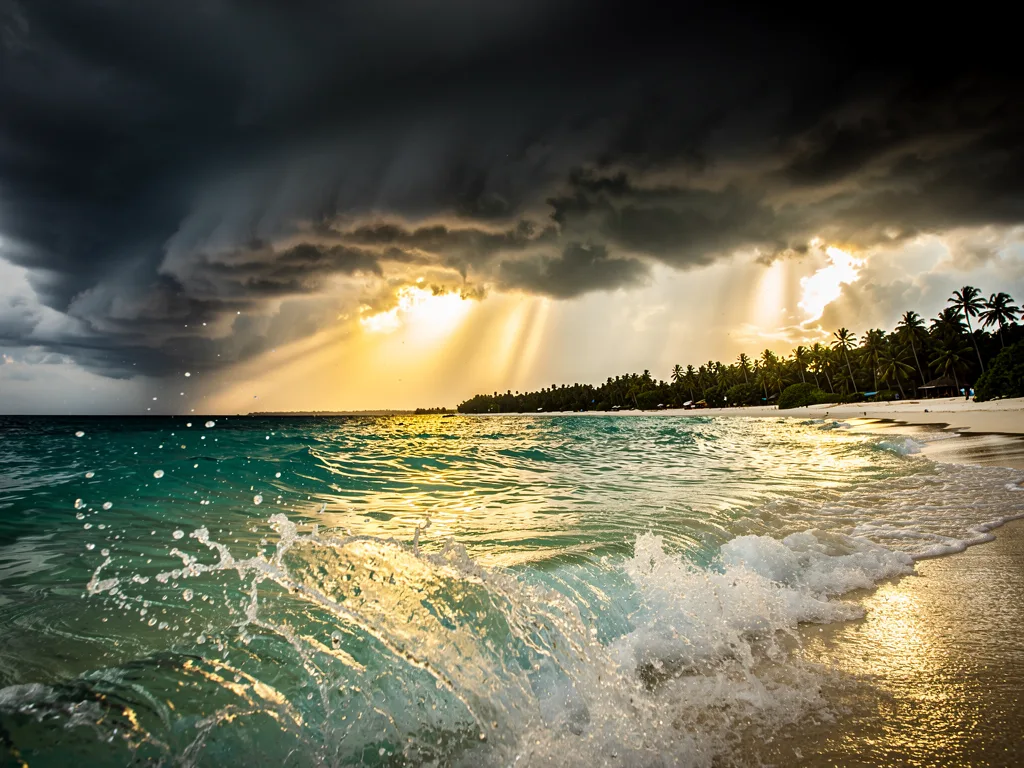
Imagine standing on the deck of a sturdy boat as the Indian Ocean sunrise paints the sky in hues of orange and pink. A massive sailfish leaps from the cobalt blue water, its sail fully extended, while the rugged coastline of Mafia Island rises in the distance. Or picture the thrill of battling a 100 kg (220 lb) Nile perch in the vast waters of Lake Victoria, surrounded by the calls of fish eagles and the endless horizon of Africa’s largest lake. This is what fishing in Tanzania feels like — an unforgettable blend of world-class sport fishing, dramatic scenery, and rich biodiversity.
Whether you dream of deep-sea battles with marlin and giant trevally or freshwater encounters with tigerfish and massive Nile perch, Tanzania offers diverse opportunities for international anglers. This comprehensive guide covers everything you need to plan your 2026 fishing adventure: from fishing permits and licenses (starting at just US$6 / approx. 6 EUR / 6 USD for a short sport fishing license) to the best fishing spots, guided tours, charter boats, travel practicalities, and costs.
You will discover that while a fishing license is generally required in Tanzania, the process is straightforward for recreational anglers. We also address the question many travelers ask: do you need a fishing license in Tanzania? The short answer is yes for most forms of sport fishing, especially in marine parks and inland waters, but we explain the details, costs, and how to obtain one below.
Tanzania’s 1,424 km (885 miles) of Indian Ocean coastline and its share of three Great Lakes (Victoria, Tanganyika, and Nyasa) make it one of Africa’s premier fishing destinations. This guide is written for international visitors from Europe, North America, Asia, and beyond, with practical advice on visas, best seasons from both hemispheres, language tips, and sustainable practices.
01Do You Need a Fishing License in Tanzania?
Yes, you generally need a fishing license (often called a sport fishing permit) to fish in Tanzania, whether in saltwater or freshwater. The country has strict regulations designed to protect its marine and freshwater resources while allowing sustainable recreational angling.
The primary authority responsible is the Ministry of Livestock and Fisheries. Many applications and payments are now handled through the online Fisheries Revenue Collection Information System (FiRCIS) at https://fircis.mlf.go.tz/.
Types of Sport Fishing Licenses
For recreational anglers, the most relevant document is the Sport Fishing License. These are available for different durations:
These fees apply to non-citizens and are remarkably affordable — often less than the cost of a good restaurant meal in Dar es Salaam. Note that prices must usually be paid in Tanzanian Shillings (TZS) at the current exchange rate, though many operators quote in USD.
In addition to the sport fishing license, you will often need:
Shore fishing from public beaches for personal consumption with simple rod-and-line methods is sometimes exempt for very basic local-style fishing, but international visitors using modern tackle are strongly advised to obtain a proper license to avoid complications. Fishing inside any marine reserve without a permit is strictly prohibited.
Tip: Always carry a printed or digital copy of your fishing license and park permits. Regulations can change, and local enforcement officers do perform checks, especially near popular spots like Mafia Island and the Pemba Channel.
For the most up-to-date information, visit the official FiRCIS portal or contact the Ministry of Livestock and Fisheries before your trip. Fishing without the required permits can result in fines, confiscation of equipment, or even legal action.
02Best Fishing Spots in Tanzania – Where to Make Your Dreams Come True
Tanzania’s fishing spots combine turquoise coral reefs, dramatic drop-offs, remote islands, and massive freshwater lakes. Each offers a unique experience that will stay with you long after you return home.
Mafia Island – World-Class Big Game Fishing
Mafia Island, located about 20 km (12 miles) off the mainland south of Dar es Salaam, is often described as one of the best big-game fishing destinations in the Indian Ocean. The Mafia Channel and surrounding waters within the Mafia Island Marine Park are home to an incredible variety of species.
Expect thrilling encounters with giant trevally (GT) that can exceed 50 kg (110 lb), powerful kingfish, yellowfin tuna, dogtooth tuna, barracuda, and various billfish including sailfish and marlin. The pristine coral reefs and clear waters create an almost dreamlike setting — imagine casting poppers to crashing GTs against a backdrop of swaying coconut palms and traditional dhows.
The experience here is world-class yet relatively uncrowded compared to more famous destinations. Many anglers describe the sheer explosive power of a GT smashing a surface lure as one of the most memorable moments in their fishing careers.
Pemba Channel – Marlin and Billfish Paradise
The deep waters of the Pemba Channel, between Pemba Island and the Tanzanian mainland, are legendary among serious big-game anglers. Depths drop rapidly to over 800 meters (2,625 feet), creating perfect conditions for pelagic predators.
This is where you can target blue marlin, black marlin, striped marlin, sailfish, and broadbill swordfish. Large sharks including mako, tiger, and thresher are also common. The annual Pemba Channel Big Game Fishing Tournament attracts international competitors and showcases the area’s exceptional quality.
Fishing here feels like true exploration. The channel’s strong currents and nutrient-rich upwellings create a food-rich environment that attracts monsters. Many visiting anglers return year after year, drawn by the possibility of a 500 kg (1,100 lb) blue marlin or a acrobatic sailfish that greyhounds across the surface for hundreds of meters.
Latham Island – The Remote “Fish Magnet”
For those seeking real adventure, Latham Island — a small, uninhabited rocky outcrop south of Zanzibar — is a true bucket-list destination. Its isolation and strong currents make it a magnet for predatory fish.
Expect dogtooth tuna, yellowfin tuna, wahoo, giant trevally, and marlin. The fishing is often spectacular, with multiple hook-ups possible in a single day. The experience of approaching this remote island by boat, with no other vessels in sight and birds diving on bait balls, is unforgettable.
Lake Victoria – Home of Giant Nile Perch
On the freshwater side, Lake Victoria offers an entirely different but equally compelling experience. As Africa’s largest lake, it provides vast open-water fishing with a backdrop of papyrus reeds, rocky islands, and traditional fishing villages.
The star attraction is the Nile perch, which can grow to over 100 kg (220 lb) — some of the largest freshwater fish in the world. Fighting one of these powerful fish on appropriate tackle is an epic battle that can last over an hour. Tilapia and other species provide additional action.
The scenery is quintessentially African: watch hippos wallowing at dawn while you troll for perch, or listen to the haunting call of fish eagles as the sun sets over the water. Many lodges offer comfortable accommodation with excellent boat access.
Lake Tanganyika – Goliath Tigerfish Territory
Lake Tanganyika, the world’s longest freshwater lake, is famous for its Goliath tigerfish — a toothy, aggressive predator often called the “piranha of Africa.” These fish, which can reach 15–20 kg (33–44 lb) or more, strike with incredible speed and provide spectacular fights on fly or conventional tackle.
The surrounding landscape is dramatic, with steep escarpments and clear waters. The chance to catch one of these prehistoric-looking fish in such a stunning environment makes Lake Tanganyika a favorite for adventurous anglers.
Other notable species across Tanzania include various species of tuna, wahoo, king mackerel, barracuda in the ocean, and different cichlids in the lakes for those interested in light tackle or fly fishing.
Each of these locations offers its own magic. Whether you prefer the salty spray of the Indian Ocean or the freshwater serenity of the Great Lakes, Tanzania’s fishing spots create memories that last a lifetime.
Tip: When planning your itinerary, consider combining a saltwater trip (e.g., Mafia Island or Pemba) with a freshwater adventure on Lake Victoria or Tanganyika. Many operators can help arrange multi-destination packages.
Explore related African fishing experiences or compare with neighboring countries via our guides to /angeln-in-kenia and /angeln-in-suedafrika.
03Tours & Guided Experiences in Tanzania
Guided fishing tours are the most practical and enjoyable way for international visitors to experience fishing in Tanzania. Professional captains and local guides understand the waters, seasons, and fish behavior far better than independent travelers can discover on their own.
Popular options include:
Most tours include the boat, experienced captain and crew, fishing tackle, bait, fuel, and sometimes meals and drinks. English-speaking captains are common in tourist areas.
Prices vary widely depending on the vessel size, duration, and target species. Expect to pay between US$500 and US$1,500+ (460–1,380 EUR / 500–1,500 USD) per day for a full charter boat carrying up to 4–6 anglers. Smaller skiffs for inshore or lake fishing can be arranged for US$200–400 (185–370 EUR / 200–400 USD) per day.
Premium liveaboard trips to remote atolls or multi-day safaris can cost US$3,000–8,000 (2,760–7,370 EUR / 3,000–8,000 USD) per person for a week, including accommodation and meals.
Many lodges on Mafia Island, Pemba, and around Lake Victoria have their own boats and guides, making booking seamless. International booking platforms make it easy to compare options and read reviews from previous anglers.
🎣 Fishing tours in Tanzania — Book guided fishing tours with local experts.
🚤 Charter fishing in Tanzania — Find and book charter boats with experienced captains.
04Equipment, What to Bring, and Charter Boat Options
Most deep-sea and big-game charter operators in Tanzania provide high-quality tackle, reels, rods, lures, and bait. This is a major advantage for international travelers who prefer not to transport heavy fishing gear across continents.
However, if you have favorite reels, specialized lures for GT popping, or premium fly-fishing equipment for tigerfish, it is recommended to bring them. Airline baggage allowances for sporting equipment are usually generous, but always check with your carrier.
For freshwater fishing on Lake Victoria or Tanganyika, medium-heavy spinning or baitcasting outfits in the 20–50 lb class work well for Nile perch. For tigerfish, fast-action fly rods (8–10 weight) with wire leaders are essential due to their sharp teeth.
When fishing in marine parks, operators will advise on conservation-friendly tackle and circle hooks to facilitate healthy catch and release.
🛒 Fishing equipment for Tanzania — Find the right gear for your trip.
05Costs of Fishing in Tanzania – What to Budget
Fishing in Tanzania offers excellent value compared to many other premier destinations.
License & Permit Costs (per person):
Charter Boat Daily Rates (shared among 4 anglers):
Additional Costs:
A typical 7-day fishing trip including licenses, 4 days of offshore charters, accommodation, and meals might total US$2,500–5,000 (2,300–4,600 EUR / 2,500–5,000 USD) per person, depending on the level of luxury. This is roughly comparable to a mid-range safari in Tanzania but with the added thrill of world-class fishing.
06Practical Travel Information for International Anglers
Best Time to Visit
The fishing calendar in Tanzania varies by location and target species.
Saltwater / Deep Sea Fishing:
Freshwater Fishing:
Travelers from the Northern Hemisphere will find the December–March period ideal for combining Christmas holidays with marlin fishing. Southern Hemisphere visitors often prefer the June–October window when temperatures are milder and freshwater fishing is at its best.
Getting to Tanzania and Local Transportation
Most international flights arrive at Julius Nyerere International Airport (DAR) in Dar es Salaam. From there you can take domestic flights (about 30–45 minutes) to Zanzibar, Mafia Island, or Mwanza (for Lake Victoria). Many fishing lodges arrange transfers from local airstrips.
Visa Requirements:
Language Considerations:
Swahili and English are official languages. English is widely spoken in tourist areas, hotels, and by fishing captains. Learning a few Swahili phrases (“Asante” = thank you, “Samaki” = fish) will be appreciated by local crew and guides. Translation apps work well with offline downloads.
Health and Safety:
Consult your doctor about malaria prophylaxis, hepatitis vaccinations, and yellow fever requirements (proof of vaccination may be needed if arriving from certain countries). Drink bottled water and use insect repellent, particularly around lakes.
Currency and Payments:
The Tanzanian Shilling (TZS) is the local currency. US dollars are widely accepted in tourist areas. Bring some cash in small USD denominations for tips and small purchases. ATMs are available in major towns but can be unreliable on islands.
Sustainable Fishing Practices
Tanzania’s authorities and responsible operators strongly promote catch and release, especially for billfish, large Nile perch, and giant trevally. Many charters practice circle-hook techniques and quick release to ensure fish survival. Supporting operators who follow these practices helps preserve Tanzania’s fisheries for future generations.
📱 Stay connected in Tanzania — Get an eSIM for affordable mobile data while traveling.
🚗 Rent a car in Tanzania — Compare prices from 500+ rental companies worldwide.
07FAQ – Common Questions About Fishing in Tanzania
Do you need a fishing license in Tanzania?
Yes. Recreational anglers require a sport fishing license, available from US$6 for 7 days. Additional permits are needed for marine parks and reserves.
What is the best fishing spot in Tanzania?
This depends on your preference. Mafia Island and the Pemba Channel are world-renowned for saltwater big game, while Lake Victoria offers incredible Nile perch and Lake Tanganyika is famous for Goliath tigerfish.
When is the best time for marlin fishing in Tanzania?
The peak season for marlin is December to March, though good fishing can be found from September through March.
How much does a fishing charter cost in Tanzania?
Daily charter rates typically range from US$500 to US$1,500+ (460–1,380 EUR), depending on the boat and location. This is for the entire vessel, usually shared among 4–6 anglers.
Can I bring my own fishing equipment to Tanzania?
Yes. Most airlines allow fishing rods and tackle as sporting equipment. However, charters provide good-quality gear, so bringing everything is not essential unless you have specialized preferences.
Is it safe to go fishing in Tanzania?
Yes, when using reputable operators. Follow standard travel safety advice, use recommended health precautions, and choose licensed charter companies.
What species can I catch in Tanzania?
Saltwater: giant trevally, marlin (blue, black, striped), sailfish, yellowfin tuna, dogtooth tuna, wahoo, barracuda. Freshwater: Nile perch, Goliath tigerfish, various tilapia and cichlids.
Are there closed seasons for fishing in Tanzania?
Yes, particularly on Lake Victoria where closed periods (often January–June) are enforced to protect breeding stocks. Always check current regulations before traveling.
08Conclusion
Fishing in Tanzania offers a perfect mix of thrilling sport, breathtaking natural beauty, and warm African hospitality. From the explosive strikes of giant trevally around Mafia Island’s coral reefs to the heart-pounding fights with Nile perch on Lake Victoria, this country delivers world-class fishing experiences that rival anywhere on Earth.
With sport fishing licenses starting at just US$6 and a wide range of professional charters and lodges, Tanzania is more accessible than many anglers realize. Whether you are planning your first African fishing adventure or adding another iconic destination to your list, the memories you create here will be unforgettable.
Start planning your 2026 trip today. Secure your fishing permits through official channels, book quality charters with experienced captains, and prepare for the fishing trip of a lifetime in one of Africa’s most exciting destinations.
09Sources & Further Links
Disclaimer: This guide is for informational purposes only. Fishing regulations, fees, and conditions in Tanzania are subject to change. Always consult official government sources such as the Ministry of Livestock and Fisheries, FiRCIS, and local authorities for the most current information before planning your fishing trip to Tanzania in 2026. The authors and FishingWorldGuide.com assume no liability for any errors or omissions.
Recommended tours
Fishing trips in Tanzania
Curated tours & charters with price and click data from our partner dashboards.
 FishingBooker
Zanzibar Big Game Fishing – Ocean Spirit
 FishingBooker
Panamwe Tours & Safari
 FishingBooker
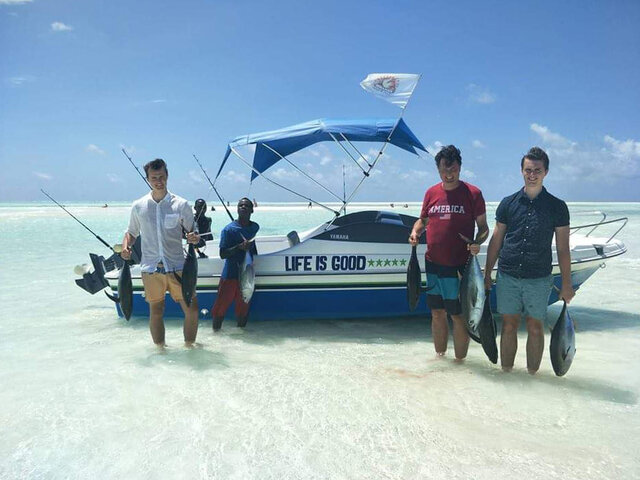
Life Is Good I
Don't miss any fishing tips!
Get the best fishing destination recommendations weekly in your inbox.
No spam. Unsubscribe anytime.
Read more
Data incorrect?
Help us keep this article up to date — report outdated or incorrect information
More articles