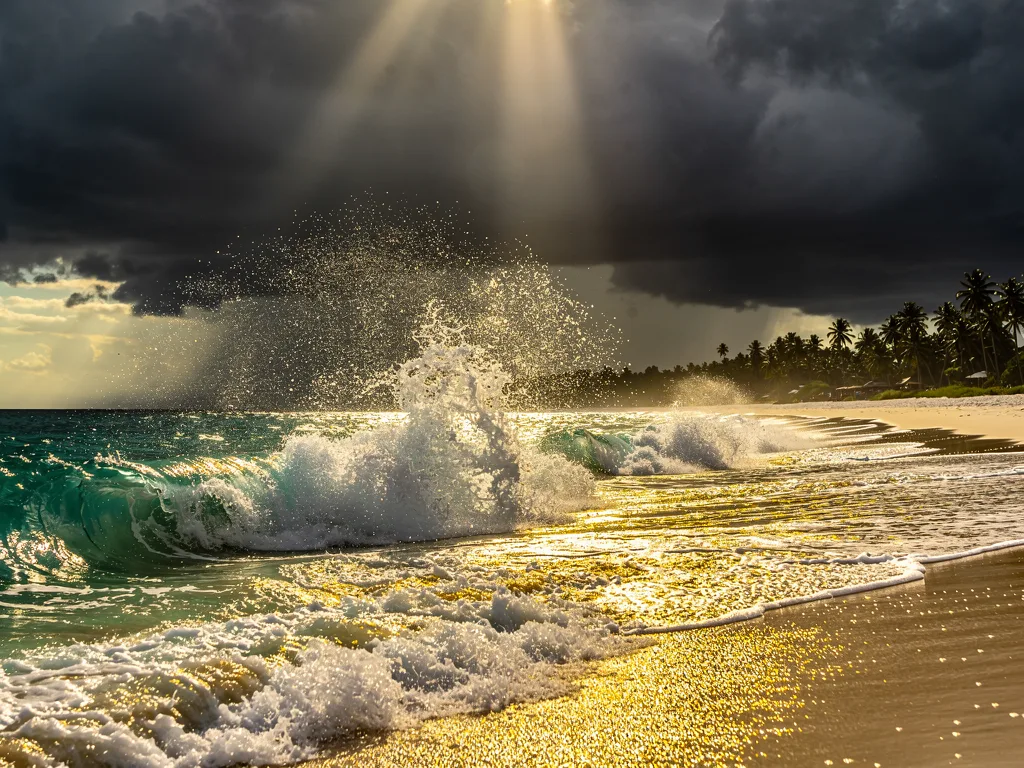
Imagine standing on the deck of a powerful sportfishing boat as the Indian Ocean stretches endlessly before you, the line screams, and a massive black marlin erupts from the cobalt depths in a spectacular acrobatic display. Or picture the moment a 100 kg Nile Perch powers through the waters of Lake Victoria, testing every bit of your tackle and strength. This is the reality of fishing in Kenya — a destination that delivers world-class angling across dramatically different environments, from the warm currents of the Indian Ocean to the icy streams of Mount Kenya.
Whether you dream of battling billfish off the coast, targeting giant Nile Perch on Africa's largest lake, or enjoying serene fly fishing for trout in the highlands, Kenya offers an unforgettable experience. This comprehensive guide covers everything you need to plan your trip: mandatory fishing licenses, the best fishing spots, guided tours and charters, costs in Kenyan Shillings (KES), EUR, and USD, regulations, and practical travel advice for visitors from Europe, North America, Asia, and beyond.
Important note: A fishing license is mandatory for almost all recreational fishing in Kenya. Regulations are enforced by the Kenya Fisheries Service (KeFS), and non-compliance can result in significant penalties. Always verify the latest rules before your trip, as regulations may change.
01Do You Need a Fishing License in Kenya?
Yes — you need a fishing license for almost all types of recreational, sport, and charter fishing in Kenya. The only exception is true subsistence fishing, where you catch fish solely for your immediate personal consumption using traditional methods and without any commercial intent. Shore fishing, boat-based angling, fly fishing in highland rivers, and deep-sea charters all require a valid recreational fishing license.
The Kenya Fisheries Service (KeFS) manages all licensing. You can apply online through the official eCitizen portal (kfes.ecitizen.go.ke), at KeFS offices in major towns, or via authorized agents at fishing ports and lodges. Foreign visitors (non-residents) pay higher fees than Kenyan citizens or residents.
Types of Recreational Fishing Licenses
Kenya offers several duration-based recreational fishing licenses designed for tourists and visiting anglers:
You must carry your physical or digital license while fishing and be prepared to show it to KeFS officers or marine patrol.
Tip: Apply for your fishing license before arrival if possible. Processing through the eCitizen portal can take several days during peak tourist season. Many charter operators can assist with obtaining the correct permit when you book.
02Current Fishing License Costs in Kenya (2026)
License fees are set by the Fisheries Management and Development (Recreational Fisheries) Regulations. Non-residents pay double the citizen rate. All prices below are approximate and based on official 2024–2025 schedules; confirm exact amounts on the KeFS website before travel.
| License Type | Duration | Citizen/Resident (KES) | Non-Resident (KES) | Approx. EUR | Approx. USD |
|-----------------------|------------|------------------------|--------------------|-------------|-------------|
| Recreational Daily | 1 day | 1,000 | 2,000 | €14 / €28 | $15 / $30 |
| Recreational Weekly | 7 days | 5,000 | 10,000 | €70 / €140 | $75 / $150 |
| Recreational Monthly | 30 days | 15,000 | 30,000 | €210 / €420| $225 / $450|
| Annual Recreational | 1 year | 30,000 | 60,000 | €420 / €840| $450 / $900|
| Sport Fishing Vessel | 1 year | 20,000 | 40,000 | €280 / €560| $300 / $600|
These amounts are roughly comparable to the cost of a mid-range restaurant meal for the daily license or a nice hotel dinner for the weekly permit. When you consider the world-class fishing on offer, most international anglers find the fees very reasonable.
Sport fishing vessels (charter boats) require their own annual permit in addition to each angler’s personal recreational license. Reputable operators usually hold valid vessel licenses and include this in their packages.
Tip: Children under 12 often fish under an accompanying adult’s license, but always confirm with KeFS or your charter company. Seniors are not automatically entitled to discounts.
03Fishing Regulations and Bag Limits in Kenya
Kenya takes fisheries conservation seriously. The Fisheries Management and Development Act of 2016 and the detailed 2024 regulations form the legal framework. Key rules every visiting angler must know include:
Penalties for violations are severe — fines can exceed KES 100,000 (€700 / $750), equipment can be confiscated, and in extreme cases, imprisonment is possible. Respect the rules to ensure Kenya’s fisheries remain healthy for future generations.
04Best Fishing Spots in Kenya — Where to Make Your Dreams Come True
Kenya’s incredible geographic diversity delivers four entirely different fishing worlds. Each offers unique scenery, species, and experiences that will stay with you forever.
The Kenyan Coast — World-Class Big Game Fishing
The warm waters of the Indian Ocean along Kenya’s 536 km coastline are legendary among serious big-game anglers. The Pemba Channel, located between the mainland and Pemba Island near Shimoni, is frequently ranked among the top ten marlin destinations on the planet.
What to expect: Crystal-clear turquoise waters giving way to deep blue drop-offs, vibrant coral reefs, and the possibility of hooking legendary billfish. The scenery combines white-sand beaches, swaying coconut palms, and the occasional dolphin pod swimming alongside your boat.
Signature species:
Best techniques: Trolling with large lures or rigged natural baits, live-baiting for sailfish, and exciting popper fishing for GT over shallow reefs. Many visitors describe the explosive surface strikes as the most thrilling fishing of their lives.
Prime locations:
The main season for billfish runs from October to March, aligning perfectly with the European and North American winter. Even in the off-season, tuna and GT remain available.
Lake Victoria — The Realm of the Giant Nile Perch
Straddling the border with Uganda and Tanzania, Lake Victoria is the world’s second-largest freshwater lake. Here, the scenery is dramatically different: papyrus-lined shores, bustling fishing villages, and spectacular sunsets over endless water.
The star attraction is the Nile Perch, a prehistoric-looking predator that can exceed 100 kg (220 lb). Landing one of these freshwater giants after a brutal fight is a bucket-list achievement for many anglers.
Other species: Nile Tilapia, various catfish, and tigerfish.
Best spots: The waters around Rusinga Island, Mfangano Island, and near Kisumu offer productive structure and access to good accommodation. Local guides know the submerged rocks and drop-offs where the biggest perch hunt.
Fishing here is possible year-round, though the drier months (January–February and June–September) are more comfortable for international visitors.
Mount Kenya and Aberdare Highlands — Fly Fishing Paradise
For a completely different experience, travel to the cool, misty highlands surrounding Mount Kenya (5,199 m / 17,057 ft) and the Aberdare Range. Here, crystal-clear mountain streams and rivers carved through lush bamboo forests and moorlands provide classic trout fishing.
Species: Introduced Rainbow Trout and Brown Trout that fight hard in the fast-flowing water.
Experience: Standing in icy water with the snow-capped peaks of Mount Kenya in the background, casting dry flies to rising trout, is an experience of pure serenity. Many lodges offer guided walks through Afro-alpine vegetation between fishing sessions.
Best time: Dry seasons (January–February and June–October) when water levels are stable and insect hatches are reliable.
Other Notable Waters
Each of these destinations delivers its own unforgettable atmosphere — whether it’s the adrenaline of blue-water big-game fishing or the peaceful contemplation of highland streams.
🎣 Fishing tours in Kenya — Book guided fishing tours with local experts.
05Tours & Guided Experiences in Kenya
Hiring a professional guide or charter significantly increases your success rate and ensures compliance with all regulations. Kenya offers excellent options across all fishing styles.
Deep-sea charters from Shimoni, Watamu, or Malindi typically cost €400–€1,200+ per day ($430–$1,300) for a fully equipped boat carrying up to 6 anglers. This includes captain, crew, all tackle, bait, soft drinks, and often lunch. Half-day options are sometimes available for sailfish or inshore reef fishing at lower rates.
Lake Victoria Nile Perch trips usually run €150–€350 ($160–$375) per boat per day, including guide, tackle, and transfer from your lodge.
Highland trout fishing with a professional guide and all equipment costs €120–€280 ($130–$300) per day, often including transport from Nairobi or your safari lodge.
Many operators are members of the Kenya Association of Sea Anglers (KASA) and maintain high safety and conservation standards. They can also help you obtain the correct fishing license upon arrival.
🚤 Charter fishing in Kenya — Find and book charter boats with experienced captains.
06What to Bring and Equipment Considerations
Serious anglers often prefer bringing their own specialized tackle, especially high-quality fly rods for the highlands or heavy marlin gear for the ocean. However, most professional charters and lodges provide well-maintained equipment that meets local conditions.
Recommended gear for Kenya:
Importing personal fishing tackle for personal use is generally straightforward, but avoid bringing live bait or uncleaned equipment that might introduce invasive species.
🛒 Fishing equipment for Kenya — Find the right gear for your trip.
07Practical Travel Information for International Visitors
Best Time to Visit from Different Hemispheres
Getting There and Getting Around
Most international visitors fly into Jomo Kenyatta International Airport (NBO) in Nairobi. Direct flights operate from major European cities (London, Frankfurt, Amsterdam, Paris), the Middle East (Dubai, Doha), and several Asian hubs (Addis Ababa, Johannesburg). For the coast, many travelers fly onward to Moi International Airport (MBA) in Mombasa or use domestic flights to Malindi or Lamu.
Rental cars are useful for the highlands, but for coastal charters and Lake Victoria, most visitors use transfers arranged by their lodge or charter company.
📱 Stay connected in Kenya — Get an eSIM for affordable mobile data while traveling.
🚗 Rent a car in Kenya — Compare prices from 500+ rental companies worldwide.
Visa Requirements
Language and Communication
English is an official language and is widely spoken in tourist areas, hotels, and by fishing guides. Swahili is the national language. Learning a few basic Swahili phrases (“Jambo” = hello, “Asante” = thank you) is appreciated. Translation apps work well in cities but may have limited coverage in remote fishing areas.
Accommodation and Local Culture
From luxury beach resorts in Watamu to comfortable fishing camps on Lake Victoria and eco-lodges in the Aberdares, Kenya offers options for every budget. Many fishing packages include accommodation, meals, and ground transfers.
Respect local customs and Islamic traditions on the coast (especially in Lamu). Support community-based tourism wherever possible — many fishing guides and boat crews come from local villages.
08Fish Species and Techniques — What You Can Expect to Catch
Kenya’s waters host an astonishing variety of fish. The marine environment offers powerful pelagic species, while freshwater systems provide giants of their own.
Marine highlights:
Freshwater icons:
Local guides will teach you the most effective techniques for each location and season.
09Costs of a Fishing Trip to Kenya — Realistic Budgeting
A 7-day fishing-focused trip typically costs:
These figures include the fishing license, charter or guide fees, accommodation, most meals, and ground transfers but exclude international flights and safari activities.
10FAQ — Frequently Asked Questions About Fishing in Kenya
Do I need a fishing license for shore fishing in Kenya?
Yes. Even casting from the beach or a jetty requires a recreational fishing license.
What is the best month for marlin fishing in Kenya?
December to February generally offers the highest marlin catch rates, though sailfish are abundant from October through March.
Can I bring my own fishing rods to Kenya?
Yes. Personal fishing tackle can be imported for recreational use. Declare it clearly on your customs form and ensure all equipment is clean and dry to avoid biosecurity issues.
Is catch and release practiced in Kenya?
Yes, particularly for billfish and large Nile Perch. Many operators encourage it and provide the necessary tools (dehookers, cradles, and cameras for quick photos).
Are there any malaria or health precautions I should take?
Parts of Kenya are malaria-risk areas. Consult your doctor about prophylaxis. Also ensure your routine vaccinations are current and consider hepatitis A and typhoid shots.
Can I combine a fishing trip with a safari?
Absolutely. Many visitors spend a few days fishing on the coast or Lake Victoria before or after a classic safari in the Masai Mara or other national parks.
Do charter boats provide fishing licenses?
Most reputable operators will either obtain the license for you (adding the cost to your booking) or guide you through the simple online process.
11Conclusion
Fishing in Kenya offers a perfect blend of adrenaline-pumping big-game battles, trophy freshwater giants, and peaceful highland trout fishing — all set against some of Africa’s most spectacular scenery. With proper preparation, the right fishing license, and a reputable guide or charter, you are almost guaranteed an experience that will rank among the highlights of your angling life.
The combination of warm Indian Ocean currents, enormous freshwater predators, and pristine mountain streams makes Kenya a true bucket-list destination for anglers of all disciplines. Start planning today — the fish of a lifetime may be waiting for you in the waters of Kenya.
Sources & Further Links
Disclaimer: This article is intended for informational purposes only and does not constitute legal advice. Fishing regulations, license fees, and requirements in Kenya may change at any time. Always consult the official Kenya Fisheries Service (KeFS) and relevant authorities for the most current information before planning your 2026 fishing trip. Local laws, permit requirements, and environmental conditions can vary by location and season. The authors and FishingWorldGuide.com assume no liability for any errors, omissions, or damages resulting from the use of this information.
Recommended tours
Fishing trips in Kenya
Curated tours & charters with price and click data from our partner dashboards.
 FishingBooker
Sea Skipper Fishing Charters – Mombasa
 FishingBooker
VIENNA SPORTFISHINGCHARTERS MOMBASA
 FishingBooker
No Limit Charters
Don't miss any fishing tips!
Get the best fishing destination recommendations weekly in your inbox.
No spam. Unsubscribe anytime.
Read more
Data incorrect?
Help us keep this article up to date — report outdated or incorrect information
More articles