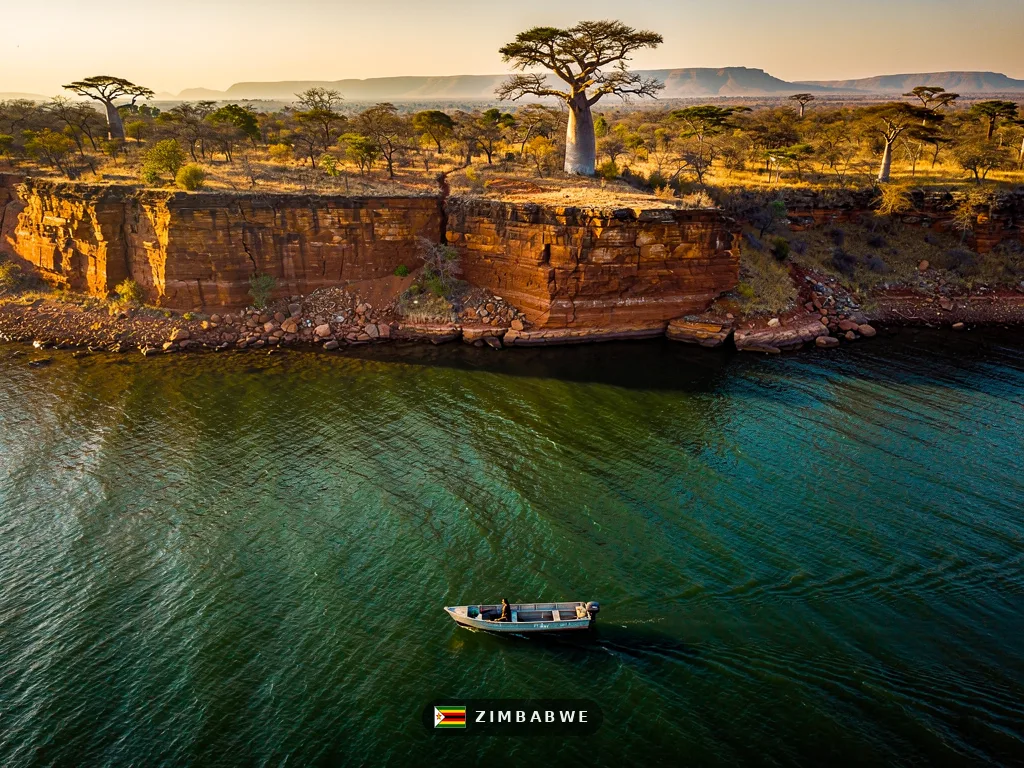
Imagine the explosive strike of a tiger fish (*Hydrocynus vittatus*) that leaps clear of the water in a shower of spray, its razor-sharp teeth glinting in the African sun. This is the heart of fishing in Zimbabwe — a country that delivers some of the most thrilling freshwater angling experiences on the planet. From the vast expanse of Lake Kariba, the world’s largest man-made lake by volume, to the wild and remote stretches of the Zambezi River teeming with hippos and elephants, Zimbabwe offers unforgettable fishing for both hardcore trophy hunters and families seeking relaxed angling adventures.
Whether you dream of battling a 10 kg (22 lb) tiger fish on the Lower Zambezi, casting dry flies for rainbow trout in the cool highlands of Nyanga, or enjoying a multi-day houseboat safari on Lake Kariba, this comprehensive guide covers everything you need to plan your trip. You will learn exactly how to obtain a fishing license in Zimbabwe, where to find the best fishing spots, what guided tours and charters cost, when to visit, and all the practical travel information for visitors from Europe, North America, Asia, and beyond.
Do you need a fishing license in Zimbabwe? Yes — recreational fishing is strictly regulated by the Zimbabwe Parks and Wildlife Management Authority (ZimParks). We explain the latest permit requirements, costs (often quoted in USD due to currency fluctuations), rules including bag limits and closed seasons, and how to stay on the right side of the law while enjoying world-class angling.
Important note: Regulations and fees can change. Always verify the latest information directly with ZimParks before your trip.
01Do You Need a Fishing License in Zimbabwe?
Yes, you need a valid fishing permit for almost all waters in Zimbabwe. According to the Parks and Wild Life Act and current ZimParks regulations, any person fishing in public waters — including Lake Kariba, the Zambezi River, and most dams — must hold an appropriate permit. The only exceptions are certain private dams where the owner has made separate arrangements.
The Zimbabwe Parks and Wildlife Management Authority (ZimParks) is the primary governing body. Fishing permits serve both to generate conservation revenue and to control pressure on fish stocks. Permits are generally issued on a daily or annual basis and are required in addition to any national park entrance or conservation fees.
Types of Fishing Permits in Zimbabwe
How to obtain your fishing license in Zimbabwe: You can purchase permits at ZimParks offices located at major entry points (Kariba, Victoria Falls, Nyanga), regional headquarters in Harare, or authorized local councils. Many international visitors buy their permits upon arrival at the park gate, where the entrance fee often includes basic access. For Lake Kariba, the Binga or Nyaminyami Rural District Councils may also issue permits.
International travelers should carry their passport at all times, as river and lake patrols regularly check documentation. Foreigners are usually charged the “international visitor” rate.
Current costs (2026 estimates, subject to change):
These fees are roughly equivalent to the cost of a mid-range restaurant meal in Harare. Compared to fishing licenses in Europe or North America, Zimbabwe remains relatively affordable, though the real cost of your trip will be dominated by travel, accommodation, and charter boats.
Tip: Due to economic volatility, most operators and ZimParks quote and accept payments in US dollars. Bring sufficient USD in small denominations.
02Fishing Rules and Regulations You Must Know
Zimbabwe enforces sensible regulations designed to protect its world-renowned fisheries, particularly on Lake Kariba and the Zambezi system.
Closed seasons: Commercial kapenta fishing is usually banned from December to February/March to protect spawning. Recreational tiger fishing is allowed year-round, although many lodges and safari areas strongly encourage (and sometimes mandate) catch-and-release during the breeding period.
Bag limits: Recreational anglers are generally restricted to 5 fish per day. Vundu (giant catfish) and larger specimens of certain species are almost always subject to mandatory catch-and-release.
Gear restrictions:
Depth restrictions on Lake Kariba: To protect breeding fish, commercial operations have at times been limited to waters deeper than 20 m (66 ft), although this has been temporarily adjusted to 17 m (56 ft) during periods of drought. Recreational anglers using boats are generally less restricted but must respect sanctuary areas.
Export of fish is prohibited for recreational anglers without special permits. You may take a limited amount for personal consumption while in Zimbabwe, but you cannot take fish out of the country.
Always consult the latest ZimParks notices, as a new fisheries and aquaculture bill was under discussion in 2025 that may introduce further changes.
03Best Fishing Spots in Zimbabwe – Where to Make Your Dreams Come True
The diversity of fishing in Zimbabwe is remarkable. From highland trout streams to tropical tiger-fish rivers, here are the destinations that top every serious angler’s bucket list.
Lake Kariba – The Tiger Fish Capital
Spanning 5,580 km² (2,150 sq mi) and holding 185 km³ (44 cubic miles) of water, Lake Kariba is the undisputed highlight for most visitors. The lake’s flooded forests, hidden creeks, and rocky islands create perfect habitat for aggressive tiger fish, battling bream (tilapia), and the occasional monster vundu catfish that can exceed 50 kg (110 lb).
Many anglers describe the experience as surreal: you fish from a luxury houseboat while elephants drink at the shoreline and fish eagles circle overhead. The famous Kariba International Tiger Fish Tournament (KITFT) takes place every October, drawing competitors from around the world.
Best techniques: trolling with large spoons, casting with fast-retrieving lures, or live-bait drifting. Peak season is September to November when water temperatures rise and fish become hyper-aggressive.
Lower Zambezi River – Remote Trophy Water
Below Kariba Dam, the Zambezi enters a wild, pristine stretch forming the border with Zambia. This is where serious trophy hunters go for double-digit tiger fish and enormous vundu. The combination of fast water, deep pools, and abundant baitfish produces some of the strongest fighting fish in Africa.
The scenery is breathtaking — you will fish while watching herds of buffalo and elephant crossing the river. Lodges such as Royal Zambezi and Baines’ River Camp offer expert guides who know every productive “hole.”
Upper Zambezi (above Victoria Falls)
The clearer, faster water above the falls offers superb sight-fishing for tiger fish and the spectacular nembwe — a hard-fighting, colorful member of the bream family. Fly fishing is particularly rewarding here. The rapid-filled sections and dramatic scenery make every day an adventure.
Nyanga National Park & Eastern Highlands – Trout Fishing Paradise
At altitudes around 2,500 m (8,200 ft), the cool streams and dams of Nyanga offer Zimbabwe’s only true trout fishing. Rainbow and brown trout thrive in the clear waters of the Gairezi River, Mare Dam, and private waters around Troutbeck Resort.
This is pure fly-fishing country. The misty mountains, pine forests, and Scottish-like landscape provide a completely different experience from the tropical lowlands. Best months are May to August when temperatures are lowest.
Lake Chivero – Bass and Bream Near Harare
Only 30 minutes from the capital, Lake Chivero is popular for largemouth bass, bream, and tilapia. It is an excellent choice if you have limited time or are combining business in Harare with a weekend fishing trip. Competitive bass fishing is well established here.
Each of these locations creates its own unforgettable memories — whether it is the explosive surface strike of a tiger fish at sunset on Kariba or the delicate rise of a brown trout in a Nyanga stream at dawn.
🎣 Fishing tours in Zimbabwe — Book guided fishing tours with local experts.
04Target Species – What You Can Catch in Zimbabwe
Tiger Fish: The undisputed king. Known for spectacular aerial acrobatics and teeth that require wire traces. Average size 2–6 kg (4–13 lb); specimens over 10 kg (22 lb) are trophies.
Vundu Catfish: Zimbabwe’s largest freshwater fish. Can reach 50+ kg (110+ lb). Almost always released.
Nembwe: Beautiful olive-green bream with red eyes. Hard fighters that take flies and lures readily.
Bream / Tilapia: Excellent table fish and great fun on light tackle. Popular with families.
Largemouth Bass: Introduced species that thrives in Lake Chivero and some other impoundments.
Rainbow & Brown Trout: Limited to the cool Eastern Highlands.
05Tours & Guided Experiences – Making the Most of Your Zimbabwe Fishing Trip
Most international visitors choose guided experiences for safety, local knowledge, and maximum success rates.
Houseboat Safaris on Lake Kariba remain the classic Zimbabwe fishing holiday. You live aboard a fully crewed vessel (sleeping 6–12 guests) and use smaller “tender” boats to fish the bays and creeks each day. Prices range from US$500 to over US$2,000 per night for the entire boat, depending on luxury level (roughly €460–1,840 / ZAR 9,000–36,000).
Specialist fly-fishing guides on the Zambezi focus on sight-fishing for tiger fish and nembwe. A full-day guided trip with an expert typically costs US$250–400 per person (including boat, guide, tackle, and drinks).
Many lodges offer all-inclusive packages that combine accommodation, meals, game viewing, and fishing. Popular operators work with Bumi Hills Safari Lodge, Royal Zambezi Lodge, and various houseboat companies.
The Kariba International Tiger Fish Tournament (KITFT) is a bucket-list event for competitive anglers. Held annually in October, it features multiple days of competition with strict catch-and-release rules and excellent prizes.
🚤 Charter fishing in Zimbabwe — Find and book charter boats with experienced captains.
06Practical Travel Information for International Visitors
Best time to visit:
Visa requirements: Most nationalities (EU, US, UK, Japan, Australia, etc.) can obtain a visa on arrival for US$30–55. If you plan to fish both the Zimbabwean and Zambian sides of the Zambezi, the KAZA Univisa (US$50) is highly recommended and covers multiple entries to both countries.
Getting there: Fly into Harare (HRE) or Victoria Falls (VFA) international airports. Many fishing packages include road transfers to Kariba (4–5 hours from Harare) or the Lower Zambezi lodges.
Health and safety: Malaria prophylaxis is strongly advised for lowland areas. Drink only bottled water. Follow standard safari safety rules — never approach hippos or crocodiles on foot.
Language: English is the official language and is widely spoken in tourism and fishing circles. A few basic Shona or Ndebele phrases are appreciated but not essential. Translation apps work well in major towns.
Currency and costs: The economy is highly dollarized. Bring US dollars in cash. ATMs are unreliable. A full day’s guided fishing (boat, guide, tackle) typically costs US$250–450 per person — comparable to a premium guided day in many other African destinations but offering exceptional value given the quality of the experience.
Equipment: Top lodges provide quality tackle, but serious anglers should bring their own:
📱 Stay connected in Zimbabwe — Get an eSIM for affordable mobile data while traveling.
07Costs Overview – How Much Does Fishing in Zimbabwe Really Cost?
| Item | Approximate Cost (International Visitor) | Notes |
|-------------------------------|------------------------------------------|-------|
| Daily fishing permit | US$10–20 (€9–18) | Per rod, plus conservation fees |
| Park conservation fee (Kariba)| US$10 per day | Often included in lodge packages |
| Full-day guided boat trip | US$250–450 per person | Includes guide, tackle, drinks |
| Houseboat charter (6 guests) | US$500–2,000+ per night | Luxury levels vary significantly |
| Trout fishing permit (Nyanga) | US$20 per day | Special waters |
| Airport transfer (Harare–Kariba) | US$150–250 one way | Per vehicle |
These prices make fishing in Zimbabwe accessible compared with similar experiences in Botswana, Namibia, or South Africa, especially when shared among a group on a houseboat.
08FAQ – Frequently Asked Questions about Fishing in Zimbabwe
Do I need a fishing license in Zimbabwe even if I am on a guided tour?
Yes. Your guide or lodge will usually arrange the permit for you, but it remains your legal responsibility to have one.
What is the best season for tiger fish in Zimbabwe?
September to November offers the most consistent action, although good fishing can be had from August through December.
Can I eat the fish I catch?
Yes, within bag limits. Bream and tilapia make excellent eating. Most serious tiger-fish and vundu anglers practice catch-and-release.
Is fly fishing possible in Zimbabwe?
Absolutely. The Upper Zambezi and Nyanga Highlands are superb for fly fishing. Many specialist operators cater specifically to fly anglers.
How difficult is it to catch a tiger fish?
Tiger fish are relatively aggressive but can be tackle-busters. First-time anglers often hook fish within the first few hours, though landing the larger specimens requires skill and good equipment.
Are there any health risks I should be aware of?
Malaria is present in the lowveld. Use repellent, wear long clothing at dawn and dusk, and take appropriate prophylaxis. Bilharzia (schistosomiasis) is present in some slower waters — avoid swimming in unclear shallow areas.
Can I bring my own fishing tackle into Zimbabwe?
Yes. Personal fishing gear is usually allowed duty-free. Drones require special Civil Aviation Authority of Zimbabwe (CAAZ) permits.
09Conclusion – Your African Fishing Adventure Awaits
Fishing in Zimbabwe offers a perfect blend of heart-pounding action, breathtaking scenery, and authentic African wilderness that few destinations can match. Whether you choose the legendary tiger fishing on Lake Kariba, the remote wilderness of the Lower Zambezi, or the tranquil trout streams of Nyanga, you will return home with stories that will last a lifetime.
Start planning today. Secure your fishing permits through official ZimParks channels, book quality guided experiences with reputable operators, and prepare to be amazed by the fighting power of the African tiger fish.
The waters of Zimbabwe are calling.
Safe travels and tight lines!
10Sources & Further Links
Disclaimer: This article is intended for informational purposes only and does not constitute legal advice. Fishing regulations in Zimbabwe may change at any time. Always check the latest rules directly with the Zimbabwe Parks and Wildlife Management Authority (ZimParks) and obtain the necessary permits before fishing. The authors and FishingWorldGuide.com accept no liability for any loss, damage, or injury resulting from the use of information in this guide. Prices are approximate and current as of 2026; actual costs may vary.
Don't miss any fishing tips!
Get the best fishing destination recommendations weekly in your inbox.
No spam. Unsubscribe anytime.
Data incorrect?
Help us keep this article up to date — report outdated or incorrect information
More articles