Imagine standing on the deck of a charter boat as the deep blue Pacific stretches endlessly around you, the line suddenly screams, and a massive blue marlin launches into the air in a display of raw power. This is fishing in Tonga — a South Pacific kingdom where world-class game fishing meets pristine coral reefs, dramatic drop-offs, and a relaxed Polynesian welcome. Whether you dream of battling Giant Trevally (GT) on poppers, jigging for dogtooth tuna, or freediving with a speargun in crystal-clear waters, Tonga delivers an unforgettable experience.
In this comprehensive guide, you will learn everything you need to plan your trip: the simple truth about fishing licenses and permits, the best fishing spots across the island groups, detailed costs in Tongan Paʻanga (TOP), EUR, and USD, guided tours and charters, target species and techniques, and all the practical travel information an international angler needs. Tonga remains one of the Pacific’s best-kept secrets for serious fishermen and travel anglers alike.
01Do You Need a Fishing License or Permit in Tonga?
One of the biggest advantages of fishing in Tonga is the straightforward regulatory environment for recreational anglers. No, you do not need a personal fishing license for recreational rod-and-line fishing or shore fishing as a tourist. This policy makes Tonga particularly attractive compared to many other destinations where licenses, reporting requirements, and fees are mandatory.
When you book a trip with a registered commercial charter operator, your fishing activities are covered under their operating permit issued by the Ministry of Fisheries. These operators are responsible for compliance, allowing you to focus entirely on the fishing experience. Shore fishing for personal consumption is generally permitted without charge, provided you stay outside of restricted zones.
If you plan to bring your own vessel, engage in commercial harvesting, collect aquarium fish, or harvest sea cucumbers, you must apply for specific licenses through the Ministry of Fisheries. For standard tourist angling — whether deep-sea trolling, popping reefs, or spearfishing — the absence of a personal license removes a major bureaucratic hurdle.
Tip: Always confirm with your chosen operator that they hold a current commercial fishing permit. Legitimate charters display this proudly and will happily explain the regulations.
Special Management Areas (SMAs) represent an important exception. Tonga has established more than 60 community-managed marine protected areas. Fishing inside an SMA boundary usually requires permission from the local community or a specific permit. Your charter captain will know these zones and steer clear or obtain the necessary approval.
Regulations may change, so it is wise to check the latest information directly with the Ministry of Fisheries before departure.
02Fishing Rules and Regulations in Tonga
Tonga protects its marine resources through the Fisheries Management Act and associated regulations. Understanding the key rules ensures you fish responsibly and avoid any issues during your trip.
Prohibited activities include the use of explosives (dynamite fishing), poisons, or any noxious substances. These methods carry severe penalties, including heavy fines and potential imprisonment. Turtles are fully protected — disturbing nests or taking eggs is strictly forbidden. Marine mammals such as whales and dolphins are also protected, and any interaction must respect Tonga’s progressive whale-watching and conservation guidelines.
Size limits exist for certain reef species. For example, the minimum carapace length for lobsters (*‘Uo*) is 7.5 cm. Giant clams also have minimum size requirements. Most billfish (marlin and sailfish) follow a catch-and-release policy on charter boats to conserve stocks. For other species like tuna, mahimahi, and wahoo, the common “catch stays with the boat” practice applies, although many captains are happy to prepare a portion of your catch for dinner if requested.
Exporting fish is possible but bureaucratic. You may take approximately 10–20 kg of frozen fish as personal baggage, but this requires both a health certificate and an export permit from the Ministry of Fisheries. Most visitors find the process time-consuming and prefer to enjoy their catch fresh in Tonga or leave it with the crew.
Drones must be registered upon arrival, and personal fishing tackle is generally allowed duty-free. Always declare your gear clearly when entering the country.
For the most up-to-date information, consult the official regulations published by the Ministry of Fisheries.
03Best Fishing Spots in Tonga — Where to Make Your Dreams Come True
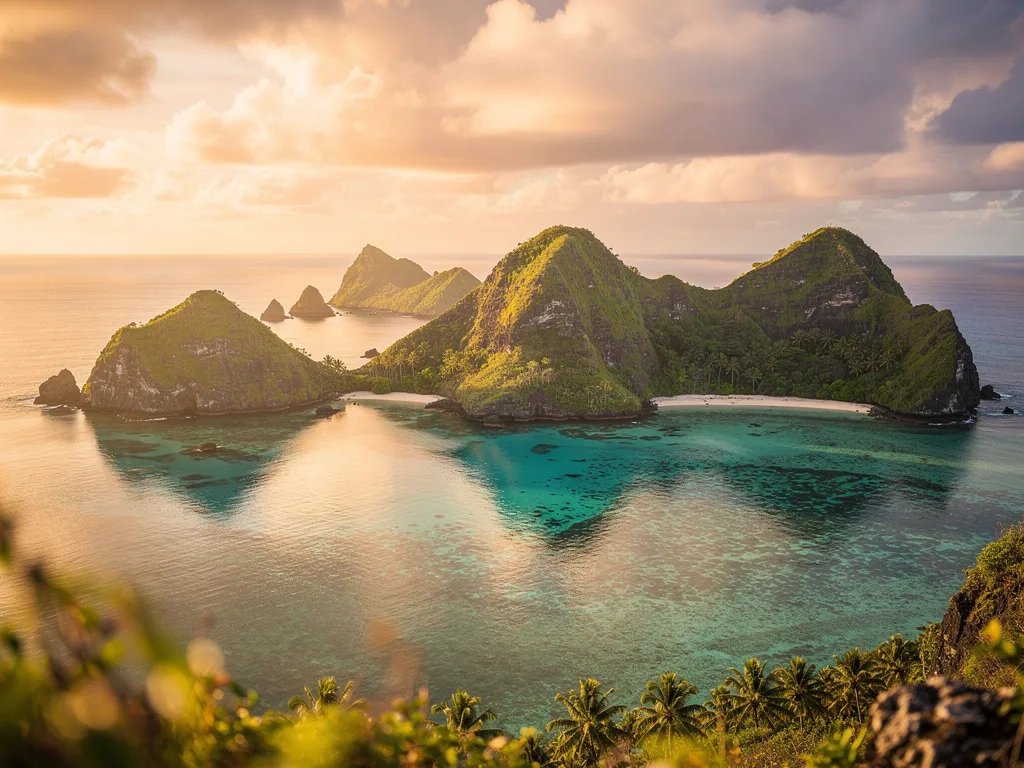
The Kingdom of Tonga consists of 169 islands divided into four main groups, each offering distinct fishing experiences. The breathtaking scenery — turquoise lagoons, towering limestone cliffs, and endless ocean — makes every trip feel like a voyage into paradise.
Vava’u Group — The Billfish Capital
Vava’u is widely regarded as the premier destination for big-game fishing in Tonga. Steep underwater drop-offs begin just minutes from the main harbor of Neiafu, allowing you to be in marlin territory within 20 minutes of leaving the dock. Between June and December, blue marlin, black marlin, and sailfish are regularly encountered. The combination of deep water close to shore and nutrient-rich currents creates exceptional fishing.
Beyond billfish, Vava’u offers superb light-tackle reef fishing and popping for Giant Trevally along the outer reefs. The dramatic scenery of palm-fringed islands and hidden beaches adds to the magic of every day on the water. Many anglers describe watching humpback whales breaching in the distance while waiting for a strike as one of the most memorable experiences in the Pacific.
‘Eua — World-Class Bluewater Spearfishing
Just a short flight or ferry ride from the capital Nuku’alofa, the island of ‘Eua offers something truly special. The reef drops dramatically to over 1,000 meters (3,280 feet) within a few hundred meters of the shoreline. This geological feature creates an extraordinary environment for bluewater spearfishing.
Guided operators take freedivers to target pelagic species in the open ocean or large reef fish along the wall. The water clarity is often exceptional, and the experience of diving in such pristine, uncrowded waters is unforgettable. ‘Eua also offers excellent shore-based fishing and hiking opportunities when you need a break from the ocean.
Ha’apai Group — Remote and Untouched
The middle group of islands remains relatively undeveloped and offers a true sense of wilderness. Ha’apai is famous among serious anglers for its Giant Trevally fishing. Casting large poppers and stickbaits along reef edges and around bommies produces heart-stopping explosive strikes from powerful GTs that can exceed 50 kg (110 lb).
The shallow lagoons and outer reefs also hold excellent populations of trevally, snapper, and other reef species. The pristine nature of these islands, with their white-sand beaches and minimal tourist presence, makes Ha’apai perfect for anglers seeking both fishing excellence and authentic Pacific island tranquility.
Tongatapu and Offshore Seamounts
The main island of Tongatapu serves as the primary entry point and base for many deep-sea charters. Fish Aggregating Devices (FADs) located south of the island concentrate tuna, mahimahi, and wahoo. Further offshore, underwater seamounts attract large yellowfin tuna and wahoo, providing challenging sport for experienced crews.
No matter which island group you choose, the fishing in Tonga feels raw and genuine. The marine environment remains remarkably healthy, and the sheer variety of fishing opportunities means you can enjoy a completely different experience every day of your stay.
Tip: Consider splitting your trip between two island groups — for example, four days in Vava’u for marlin followed by four days in Ha’apai for GT casting — to maximize the diversity of your fishing adventure.
04Target Species and Fishing Techniques
Tonga offers an impressive range of game fish and reef species suitable for different styles of angling.
Pelagic species include blue marlin, black marlin, striped marlin, sailfish, yellowfin tuna, dogtooth tuna, wahoo, and mahimahi. These are primarily targeted by trolling with large lures or rigged natural baits. When a marlin strike occurs, the explosive jumps and powerful runs create memories that last a lifetime.
Reef and bottom species feature Giant Trevally, various trevally species, groupers, snappers, and jobfish. Popping and casting with large surface lures is the most exciting way to target GTs, while vertical jigging with metal jigs works exceptionally well for dogtooth tuna and deep-water snappers around seamounts and drop-offs.
Spearfishing has become increasingly popular. In the blue water around ‘Eua, experienced freedivers pursue pelagics, while reef spearfishing offers a sustainable way to collect dinner. Always follow local guidelines and respect protected species.
Techniques vary from heavy-tackle trolling for billfish to light spinning and fly fishing in the lagoons. Most charter boats are well-equipped with quality Shimano or Penn reels and heavy rods, but dedicated popping or jigging enthusiasts should consider bringing their favorite custom rods and high-quality lures.
05Tours and Guided Experiences in Tonga
The vast majority of successful fishing trips in Tonga are conducted through professional charter operators. These experienced captains and crews know the local waters, weather patterns, and productive spots intimately.
Popular operators include Vava’u Sport Fishing Charters, which specialize in big-game marlin fishing, and Poppin’ Tonga, which focuses on casting for Giant Trevally using large surface poppers. In ‘Eua, Blue Water Retreat is the go-to operator for guided spearfishing and freediving expeditions.
Prices for guided trips vary significantly depending on the type of experience:
Many operators offer multi-day packages that include accommodation, meals, and fishing, providing excellent value and convenience for international visitors.
Booking is often done directly through operator websites, Facebook pages, or local tourism platforms such as Vavau.to. Booking several months in advance is strongly recommended during peak season (June to October), especially for marlin fishing.
🎣 Fishing tours in Tonga — Book guided fishing tours with local experts.
🚤 Charter fishing in Tonga — Find and book charter boats with experienced captains.
06How Much Does Fishing in Tonga Cost?
Fishing in Tonga represents good value compared to other premium Pacific destinations. Because no personal license is required, your main expenses are charters, accommodation, food, and travel.
A typical 7-night fishing-focused trip for two people, including accommodation, several full-day charters, meals, and internal transfers, often ranges between TOP 4,000 and TOP 8,000 (€1,550–€3,100 / $1,650–$3,300 USD) per person, depending on the level of luxury and intensity of fishing.
Daily charter costs have been outlined above. A full day of private marlin fishing on a well-equipped 40-foot boat typically costs around TOP 1,800–2,200 (€700–€850 / $745–$905 USD) for up to four anglers. Sharing a boat significantly reduces the cost per person.
Accommodation ranges from simple guesthouses at TOP 80–150 (€31–€58 / $33–$62 USD) per night to luxury beach resorts at TOP 400–800 (€155–€310 / $165–$330 USD). Meals are relatively affordable — a good restaurant dinner usually costs TOP 40–70 (€15.50–€27 / $16.50–$29 USD).
Additional costs include international flights (often via Fiji, New Zealand, or Australia), internal flights or ferries between island groups, tackle (if not provided), and tips for crew (typically 10–15% of charter cost for exceptional service).
Compared to a high-end restaurant meal in Europe or North America, a full day of world-class fishing in Tonga is surprisingly accessible.
07Practical Travel Information for International Visitors
Best Time to Visit
The optimal fishing season in Tonga runs from May to October (the dry season), when seas are generally calmer and winds lighter. Marlin fishing peaks between June and December. From November to April, the wet season brings warmer temperatures but also higher chances of rain and occasional tropical storms. Anglers from the Northern Hemisphere will find June–September ideal, while Southern Hemisphere visitors often prefer the shoulder months.
Getting to Tonga and Traveling Between Islands
You will fly into Fua’amotu International Airport (TBU) near Nuku’alofa on the main island of Tongatapu. Major airlines offer connections from Auckland, Sydney, Fiji, and Los Angeles (seasonally). From there, you can fly with Lulutai Airlines to Vava’u or Ha’apai, or take domestic ferries for a more adventurous (and cheaper) experience.
Visa requirements are straightforward. Citizens of the EU, US, UK, Japan, Canada, Australia, New Zealand, and many other countries receive a free 31-day visitor permit on arrival. Check the latest requirements for your nationality before travel, as rules can be updated.
Language and Communication
English is widely spoken in tourism and fishing circles, but learning a few Tongan phrases demonstrates respect and enriches your experience. Useful apps include Google Translate (with offline Tongan pack) and local tourism apps. Most charter captains speak excellent English.
Equipment and What to Bring
Larger charter boats supply heavy trolling gear, but serious popping, jigging, or spearfishing enthusiasts should bring their own high-quality equipment. Local tackle shops have limited stock, especially for specialized lures or high-end rods. Pack strong sunscreen, polarized sunglasses, a good rain jacket, and reef-safe footwear. A quality dry bag for electronics is essential.
Duty-free allowance includes 2.25 L of spirits or 4.5 L of beer/wine. Personal fishing tackle enters duty-free.
📱 Stay connected in Tonga — Get an eSIM for affordable mobile data while traveling.
Health, Safety and Local Culture
Tonga is generally very safe, but standard precautions apply. Tap water is not always safe to drink — stick to bottled water. Medical facilities are limited outside the capital, so comprehensive travel insurance is strongly recommended. Respect local customs: dress modestly when visiting villages, remove shoes before entering homes, and always ask permission before fishing near communities.
08Frequently Asked Questions
Do I need a fishing license to fish in Tonga?
No personal recreational fishing license is required for tourists using rod and line or shore fishing. Charters operate under their own commercial permits.
What is the best island for marlin fishing in Tonga?
Vava’u is considered the billfish capital, with excellent access to deep water and consistent marlin catches from June through December.
Can I keep the fish I catch in Tonga?
Most billfish are released. For tuna, mahimahi, and similar species, the catch usually stays with the boat, although captains often share portions for dinner.
Is spearfishing allowed in Tonga?
Yes, spearfishing is popular and permitted in many areas. Guided operators in ‘Eua offer excellent bluewater and reef spearfishing experiences. Always respect protected species and Special Management Areas.
What is the best time of year for fishing in Tonga?
May to October offers the best sea conditions. Marlin fishing peaks between June and December.
How expensive is a fishing charter in Tonga?
Private full-day charters range from TOP 600 to TOP 2,500 (€235–€970 / $250–$1,030 USD). Shared trips are significantly cheaper.
Do I need special permits for Giant Trevally or other reef fish?
No special permits are needed for recreational fishing, but you must avoid fishing inside Special Management Areas without local permission.
Can I export fish from Tonga?
Small quantities (10–20 kg) can be exported with the proper health certificate and export permit from the Ministry of Fisheries, though the process is time-consuming.
09Conclusion
Fishing in Tonga offers a rare combination of world-class angling, stunning natural beauty, and genuine Polynesian hospitality. With no personal fishing license required, straightforward regulations, and an incredible variety of fishing experiences across its islands, the Kingdom of Tonga deserves a place on every serious angler’s bucket list.
Whether you troll for marlin in the deep blue waters off Vava’u, cast poppers at monster Giant Trevally in Ha’apai, or explore the breathtaking drop-offs of ‘Eua with a speargun, you will create memories that last a lifetime. The pristine environment and healthy fish stocks make every trip feel special.
Start planning your adventure today. Book your charters early, especially during peak season, and prepare for the fishing trip of a lifetime in one of the Pacific’s most welcoming and rewarding destinations.
10Sources & Further Links
Disclaimer: This article is intended for informational purposes only. Fishing regulations in Tonga may change at any time. Always verify the latest rules with the Ministry of Fisheries and your chosen charter operator before your trip. The authors and FishingWorldGuide.com assume no liability for any errors, omissions, or incidents that may occur during your travels or fishing activities. This guide was updated for 2026.
Don't miss any fishing tips!
Get the best fishing destination recommendations weekly in your inbox.
No spam. Unsubscribe anytime.
Data incorrect?
Help us keep this article up to date — report outdated or incorrect information
More articles