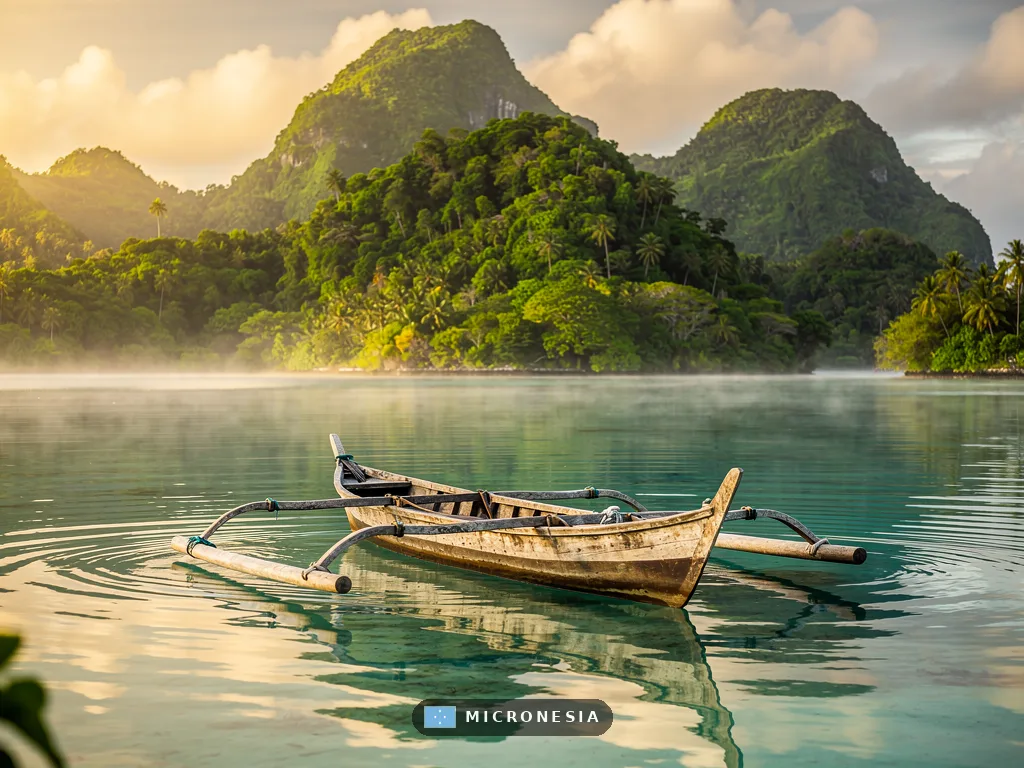
Imagine standing on the bow of a traditional outrigger canoe as turquoise water stretches toward the horizon, the shadow of a massive reef shark gliding beneath you. A sudden explosion of spray erupts as a giant trevally (GT) hammers your popping lure. This is fishing in Micronesia – an untouched Pacific paradise where crystal-clear lagoons, remote atolls, and legendary game fish create an experience that serious anglers dream about for a lifetime.
The Federated States of Micronesia (FSM), commonly referred to as Micronesia, consists of four distinct states: Pohnpei, Yap, Chuuk, and Kosrae. These islands offer world-class fishing opportunities, from bonefish on shallow flats to massive GTs on outer reefs, tuna in the open ocean, and even marlin and sailfish in deeper waters. Because fishing in Micronesia is regulated primarily at the state level with strong traditional ownership rights, preparation is essential for an international visitor.
In this comprehensive guide, you will discover whether you need a fishing license in Micronesia, the best fishing spots across the four states, how to book charters and guided tours, what equipment to bring, practical travel information for travelers from Europe, North America, Asia, and beyond, and detailed costs in local currency, EUR, and USD. We address visa requirements, language considerations, and the unique cultural aspects that make fishing here so special.
Whether you are a fly-fishing enthusiast targeting bonefish on Kosrae’s flats or a heavy-tackle angler hoping to land a 50 kg (110 lb) giant trevally in Yap, this guide will help you plan an unforgettable trip.
01Do You Need a Fishing License in Micronesia?
One of the most common questions international anglers ask is: do you need a fishing license in Micronesia? The answer is nuanced and different from many Western destinations.
No National Recreational Fishing License Required
For recreational and sport fishing in the territorial waters (within 12 nautical miles of shore), there is no standard national recreational fishing license required for tourists. The Federated States of Micronesia does not operate a centralized permitting system for visiting anglers like you might find in Australia, New Zealand, or many European countries.
This applies to all four states — Pohnpei, Yap, Chuuk, and Kosrae. The National Oceanic Resource Management Authority (NORMA) primarily regulates commercial tuna fishing in the vast Exclusive Economic Zone (EEZ) from 12 to 200 nautical miles offshore. Most sport fishing takes place much closer to shore.
However, this simplicity comes with important caveats that every visitor must understand.
State-Level Rules and Traditional Ownership Rights
Fishing regulations in Micronesia are managed by each individual state government. Even more important are the traditional fishing rights recognized in the FSM constitution. Many reefs, lagoons, and nearshore waters are considered customary property of specific villages, families, or clans.
You cannot simply arrive and start fishing from shore or by boat in many locations. Doing so without proper permission could be seen as a serious cultural violation. This is why hiring a local guide or booking through a reputable charter operator is not just recommended — it is essential.
Always obtain permission through your accommodation, local tourism office, or fishing guide before fishing. In many cases, this involves a small customary payment or gift to the local community, which is a normal and respectful part of accessing these traditionally owned waters.
Marine Protected Areas (MPAs) and Locally Managed Marine Areas (LMMAs)
The FSM has an extensive network of Marine Protected Areas and community-managed LMMAs where fishing is either completely prohibited or heavily restricted. These areas are vital for conservation and are taken very seriously by local communities. Your guide will know exactly which areas are open and which are off-limits.
Tip: Contact the relevant state visitors bureau (Pohnpei Visitors Bureau, Yap Visitors Bureau, Chuuk Visitors Bureau, or Kosrae Visitors Bureau) before your trip. They can connect you with authorized operators who already have the necessary community permissions.
Regulations can change, and what is permitted in one village may be restricted in the next. This is why working with local professionals is the safest and most respectful approach to enjoying fishing in Micronesia.
02Best Fishing Spots in Micronesia: Where to Make Your Dreams Come True
The four states of Micronesia each offer unique fishing experiences, scenery, and target species. From the towering basalt cliffs of Pohnpei to the famous stone money of Yap, every location feels like a different world.
Pohnpei Fishing – The Jungle-Covered Volcano
Pohnpei is the capital state and home to the famous Nan Madol ruins. Its fishing reputation centers on massive giant trevally, dogtooth tuna, and reef species. The island is surrounded by a massive barrier reef that creates an enormous lagoon filled with bommies, channels, and pristine flats.
Many anglers describe popping for GTs around the outer reef passes as some of the most heart-pounding fishing on Earth. When a 40–60 kg (88–132 lb) giant trevally explodes on a surface popper in crystal-clear water only 10–15 meters (33–49 ft) deep, the experience is unforgettable.
The mangrove-lined rivers and creeks also offer light-tackle sport with snapper, trevally species, and barracuda. During certain seasons, wahoo and yellowfin tuna are available in the channels between the barrier reef and the open ocean.
Yap Fishing – World-Class Giant Trevally and Manta Rays
Yap is legendary among serious GT anglers. The diving here is world-famous for manta rays, but the fishing is equally spectacular. The outer reefs and drop-offs produce giant trevally of legendary size — some exceeding 70 kg (154 lb).
What makes Yap special is the combination of technical fishing and the incredibly clear water. You can often see the fish before they strike. Local guides use traditional knowledge of currents and moon phases to put you on fish consistently.
In addition to GTs, Yap offers excellent bonefishing on the flats, permit, and various reef species. The outer atolls (accessible by liveaboard or longer boat trips) provide even more pristine fishing opportunities.
Chuuk (Truk) Fishing – Wrecks, Lagoons and Blue-Water Action
Chuuk is best known for its incredible WWII shipwreck diving, but the lagoon and surrounding waters also offer outstanding fishing. The massive lagoon contains hundreds of patch reefs and bommies that hold snapper, grouper, and trevally.
Outside the lagoon, the fishing for tuna, wahoo, mahi-mahi, and marlin can be exceptional. Many visitors combine wreck diving in the morning with afternoon fishing charters.
The atolls surrounding Chuuk — particularly the Namoneas group — offer remote fishing experiences where you may not see another boat for days.
Kosrae Fishing – Pristine and Uncrowded
Often called the "Garden of Eden" of Micronesia, Kosrae is the least developed of the four states. This translates into exceptionally pristine fishing conditions. The fringing reef and numerous channels provide superb fishing for bonefish, trevally, permit, and snapper.
The island’s rivers and mangrove systems are perfect for light-tackle exploration. Many visitors describe Kosrae as feeling like what other Pacific islands were like decades ago — untouched and authentic.
The outer reef drop-offs can produce dogtooth tuna and GTs, while the deeper waters hold sailfish and occasional marlin. Because tourism is limited, the fishing pressure remains very low.
Best time to visit Micronesia depends on your priorities and where you are traveling from:
Tip: Typhoon season typically runs from May to November. While fishing is possible year-round, many experienced anglers prefer the more stable weather months between December and April.
03Deep Sea Fishing and Giant Trevally in Micronesia
When people talk about deep sea fishing Micronesia, they are usually referring to the incredible offshore opportunities beyond the barrier reefs. The waters of the FSM sit along significant current systems that concentrate baitfish and attract predators.
Giant trevally fishing in Micronesia is world-renowned. These powerful fish, often called "the king of the flats and reefs," can reach weights of over 80 kg (176 lb) in these waters. The combination of shallow coral heads and deep drop-offs creates perfect habitat.
Techniques that work well include:
Many charters specialize in GT fishing and will target specific tidal stages and moon phases when these fish are most active. The visual aspect — watching a 50 kg fish charge your lure in 5–10 meters (16–33 ft) of gin-clear water — is what keeps anglers returning to Micronesia year after year.
Other popular deep-sea targets include:
04Tours & Guided Experiences in Micronesia
Given the complex traditional ownership and protected areas, fishing tours in Micronesia are not just convenient — they are the only practical way for most international visitors to fish legally and respectfully.
Most serious fishing operations are small and family-run. They work directly with local communities and have established relationships that allow access to the best fishing grounds. Your guide will typically handle all permissions, provide local knowledge about tides and fish behavior, and ensure you respect cultural protocols.
Popular types of trips include:
Prices typically range from 350–650 USD (approximately 320–600 EUR) per day for a boat that can accommodate 2–4 anglers, including guide and basic tackle. Liveaboard trips naturally cost significantly more.
🎣 Fishing tours in Micronesia — Book guided fishing tours with local experts.
05Charter Fishing in Micronesia
Charter fishing in Micronesia varies considerably between states. Pohnpei and Yap have the most established charter operations, while Chuuk and Kosrae tend to work on a more informal basis with local fishermen who also guide visitors.
When choosing a charter, look for operators who:
Many charters supply basic tackle, but serious anglers usually prefer bringing their own high-quality rods, reels, and lures designed for the powerful fish found here. A typical GT popping setup requires heavy casting rods rated for 80–150 lb line and large conventional reels with high drag pressure.
Several operators offer specialized giant trevally trips with experienced captains who know exactly where and when these fish feed. Others focus on light-tackle flats fishing or offshore trolling.
🚤 Charter fishing in Micronesia — Find and book charter boats with experienced captains.
06Equipment Recommendations for Fishing in Micronesia
The remote nature of Micronesia means that specialty tackle can be difficult or impossible to purchase locally. Bring your own gear whenever possible, especially for demanding techniques like GT popping or saltwater fly fishing.
Recommended Tackle
For Giant Trevally and Heavy Reef Fishing:
For Flats and Light Tackle Fishing:
General Recommendations:
Rental equipment is very limited. While some charters have basic gear, it is rarely the high-quality tackle needed to land the largest fish consistently.
🛒 Fishing equipment for Micronesia — Find the right gear for your trip.
07Practical Travel Information for International Visitors
Visa Requirements
Most visitors from the EU, United States, UK, Japan, Australia, and many other countries can enter the Federated States of Micronesia visa-free for stays of up to 30 days. You will need a valid passport and proof of onward travel.
Longer stays or specific work activities may require a visa. Always check with the nearest FSM embassy or consulate or the official FSM government website before travel, as requirements can change.
Getting to Micronesia
The main gateway is Pohnpei International Airport (PNI), served by United Airlines from Honolulu, Guam, and Nauru. From Pohnpei, smaller aircraft connect to the other states (Yap, Chuuk, and Kosrae).
Travel times from major cities:
Getting Around Between States
Inter-island travel is primarily by air. The small planes used for these routes have strict weight limits, so plan your fishing gear transport carefully. Some charters offer boat transfers between nearby islands or atolls.
Language Considerations
The official language is English, which is widely spoken in tourism and government contexts. However, each state has its own local language (Pohnpeian, Yapese, Chuukese, Kosraean) that is primarily used in daily life.
Many fishing guides speak excellent English, but in more remote areas, communication can be challenging. Translation apps like Google Translate can be helpful, though they work better with a data connection.
📱 Stay connected in Micronesia — Get an eSIM for affordable mobile data while traveling.
Currency and Costs
The official currency of the Federated States of Micronesia is the US Dollar (USD). There are no local currencies in the states.
Typical daily costs for an angler (per person, excluding international flights):
| Item | Cost in USD | Cost in EUR (approx.) |
|---------------------------|-------------|-----------------------|
| Mid-range hotel/resort | 120–250 | 110–230 |
| Full-day fishing charter (shared) | 175–325 | 160–300 |
| Meals (local + restaurant)| 40–80 | 37–74 |
| Guided cultural tour | 60–120 | 55–110 |
| Internal flight | 120–280 | 110–260 |
These prices are roughly equivalent to mid-to-high-end fishing trips in other remote Pacific destinations but offer exceptional value given the quality of the fishing and the pristine environment.
Accommodation
Options range from simple locally-owned guesthouses to more comfortable eco-resorts and dive/fishing lodges. Many of the best fishing operations have partnerships with specific accommodations that include meal plans and transport.
Health and Safety
No malaria is present in Micronesia, but dengue fever occurs occasionally. Bring appropriate insect repellent and discuss vaccinations with your doctor. Medical facilities are limited, especially outside Pohnpei — comprehensive travel insurance is essential.
Cultural Sensitivity
Respect for local customs is paramount. Traditional leaders and village elders hold significant authority. Your fishing guide will help you understand proper etiquette regarding dress, photography, and interaction with local communities.
Tip: A small gift of fishing line, hooks, or other practical items is often appreciated when visiting remote villages, but always give these through your guide to respect local protocols.
Rental Cars and Local Transport
In the main centers, taxis and arranged transport are common. Rental cars are available on Pohnpei, Yap, and Kosrae but are less common on Chuuk. Driving is on the right side of the road.
🚗 Rent a car in Micronesia — Compare prices from 500+ rental companies worldwide.
08Sample Fishing Itinerary for 10 Days in Micronesia
Days 1–3: Pohnpei
Arrival in Pohnpei. Two full days of giant trevally popping on the outer reefs combined with a visit to the ancient Nan Madol ruins. Focus on heavy tackle during the day and perhaps light tackle in the mangroves in the evening.
Days 4–7: Yap
Fly to Yap. Three days dedicated to world-class GT fishing and possibly some bonefishing on the flats. Many visitors also enjoy a manta ray snorkeling trip between fishing sessions. The famous Yap stone money "banks" provide fascinating cultural experiences.
Days 8–10: Kosrae
Final stop in Kosrae for a more relaxed pace. Focus on flats fishing, exploring the pristine mangrove channels by kayak, and enjoying the incredibly relaxed atmosphere of this beautiful island before your international departure.
This itinerary can be adjusted based on your specific interests, fishing preferences, and available time. Liveaboard options that visit multiple atolls are also popular with serious anglers.
09FAQ – Frequently Asked Questions about Fishing in Micronesia
Do you need a fishing license in Micronesia?
No national recreational fishing license is required for tourists fishing in territorial waters. However, you must respect traditional ownership rights and Marine Protected Areas. Working with a local guide or authorized charter is the best way to ensure you are fishing legally and respectfully.
What is the best fishing season in Micronesia?
Fishing is possible year-round, but many visitors prefer the drier months from December to April. Weather patterns vary between states and from year to year. Always check current conditions and potential tropical cyclone activity before booking.
What is the best state in Micronesia for giant trevally?
Yap has a legendary reputation for giant trevally, with Pohnpei also producing exceptional fish. All four states offer good GT fishing, but Yap is often considered the premier destination for trophy fish.
Can I go shore fishing without a guide in Micronesia?
It is strongly discouraged. Many shorelines and reefs are under traditional ownership. Without proper permissions, you risk causing cultural offense. Hiring a local guide ensures you fish in appropriate locations and learn about the rich local fishing culture.
What is the cost of a fishing charter in Micronesia?
Expect to pay between 350–650 USD (320–600 EUR) per day for a shared charter including guide and basic tackle. Private charters and specialized multi-day trips cost more. Liveaboard expeditions are priced significantly higher.
Is it easy to find English-speaking fishing guides?
Most professional guides working with international visitors speak good English. In more remote areas, some basic knowledge of local languages can be helpful, but your operator will ensure communication is not a barrier to enjoying your trip.
What should I pack for a fishing trip to Micronesia?
Prioritize high-quality fishing tackle suited to GT popping and flats fishing, polarized sunglasses, sun protection, quality rain gear, and sturdy footwear. Bring more tackle than you think you need, as replacements are difficult to find.
Are there any fishing tournaments or special events in Micronesia?
While not as common as in some destinations, several states occasionally organize fishing events or tournaments. Your best source for current information is the relevant state visitors bureau.
10Conclusion
Fishing in Micronesia offers a rare combination of world-class angling, stunning natural beauty, and rich cultural experiences that few destinations can match. From the explosive strikes of giant trevally in gin-clear water to the peaceful flats fishing in Kosrae’s lagoons, the Federated States of Micronesia delivers memories that last a lifetime.
The key to a successful trip is preparation and respect. By working with local guides who understand both the fishing and the complex traditional ownership systems, you ensure your experience is not only productive but also culturally appropriate.
Whether you are planning your first Pacific fishing adventure or adding another legendary destination to your bucket list, Micronesia deserves serious consideration. The fish are waiting, the water is clear, and the welcome from local communities — when approached with respect — is warm.
Start planning your Micronesia fishing trip today by contacting the state visitors bureaus or browsing available charters and tours. The experience of a lifetime in one of the Pacific’s last great fishing frontiers awaits you.
11Sources & Further Links
Disclaimer: This guide was written in 2026 and reflects information available at that time. Fishing regulations, traditional access rights, weather patterns, and travel requirements in Micronesia can change. Always verify the latest rules with official state authorities, the National Oceanic Resource Management Authority (NORMA), and your chosen fishing operator before your trip. This article is for informational purposes only and does not replace professional local advice.
Don't miss any fishing tips!
Get the best fishing destination recommendations weekly in your inbox.
No spam. Unsubscribe anytime.
Data incorrect?
Help us keep this article up to date — report outdated or incorrect information
More articles