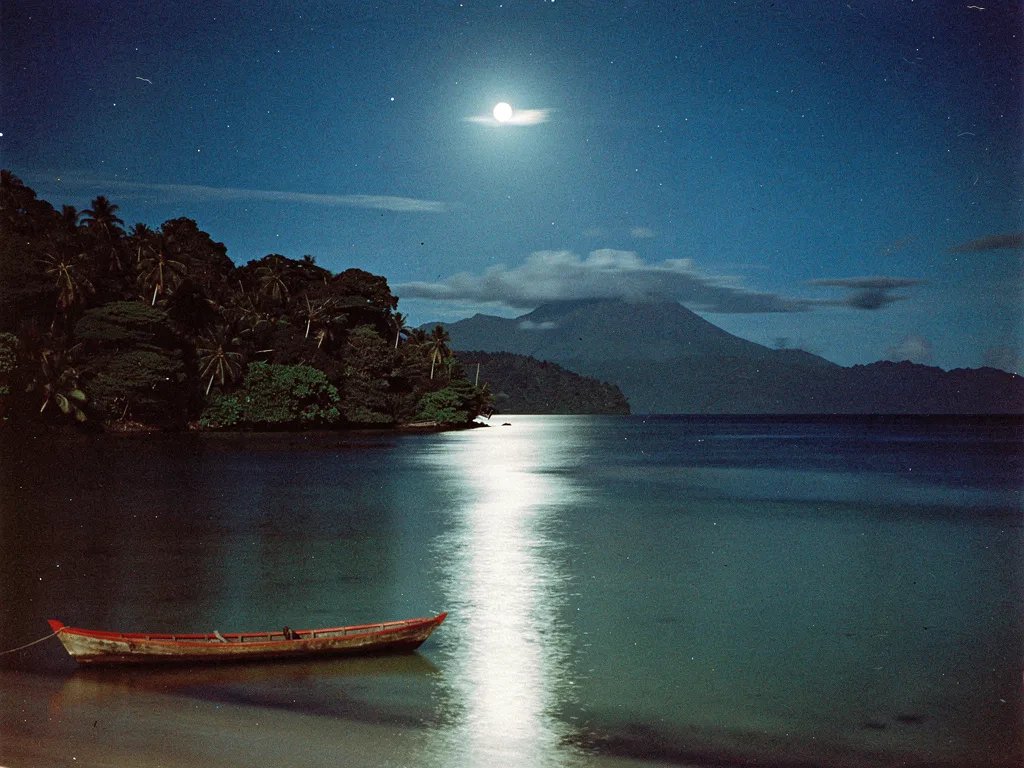
Imagine casting your line into crystal-clear turquoise waters where giant trevally smash surface lures with explosive force, where dogtooth tuna patrol deep underwater seamounts, and where the nearest fishing pressure is hundreds of kilometers away. Welcome to fishing in the Solomon Islands—one of the last truly wild sportfishing frontiers on Earth.
This Pacific Island nation remains remarkably untouched by mass tourism, offering anglers a rare combination of pristine coral reefs, deep ocean drop-offs, and productive river systems. Whether you're targeting marlin in deep blue water, battling mangrove jack in coastal creeks, or pursuing the legendary bonefish on remote flats, the Solomon Islands delivers fishing experiences that have disappeared from most of the world's more accessible destinations.
01Fishing Licenses and Regulations in the Solomon Islands
Unlike many popular fishing destinations, the Solomon Islands maintains relatively straightforward regulations for recreational anglers. The Ministry of Fisheries and Marine Resources oversees all fishing activities in the country's territorial waters.
Recreational Fishing Permits
For visiting anglers engaging in recreational sportfishing, no specific recreational fishing license is currently required for rod-and-line fishing from shore or from chartered boats. However, this applies only to true recreational fishing—meaning catch-and-release or personal consumption in reasonable quantities.
Tip: Regulations can change. Always verify current requirements with the Ministry of Fisheries and Marine Resources or your charter operator before your trip.
Commercial Fishing Restrictions
If you plan to sell your catch or fish commercially in any capacity, you must obtain proper commercial fishing licenses. These are administered through the Solomon Islands trade portal and involve significantly more paperwork and fees. For most visiting anglers, this won't apply.
Prohibited Activities and Protected Species
The Fisheries Management (Prohibited Activities) Regulations 2018 establishes clear rules about what you cannot do:
The Fisheries Management Act 2024 has updated many of these provisions, strengthening enforcement and penalties for violations.
Customary Marine Tenure (Traditional Fishing Rights)
One unique aspect of fishing in the Solomon Islands is the system of customary marine tenure. Many reef and coastal areas are owned by traditional landholding groups or communities. Even if you're fishing legally under national regulations, you may need permission from local chiefs or communities to access certain waters.
Most reputable charter operators and fishing lodges have already established these relationships and include any necessary customary fees in their packages. If you're fishing independently, always inquire locally about traditional ownership of the waters you plan to fish.
Bag Limits and Size Restrictions
The Solomon Islands doesn't maintain the comprehensive bag and size limit systems common in countries like Australia or the United States. However, responsible angling practices are expected. Most charter operators enforce their own catch limits and strongly encourage catch-and-release, particularly for species like giant trevally, marlin, and sailfish.
02Best Fishing Spots in the Solomon Islands
The Solomon Islands archipelago consists of nearly 1,000 islands spread across 1,600 kilometers (1,000 miles) of the southwestern Pacific. This vast area offers diverse fishing environments, from shallow flats to deep ocean trenches.
Munda, New Georgia Island
Munda has emerged as one of the premier sportfishing destinations in the Solomon Islands. Located on the western side of New Georgia Island, Munda offers access to excellent offshore grounds while also providing productive inshore and flats fishing.
The underwater topography here is remarkable. A short run from shore puts you over seamounts and drop-offs where pelagic species concentrate. Dogtooth tuna in the 30-50 kg (66-110 lb) range are regular catches, while giant trevally patrol the edges of reefs and seamounts.
The nearby Roviana Lagoon offers protected waters ideal for casting surface lures and poppers at GTs, while the outer reef edges produce Spanish mackerel, wahoo, and yellowfin tuna. Several operators base themselves in Munda, making it one of the more accessible quality fishing destinations in the country.
Guadalcanal and the Florida Islands
The main island of Guadalcanal, home to the capital Honiara, provides the primary entry point for international visitors. While Honiara itself offers limited fishing directly from shore, the nearby Florida Islands (also called Nggella Islands) provide excellent fishing grounds.
Iron Bottom Sound, the stretch of water between Guadalcanal and the Florida Islands, gained its name from the numerous World War II shipwrecks that litter the seafloor. These structures now act as artificial reefs, attracting baitfish and the predators that feed on them. This area produces excellent bottom fishing for coral trout, red emperor, and various snapper species.
Papatura Island
For anglers seeking the ultimate remote experience, Papatura Island in the Santa Isabel province represents the frontier of Solomon Islands fishing. This isolated resort location offers fishing in waters that see almost no pressure from other anglers.
The fishing here focuses on species that have become rare in more accessible locations. Giant trevally in the 40-60 kg (88-132 lb) class are caught regularly. The reef edges hold massive dogtooth tuna, while the blue water produces black marlin, blue marlin, and sailfish.
Western Province Outer Reefs
The Western Province contains some of the most productive fishing grounds in the Solomon Islands. The outer reef systems here drop dramatically into deep water, creating ideal hunting grounds for pelagic species.
Game boats operating from Munda and nearby islands target these outer reefs for:
Russell Islands
South of Guadalcanal, the Russell Islands offer relatively accessible fishing for visitors based in Honiara. The passage between the two main islands (Pavuvu and Banika) creates current flows that concentrate baitfish and predatory species.
This area is particularly known for its Spanish mackerel fishing, with fish in the 10-20 kg (22-44 lb) class common during the dry season. The reef systems also produce good coral trout and red emperor for anglers interested in keeping some fish for the table.
River and Estuary Systems
While most anglers focus on the blue water, the Solomon Islands also offers productive freshwater and estuarine fishing in its river systems. Mangrove jack, barramundi, and various grouper species inhabit the mangrove-lined creeks and river mouths.
The rivers on larger islands like Guadalcanal and Malaita contain introduced rainbow trout in their upper reaches—a remnant of colonial-era stocking programs. These fisheries receive little attention but can provide interesting sport for traveling fly anglers.
🎣 Fishing tours in Solomon Islands — Book guided fishing tours with local experts who know these remote waters.
03Fish Species: What You Can Catch
The Solomon Islands' location in the heart of the Coral Triangle—one of the world's most biodiverse marine regions—means an incredible variety of species available to anglers.
Blue Water Pelagics
Black Marlin: The Solomon Islands produces some of the largest black marlin in the Pacific. Fish exceeding 300 kg (660 lb) are caught each year, with the peak season running from July through November. These monsters patrol the deep drop-offs along the outer reef edges.
Blue Marlin: More abundant than blacks and available year-round, blue marlin in the 150-300 kg (330-660 lb) range provide spectacular sport on heavy tackle. The FAD (Fish Aggregating Device) buoys deployed around the islands concentrate these fish.
Sailfish: While not as numerous as in some Pacific locations, sailfish are caught throughout the year. They're particularly common around baitball activity where they can be targeted with light tackle and fly gear.
Yellowfin Tuna: Ranging from small "footballs" to giants exceeding 100 kg (220 lb), yellowfin provide excellent sport. They're caught trolling, casting, and even on fly gear when feeding on surface baitfish.
Dogtooth Tuna: Perhaps the most prized tuna species for serious anglers, dogtooth tuna in the Solomon Islands reach legendary sizes. These deep-water predators routinely exceed 40 kg (88 lb), with specimens over 80 kg (176 lb) caught each year.
Giant Trevally: The GT has achieved almost mythical status among traveling anglers, and the Solomon Islands offers some of the best giant trevally fishing remaining in the world. Fish in the 30-50 kg (66-110 lb) class are common, with genuine monsters exceeding 60 kg (132 lb) caught each year.
Reef and Bottom Species
Coral Trout: Highly prized as table fish and excellent fighters, coral trout inhabit the reef systems throughout the islands. They readily take both natural baits and jigs.
Red Emperor: Another exceptional table fish, red emperor school over hard bottom and reef structure. They fight hard and are a primary target for bottom fishing charters.
Spanish Mackerel: Fast-swimming toothy predators that smash trolled lures and drifted baits. They're abundant around current-swept reef edges and offshore structures.
Various Grouper and Snapper Species: The reefs hold an incredible diversity of grouper and snapper species, from the prized tiger trout (flowery cod) to red bass and green jobfish.
Inshore and Flats Species
Bonefish: While not as famous as Christmas Island or the Seychelles for bonefish, the Solomon Islands does have productive bonefish flats. The fish here run large, averaging 3-5 kg (6.5-11 lb), significantly bigger than most other destinations.
Barramundi: The mangrove-lined river mouths and estuaries hold barramundi, introduced from Australia decades ago. These fish provide exciting surface fishing with poppers and flies.
Mangrove Jack: These hard-fighting fish inhabit the mangrove roots and submerged structure. They hit hard and fight dirty, making them a favorite target for lure and fly anglers.
04Fishing Seasons and Best Times to Visit
The Solomon Islands sits in the tropical zone, meaning warm weather year-round. However, distinct seasonal patterns affect both fishing conditions and travel comfort.
Dry Season (May to October)
The dry season corresponds with the southeast trade wind season, typically running from May through October. This period offers the most comfortable weather for visitors, with lower humidity, less rainfall, and moderate winds.
Best for:
This is the peak season for visiting anglers, and for good reason. The calmer conditions make offshore fishing more accessible, and the fishing is consistently productive.
Wet Season (November to April)
The northwest monsoon season brings higher rainfall, increased humidity, and the possibility of tropical cyclones (typically December through March). However, many serious anglers actually prefer this season.
Best for:
While weather can interrupt fishing plans, the wet season often produces calmer mornings before afternoon storms develop. Many lodges offer reduced rates during this period.
Water Temperature Considerations
Water temperatures in the Solomon Islands remain consistently warm, ranging from 27-30°C (80-86°F) throughout the year. This warm water supports high metabolic rates in fish, meaning they're typically aggressive and willing to chase fast-moving lures.
Planning from Different Hemispheres
From Europe and North America: The Solomon Islands' dry season (June-September) coincides with Northern Hemisphere summer, making it an excellent escape destination during your winter months.
From Australia and New Zealand: The dry season falls during your winter, offering a warm-weather fishing escape. The wet season overlaps with your summer.
From Asia (Japan, Korea, China): Year-round accessibility from northern Asian hubs, with the dry season providing the most comfortable conditions.
05Tours and Guided Fishing Experiences
Given the remote nature of the Solomon Islands and the complexities of customary marine tenure, most visiting anglers benefit significantly from booking with established operators. Several quality options exist.
Charter Boat Operations
TWC Charters: Operating from Munda, this Australian-run operation offers multi-day fishing packages targeting the full range of Solomon Islands species. Their modern game boats are equipped for everything from heavy tackle marlin fishing to light tackle casting.
Rates typically run around:
FishSolomons: Based in the Western Province, this operation focuses on sportfishing and game fishing. Their rates for full-day charters start around 6,000-8,000 SBD for a private boat (approximately €645-860 / $705-940 USD), which can be split among 4-6 anglers.
Papatura Fishing: This remote lodge operation in Santa Isabel province offers all-inclusive fishing packages. Their isolation means truly unfished waters, but also higher costs due to transportation logistics.
Packages including accommodation, meals, and guided fishing typically run:
Fishing Lodges
The Wilderness Lodge (Munda): This established eco-lodge works with local boat operators to provide fishing packages. Accommodation is comfortable rather than luxurious, but the access to quality fishing grounds is excellent.
Papatura Island Retreat: For anglers seeking the ultimate remote experience, Papatura offers traditional-style accommodation with exceptional fishing on untouched waters. The journey to reach it is significant, but the experience rewards the effort.
What's Typically Included
Most fishing packages include:
What's usually NOT included:
🚤 Charter fishing in Solomon Islands — Find and book charter boats with experienced captains who know these productive waters.
06Practical Travel Information
Planning a fishing trip to the Solomon Islands requires more preparation than visiting established destinations like Fiji or Vanuatu. The country's tourism infrastructure remains limited, which is part of its appeal but demands careful planning.
Getting There
International Flights: Honiara International Airport (HIR) on Guadalcanal is the main entry point. Direct international flights are limited:
Major international visitors typically connect through Brisbane, Australia, which serves as the main gateway. Flight frequencies vary seasonally, with more options during the peak dry season.
Domestic Connections: Reaching outer island fishing destinations requires domestic flights on Solomon Airlines' Twin Otter aircraft. The Munda flight takes approximately 45 minutes from Honiara. Flights to Santa Isabel for Papatura require more complex routing.
Domestic flights cost approximately:
Visa Requirements
The Solomon Islands maintains visitor-friendly visa policies for most nationalities:
All visitors must have:
Tip: Visa policies can change. Verify current requirements with the nearest Solomon Islands diplomatic mission or official government website before travel.
Currency and Costs
The Solomon Islands Dollar (SBD) is the local currency. While some lodges and charter operations quote prices in AUD or USD, most local transactions require SBD.
Approximate Exchange Rates:
Credit cards are accepted at major hotels and some lodges, but cash remains essential for most transactions outside Honiara. ATMs are available in Honiara and Munda, but can be unreliable. Bring sufficient cash for your entire trip.
Typical Costs:
Health and Safety
The Solomon Islands is a developing nation with limited medical facilities. Comprehensive travel insurance with medical evacuation coverage is essential—serious injuries or illnesses may require evacuation to Australia.
Health Preparations:
Safety: The Solomon Islands is generally safe for tourists, but standard precautions apply. Honiara has higher crime rates than rural areas. Avoid walking alone at night and secure valuables.
Language
English is the official language and is widely spoken in tourism settings and larger towns. Pijin (Solomon Islands Pidgin) is the lingua franca among locals. In remote villages, many residents speak only local languages.
Useful Phrases:
Download offline translation apps if you'll be traveling independently to remote areas.
Communication and Connectivity
Internet connectivity is improving but remains limited outside urban areas. Solomon Telekom provides cellular coverage in populated areas. Consider purchasing a local SIM card for data access.
Most fishing lodges have satellite internet or limited WiFi, but don't expect reliable high-speed connections. This is part of the remote experience—embrace the digital detox.
🏨 Accommodation near fishing spots in Solomon Islands — Find hotels and lodges close to the best waters.
07Fishing Equipment and Gear
While most charter operations provide basic equipment, serious anglers will want to bring their own gear tailored to the species they're targeting.
Recommended Equipment by Target Species
Giant Trevally Casting:
Marlin and Heavy Tackle:
Light Tackle and Inshore:
Fly Fishing:
What to Pack
Beyond fishing gear, bring:
🛒 Fishing equipment for Solomon Islands — Find the right gear for your trip.
08Cost Overview: Budgeting Your Trip
Fishing in the Solomon Islands isn't a budget destination, but compared to other remote Pacific fishing locations, it can offer excellent value.
Estimated Trip Costs (Per Person)
| Expense Category | Budget Range | Mid-Range | Premium |
|------------------|--------------|-----------|---------|
| International airfare | €1,200-1,800 | €1,500-2,200 | €2,500+ |
| Domestic flights | €200-300 | €300-500 | €500-700 |
| Accommodation (per night) | €50-80 | €100-150 | €200-400 |
| Charter (full day, shared) | €150-200 | €200-300 | €350-500 |
| Charter (private, full day) | €500-700 | €700-900 | €1,000+ |
| Meals (per day) | €30-50 | €50-80 | €80-120 |
| Fishing gear (if bringing own) | €200-500 | €500-1,000 | €1,000-2,000 |
All-Inclusive Package Options
Many anglers find that all-inclusive packages offer the best value and eliminate planning complications:
Budget 5-day package (shared boat):
Mid-range 5-day package (private boat):
Premium remote lodge 7-day package:
Tip: For perspective, a premium week in the Solomon Islands costs roughly equivalent to 4-5 days at a comparable lodge in more accessible destinations like Australia's Great Barrier Reef.
09Responsible Fishing Practices
The Solomon Islands' fisheries represent both a valuable tourism resource and a critical food source for local communities. Practicing responsible angling helps ensure these resources remain viable.
Catch and Release
Most charter operators now practice catch-and-release for sport fish, particularly:
Proper catch-and-release technique is essential:
Supporting Local Communities
Consider how your fishing tourism benefits local communities:
Marine Conservation
The Solomon Islands has established marine protected areas and is developing more comprehensive marine spatial planning. Respect all protected areas and support local conservation efforts.
10Frequently Asked Questions
Do I need a fishing license to fish in the Solomon Islands?
No specific recreational fishing license is required for sportfishing with rod and line. However, commercial fishing requires permits, and customary marine tenure may require permission from local communities for certain areas.
What's the best time of year to fish in the Solomon Islands?
The dry season (May-October) offers the best weather conditions with calmer seas. However, serious anglers targeting black marlin often prefer July-November. The wet season can offer excellent fishing with fewer boats on the water.
Can I bring fish home from the Solomon Islands?
Yes, but check your home country's customs regulations. Australia and New Zealand have strict biosecurity rules. Process and freeze fish properly, and declare all food items on arrival.
Is malaria a concern in the Solomon Islands?
Yes, malaria is present throughout the islands. Consult a travel health specialist about prophylaxis before your trip. Use insect repellent and sleep under mosquito nets.
How do I get to outer islands like Munda or Santa Isabel?
Domestic flights on Solomon Airlines connect Honiara with Munda and other outer islands. Book domestic flights well in advance, especially during peak season. Some remote lodges require charter flights or boat transfers.
Are the Solomon Islands safe for solo travelers?
Generally yes, but standard precautions apply. Honiara has higher crime rates than rural areas. Solo anglers should consider joining group charters or staying at established lodges where safety is managed.
What happens if the weather is bad during my charter?
Most operators will reschedule if conditions are unsafe. Partial refunds or alternative activities may be offered. Discuss weather policies when booking.
Can I rent fishing gear locally?
Some charters include basic equipment, but quality varies. Serious anglers should bring their own gear. Limited tackle is available for purchase in Honiara.
11Conclusion
Fishing in the Solomon Islands offers something increasingly rare in today's world: genuinely wild fishing in waters that haven't been pressured by generations of sport anglers. The giant trevally fishing alone justifies the journey for many serious anglers, while the possibility of 300 kg black marlin adds an extra dimension of excitement.
The country isn't for everyone. Limited infrastructure, remote locations, and the need for careful planning mean this destination rewards adventurous anglers who value fishing quality over resort luxury. But for those willing to make the journey, the Solomon Islands delivers experiences that have largely disappeared from more accessible destinations.
Whether you're casting poppers at erupting GTs, battling a dogtooth tuna in deep blue water, or stalking bonefish on empty flats, the Solomon Islands will remind you why you started fishing in the first place.
12Sources and Further Links
Disclaimer: This article provides general information about fishing in the Solomon Islands. Regulations, fees, and conditions change frequently. Always verify current requirements with official sources such as the Ministry of Fisheries and Marine Resources before your trip. The information in this article was compiled in January 2026 and may not reflect recent changes. Fishing World Guide accepts no liability for decisions made based on this information. Travel to remote areas carries inherent risks; ensure you have appropriate insurance coverage.
Don't miss any fishing tips!
Get the best fishing destination recommendations weekly in your inbox.
No spam. Unsubscribe anytime.
Data incorrect?
Help us keep this article up to date — report outdated or incorrect information
More articles