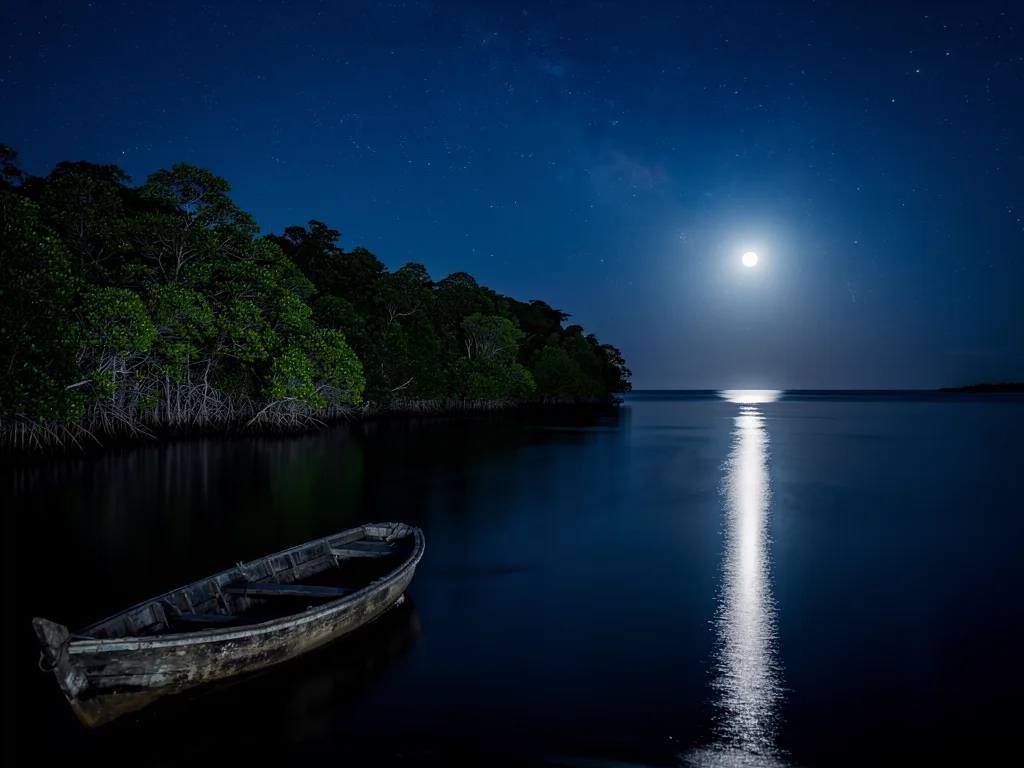
Imagine standing on the bow of a traditional wooden boat as the first light of dawn breaks over the Atlantic, the air thick with the scent of salt and mangroves. A massive silvery shape explodes from the water in a acrobatic leap — a giant Tarpon fighting with prehistoric power. This is not a fantasy. This is fishing in Sierra Leone, one of West Africa’s most exciting and least-visited angling destinations.
Sierra Leone offers some of the richest fishing grounds on the African continent. Its vast continental shelf, nutrient-rich estuaries, and remote archipelagos create perfect conditions for legendary Tarpon, enormous Barracuda, powerful Jacks, Cubera Snapper, and trophy pelagic species. Whether you dream of battling a world-record class Tarpon in the estuaries of Sherbro Island or chasing Sailfish and Yellowfin Tuna in the deep blue off the Banana Islands, this West African nation delivers an authentic, wild fishing experience.
In this comprehensive guide, you will find everything you need to plan your trip: do you need a fishing license in Sierra Leone, current regulations, the best fishing spots, detailed costs in local currency, EUR, and USD, guided tours and charters, practical travel information, and species-specific techniques. We address the needs of international travelers from Europe, North America, Asia, and beyond.
01Do You Need a Fishing License in Sierra Leone?
One of the most common questions from visiting anglers is: do you need a fishing license in Sierra Leone?
The answer depends on how you fish. Recreational fishing in Sierra Leone is overseen by the Ministry of Fisheries and Marine Resources (MFMR). For any fishing conducted from a motorized vessel, a license or permit is technically required. However, for the vast majority of international tourists who book through established charter operators or lodges, the necessary permit is included in the price of the tour. This significantly simplifies your planning.
Shore-based angling — fishing from the beach or rocky shoreline with a rod and reel — is widely considered free for personal recreational use and does not require a formal permit. This makes it an excellent low-cost option for travelers staying near Freetown or the coastal villages.
For those organizing their own boat, licenses fall into two main categories:
Application for individual licenses is handled through the Ministry in Freetown, but almost all visitors avoid this bureaucracy by using licensed operators. Charter companies and lodges such as those on the Banana Islands or in Bonthe maintain the required documentation and absorb the administrative costs.
Tip: Always confirm with your chosen operator at least four weeks before travel whether any closed season has been declared. Ministerial decrees can occasionally adjust closed periods.
Important note: Regulations may change. The information provided here is based on current policy from the Ministry of Fisheries and Marine Resources, but you should verify details directly with your lodge or the MFMR before departure.
02Fishing Regulations and Closed Seasons
Sierra Leone actively manages its marine resources to combat overfishing. The MFMR implements a one-month fishing ban each year, typically in April or sometimes February, to allow fish stocks to replenish. During this closed season, industrial and sometimes artisanal fishing activities are restricted. Recent announcements have seen the ban end with artisanal fishing reopening after the 30-day period.
Another crucial regulation is the Inshore Exclusion Zone (IEZ). Industrial trawlers are strictly prohibited from operating within 6 to 12 nautical miles (11–22 km) of the coast, depending on current updates. This zone protects the traditional fishing grounds used by local artisanal fishers and sport anglers.
Prohibited methods include the use of monofilament nets, explosives, or poisons — all strictly illegal. Protected species such as sea turtles, immature sharks, and certain rays must be released immediately if caught as by-catch.
When fishing in Sierra Leone, you are expected to follow sustainable practices. Many operators practice catch-and-release, especially for iconic species like Tarpon and large sharks.
For visitors bringing their own fishing equipment, keep quantities at personal-use levels. Customs officials may question large amounts of gear that appear intended for commercial resale. Similarly, exporting large quantities of fish for commercial purposes requires a specific license. For personal trophy fish, check with both the airline and the MFMR regarding health certificates.
03Best Fishing Spots in Sierra Leone — Where the Dreams Come True
The true magic of fishing in Sierra Leone lies in its diverse and largely untouched fishing spots. Each area offers different experiences, species, and levels of adventure.
Sherbro Island and Bonthe Estuary — The Tarpon Capital
Sherbro Island and the surrounding Bonthe Estuary are world-famous among serious anglers. The expansive estuary system between the island and the mainland has earned the nickname “world record factory” for Giant Tarpon. Sierra Leone holds multiple IGFA world records for Tarpon exceeding 240 lbs (109 kg). The mix of brackish water, deep channels, and abundant baitfish creates perfect conditions for these prehistoric fighters.
Fishing here is raw and spectacular. You drift or anchor in the early morning or late afternoon as the tide changes, presenting live bait or large plugs. When a big Tarpon strikes, the explosion on the surface and subsequent acrobatic leaps will stay with you forever. The scenery is breathtaking — thick mangroves, traditional fishing villages on stilts, and pristine sandy beaches.
Many visitors stay at Bonthe Holiday Village or similar lodges in the historic town of Bonthe. Reaching the area usually involves a combination of road travel from Freetown followed by a boat transfer, adding to the sense of genuine expedition.
Banana Islands — Reef Fishing and Big Game
Located just off the Freetown Peninsula, the Banana Islands are the most accessible and developed base for sport fishing in Sierra Leone. Clear waters, rocky reefs, and proximity to deeper offshore grounds make this the perfect location for a variety of techniques.
Target species include massive Guinean Barracuda, Jacks, Amberjack, Cubera Snapper, and Spanish Mackerel. Trolling with large lures or live bait around the reef edges produces explosive strikes. Popping and jigging have become increasingly popular as anglers target fish holding tight to structure.
Operators such as Banana Island Divers and Daltons Banana Guesthouse offer well-maintained boats, experienced local skippers, and equipment rental. The islands themselves are beautiful, with coconut palms, small villages, and excellent snorkeling when you are not fishing.
Turtle Islands — Remote and Pristine
For those seeking true wilderness, the Turtle Islands archipelago lies west of Sherbro Island. These remote islands feature shallow sandbanks and crystal-clear waters that are perfect for sight fishing Bonefish and targeting large Snappers and other reef species. The area remains relatively under-explored by sport anglers, offering the possibility of genuine discovery.
Trips to the Turtle Islands are usually multi-day expeditions and require careful planning and reliable operators.
Sierra Leone River Estuary near Freetown
Right on the doorstep of the capital, the Sierra Leone River Estuary offers high-energy waters with strong tidal flows. Anglers can target Cassin’s Croaker, Ladyfish (also called Cassava Fish), Barracuda, and various Snapper species. It is an excellent option if you have limited time or want to combine fishing with a city visit.
Sulima — Remote Southern Border Waters
Near the border with Liberia, the river mouth at Sulima offers fishing for large predators and Shark species (where permitted). This area is very remote and best visited with experienced local guides.
Each of these locations provides its own unique fishing experience. The combination of rich biodiversity, dramatic scenery, and the thrill of targeting powerful fish in tropical waters makes fishing in Sierra Leone truly unforgettable.
🎣 Fishing tours in Sierra Leone — Book guided fishing tours with local experts.
04Fish Species and Proven Techniques
Sierra Leone’s waters support an impressive variety of game fish. The star attraction is undoubtedly the Tarpon (*Megalops atlanticus*). These powerful fish can exceed 250 lbs (113 kg) and are known for their spectacular jumps and long, stubborn fights. The dry season from February to May often sees peak Tarpon activity.
Other key species include:
Techniques that work well in Sierra Leone waters include:
Serious anglers should consider bringing their own high-quality lures, heavy braid (at least 50–80 lb test for big Tarpon), and reliable reels. While basic gear can sometimes be rented, specialized tackle is difficult to find locally.
05Tours and Guided Experiences
Most visitors to Sierra Leone choose to fish with experienced local operators. This not only ensures compliance with regulations but also dramatically increases your chances of success.
Banana Island Divers and Daltons Banana Guesthouse are the most established operators for reef and big-game fishing. They provide boats, local skippers who know every reef and tide change, and equipment rental. Their half-day shared trips are popular with travelers looking for an introduction to West African fishing.
West Africa Hunting and Fishing Co., based at the Freetown Marina, operates high-end Astinor boats equipped for deep-sea trolling. They target Marlin, Sailfish, Tuna, and other pelagic species. Their experienced captains have extensive knowledge of seasonal movements.
For those obsessed with Tarpon, Bonthe Holiday Village serves as the primary gateway to the Sherbro River and estuary system. Multi-day packages including accommodation, meals, and guided fishing are available.
Silver Fish Lodge and other smaller operators also offer specialized trips, including liveaboard experiences for those wanting to explore more remote areas.
Prices typically include the boat, captain, fuel, and necessary permits. Many operators can arrange airport transfers, accommodation, and even visa assistance.
🚤 Charter fishing in Sierra Leone — Find and book charter boats with experienced captains.
06How Much Does It Cost? Budgeting Your Sierra Leone Fishing Trip
Fishing in Sierra Leone offers good value compared with other premium African destinations, but costs vary significantly depending on the style of trip.
Charter Prices (2026 estimates):
Accommodation:
Additional Costs:
A typical 7-day fishing trip including 5 full days of guided fishing, accommodation, most meals, and transfers would cost approximately $2,800–$4,500 (€2,600–€4,180) per person for a double occupancy package. This is significantly less than comparable trips in some other African nations while offering world-class fishing opportunities.
🛒 Fishing equipment for Sierra Leone — Find the right gear for your trip.
07Practical Travel Information for International Visitors
Best Time to Visit
The dry season from November to April offers the most comfortable weather and best fishing conditions. Temperatures typically range between 24–32°C (75–90°F) with lower humidity. Tarpon fishing peaks from February to May. The wet season (May to October) brings heavy rains and rougher seas, although some species remain active.
Travelers from the Northern Hemisphere will find the dry season aligns with their winter, making it an excellent escape from cold weather. Southern Hemisphere visitors can combine a Sierra Leone trip with other West African travel during their summer months.
Getting There and Getting Around
You will fly into Freetown-Lungi International Airport (FNA). The airport is located across the bay from Freetown proper. You must take a ferry or water taxi (approximately 30–45 minutes) to reach the mainland. Several operators run comfortable boats; prices are usually included in hotel or charter packages.
Once in the country, travel to fishing destinations often involves a mixture of road transfers and boat journeys. Domestic flights to smaller airstrips near Bonthe or other remote areas are sometimes available but not always reliable.
Visa Requirements
Most foreign nationals, including citizens of the EU, US, UK, Canada, Australia, Japan, and many other countries, require a visa to enter Sierra Leone. Single-entry visas typically cost $100–$160. E-visas are available through official government portals and can simplify the process. Always apply well in advance and check current requirements, as rules can change.
Language and Communication
English is the official language of Sierra Leone, which makes it relatively easy for international visitors to communicate. However, Krio (a Creole language) is widely spoken in daily life. Learning a few basic Krio phrases or using translation apps can enhance your experience with local fishing crews.
Mobile coverage is reasonable near Freetown and major towns but can be patchy in remote fishing areas. Consider purchasing a local SIM card upon arrival or using an international eSIM for data.
📱 Stay connected in Sierra Leone — Get an eSIM for affordable mobile data while traveling.
Health and Safety
Consult your doctor regarding recommended vaccinations (Yellow Fever is mandatory for entry). Malaria prophylaxis is strongly advised. Drink only bottled water. While Sierra Leone has made great progress in recent years, it is wise to follow standard travel safety precautions, especially in larger cities. Fishing operators and lodges are generally located in safer coastal areas.
What to Pack
🚗 Rent a car in Sierra Leone — Compare prices from 500+ rental companies worldwide.
08Frequently Asked Questions
Do you need a fishing license in Sierra Leone?
For fishing from motorized vessels, a license is required but is almost always included when you book through a registered charter operator or lodge. Shore fishing from beaches generally does not require a permit.
What is the best time for Tarpon fishing in Sierra Leone?
The peak period for giant Tarpon is February to May, although good fishing can be had throughout the dry season from November to April.
Is it safe to go fishing in Sierra Leone?
When traveling with established operators and staying at reputable lodges, fishing trips are generally safe. Always follow local advice regarding security and health precautions.
Can I bring my own fishing rods to Sierra Leone?
Yes. Keep quantities reasonable to avoid customs questions about commercial intent. Strong rods capable of handling 50–80 lb (23–36 kg) fish are recommended for Tarpon and large pelagic species.
Are there any closed seasons for fishing?
Yes. The Ministry of Fisheries and Marine Resources usually implements a one-month closed season. Confirm the exact dates with your operator before booking.
What is the biggest fish I can catch in Sierra Leone?
Tarpon over 240 lbs (109 kg) have been recorded, along with very large Barracuda, Tuna, and Sharks. World-class specimens are possible.
How do I get to the Banana Islands or Bonthe?
Most packages include transfers from Freetown. The journey usually involves road travel followed by boat transfers.
Is catch and release practiced?
Many operators promote catch and release, especially for Tarpon and protected species. Local communities also value sustainable practices.
09Conclusion
Fishing in Sierra Leone offers a rare combination of world-class angling, stunning natural beauty, and authentic West African culture. From the legendary Tarpon waters of Sherbro Island to the reef-fringed Banana Islands and the remote Turtle Islands, this destination promises memories that will last a lifetime.
Whether you are an experienced big-game angler chasing records or a traveler looking for an exciting addition to an African adventure, Sierra Leone delivers. The fishing is wild, the people are welcoming, and the experience feels like a true expedition.
Start planning your trip today. Contact reputable operators on the Banana Islands or in Bonthe, confirm the latest regulations with the Ministry of Fisheries and Marine Resources, and prepare yourself for some of the most exciting fishing in West Africa.
The Tarpon are waiting. The next world-record leap could be yours.
10Sources & Further Links
Disclaimer: This article is intended for informational purposes only. Fishing regulations in Sierra Leone can change rapidly via ministerial decrees. It is highly recommended to contact your lodge or charter operator 2-4 weeks before arrival to confirm current rules, closed seasons, and requirements. Always prioritize safety, sustainability, and local laws when fishing in Sierra Leone in 2026 and beyond.
Don't miss any fishing tips!
Get the best fishing destination recommendations weekly in your inbox.
No spam. Unsubscribe anytime.
Data incorrect?
Help us keep this article up to date — report outdated or incorrect information
More articles