
Picture this: you're drifting over electric-blue water, the silhouette of a volcanic island rising behind you, when your line screams off the reel as a yellowfin tuna explodes out of the Pacific. That is fishing in Fiji — and it is every bit as spectacular as it sounds. Spread across 330 islands in the South Pacific, Fiji is one of the world's most exciting fishing destinations, offering world-class game fishing, vibrant reef action, and an extraordinary underwater environment that few places on earth can rival.
Whether you are chasing marlin in the deep blue, stalking giant trevally over coral reef, or simply dropping a line from a beach at sunset, Fiji delivers. And the best news? Getting on the water is remarkably easy for international visitors. Read on to find out exactly how to plan your fishing trip to Fiji — from permits and regulations to the best spots, guided tours, and practical travel tips.
01Do You Need a Fishing License in Fiji?
Let's get straight to the point: tourists visiting Fiji do not need to obtain an individual recreational fishing license. This makes Fiji one of the most hassle-free destinations in the Pacific for visiting anglers.
The key is how you fish. Under Fiji's fisheries framework, every licensed commercial charter operator automatically covers their paying guests under their own commercial fishing license. So the moment you book a charter and step aboard a licensed vessel, you are legally covered — no paperwork, no permits, no queuing at a government office.
Tip: Always confirm that your chosen charter operator holds a valid commercial fishing license AND a Maritime Safety Authority of Fiji (MSAF) certificate before booking. Reputable operators will be happy to provide this information upfront.
Fishing from Shore or by Spear
Even simpler: under the Fiji Fisheries Act, a person who takes fish with a line from the shore or with a spear is not required to obtain a license at all. If you want to cast from the beach or go spearfishing (noting that the use of underwater breathing apparatus while collecting fish is strictly prohibited), you can do so freely — subject, of course, to local regulations and community protocols (see below).
Who Does Need a Commercial License?
If you intend to run fishing charters, sell fish commercially, or take paying guests out on your own boat, you will need a commercial fishing license from the Fiji Department of Fisheries. Applications can be made at Fisheries Department offices located at administrative centers and ports of entry around Fiji.
02Fiji Fishing Regulations: What Every Angler Must Know
While the license situation is simple, Fiji takes its marine conservation seriously. The regulations below apply to everyone — visitors and locals alike.
The iQoliqoli System: Respect for Traditional Fishing Rights
This is perhaps the most important cultural and legal concept for any angler visiting Fiji to understand. The word iQoliqoli (pronounced "ee-ngoli-ngoli") refers to traditional fishing grounds allocated to coastal communities across Fiji's islands. While the state retains ultimate ownership of the ocean, local villages hold tenure and the right to fish for subsistence from their designated reef areas.
What this means for you:
Minimum Size Limits
Fiji enforces minimum size requirements to allow juvenile fish to mature and reproduce. Key examples include:
Spawning Season Closures
Grouper and coral trout are protected during their spawning aggregation season, which runs approximately June to September. Fishing for these species during this period is restricted. This is ecologically critical — grouper spawning aggregations can be enormous but are also highly vulnerable to overfishing.
Fully Protected Species
| Species | Status in Fiji |
|---|---|
| Sea turtles (all species) | Fully protected — taking or killing prohibited |
| Humphead (Maori) Wrasse | Commercial harvest, sale, and export banned |
| Billfish (Marlin, Sailfish) | Cannot be retained (catch-and-release only) |
| Grouper (during spawning season) | Restricted June–September |
Important: Anyone caught selling sea turtles faces a fine of FJD 20,000 (approximately EUR 8,200 / USD 9,000) or up to five years imprisonment. These rules are enforced.
Prohibited Fishing Methods
Enforcement & Penalties
Violations of Fiji's fisheries regulations result in fines starting at FJD 500 (approximately EUR 205 / USD 225) and may include imprisonment for serious offences. Marine reserve violations and turtle-related offences carry significantly heavier penalties.
Tip: Download the 4FJmovement.org app for a digital version of Fiji's fisheries regulations and the Fiji Fisherman's Ruler — a handy size guide for common species.
03Best Fishing Spots in Fiji
Now for the part that will truly excite you. Fiji's geography — hundreds of islands surrounded by deep ocean channels, fringing reefs, lagoons, and river systems — creates an extraordinary diversity of fishing environments.
Viti Levu (The Main Island)
Viti Levu is Fiji's largest island and the hub for most international arrivals. The waters off Suva and the Coral Coast offer excellent reef fishing for snapper, grouper (outside spawning season), coral trout, and trevally. The rivers of the interior — particularly the Navua River — provide freshwater fishing opportunities for tilapia and introduced species, though they are better known for white-water rafting.
Pacific Harbour, on the south coast of Viti Levu, is widely regarded as Fiji's game fishing capital. This area sits close to deep oceanic channels where big pelagic fish cruise year-round. Operators here target marlin, yellowfin tuna, mahimahi (dorado), and wahoo, often within a short boat ride from shore.
Mamanuca and Yasawa Islands
These iconic island chains — stretching northwest of Viti Levu — offer phenomenal reef and light tackle fishing in crystal-clear, sheltered waters. The combination of coral bommies, sandy flats, and channels between islands creates perfect habitat for:
The shallow flats between islands also offer rare flats fishing opportunities — stalking giant trevally and other species on foot or by skiff in just a few feet of water.
Kadavu Island
Remote, largely undeveloped Kadavu lies about 100 km (62 miles) south of Viti Levu and is home to the Great Astrolabe Reef — one of the largest barrier reefs in the world. This is Fiji's secret fishing paradise. The reef's outer walls drop dramatically into deep water, concentrating huge numbers of pelagic fish close to shore.
Kadavu is exceptional for:
Getting to Kadavu requires a short flight or a long ferry ride from Viti Levu, but for serious anglers, it is absolutely worth the journey.
Savusavu and Vanua Levu
Fiji's second-largest island, Vanua Levu, and its main town of Savusavu offer a completely different vibe — relaxed, authentic, and far less touristed. The deep-water Somosomo Strait between Vanua Levu and Taveuni is world-famous for diving, but equally thrilling for fishing. Strong currents funnel baitfish through the strait, attracting enormous concentrations of pelagic predators.
Savusavu is a particularly good base for trolling offshore, targeting marlin and large tuna, and for exploring the many bays and reefs of the interior sea.
Turtle Island and the Northern Yasawas
The exclusive Turtle Island Resort in the northern Yasawa Islands offers some of Fiji's most pristine and lightly fished waters. The remoteness of this area means fish populations are healthy and boat traffic is minimal. Fishing here is an experience unto itself — remote reef systems, clear visibility, and a genuine sense of wilderness.
🎣 Fishing tours in Fiji — Book guided fishing tours with local experts.
04Target Species: What Can You Catch in Fiji?
Fiji's waters host an astonishing diversity of fish. Here is a rundown of the key target species:
Offshore / Pelagic Species
| Species | Local Name | Best Time | Notes |
|---|---|---|---|
| Blue Marlin | Ivorovo | Year-round, peak Oct–Apr | Catch-and-release only |
| Black Marlin | Ivorovo | Year-round | Catch-and-release only |
| Yellowfin Tuna | Kakava | Year-round | Excellent eating; can exceed 100 kg |
| Wahoo | — | Year-round | Fast, explosive striker |
| Mahimahi / Dorado | — | Year-round | Acrobatic and delicious |
| Sailfish | — | Oct–Apr | Catch-and-release encouraged |
Reef & Inshore Species
| Species | Notes |
|---|---|
| Giant Trevally (GT) | The reef gladiator — pound for pound, one of the hardest-fighting fish anywhere |
| Dogtooth Tuna | Powerful deep-reef fighter |
| Coral Trout | Restricted during spawning season (June–Sept) |
| Red Snapper | Excellent eating; common on most reefs |
| Barracuda | Aggressive striker on lures |
| Mahi-Mahi | Often found in coastal waters too |
| Spangled Emperor | Superb table fish |
Billfish Note
All billfish (marlin, sailfish) in Fiji are subject to catch-and-release regulations. These magnificent fish cannot be retained, and all reputable charter operators practice and enforce this policy. Photograph your catch, then send it back.
05Guided Fishing Tours & Charters in Fiji
The easiest and most enjoyable way to experience Fiji's fishing is through a professional charter. Beyond the legal convenience (their license covers you), local captains know the productive spots, understand seasonal patterns, and bring all the gear — leaving you to focus entirely on the fishing.
What's Available
Half-day charters (4 hours): Perfect for families or those with limited time. Usually focuses on reef fishing or inshore trolling for smaller pelagics. Cost: approximately USD 300–500 / EUR 275–460 for a private charter.
Full-day charters (8+ hours): The standard option for serious anglers targeting offshore species. Includes fuel, tackle, bait, and usually food and drinks. Cost: approximately USD 600–900 / EUR 550–825 for a private charter.
Overnight and multi-day expeditions: For the most adventurous — heading to remote reefs and offshore grounds that day-trip boats can't reach. Some operators run dedicated overnight bluewater trips targeting marlin and large tuna. Cost: USD 1,000–1,500+ / EUR 920–1,380+ per day.
Where to Book
Most of Fiji's main fishing charter bases are located in:
Many resort hotels — particularly those on the smaller outer islands — offer fishing as part of their activities program, often using dedicated resort boats.
Tip: When booking, ask specifically whether the operator holds both a commercial fishing license AND a Maritime Safety Authority of Fiji (MSAF) certificate. These are legal requirements for all commercial fishing operators in Fiji.
🚤 Charter fishing in Fiji — Find and book charter boats with experienced captains.
06Best Time to Fish in Fiji
Fiji sits roughly 18 degrees south of the equator, giving it a tropical climate with warm water year-round. However, there are two distinct seasons that affect fishing.
Dry Season: May to October
Wet Season: November to April
For Visitors from Different Hemispheres
Tip: October and November sit at the sweet spot — the wet season is beginning (marlin moving in), the dry season isn't fully over (reasonable weather), and spawning closures have lifted. Many experienced anglers consider this the best month to visit.
07Gear and Equipment
Most charter operators in Fiji provide all tackle, rods, reels, and bait for their trips. However, if you are an avid angler who prefers their own gear, here is what to consider bringing:
Note: If you plan to bring your own fishing equipment into Fiji, declare it on arrival. Fiji Customs requires declaration of sporting equipment. Generally no restrictions apply, but biological materials (bait, fish) are strictly regulated.
🛒 Fishing equipment for Fiji — Find the right gear for your trip.
08Practical Travel Information for Fiji
Getting There
Fiji's main international airport is Nadi International Airport (NAN) on Viti Levu. Direct flights operate from:
A second international gateway is Suva/Nausori Airport (SUV), with connections to Pacific Island nations and some Australian cities.
Visa Requirements
Fiji operates a relatively open entry policy for most nationalities:
| Nationality | Visa Required? |
|---|---|
| EU citizens (Schengen area) | No visa — up to 4 months on arrival |
| UK citizens | No visa — up to 4 months on arrival |
| US citizens | No visa — up to 4 months on arrival |
| Australian/NZ citizens | No visa — up to 4 months on arrival |
| Canadian citizens | No visa — up to 4 months on arrival |
| Japanese citizens | No visa — up to 4 months on arrival |
| South African citizens | Visa required — apply in advance |
| Most other nationalities | Check with Fiji Immigration |
Always carry a valid passport (minimum 6 months validity), a return ticket, and proof of sufficient funds.
Currency and Costs
Fiji's currency is the Fijian Dollar (FJD). Approximate exchange rates (subject to change):
ATMs are widely available in Nadi, Suva, and larger towns, but limited on outer islands. Credit cards are accepted at resorts and major operators. Bring cash for smaller operators and island villages.
Rough cost guide for fishing visitors:
Getting Around
Language
Fiji has three official languages: English, Fijian (iTaukei), and Fijian Hindi. English is widely spoken throughout the tourism industry, in shops, and in government offices — international visitors will have no communication difficulties with charter operators and resort staff.
Learning a few basic Fijian phrases is appreciated and warmly received:
Health and Safety
🏨 Accommodation near fishing spots in Fiji — Find hotels and lodges close to the best waters.
09Conservation and Responsible Fishing in Fiji
Fiji's extraordinary marine environment exists because of its relative remoteness and, increasingly, because of active conservation efforts by local communities and government. As a visiting angler, you play an important role:
Fiji's reefs and fish populations are a global treasure. Thoughtful, responsible fishing ensures they remain spectacular for generations of anglers to come.
10FAQ: Fishing in Fiji
Do I need a fishing license to fish in Fiji as a tourist?
No. Visitors cannot apply for individual recreational fishing licenses in Fiji. Instead, licensed commercial charter operators cover all guests under their commercial fishing license. If you fish from the shore with a line or use a spear, no license is required at all.
Can I go fishing independently without a charter in Fiji?
Yes — fishing from the shore or by spear is permitted without a license. However, if you wish to fish from a boat, you should either book a licensed charter operator or be aware that fishing in an iQoliqoli area without permission from the local village may be culturally inappropriate and potentially in violation of local rules.
What is the best time of year to fish in Fiji?
Fiji offers year-round fishing. The wet season (November–April) is peak season for bluewater game fish including marlin, sailfish, wahoo, and yellowfin tuna. The dry season (May–October) offers excellent reef fishing and more stable weather, but note that grouper and coral trout are restricted during their spawning season (June–September).
What species can I keep when fishing in Fiji?
Many reef species can be retained within size limits — including snapper, trevally, barracuda, and emperor. Billfish (marlin, sailfish) must be released. Grouper and coral trout are restricted during the June–September spawning season. Sea turtles, humphead wrasse (for commercial purposes), and trochus shells under 90 mm are fully protected.
How much does a fishing charter cost in Fiji?
A half-day private charter typically costs USD 300–500 (EUR 275–460 / FJD 690–1,150). Full-day charters run USD 600–900 (EUR 550–825 / FJD 1,380–2,070). Multi-day offshore expeditions cost USD 1,000–1,500+ per day.
Is it safe to fish in Fiji?
Yes — Fiji is a safe and welcoming destination for international visitors. All commercial fishing operators are required to hold a Maritime Safety Authority of Fiji (MSAF) certificate. The main hazards are environmental: intense sun, occasional rough sea conditions, and reef hazards (stonefish, sea urchins). Travel insurance with evacuation coverage is strongly recommended.
Do I need to declare my fishing gear at Fiji customs?
Yes. Sporting equipment including fishing tackle should be declared on your arrival form. Generally no restrictions apply to rods, reels, and lures, but biological materials such as bait and fish are strictly regulated.
What is a sevusevu and do I need one for fishing in Fiji?
A sevusevu is a traditional gift offering — usually a bundle of dried kava root — presented to a village chief when entering a community's traditional territory. If you plan to fish in the traditional waters (iQoliqoli) of a coastal village, presenting a sevusevu and asking permission is both culturally expected and the correct procedure. Your charter operator will advise you on this.
11Conclusion
Fishing in Fiji is not just an angling experience — it is an adventure that combines some of the world's most spectacular marine environments with warm island culture, stunning scenery, and fish that will test you to your limits. From marlin charges in the deep blue off Pacific Harbour to giant trevally ambushes on a remote Yasawa reef, Fiji delivers memorable moments that stay with anglers for a lifetime.
The regulatory framework is straightforward: book a reputable licensed charter, respect local community fishing rights, observe conservation rules around protected species, and practice catch-and-release for billfish. Do these things and you will have an incredible time while helping to protect the fishery that makes Fiji so special.
Start planning your Fiji fishing adventure today — the fish are waiting.
12Sources & Further Links
*Disclaimer: The information in this article was researched and compiled in 2026 to the best of our knowledge. Fishing regulations, license requirements, fees, and protected species designations in Fiji may change without notice. Always verify current rules with the Fiji Department of Fisheries and your charter operator before your trip. Visa and entry requirements vary by nationality and may also change — check with your nearest Fijian embassy or the official Fiji Immigration Department website before travelling. The authors and publishers of this article accept no liability for decisions made based on information contained herein.*
Recommended tours
Fishing trips in Fiji
Curated tours & charters with price and click data from our partner dashboards.
 FishingBooker
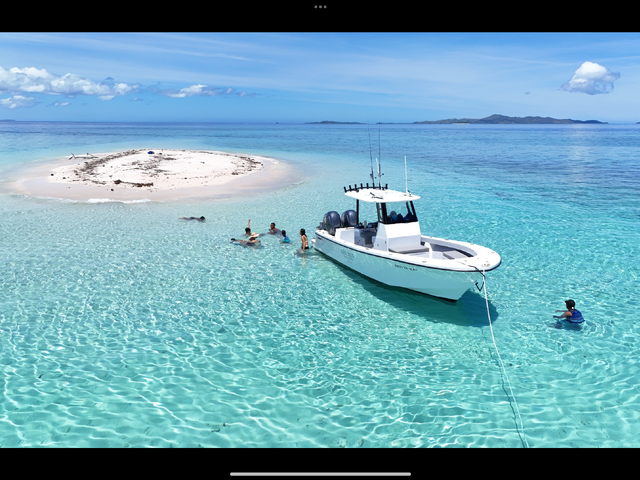
Locals Offshore Fiji
 FishingBooker
Malolo Fisher Sports - Xtreme
 FishingBooker
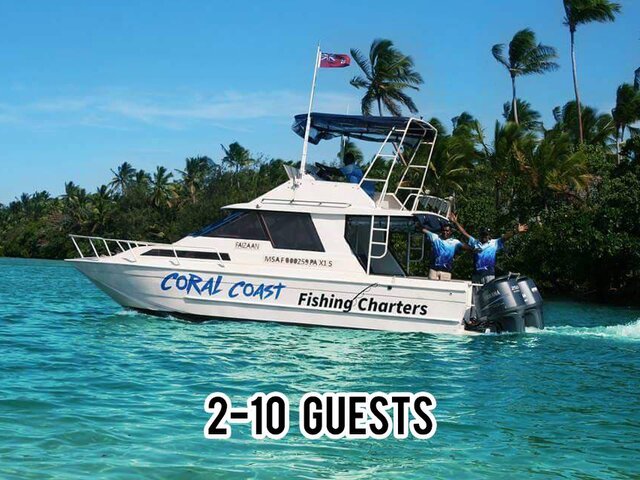
Coral Coast Fishing Charters
Don't miss any fishing tips!
Get the best fishing destination recommendations weekly in your inbox.
No spam. Unsubscribe anytime.
Read more
Data incorrect?
Help us keep this article up to date — report outdated or incorrect information
More articles