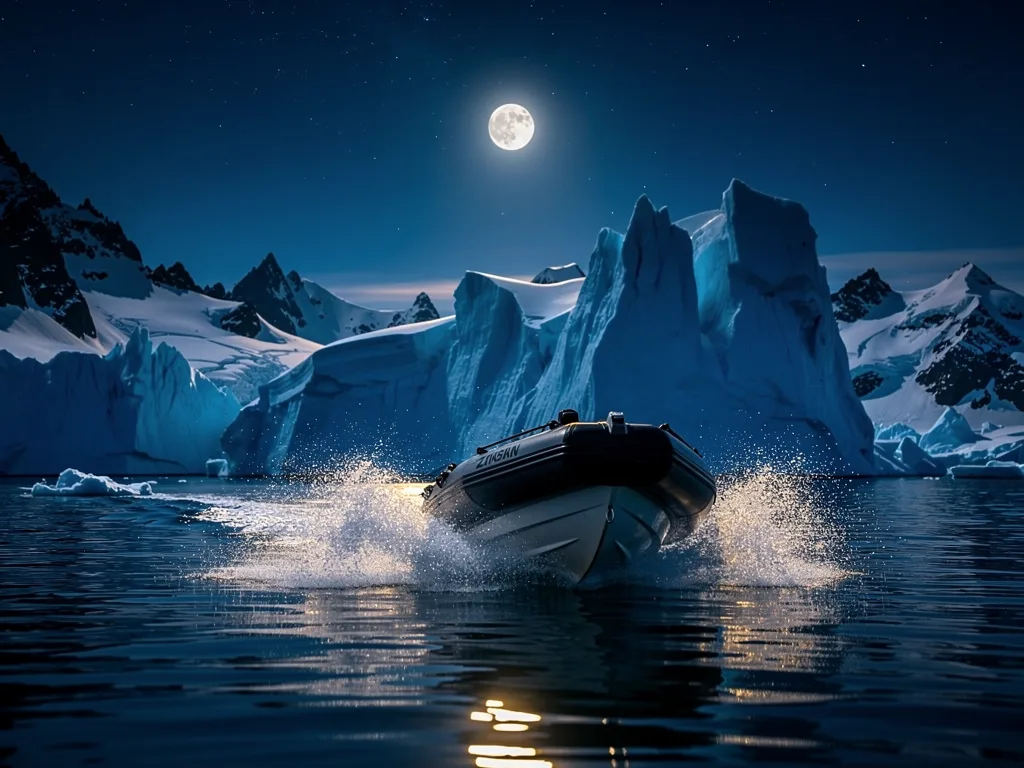
Antarctica represents one of the last true wildernesses on Earth — a vast, icy frontier where fishing in Antarctica is strictly regulated and recreational angling for tourists is effectively prohibited. If you are dreaming of casting a line for Antarctic toothfish in the Ross Sea or dropping a jig near the Antarctic Peninsula, this comprehensive guide will explain exactly why that dream must remain on hold and what you *can* do instead.
Whether you are an international angler from Europe, the United States, the United Kingdom, Japan, or Australia, understanding the unique legal framework governing the continent south of 60°S is essential. The Antarctic Treaty System, the Commission for the Conservation of Antarctic Marine Living Resources (CCAMLR), and the guidelines of the International Association of Antarctica Tour Operators (IAATO) collectively ensure that the region remains devoted to peace and science — not sport fishing.
This article provides everything you need to know before booking an Antarctic expedition: the complete absence of recreational fishing licenses, the severe penalties for breaking the rules, the breathtaking marine ecosystems you will still experience, practical travel information, and how to visit responsibly. We will also explore the limited contexts in which fishing does occur — purely scientific research and tightly controlled commercial operations — and suggest alternative destinations where you can target similar species under more accessible conditions.
01Do You Need a Fishing License in Antarctica?
The short answer is simple: no recreational fishing licenses are issued for Antarctica, and you cannot obtain one. Unlike almost every other fishing destination on the planet, the Antarctic Treaty designates the entire area south of 60° South latitude as a "natural reserve devoted to peace and science." Within this framework, recreational fishing by private individuals or tourists is not permitted.
There is no national fisheries authority that issues "Angelscheine" or fishing permits for leisure use. Instead, all human activity — including any potential interaction with marine life — falls under a complex web of international agreements and operator-specific policies. Almost every cruise operator and expedition company active in Antarctica is a member of IAATO. Their binding guidelines explicitly prohibit guests from fishing while aboard vessels or during shore excursions.
Important Note: These rules exist to protect one of the most pristine and fragile marine ecosystems on Earth. The Antarctic food web, anchored by krill, supports everything from penguins and seals to the iconic Antarctic toothfish (*Dissostichus mawsoni*). Even minor interference through recreational fishing could have cascading effects. Regulations may change, so always verify the latest requirements directly with IAATO, CCAMLR, and your chosen expedition operator before departure.
Scientific researchers and commercial fishing vessels operate under entirely different permitting regimes, which we will explore in detail below.
02Understanding the Regulatory Framework: CCAMLR, IAATO & the Antarctic Treaty
To truly appreciate why recreational fishing in Antarctica is impossible for tourists, you must understand the three pillars of governance:
The Antarctic Treaty System
Signed in 1959 and now with 56 signatory nations, the Treaty and its associated protocols (especially the 1991 Madrid Protocol on Environmental Protection) form the foundation. Any activity — including potential fishing — must demonstrate it will have less than "minor or transitory" impact on the environment.
CCAMLR – Commission for the Conservation of Antarctic Marine Living Resources
Established in 1982, CCAMLR manages all fishing activities in the Southern Ocean. Its conservation-minded approach sets strict catch limits, monitors bycatch, and uses a vessel licensing system. Only a small number of authorized vessels (listed publicly on the CCAMLR website) may fish for species such as Patagonian toothfish and Antarctic toothfish using longlines. These operations are heavily monitored with onboard observers, VMS (Vessel Monitoring Systems), and rigorous reporting. Recreational or sport fishing is not part of CCAMLR’s mandate.
IAATO – International Association of Antarctica Tour Operators
IAATO represents the vast majority of Antarctic tourism operators. Their guidelines, updated regularly and submitted to the Antarctic Treaty Consultative Meeting, explicitly state that fishing is not an approved activity for visitors. The 2025 IAATO guidelines reinforce that tourists must not disturb wildlife, remove any biological material, or introduce non-native species. Fishing gear could potentially transfer invasive organisms, making it incompatible with biosecurity protocols.
Penalties for violations are significant. Depending on your nationality, you could face fines, criminal prosecution under your home country’s implementing legislation (for example, the U.S. Antarctic Conservation Act or the UK’s Antarctic Act 1994), and permanent bans from future expeditions. Tour operators routinely cancel trips or disembark passengers who refuse to comply.
03Scientific Fishing vs. Commercial Fishing in Antarctica
While recreational angling is banned, two other forms of fishing activity do occur under strict oversight:
Scientific Fishing and Research Permits
Scientists from authorized national programs (such as those run by the United States National Science Foundation, British Antarctic Survey, or Germany’s Alfred Wegener Institute) may conduct limited fishing for research purposes. These activities require permits from the researcher’s home government and must be notified to the Antarctic Treaty Secretariat. Samples collected contribute to vital studies on climate change, ecosystem health, and fish stock assessment. Equipment must be thoroughly decontaminated to prevent the introduction of foreign microbes or species.
Commercial Toothfish and Krill Fisheries
The only legal commercial operations are managed by CCAMLR. The Antarctic toothfish fishery is renowned for its sustainability credentials; fish are caught individually on longlines in deep water (often 1,000–2,000 meters). The Patagonian toothfish, often marketed as Chilean sea bass, is also taken under quota in sub-Antarctic waters. These fisheries generate significant economic value but operate under some of the strictest monitoring regimes in the world. Tourists cannot join these vessels.
If you are a researcher interested in applying for a scientific permit, contact your national Antarctic program well in advance — often 12–24 months — and prepare detailed environmental impact assessments.
04Best “Fishing” Experiences in Antarctica: Observation Instead of Extraction
Although you cannot catch fish, the marine wildlife encounters during an Antarctic expedition are world-class. Many visitors describe the experience as more rewarding than traditional angling because you witness the ecosystem in its full, undisturbed glory.
Ross Sea
Often called the “Last Ocean,” the Ross Sea offers some of the planet’s most pristine waters. While commercial longliners occasionally target Antarctic toothfish here under CCAMLR quotas, as a tourist you will marvel at Emperor penguins, killer whales, and the colossal icebergs. The scenery is nothing short of breathtaking — imagine standing on deck at –2 °C (28 °F) watching minke whales surface against a backdrop of the Transantarctic Mountains.
Antarctic Peninsula
The most visited region, reachable from Ushuaia in Argentina. Here you can observe leopard seals hunting, gentoo and chinstrap penguins diving, and humpback whales feeding on krill. Scientific teams sometimes conduct fish surveys near research stations such as Palmer Station (USA) or Rothera (UK), providing rare glimpses into the underwater world.
Weddell Sea
A more remote and ice-heavy region famous for its spectacular tabular icebergs and historical significance (Shackleton’s Endurance). The ecosystem here is particularly sensitive; strict visitor guidelines limit even the number of people who may go ashore.
South Shetland Islands and South Orkney Islands
These areas see both tourism and limited commercial krill fishing. As a visitor, you will enjoy zodiac cruises among towering glaciers while learning about the central role of Antarctic krill in the food chain.
What you will see instead of catching fish:
These observations create lifelong memories and foster a deeper appreciation for why the region must remain protected.
Tip: Bring high-quality binoculars (10x42 or higher), a waterproof camera with a telephoto lens (at least 400 mm), and warm, layered clothing. Many expedition ships provide naturalist guides who explain the marine ecosystem in detail.
05Tours & Guided Experiences in Antarctica
There are no fishing tours or charter boats offering recreational angling in Antarctica. Any company advertising “Antarctic fishing trips” is either operating illegally or referring to sub-Antarctic locations such as the Kerguelen Islands or South Georgia (where rules are also highly restrictive).
Instead, the market consists exclusively of expedition cruises and fly-cruise options focused on wildlife viewing, photography, education, and citizen science. Prices vary considerably based on vessel type, cabin category, and itinerary length.
Typical Expedition Costs (2026–2027 season estimates)
| Experience Type | Duration | Price per Person (USD) | Price per Person (EUR) | Approximate Local Equivalent |
|------------------------------|--------------|-------------------------|-------------------------|------------------------------|
| Classic Antarctic Peninsula | 10–12 days | $7,000 – $12,000 | €6,400 – €11,000 | Cost of a new economy car |
| Ross Sea Deep Field Expedition | 21–28 days | $25,000 – $45,000 | €23,000 – €41,000 | Luxury SUV or small apartment down payment |
| Luxury Icebreaker Expedition | 14–23 days | $15,000 – $35,000 | €13,700 – €32,000 | Business-class round-the-world ticket |
| Fly-Cruise (avoiding Drake Passage) | 7–10 days | $12,000 – $22,000 | €11,000 – €20,000 | High-end European ski holiday |
These prices include meals, lectures by scientists, zodiac landings, and often kayaking or camping options. Fishing equipment is neither provided nor permitted.
Popular reputable operators include Quark Expeditions, Hurtigruten Expeditions, Lindblad Expeditions–National Geographic, Aurora Expeditions, and Oceanwide Expeditions. All are IAATO members and follow strict environmental protocols.
🎣 Fishing tours in Antarctica — Book guided wildlife and educational expeditions with local experts (Note: No actual fishing allowed).
🚤 Charter fishing in Antarctica — Find and book expedition vessels with experienced captains (fishing not permitted).
06Practical Travel Information for International Visitors
Best Time to Visit
The only viable travel window is the Antarctic summer (November to March). During this period, temperatures range from –10 °C to +2 °C (14 °F to 36 °F), sea ice retreats, and there is almost 24-hour daylight. Peak season (December–January) offers the warmest weather and most accessible landings. Shoulder months (November, February, March) provide fewer crowds and excellent photography opportunities with dramatic light.
Travelers from the Northern Hemisphere should plan for summer trips that coincide with their winter. Southern Hemisphere visitors enjoy the convenience of a “local” summer season.
How to Get There
Most expeditions depart from:
Visa and Permit Requirements:
All visitors are required to undergo biosecurity screening — boots and clothing are vacuumed and disinfected to prevent invasive species transfer.
What to Pack (Since Fishing Gear Stays Home)
Leave all fishing rods, lures, tackle boxes, and bait at home. Even clean fishing gear may be confiscated during biosecurity checks.
📱 Stay connected in Antarctica — Get an eSIM for affordable mobile data while traveling (satellite coverage is limited and expensive).
Language Considerations
English is the working language on almost all international expeditions. However, many crew members also speak Spanish, German, French, or Mandarin. Download offline translation apps (Google Translate with downloaded language packs) as satellite internet is costly and unreliable. Key phrases to learn in Spanish (for South American gateways) include basic greetings and environmental awareness statements.
07Alternative Destinations for Similar Species
If your primary goal is catching toothfish relatives or experiencing polar fishing, consider these regulated but accessible options:
These locations still require research and permits but offer actual rod-and-reel opportunities unavailable on the Antarctic continent.
08Costs Breakdown: What to Expect for an Antarctic Expedition
Beyond the base tour price, budget for:
A typical 12-day Antarctic Peninsula expedition therefore totals roughly €9,000–€16,000 ($9,800–$17,400) per person when all costs are included — comparable to a luxury safari in Africa or a high-end ski season in the Alps.
Tip: Book 12–18 months in advance. The most sought-after vessels and cabins sell out quickly. Many operators offer early-bird discounts of 10–20 %.
09FAQ – Frequently Asked Questions about Fishing in Antarctica
Can I go fishing in Antarctica as a tourist?
No. Recreational fishing is prohibited by IAATO guidelines and the spirit of the Antarctic Treaty. No licenses are issued for leisure angling.
Is there any way to get a fishing permit for Antarctica?
Only for legitimate scientific research or authorized commercial fishing under CCAMLR quotas. These are not available to private individuals.
What happens if I try to fish anyway?
You risk immediate removal from the expedition, substantial fines, potential criminal charges in your home country, and a lifetime ban from future Antarctic travel.
What fish live in Antarctic waters?
Antarctic toothfish, Patagonian toothfish, icefish with clear blood, various notothenioids, and the ecologically vital Antarctic krill (a crustacean).
Can I keep any fish or shells I find on the beach?
No. The removal of any biological material is strictly forbidden without scientific permits.
What is the best time to visit Antarctica from Europe or North America?
November to March. December and January offer the most comfortable conditions and longest daylight.
Do expedition ships have fishing equipment on board?
No. All IAATO-member vessels prohibit fishing gear.
Are there any sub-Antarctic islands where fishing is allowed?
Some locations have extremely limited opportunities under strict permit systems, but these are generally reserved for local residents or require lengthy approval processes.
10Conclusion: Becoming a Steward of the Antarctic
Fishing in Antarctica is not possible for recreational anglers — and that is precisely what makes the continent so special. By choosing not to fish, you become part of an international community dedicated to preserving one of Earth’s greatest natural treasures.
Instead of returning home with a cooler full of fish, you will bring back something far more valuable: firsthand knowledge of a fragile ecosystem, unforgettable memories of wildlife encounters, and a deepened commitment to global conservation. The Antarctic teaches us that sometimes the greatest angling experience is simply watching, learning, and leaving no trace.
Book your expedition with a reputable IAATO operator, follow every biosecurity rule, and become an ambassador for this irreplaceable wilderness. The fish will still be there — protected, wild, and vital to the planet’s health — long after your journey ends.
Call to action: Start planning your responsible Antarctic adventure today. Research IAATO-member operators, speak with polar travel specialists, and prepare for the trip of a lifetime that will change how you see the world — without ever needing to wet a line.
11Sources & Further Links
Disclaimer: This article is for informational purposes only. Fishing and travel regulations change frequently. Always consult official sources including CCAMLR, IAATO, the Antarctic Treaty Secretariat, and your chosen tour operator for the most current requirements. The information reflects conditions as of 2026. The authors and FishingWorldGuide.com assume no liability for any actions taken based on this guide. Respect the Antarctic environment — take only photographs, leave only footprints.
Don't miss any fishing tips!
Get the best fishing destination recommendations weekly in your inbox.
No spam. Unsubscribe anytime.
Data incorrect?
Help us keep this article up to date — report outdated or incorrect information
More articles