Inshore Fishing
Coastal fishing near shore — bays, estuaries, mangroves, beaches. Light tackle, sight-fishing, accessible for all skill levels.
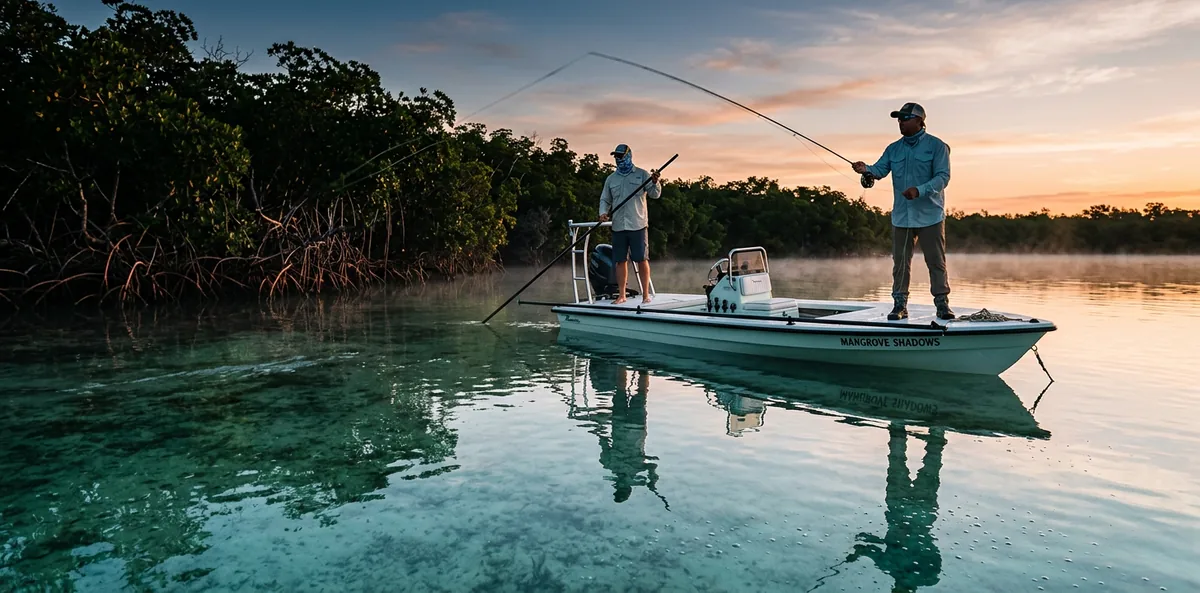
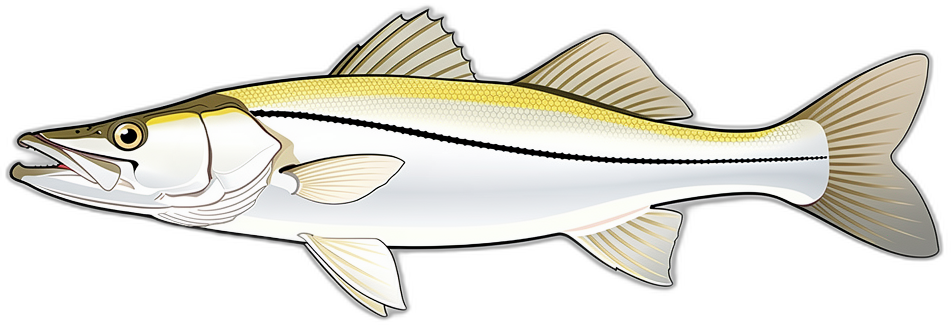
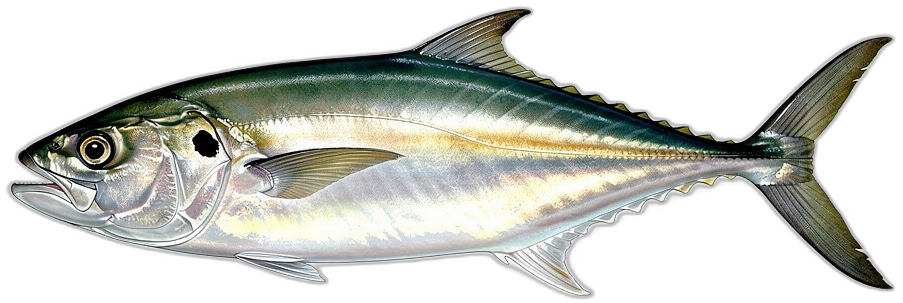
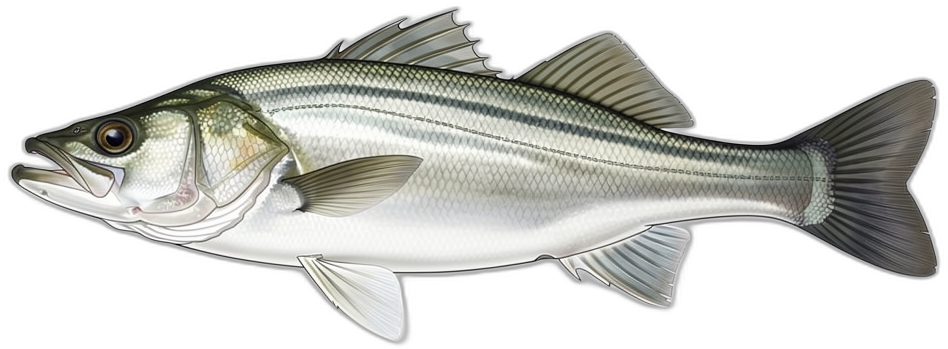
Inshore fishing covers the protected waters within sight of land: bays, estuaries, mangrove flats, beach surf, river mouths, and harbor structures. Depths run 1–10 meters, often less. The targets are red drum, snook, seatrout, flounder, striped bass, jack crevalle, sea bass, and a long list of regional species.
What makes inshore special is the pace and the proximity. Boats are 18–24 ft skiffs, bay boats, or center-consoles. The captain poles the flats or runs short distances between honey-holes — never more than a few miles from shore. Tides drive the fishing more than time-of-day: incoming tide pushes bait into the mangroves, outgoing tide concentrates predators at outflows. A good guide reads the tide chart before the moon phase before the weather.
Inshore tackle is light: 7-foot spinning rods, 10–20 lb braid, fluorocarbon leaders. Lures are soft plastics on jig heads, topwaters at dawn and dusk, suspending twitchbaits, gold and silver spoons. Live bait is king for many species — shrimp, mullet, pinfish, menhaden.
Inshore is the gateway charter: kid-friendly, half-day options, calm water, frequent action. Once anglers learn to read structure and tides here, they graduate to offshore. Florida's flats, Louisiana's marshes, Cape Cod, North Carolina sounds, the Chesapeake Bay, and tropical estuaries (Costa Rica, Mexico, Belize) are world-class inshore fisheries.
Target species



Recommended techniques
Tackle & equipment
Top destinations
Safety & regulations
Shallow water + oyster bars + mangrove roots can damage props and hulls — local guide knows. Sudden afternoon thunderstorms in tropics. Rip currents at inlets. Sting rays in Florida flats — shuffle your feet wading. Some inshore species have strict slot limits (red drum, snook, striped bass).
Related trip types
Reef Fishing
Bottom + drift fishing over coral and rocky reef structures for grouper, snapper, jacks. Action-packed, family-friendly.
Bottom Fishing
Vertical bait-on-the-bottom for groupers, snappers, halibut, lingcod. Reliable producer, technical in deep water.
Flats Fishing
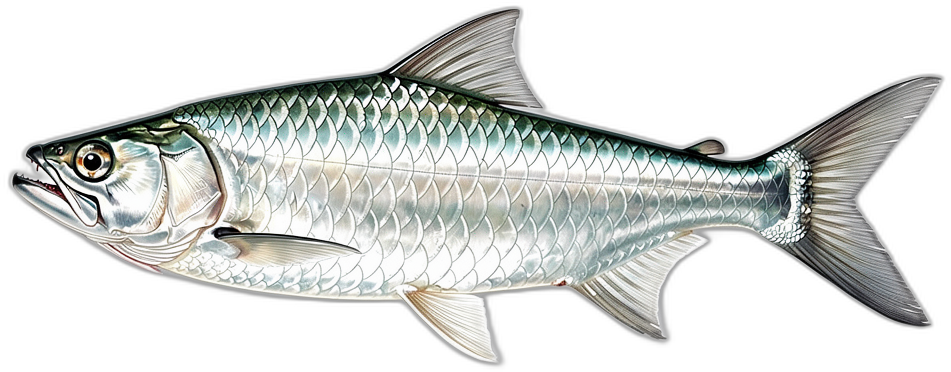
Sight-fishing knee-deep saltwater flats for bonefish, permit, tarpon. The most demanding visual style in fishing.