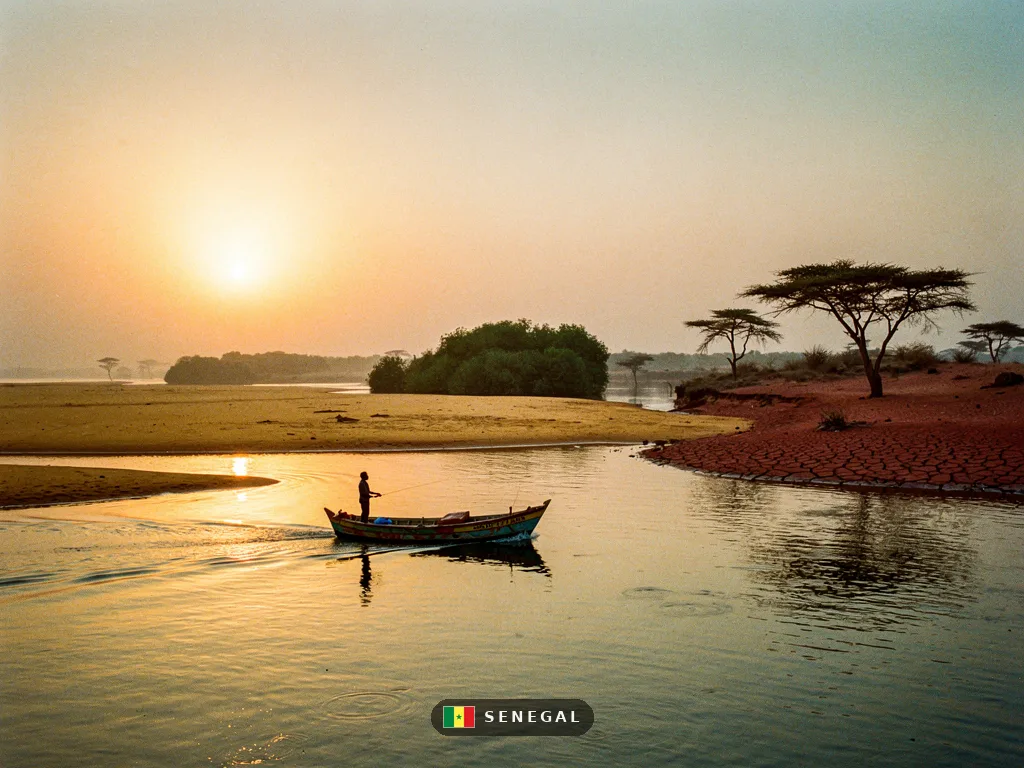
Imagine standing on the bow of a powerful offshore boat as the Atlantic breeze carries the scent of salt and promise. Suddenly, your rod doubles over with the unmistakable power of a Blue Marlin tearing across the surface. Or picture yourself in the heart of the Sine-Saloum Delta, where ancient mangrove forests echo with the splash of a massive tarpon exploding on your lure. This is fishing in Senegal — one of West Africa’s most productive and diverse saltwater destinations.
Thanks to the nutrient-rich upwelling currents along its 700 km coastline, Senegal offers world-class opportunities for big game fishing, estuary angling, and inshore reef adventures. Whether you dream of battling sailfish off Dakar, targeting the legendary national fish “Thiof” (White Grouper) over rocky bottoms, or chasing Giant Tarpon in the mangrove labyrinths of Casamance, this guide covers everything you need to plan an unforgettable trip.
In this comprehensive 2026 guide, you will learn exactly how to obtain your fishing permit in Senegal, discover the best fishing spots in Senegal, understand current regulations, compare charter prices in local currency, EUR, and USD, and receive practical travel advice for international anglers from Europe, North America, Asia, and beyond. We address visa requirements, health precautions, language tips, and much more to help you fish responsibly and successfully in this vibrant West African nation.
01Do You Need a Fishing License in Senegal?
Yes, you need a fishing permit for almost all forms of angling in Senegal. The country has modernized its fisheries management through the Maritime Fisheries Code (Law 2015-18) to promote sustainability while supporting tourism. All recreational, sport, and artisanal fishing activities are regulated by the Ministère des Pêches et de l’Économie Maritime (MPEM) and its operational branch, the Direction des Pêches Maritimes (DPM).
For international visitors, the easiest and most common way to comply is to book your trip through a licensed charter operator or accredited fishing center. These professionals typically include the necessary sport fishing permit (sometimes called “Permis de Pêche de Loisir” or “Redevance”) in the price of your excursion. This saves you from navigating bureaucratic processes in French and ensures you fish legally.
If you prefer independent fishing — for example, surfcasting from beaches in Saint-Louis or shore angling in the Petite Côte — you must apply in person or through an agent at the DPM offices, usually in Dakar. Permits are issued in different categories:
Sport Fishing Permits generally cost between 10,000 and 30,000 FCFA per trip or duration (approximately 15–45 EUR / 16–49 USD). Annual or multi-month licenses exist but are more relevant for residents or commercial operators. Always confirm the latest fees directly with the operator or the official ministry website, as rates can be adjusted annually.
Tip: Most reputable charter companies handle the permitting process for you. When booking, simply ask for confirmation that the “Redevance” or sport fishing permit is included. This removes stress and ensures full compliance with Senegalese law.
Regulations may change, so always verify current requirements before travel. The official source for up-to-date information is the Ministère des Pêches et de l’Economie Maritime.
02Fishing Rules and Regulations in Senegal
Senegal takes fisheries conservation seriously. The Maritime Fisheries Code (Law 2015-18) and its implementing decrees establish clear rules designed to protect stocks while allowing sustainable sport fishing.
Key regulations that affect recreational anglers include:
Export of fish for personal consumption is generally allowed up to approximately 10 kg per person, but you must declare it at customs and may need a sanitary certificate for larger quantities or air transport.
Important Note: While enforcement for casual tourists is generally reasonable, authorities are increasing monitoring, especially around Dakar and in the Sine-Saloum Delta. Fishing without proper permits or in protected zones can result in significant fines or confiscation of equipment.
For the complete official text, refer to the Maritime Fisheries Code available through FAOLEX and the ministry website.
03Best Fishing Spots in Senegal: Where to Make Your Dreams Come True
Senegal’s waters are remarkably rich. The seasonal upwelling brings cold, nutrient-dense water to the surface, creating one of the most productive marine ecosystems in the tropical Atlantic. Here are the top destinations that consistently deliver unforgettable fishing experiences.
Dakar and Cap Vert Peninsula – Big Game Paradise
The offshore waters beyond Dakar are famous for their blue-water action. From May to November, this is one of the best places in West Africa to target Blue Marlin, White Marlin, Sailfish, Wahoo, and large Tuna. The continental shelf drops sharply, and the Canary Current creates perfect conditions for trolling.
Imagine the thrill as a Sailfish lights up behind your teaser, or the heart-stopping runs of a 200+ kg Blue Marlin. The scenic backdrop of the Cap Vert cliffs and the bustling harbor of Dakar adds to the experience. Many anglers describe these trips as life-changing.
Sine-Saloum Delta – Mangrove Magic
Located about 150 km south of Dakar, the Sine-Saloum Delta is a UNESCO Biosphere Reserve and a fisherman’s dream. Its labyrinth of mangrove channels, sandbanks, and estuaries offers superb light-tackle and fly fishing for Barracuda, Red Snapper, various Groupers, Jack, and the prized “Captain” (Lesser African Threadfin).
The experience here is intimate and immersive. You glide through narrow mangrove tunnels in traditional wooden pirogues, casting to structure and watching birds and wildlife. Many visitors say the combination of stunning scenery, rich biodiversity, and excellent fishing makes Sine-Saloum their favorite African destination.
Casamance and Cap Skirring – Tarpon Territory
In the southern region of Casamance, the river mouths and mangrove systems produce some of the largest Giant Tarpon in West Africa. These silver kings can exceed 100 kg and deliver explosive jumps and powerful runs in the warm, shallow waters.
The area around Cap Skirring is particularly beautiful, with palm-fringed beaches and tranquil rivers. Live-bait fishing or casting large lures and flies produces heart-pounding action, especially from October to June.
Saly and the Petite Côte – Accessible All-Round Fishing
Just 80 km south of Dakar, Saly is a popular tourist hub with excellent infrastructure. The offshore waters here produce consistent catches of Sailfish, Dorado (Mahi-Mahi), Wahoo, and smaller Billfish. Inshore reefs and wrecks hold Thiof, Snapper, and Grouper, making it an ideal base for mixed-species trips.
Saint-Louis and the Senegal River Mouth
In the north, the historic city of Saint-Louis offers surfcasting and river-mouth fishing for Ombrine (Drum), Catfish, and various Carp-like species. The contrast between the wild Atlantic surf and the calmer river waters creates unique opportunities for both beach and boat anglers.
Each of these locations offers a completely different fishing experience — from high-adrenaline offshore battles to serene estuary exploration. The diversity is what makes fishing in Senegal so special.
🎣 Fishing tours in Senegal — Book guided fishing tours with local experts.
04Popular Species and Proven Techniques
Senegal waters host over 200 species, but certain fish dominate the dreams of visiting anglers.
**The Thiof (White Grouper – *Epinephelus aeneus*)** is the national fish and a culinary icon. Found over rocky reefs and wrecks, it is best targeted with vertical jigging or heavy bottom rigs using fresh bait. Fighting one of these powerful groupers in strong current is a memorable test of strength and tackle.
Giant Tarpon in the Casamance and Sine-Saloum systems are legendary. Use live mullet, shrimp, or large swimming plugs. The explosive surface strikes and acrobatic fights make tarpon fishing in Senegal a bucket-list experience. (See our related guide: tarpon fishing guide)
Billfish — Blue and White Marlin plus Atlantic Sailfish — are the stars of offshore charters out of Dakar and Saly. Trolling with large lures, “soft head” skirts, or natural baits is standard. Many professional captains now promote catch-and-release to preserve these magnificent fish.
Other prized species include Giant African Threadfin (Captain), Barracuda, Red Snapper, Wahoo, Dorado, and various Jack and Trevally species. Techniques range from heavy trolling and jigging to light spinning, bait fishing, and fly fishing in the estuaries.
05Tours and Guided Experiences in Senegal
Organized fishing trips are the most practical and enjoyable way to experience fishing in Senegal. Professional operators handle permits, provide high-quality tackle, and know exactly where and when fish are feeding.
Deep-sea charters from Dakar and Saly typically use 30–35 ft vessels equipped with outriggers, fighting chairs, and modern electronics. A full-day big game charter costs between 300€ and 700€ (320–750 USD / 200,000–460,000 FCFA) for the entire boat (usually 4–6 anglers). Half-day options are sometimes available.
In the Sine-Saloum Delta and Casamance, pirogue-based guided tours offer a more cultural and intimate experience. These trips usually cost 80€ to 180€ (85–195 USD / 52,000–118,000 FCFA) per day, including guide, tackle, lunch, and transfer from your accommodation. Multi-day “bivouac” expeditions — staying in comfortable island camps — are particularly popular and provide access to remote, lightly fished waters.
Top operators include local specialists such as Téranga Découvertes in the Saloum region and various platforms listed on FishingBooker for Dakar charters. Many trips combine fishing with cultural visits to local villages, birdwatching in the mangroves, or beach relaxation.
Language note: While many captains and guides in tourist areas speak good English, French is the official language. Downloading a translation app (such as Google Translate with offline French packs) and learning basic phrases like “bonjour,” “merci,” and “poisson” will greatly enhance your experience. Using a guide eliminates any language barriers.
🚤 Charter fishing in Senegal — Find and book charter boats with experienced captains.
06Costs of Fishing in Senegal: Complete Breakdown
Understanding costs helps you budget accurately. Here is a transparent overview (prices approximate for 2026 and may vary by operator and season):
| Item | Price in FCFA | Price in EUR | Price in USD | Notes |
|------|---------------|--------------|--------------|-------|
| Sport Fishing Permit | 10,000–30,000 | 15–45 | 16–49 | Usually included in charter price |
| Full-Day Big Game Charter (boat) | 200,000–460,000 | 300–700 | 320–750 | 4–6 anglers, Dakar/Saly |
| Inshore/Mangrove Pirogue Day | 52,000–118,000 | 80–180 | 85–195 | Includes guide & tackle |
| MPA Daily Access Fee | 5,000 | 7.60 | 8.20 | Per person in protected areas |
| 7-Night All-Inclusive Fishing Package | 850,000–1,800,000 | 1,300–2,750 | 1,400–2,950 | Accommodation, meals, transfers, fishing |
| Yellow Fever Vaccination | — | 30–60 | 32–65 | Required for entry |
Compared to similar experiences in the Caribbean or Pacific, fishing charters in Senegal represent excellent value — often 30–50% less expensive than comparable big game trips in more established destinations.
Accommodation ranges from simple beach bungalows (40€/night) to comfortable ecolodges and hotels (80–150€/night). Meals are inexpensive and delicious — expect fresh fish, rice, and local sauces for 8–15€ per person.
07Practical Travel Information for International Anglers
Best Time to Visit
The optimal season depends on your target species and preferred region:
Travelers from the Northern Hemisphere will find the coolest and most comfortable conditions from November to April. Southern Hemisphere visitors may prefer the warmer, wetter months when big game action peaks.
Getting There and Visa Requirements
Dakar’s Blaise Diagne International Airport (DSS) receives direct flights from major European cities (Paris, Brussels, Madrid, Lisbon), as well as connections from New York, Washington, Istanbul, and several African capitals.
Visa Information (2026):
Health and Safety
Senegal is generally safe for tourists, particularly in established fishing areas, but exercise normal precautions in crowded urban centers like Dakar.
Language and Cultural Tips
French is the official language, although Wolof is widely spoken. In tourist fishing areas, English is increasingly common among younger guides. Show respect for local fishing communities — many families depend on the sea for their livelihood. A friendly “Asalaam alaikum” or “Bonjour” goes a long way.
📱 Stay connected in Senegal — Get an eSIM for affordable mobile data while traveling.
Equipment Considerations
Most professional charters supply high-quality rods, reels (Shimano, Penn, Daiwa), and terminal tackle. However, if you enjoy surfcasting or have favorite lures for tarpon or threadfin, consider bringing them. A medium-heavy spinning outfit (20–40 lb) and a selection of jigs, soft plastics, and surface lures will cover most inshore situations. Pack polarized sunglasses, sunscreen, a buff or hat, and comfortable, quick-dry clothing.
🛒 Fishing equipment for Senegal — Find the right gear for your trip.
08Frequently Asked Questions
Do I need a fishing license in Senegal for saltwater fishing?
Yes. All forms of fishing require a permit. Most charter operators include the sport fishing permit in their price. Independent anglers must obtain one from the Direction des Pêches Maritimes.
What is the best time of year for marlin and sailfish in Senegal?
The prime big game season runs from May to November, with peak action usually occurring between June and October when water temperatures and currents align perfectly.
Is Senegal safe for international fishing tourists?
Yes, particularly in the main tourist and fishing zones of Dakar, Saly, Sine-Saloum, and Casamance. Standard travel precautions apply. Fishing areas are generally very safe.
Can I bring my own fishing rods to Senegal?
Absolutely. There are no major restrictions on importing personal fishing tackle for personal use. Pack rods in a protective tube and declare them if required. Most travelers find local tackle sufficient, but many still bring favorites.
What is the national fish of Senegal and how do I catch it?
The Thiof (White Grouper) is the national fish. It is typically caught by vertical jigging or bottom fishing with fresh bait over reefs and wrecks, especially around Saly and Dakar.
Are there any closed seasons for recreational fishing in Senegal?
While there are biological rest periods aimed mainly at commercial fleets, recreational anglers should check with their chosen operator or the DPM for any local MPA closures. No blanket closed season affects all sport fishing.
How expensive is a fishing trip to Senegal compared to other African destinations?
Senegal offers outstanding value. A full day of big game fishing is often significantly less expensive than comparable trips in South Africa, Kenya, or the Seychelles while still delivering high success rates.
09Conclusion: Your Senegal Fishing Adventure Awaits
From the adrenaline of battling Blue Marlin in the open Atlantic to the serene beauty of casting under the mangroves for tarpon and Captain fish, fishing in Senegal delivers experiences that stay with you forever. The combination of rich waters, professional guides, reasonable costs, and warm hospitality makes it one of Africa’s most rewarding destinations for traveling anglers.
Start planning today. Contact reputable operators through trusted platforms, secure your sport fishing permit through your booking, and prepare for the fishing trip of a lifetime. The fish are waiting — and the stories you will bring home will be unforgettable.
Whether this is your first trip to Africa or you are a seasoned explorer of exotic waters, Senegal promises adventure, culture, and fishing memories that will inspire your next journey.
Sources & Further Links
Disclaimer: This guide is based on the best available information in 2026. Fishing regulations, permit prices, seasons, and health requirements may change. Always consult your chosen charter operator, the Direction des Pêches Maritimes, and official government sources before your trip. The authors and FishingWorldGuide.com assume no liability for any inaccuracies or changes in local laws. Fish responsibly, respect local communities, and practice catch-and-release whenever possible to preserve Senegal’s magnificent marine resources for future generations.
Don't miss any fishing tips!
Get the best fishing destination recommendations weekly in your inbox.
No spam. Unsubscribe anytime.
Data incorrect?
Help us keep this article up to date — report outdated or incorrect information
More articles