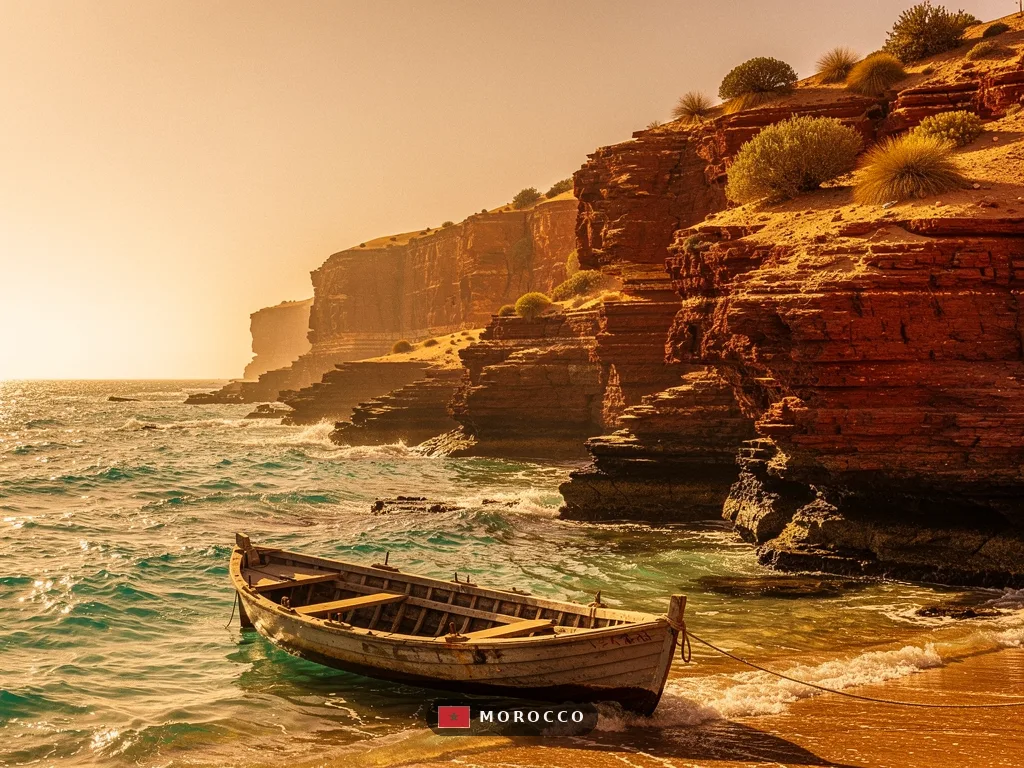
Imagine standing on the windswept shores of the Atlantic at dawn, your surf rod bent double as a powerful leerfish strips line in a blistering run. Or picture yourself high in the Middle Atlas Mountains, where crystal-clear streams wind through cedar forests and wild brown trout sip delicately at your dry fly. Or perhaps you dream of battling a 30 kg (66 lb) “Moroccan Monster” carp from the shores of a vast reservoir under the blazing North African sun.
Fishing in Morocco offers all this and more. The country’s 3,500 km (2,175 miles) of Atlantic and Mediterranean coastline, combined with the dramatic Atlas Mountains and enormous inland reservoirs, creates one of the most diverse fishing destinations in Africa. Whether you are a big-game saltwater angler chasing blue marlin and bluefin tuna, a carp specialist hunting trophy fish, or a fly fisher seeking wild trout, Morocco delivers memorable experiences.
This comprehensive 2026 guide covers everything an international angler needs to plan a successful trip: fishing permits and licenses (including where they are not required), the very best fishing spots, guided tours and charter options with current prices, practical travel advice, and detailed regulations. Regulations can and do change, so always verify the latest rules with official authorities before you travel.
01Do You Need a Fishing License in Morocco?
One of the most common questions international visitors ask is “Do you need a fishing license in Morocco?” The answer is refreshingly straightforward but depends on where and how you fish.
For sea fishing from the shore (beach or rocky cliffs) using rod and line, no fishing license or permit is required for recreational anglers. This makes Morocco an exceptionally accessible destination for casual surfcasting or rock fishing. You can simply walk onto a beach near Agadir, Essaouira, or Dakhla with your rod and begin fishing for sea bream, snapper, bass, and other species without any bureaucratic hurdles.
However, the situation changes as soon as you move inland or fish from a boat.
Inland (Continental) Fishing Permits
Fishing in rivers, lakes, and reservoirs (continental waters) requires a valid permit. These are issued by the National Agency for Water and Forests (ANEF), formerly known as the Haut Commissariat aux Eaux et Forêts. You must obtain the permit before fishing.
Required documents for the first application:
Applications are made at regional ANEF offices, which are found in most major cities and provincial centers. Some specialized fishing tour operators can also assist with the paperwork as part of their packages.
Sea Fishing from Boats and Spearfishing
When fishing from a private boat or engaging in spearfishing, different rules apply. Passengers on licensed charter boats are usually covered by the vessel’s commercial or tourist fishing license — one of the reasons why booking a guided charter is the most hassle-free way to enjoy deep-sea fishing in Morocco.
Spearfishing requires a special recreational permit from the local maritime delegation, which currently costs approximately 300 MAD (around 28 EUR or 31 USD).
Important note: All information in this guide is based on the 2025/2026 regulations. Fishing rules can be updated annually, so we strongly recommend checking with ANEF or the Department of Maritime Fishing before departure.
02Current Fishing Permit Costs in Morocco (2026)
Moroccan inland fishing permits are priced according to your residency status and the duration of the permit. Here is the latest fee structure for the 2025/2026 season:
| Permit Type | Cost (MAD) | Cost (EUR) | Cost (USD) | Best For |
|----------------------------------|------------|------------|--------------|------------------------------|
| Daily (Non-Resident/Foreigner) | 200 MAD | ~18.50 € | ~20.50 $ | Short fishing trips |
| Daily (Resident/National) | 80 MAD | ~7.50 € | ~8.20 $ | Moroccan residents |
| Annual (Resident >15 years) | 600 MAD | ~55 € | ~61 $ | Frequent local anglers |
| Annual (Resident <15 years) | 80 MAD | ~7.50 € | ~8.20 $ | Young residents |
| No-Kill Permit (additional) | 50 MAD | ~4.50 € | ~5 $ | Catch-and-release specialists|
These prices represent excellent value. A day permit for a non-resident foreigner costs roughly the same as a coffee and pastry in a European café, yet it grants access to some of North Africa’s most productive freshwater fisheries.
Tip: Many international visitors choose daily permits and simply purchase a new one when needed. If you plan to fish inland waters on more than 4–5 days during your trip, calculate whether an annual resident-style permit (if eligible through a local connection) might offer better value.
03Fishing Seasons and Key Regulations
Morocco’s fishing seasons are designed to protect spawning fish and maintain healthy populations.
Trout (Salmonids) Season: Usually opens in late February or early March and runs until the end of September. For the 2025/2026 season, the official opening was 23 February 2025 in many Atlas regions.
Coarse Fish (Carp, Black Bass, Zander, Pike): The season generally opens in mid-May, giving fish time to spawn in the warmer lowland waters and reservoirs.
Minimum Size Limits (Inland Waters):
Daily Bag Limits: For trout, the current limit is generally 8 fish per angler per day. Catch-and-release is strongly encouraged, and some waters offer special “No-Kill” permits for pure catch-and-release fishing.
Night Fishing: Generally prohibited between sunset and sunrise in most waters. However, special night-fishing authorizations are available for certain reservoirs, most notably Lake Bin El Ouidane, which has become famous for after-dark carp fishing.
Strictly Prohibited: The use of explosives, poisons, artificial lights (without special authorization), and certain nets. Penalties for violations are significant and can include heavy fines or equipment confiscation.
Always remember that regulations exist to protect Morocco’s fisheries for future generations. Responsible angling ensures these wonderful opportunities remain available.
04Best Fishing Spots in Morocco — Where to Make Your Dreams Come True
The diversity of fishing spots in Morocco is extraordinary. Here are the destinations that consistently deliver the most memorable experiences for international visitors.
1. Lake Bin El Ouidane — The Kingdom of Monster Carp
Nestled in the foothills of the High Atlas near Beni Mellal, this enormous reservoir (one of the largest in North Africa) has gained legendary status among carp anglers worldwide. “Moroccan Monsters” — carp weighing over 30 kg (66 lb) and occasionally approaching 40 kg (88 lb) — are caught here every season.
The lake also holds an astonishing density of black bass, which provide fantastic sport on both lures and flies. The surrounding scenery is breathtaking: turquoise water backed by rugged mountains that turn pink at sunset.
Many visitors describe nights on the shores of Bin El Ouidane as magical — sitting under the stars, listening to the gentle lapping of water while waiting for a screaming run from a powerful carp. The combination of giant fish and dramatic North African landscapes makes this one of the most addictive fishing destinations on the continent.
For more details, see our dedicated guide: Carp Fishing Lake Bin El Ouidane.
2. Dakhla — The Atlantic Saltwater Paradise
Located in Western Sahara some 1,700 km (1,056 miles) south of Casablanca, the Dakhla peninsula offers some of the richest inshore and coastal fishing in the entire Atlantic.
Shore anglers can target enormous meagre (corvina), bluefish, leerfish (garrick), and Atlantic bonito directly from the beach. The famous “Dakhla spit” produces incredible sport fishing, especially during the cooler months when fish move closer to shore.
The lagoon itself is a windsurfer’s paradise but also offers superb fishing for various species. Many visitors combine fishing with kitesurfing or simply enjoying the spectacular desert-meets-ocean scenery.
Dakhla is a year-round destination, although spring and autumn generally offer the most pleasant temperatures and best fishing conditions.
3. Mohammedia and Salé — Big Game Capital
Just north of Casablanca, Mohammedia has become one of Morocco’s premier destinations for light-tackle marlin fishing. Between June and September, both white marlin and blue marlin are regularly encountered, often on relatively light tackle that provides spectacular sport.
Bluefin tuna also migrate through these waters, offering heart-stopping battles that can last for hours. The proximity to a major airport and good infrastructure makes this region very convenient for international visitors.
Our specialized article provides more information: Deep Sea Fishing Morocco — Marlin & Tuna.
4. Essaouira — Surfcasting and Traditional Heritage
This beautiful walled Atlantic port city combines excellent shore fishing with rich cultural experiences. Surfcasting here produces good numbers of gilthead sea bream, various snappers, and sea bass.
The historic harbor itself has a wonderful atmosphere where traditional wooden fishing boats still operate alongside modern sportfishing charters. Fishing at dawn or dusk with the ancient ramparts as a backdrop creates truly unforgettable memories.
5. Ifrane and Azrou — Wild Trout Fishing in the Atlas Mountains
High in the Middle Atlas, the cold, clear streams and small rivers around Ifrane and Azrou offer superb fly fishing for wild brown trout and stocked rainbow trout. The scenery is straight out of a fairy tale — dense cedar forests, dramatic gorges, and crystal water that reminds many European anglers of their home streams, yet with a distinct North African character.
The fishing is technical and rewarding. Many visitors combine a few days of mountain trout fishing with a visit to Marrakech or Fez, creating the perfect mix of culture and angling.
For those interested in this specialized style, see our guide: Fly Fishing Atlas Mountains Morocco.
Tip: Morocco’s fishing spots span dramatically different climates and altitudes. Pack layers and be prepared for temperature swings — mountain nights can drop below 5°C (41°F) even in summer, while coastal areas remain warm year-round.
05Tours & Guided Experiences — Making the Most of Your Moroccan Fishing Adventure
While it is perfectly possible to fish independently in Morocco, many international visitors prefer to book guided experiences. Local guides not only know the most productive spots and current conditions but can also handle permit formalities, transportation, and cultural navigation.
Carp Fishing Safaris at Lake Bin El Ouidane
Specialist operators offer all-inclusive packages that typically include:
Current prices for fully guided carp safaris start from approximately 650–800 MAD (60–75 EUR / 65–82 USD) per day. Premium packages with English-speaking guides and higher-end equipment range from 1,000–1,500 MAD (92–138 EUR / 100–150 USD) per day.
Deep-Sea Charters
Half-day coastal charters near Agadir or Essaouira typically cost 2,000–3,500 MAD (185–320 EUR / 200–350 USD) for the boat (usually shared between 4–6 anglers).
Full-day big-game charters targeting marlin and tuna cost 6,000–10,000 MAD (550–920 EUR / 600–1,000 USD) for the entire boat. These prices usually include tackle, bait, crew, and (in many cases) the inland fishing permit if you combine trips.
Atlas Mountains Fly Fishing Guides
Specialized guides operating from Ifrane or Marrakech charge between 800–1,200 MAD (75–110 EUR / 80–120 USD) per day. This typically includes guiding, transport from your hotel, flies, and basic tackle. Many guides speak excellent English, French, and Arabic.
🎣 Fishing tours in Morocco — Book guided fishing tours with local experts.
06Charter Fishing in Morocco — Deep Sea and Big Game Options
For many visitors, the highlight of a trip to Morocco is battling pelagic species on the open Atlantic. The waters off Morocco lie at the crossroads of major migration routes, creating exceptional opportunities for marlin, tuna, dorado, wahoo, and sharks.
Modern charter boats based in Mohammedia, Salé, Agadir, and Essaouira range from center-console boats perfect for light-tackle sportfishing to larger vessels equipped for multi-day expeditions. Most captains are highly experienced and many have built strong reputations among European and American sportfishing enthusiasts.
Current 2026 prices for private charters typically range from 6,000 MAD (approximately 550 EUR / 600 USD) for a full day of marlin or tuna fishing. This price is for the entire boat, which usually accommodates up to 6 anglers, making the per-person cost very reasonable when shared.
Smaller inshore charters for bottom fishing or trolling for bonito and barracuda start from around 2,500 MAD (230 EUR / 250 USD) per half day.
When choosing a charter, look for vessels that display official tourist fishing licenses and captains who are registered with the Department of Maritime Fishing. Reputable platforms make this easy.
🚤 Charter fishing in Morocco — Find and book charter boats with experienced captains.
07Equipment, What to Bring, and Local Availability
Your choice of equipment depends entirely on your target species and fishing style.
For coastal surfcasting and rock fishing: Medium-heavy surf rods (3.6–4.2 m / 12–14 ft) capable of casting 100–200 g (3.5–7 oz) are ideal. Locals often use relatively simple multiplier or fixed-spool reels loaded with 0.35–0.45 mm monofilament. This equipment is widely available for purchase in coastal cities like Casablanca, Agadir, and Essaouira at reasonable prices.
For carp fishing at Lake Bin El Ouidane: Standard European carp tackle works perfectly. Bring at least three rods per angler, a good quality bivvy, and a comfortable bedchair. While basic carp gear can be rented from some operators, serious anglers usually prefer to bring their own high-quality rods, reels, bite alarms, and terminal tackle.
For fly fishing in the Atlas: A 5-weight or 6-weight rod is perfect for most streams. Bring a selection of dry flies, nymphs, and small streamers. Good quality fly gear is rarely available locally, so you should bring everything from home.
For big-game offshore fishing: Charters normally supply all necessary tackle. However, many experienced anglers prefer to bring their own high-quality reels and a selection of favorite lures.
Language considerations: While many guides speak good English, basic French or Arabic phrases are helpful in more remote areas. Translation apps work well in most parts of the country thanks to improving mobile coverage.
🛒 Fishing equipment for Morocco — Find the right gear for your trip.
08Practical Travel Information for International Anglers
Best Time to Visit from Different Hemispheres:
Getting There and Around:
Morocco is well connected by air, with major international airports in Casablanca, Marrakech, Agadir, and Essaouira. Royal Air Maroc offers good connections from Europe, the Middle East, and several African cities. Budget airlines serve many routes from Europe.
Once in the country, renting a car gives you the greatest flexibility, especially if you plan to combine fishing with sightseeing. International driving licenses are generally accepted.
🚗 Rent a car in Morocco — Compare prices from 500+ rental companies worldwide.
Visa Requirements:
Citizens of the EU, UK, USA, Canada, Japan, Australia, and many other countries can enter Morocco visa-free for stays of up to 90 days. Always check the latest requirements for your nationality before travel, as rules occasionally change.
Health and Safety:
Morocco is generally very safe for tourists. Standard travel insurance is recommended. Tap water is not recommended for drinking — stick to bottled water. The sun can be intense, especially at high altitude in the Atlas or on the desert coast — bring strong sunscreen and a hat.
Currency and Costs:
The Moroccan Dirham (MAD) is the local currency. As of early 2026, 1 EUR ≈ 10.8 MAD and 1 USD ≈ 9.7 MAD. Morocco offers excellent value for international visitors. A full day of guided fishing with meals often costs less than a comparable experience in Europe or North America.
Stay connected during your trip:
📱 Stay connected in Morocco — Get an eSIM for affordable mobile data while traveling.
Language: Arabic and Berber are the official languages, but French is widely spoken, especially in business and tourism. English is increasingly common in tourist areas and among fishing guides.
09Frequently Asked Questions
Do I need a fishing license for sea fishing in Morocco?
No. Recreational fishing from the shore with rod and line is free and does not require any permit. A permit is only needed for inland waters or when fishing from a private boat.
What is the best fishing in Morocco for big fish?
For truly large fish, Lake Bin El Ouidane offers carp over 30 kg, while the Atlantic coast near Mohammedia and Salé is famous for marlin and bluefin tuna. Dakhla is also exceptional for large meagre and leerfish from the shore.
Can I fly fish in Morocco?
Absolutely. The streams of the Middle and High Atlas Mountains provide excellent fly fishing for brown trout and rainbow trout. Specialized guides operate in the Ifrane and Azrou regions.
Is it safe to drink the water while fishing in remote areas?
Always drink bottled or treated water. Most fishing guides and camps provide safe drinking water, but it is best to be cautious when traveling independently.
What is the cost of a fishing charter in Morocco in 2026?
Half-day inshore charters start from around 2,000–3,500 MAD (185–320 EUR). Full-day big-game charters for marlin and tuna typically range from 6,000–10,000 MAD (550–920 EUR) for the boat.
When is the best time to fish for trout in the Atlas Mountains?
The trout season generally runs from late February/March until the end of September. The most comfortable weather and active fishing usually occurs between March and July.
Can I keep the fish I catch in Morocco?
In inland waters there are strict size and bag limits. Many serious anglers practice catch-and-release, especially for large carp and trout. Coastal fishing has fewer restrictions, but always follow local guidelines and only keep what you can reasonably eat.
10Conclusion — Your Moroccan Fishing Adventure Awaits
Few countries offer the incredible variety that Morocco provides — from battling giant marlin on the open Atlantic to delicately presenting a dry fly to wild trout in ancient cedar forests, or waiting for the screaming run of a 30 kg carp under star-filled desert skies.
With straightforward regulations, affordable permits (and none required for most shore fishing), world-class fishing opportunities, and warm hospitality, Morocco stands out as one of Africa’s premier angling destinations.
Whether you are planning a dedicated fishing expedition or combining angling with the rich culture, history, and cuisine that Morocco is famous for, the memories you create will stay with you forever.
Start planning your trip today. Book your charters, arrange your permits, and prepare for an fishing experience unlike any other.
Tight lines in Morocco!
11Sources & Further Links
Disclaimer: This article is intended for informational purposes only and does not constitute legal advice. Fishing regulations in Morocco may change. Always consult the latest official sources, including the National Agency for Water and Forests (ANEF) and the Department of Maritime Fishing, before planning your 2026 fishing trip. Local laws, permit requirements, and seasonal openings can vary by region and are subject to update. The authors and FishingWorldGuide.com accept no liability for any errors or omissions.
Don't miss any fishing tips!
Get the best fishing destination recommendations weekly in your inbox.
No spam. Unsubscribe anytime.
Data incorrect?
Help us keep this article up to date — report outdated or incorrect information
More articles