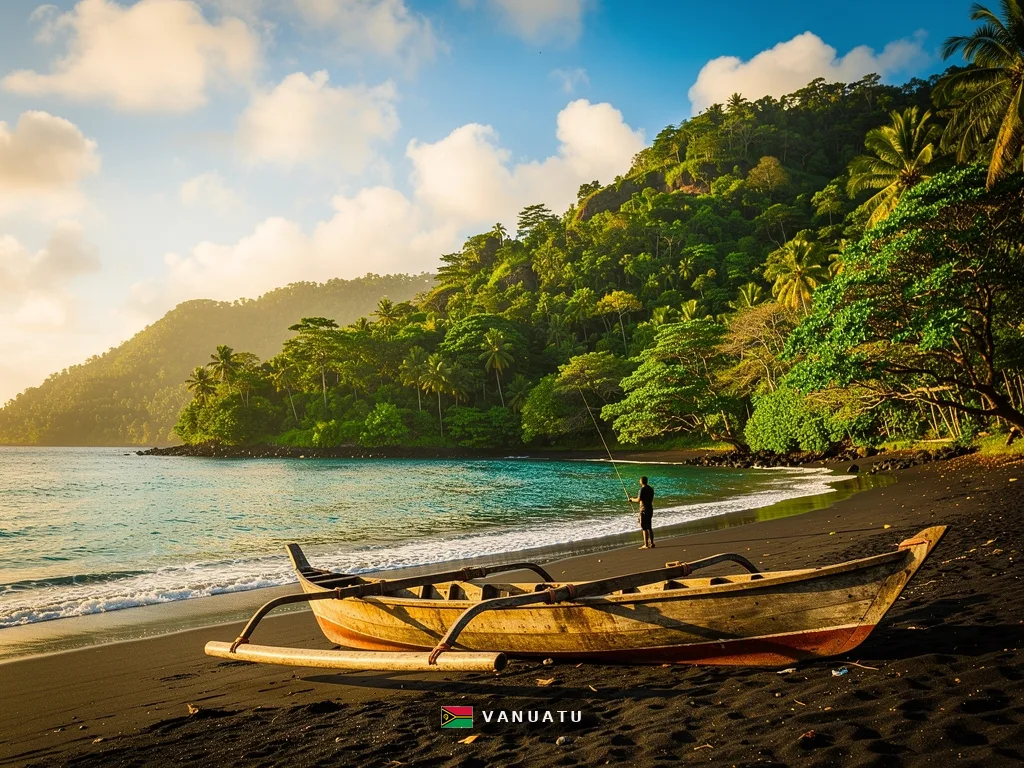
Imagine standing on the deck of a powerful offshore boat as the deep blue waters of the South Pacific stretch to the horizon. A massive marlin strikes your lure, and the fight begins — one of the most thrilling experiences an angler can have. This is fishing in Vanuatu, a Pacific island nation that offers world-class game fishing, vibrant reef angling, and breathtaking scenery, all without the need for a recreational fishing license.
Vanuatu, an archipelago of over 80 islands located east of Australia and northeast of New Caledonia, is a hidden gem for international anglers. Its volcanic origins have created dramatic underwater drop-offs, healthy coral reefs, and nutrient-rich currents that attract everything from giant yellowfin tuna to acrobatic blue marlin. Whether you are a seasoned offshore angler chasing record-breaking billfish or a traveler looking for a relaxed day of reef fishing, Vanuatu delivers an unforgettable experience.
In this comprehensive guide, you will learn everything needed to plan a successful fishing trip: the current rules on fishing licenses and permits, the best fishing spots across the islands, what species you can expect to encounter, how to book charters and guided tours (with current prices in local currency, euros, and US dollars), the optimal time to visit from both northern and southern hemispheres, practical travel information including visas, and much more. All information is based on official sources from the Vanuatu Fisheries Department and the Vanuatu Tourism Office.
01Do You Need a Fishing License in Vanuatu?
One of the most attractive aspects of fishing in Vanuatu is the simplicity of the regulations for recreational anglers. Currently, you do not need a fishing license for recreational rod-and-line fishing, whether from shore, private boat, or charter vessel.
According to the official Vanuatu Fisheries Department, no recreational fishing permit is required for standard angling activities. This policy makes Vanuatu particularly appealing compared to many other Pacific destinations that impose daily, weekly, or annual license fees. You can simply arrive, book a charter or rent equipment, and head out onto the water.
However, this freedom comes with responsibility. If you plan any commercial activity — such as collecting aquarium fish for export, scientific research involving marine specimens, or selling your catch — you must obtain written authorization from the Vanuatu Fisheries Department. For ordinary tourists and sport anglers, these requirements do not apply.
Important note: While no personal fishing license is needed, professional charter operators often hold their own operational permits and comply with specific vessel licensing rules. Always confirm with your chosen operator that they are fully compliant. Regulations can change, so it is wise to check the latest information directly with the authorities before your trip.
📱 Stay connected in Vanuatu — Get an eSIM for affordable mobile data while traveling.
The absence of a recreational fishing license in Vanuatu does not mean there are no rules. The country maintains strict conservation measures to protect its marine ecosystem, which supports both tourism and traditional subsistence fishing for local communities. These regulations are covered in detail in the next section.
02Vanuatu Fishing Regulations and Conservation Rules
Vanuatu takes marine conservation seriously. The Fisheries Act and associated regulations set clear boundaries to ensure the sustainability of fish stocks and the protection of vulnerable species.
Protected Species and Prohibited Activities
You must never target or disturb the following:
The official advice from the Vanuatu Fisheries Department is simple: when in doubt, practice catch and release. This approach helps maintain healthy populations and is particularly important for billfish and large reef species that play key ecological roles.
All these rules are enforced under the Fisheries Regulations and the Fisheries Act. You can find the full legal texts on the official website of the Vanuatu Fisheries Department.
03Best Fishing Spots in Vanuatu: Where to Cast Your Line
The magic of fishing in Vanuatu lies in the incredible variety of environments packed into a relatively small island nation. From the busy harbor of Port Vila to remote outer islands, each location offers its own character and target species.
Port Vila and Efate Island
The capital, Port Vila on Efate Island, serves as the main hub for charter fishing in Vanuatu. Just a short boat ride from the harbor, you reach deep drop-offs where the continental shelf plunges dramatically. These waters are famous for marlin fishing — blue, black, and striped marlin all frequent the area between December and April.
The calm waters of Mele Bay and the nearby reefs provide excellent light-tackle and reef fishing opportunities. You can target coral trout, various snapper species, emperor fish, trevally, and groupers. The combination of accessible deep-sea grounds and protected bays makes Efate ideal for mixed fishing trips that suit families or groups with different skill levels.
Espiritu Santo
Often called simply “Santo,” this is Vanuatu’s largest island and offers some of the most pristine fishing grounds in the Pacific. The famous “Santo Blue Hole” and surrounding waters provide spectacular scenery and productive fishing.
Offshore from Santo, the currents bring nutrient-rich water that attracts massive schools of yellowfin tuna, dogtooth tuna, mahi-mahi (dorado), and wahoo. Game anglers frequently report encounters with sailfish and marlin in these waters. The island’s reputation for clear water and healthy reefs also makes it excellent for fly fishing and light-tackle angling.
Other Notable Locations
The underwater topography of Vanuatu — created by its position along the Pacific “Ring of Fire” — features steep volcanic drop-offs that bring deep-water species surprisingly close to shore. This geological advantage is one reason why deep sea fishing in Vanuatu consistently produces excellent results.
Many visitors describe the experience as almost spiritual: fishing against a backdrop of lush green volcanic mountains, turquoise lagoons, and traditional villages. The waters are warm year-round (typically 24–29 °C / 75–84 °F), and the visibility often exceeds 30 meters (100 feet), making even non-fishing companions happy to join the boat trips.
🎣 Fishing tours in Vanuatu — Book guided fishing tours with local experts.
04Target Species: What You Can Catch in Vanuatu
The diversity of marine life in Vanuatu waters is remarkable. Here are the main species that attract anglers from around the world:
Game Fish and Pelagics
Reef and Bottom Species
The combination of trophy game fishing and superb inshore reef fishing means you can enjoy varied experiences even during a single week-long stay. Many charters offer the option to spend the morning chasing marlin and the afternoon fishing the reefs for dinner — a perfect balance for many international visitors.
05Tours & Guided Experiences: Charters and Fishing Trips
Most visitors to Vanuatu choose to fish with professional charters rather than organizing private boats. This approach provides several advantages: local knowledge of productive spots, high-quality equipment, experienced captains and crew, and proper safety standards.
Port Vila Fishing Charters
Port Vila is home to the majority of professional operators. A typical full-day deep sea fishing Vanuatu charter for up to 4–6 anglers includes:
Current price range (as of 2026 estimates based on operator listings):
| Trip Type | Duration | Price per boat (VUV) | Price per boat (USD) | Price per boat (EUR) | Anglers usually accommodated |
|------------------------|----------|----------------------|----------------------|----------------------|------------------------------|
| Half-day reef fishing | 4 hours | 85,000–120,000 | $720–$1,020 | €670–€950 | 4 |
| Full-day game fishing | 8–9 hours| 180,000–260,000 | $1,530–$2,200 | €1,420–€2,050 | 4–6 |
| Extended offshore trip | 10+ hours| 280,000–420,000 | $2,370–$3,560 | €2,200–€3,300 | 4–6 |
*Prices are approximate and vary by season, boat quality, and inclusions. Always confirm current rates directly with operators. The cost is often comparable to a high-end restaurant meal for the group when divided among several anglers.*
Smaller groups or solo travelers can sometimes join shared charters, reducing the per-person cost significantly. Many operators also offer specialized trips focused on fly fishing, light-tackle sportfishing, or family-friendly reef adventures.
Beyond Port Vila, smaller operators on Santo and other islands offer more intimate experiences, often using traditional knowledge passed down through generations of Ni-Vanuatu fishermen.
🚤 Charter fishing in Vanuatu — Find and book charter boats with experienced captains.
Language is rarely a barrier. Most professional captains and guides in the tourism sector speak good English, and many also speak French. Bislama, the local creole, is used among Ni-Vanuatu crew but is not necessary for visitors.
06Best Time to Fish in Vanuatu
Choosing the right time for your trip can dramatically affect both the fishing success and overall experience.
Seasonal Overview
From a northern hemisphere perspective, the Vanuatu fishing season aligns well with winter escapes (December–March). Travelers from Australia, New Zealand, and the southern hemisphere will find the June–November period particularly attractive as it coincides with their winter.
The weather in Vanuatu is tropical. The dry season (May to October) generally offers calmer seas and is preferred by most boat-based anglers. The wet season brings higher rainfall but also excellent fishing at times.
07Equipment, What to Bring and Boat Provisions
One of the great conveniences of fishing tours in Vanuatu is that most charter operators supply all necessary equipment. High-quality offshore trolling rods, reels loaded with heavy braid or monofilament, and a large selection of proven lures are standard.
If you have favorite lures, specialized fly-fishing gear, or personal reels, you are welcome to bring them. Discuss your preferences with the operator in advance so they can advise on compatibility and any additional items you might need (such as heavy leaders for toothy species or specific fly patterns).
For shore or kayak fishing, basic spinning or baitcasting outfits in the 10–30 lb (4.5–13.5 kg) class work well. Pack polarized sunglasses, reef-safe sunscreen, a hat, and quick-dry clothing. A lightweight rain jacket is useful even in the dry season.
🛒 Fishing equipment for Vanuatu — Find the right gear for your trip.
08Practical Travel Information for International Visitors
Visa Requirements
Most international travelers can enter Vanuatu visa-free for stays of up to 30 days. This includes citizens of:
A valid passport with at least six months’ validity is required. Always check the latest entry requirements with your nearest Vanuatu embassy or the official Vanuatu Immigration website, as rules can occasionally change.
Getting There and Getting Around
Port Vila (VLI) on Efate is the main international gateway, with direct flights from Australia, New Zealand, Fiji, and seasonal connections from other Pacific hubs. Bauerfield International Airport is located only 15 minutes by taxi from the main charter harbor.
Domestic flights operated by Air Vanuatu connect Port Vila with Espiritu Santo, Tanna, and other islands. Ferries and small boats are also available but are slower and weather-dependent.
Within Port Vila and Luganville (Santo), taxis and private transfers are inexpensive and reliable. Many resorts offer free or low-cost shuttle services to fishing operators.
Accommodation and Language
Luxury resorts, boutique bungalows, and mid-range hotels are available in Port Vila and on Santo. Many fishing packages include accommodation and transfers. English and French are widely spoken in the tourism sector, making communication straightforward for international visitors. Learning a few basic Bislama phrases (“tankyu tumas” for thank you very much) is always appreciated by local people.
Health and Safety
Vanuatu is generally safe for tourists. Standard travel insurance covering medical evacuation is strongly recommended. Malaria is not present, but dengue fever occurs occasionally — use insect repellent. Tap water is not always safe to drink; stick to bottled water. The sun is intense in the tropics; protect yourself accordingly.
09Costs: How Much Does It Cost to Go Fishing in Vanuatu?
Fishing in Vanuatu represents good value compared with other premium Pacific destinations. A full-day game fishing charter for a group of four typically works out at roughly $380–$550 USD (€350–€510) per person, including all equipment and often lunch. This is comparable to a premium guided fishing day in many popular destinations but includes the spectacular South Pacific setting.
Additional costs to budget for:
When compared to the cost of a good restaurant meal for four people, a half-day reef fishing trip offers exceptional value and the chance to bring fresh fish back for the resort chef to prepare.
10FAQ – Frequently Asked Questions about Fishing in Vanuatu
Do you need a fishing license in Vanuatu?
No. Recreational rod-and-line fishing does not require a license or permit for tourists. Commercial activities or special permissions require approval from the Vanuatu Fisheries Department.
What is the best time to fish in Vanuatu?
March to May is generally considered the best overall period. December–February offers excellent tuna and marlin fishing, while June–November is prime for blue, black, and striped marlin.
Can you eat the fish you catch in Vanuatu?
Yes, in most cases. Many charters will prepare some of your catch for you or deliver it to your resort restaurant. Always follow local advice regarding ciguatera risk in certain reef areas and respect size and bag limits.
Is Vanuatu good for marlin fishing?
Absolutely. The waters around Vanuatu are renowned for marlin, with blue, black, and striped marlin all present in good numbers during their respective seasons.
What should I bring for a fishing trip to Vanuatu?
Most charters supply all tackle. Bring polarized sunglasses, sunscreen, a hat, comfortable quick-dry clothing, motion-sickness remedies if needed, and your favorite lures or fly gear if you have specific preferences.
Is it safe to go fishing in Vanuatu?
Yes, when using reputable operators. The waters are generally well-protected, and professional captains monitor weather closely. Standard travel insurance is recommended.
Can I combine fishing with other activities?
Definitely. Many visitors combine fishing trips with volcano tours (especially on Tanna), snorkeling, diving the famous SS President Coolidge wreck on Santo, or simply relaxing on beautiful beaches.
Are there any restrictions on spearfishing?
Yes. Spearfishing for lobsters is prohibited, and scuba-assisted spearfishing is banned in many areas. Always check local regulations for specific islands.
11Conclusion: Your Next Fishing Adventure Awaits in Vanuatu
Fishing in Vanuatu offers a rare combination of world-class sportfishing, incredible natural beauty, and relaxed island hospitality. With no recreational fishing license required, crystal-clear waters, dramatic underwater topography, and a wide variety of species from giant marlin to colorful reef fish, it is easy to see why this Pacific paradise is gaining recognition among serious international anglers.
Whether you dream of battling a 400 kg (880 lb) blue marlin in the deep Pacific or enjoying a family day catching snapper and trevally on a sun-drenched reef, Vanuatu delivers. The combination of professional charters in Port Vila, pristine grounds around Santo, and the genuine friendliness of the Ni-Vanuatu people creates an experience that goes far beyond simply catching fish.
Start planning your trip today. Contact reputable charter operators well in advance, especially during peak seasons, and prepare for memories that will last a lifetime. The waters of Vanuatu are calling.
Sources & Further Links
Disclaimer: This guide is for informational purposes only. Fishing regulations, prices, and operational details may change. Always verify the latest rules with the Vanuatu Fisheries Department or your chosen charter operator before your trip. The information reflects conditions as of 2026.
Don't miss any fishing tips!
Get the best fishing destination recommendations weekly in your inbox.
No spam. Unsubscribe anytime.
Data incorrect?
Help us keep this article up to date — report outdated or incorrect information
More articles