Buy License Online
Buy fishing license for Israel online
Official authority website
Israel offers a fascinating mix of fishing opportunities that few other destinations can match. From casting for St. Peter’s Fish in the ancient waters of the Sea of Galilee to battling powerful Amberjack and Tuna in the deep blue of the Red Sea near Eilat, fishing in Israel combines rich history, dramatic landscapes, and diverse marine life. Whether you are an experienced saltwater angler or a traveler looking for a memorable guided experience, this comprehensive guide covers everything you need to know for a successful trip in 2026.
The country’s fishing scene spans three distinct bodies of water: the Mediterranean coast, the freshwater Sea of Galilee (also known as Kinneret or Lake Tiberias), and the coral-rich Gulf of Eilat on the Red Sea. Each area presents unique species, techniques, and regulations. While shore fishing with a simple rod and reel is often free, most other forms of angling require a sport fishing license issued by Israeli authorities. This article explains exactly when you need a permit, how to get one, the best fishing spots to visit, charter options with current prices, and all the practical travel information international visitors need.
01Do You Need a Fishing License in Israel?
Many international travelers ask: do you need a fishing license in Israel? The answer depends on how and where you plan to fish.
Shore fishing with a standard rod and reel from the beach or rocks is generally free and does not require a license, as long as you use no auxiliary equipment. This means no drones, kites, remote-controlled bait boats, or electric motors to help cast your line. This simple approach is popular with both locals and visitors along the Mediterranean coast and makes for an easy introduction to fishing in Israel.
However, a Sport Fishing License is mandatory in most other situations. You must obtain one if you plan to:
The license is issued by the Ministry of Agriculture and Rural Development and administered in cooperation with the Israel Nature and Parks Authority (INPA). Applications are submitted online through the official government survey system. Processing typically takes 1–2 weeks, so plan ahead. All licenses are valid until December 31 of the year they are issued, regardless of purchase date.
Important note for tourists: There are currently no short-term daily or weekly tourist fishing licenses. Visitors must either purchase the annual sport fishing license or join a licensed charter boat whose captain’s commercial permit covers the passengers. This makes guided fishing tours and charters particularly attractive for international travelers who want to avoid the licensing process.
Tip: Always check the latest regulations before your trip. Rules can change, and closed seasons are strictly enforced. The official source for updates is the Israel Nature and Parks Authority website.
02How to Apply for a Fishing License in Israel
Applying for your fishing license is straightforward but requires some preparation. The process is handled through the Official Government Survey System. You will need to create an account, provide personal identification, and pay the fee.
The individual sport fishing license currently costs approximately 192 ILS (about €47 or $51) per year. A separate boat license is required if you intend to fish from a private vessel with 4–12 rods; this is more expensive and tied to the vessel owner.
After submission, you will receive confirmation once the application is approved. Many charter operators in Eilat and Haifa can advise on the process or confirm whether their boat’s license covers you for the day.
03Israel Fishing Regulations 2026: Catch Limits, Seasons & Protected Areas
Israel maintains strict fishing regulations to protect its marine and freshwater resources. Understanding these rules is essential for responsible fishing in Israel.
Daily Catch Limits:
Invasive species such as Lionfish have no catch limit — you are encouraged to remove as many as possible.
Minimum Size Limits (examples):
Prohibited Activities:
Closed Seasons (updated for 2024–2026):
The Israel Nature and Parks Authority enforces these regulations diligently. Fines for violations can be substantial. Always consult the latest closed-season announcements on the official parks.org.il website before planning your trip.
04Best Fishing Spots in Israel: Where to Cast Your Line
The beauty of fishing in Israel lies in its incredible variety of environments. Here are the top locations that should be on every angler’s list.
Sea of Galilee (Kinneret) – The Lowest Freshwater Lake on Earth
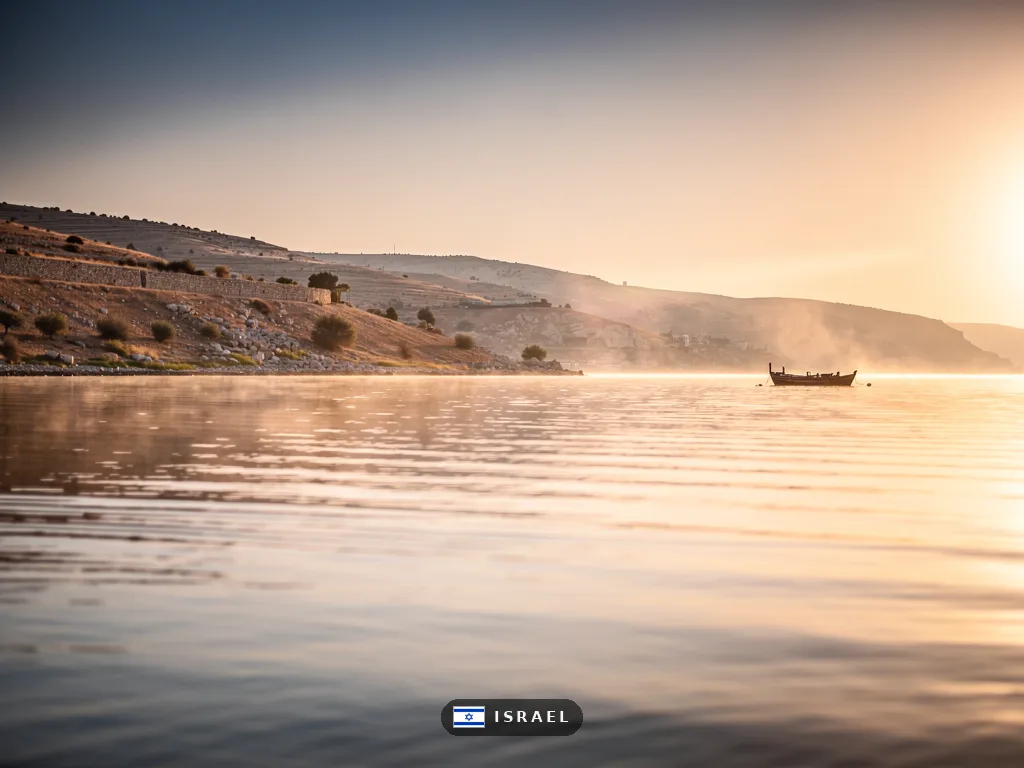
At approximately 210 meters (689 feet) below sea level, the Sea of Galilee offers one of the most unique freshwater fishing experiences in the world. This biblical lake is famous for St. Peter’s Fish (Tilapia), along with Common Carp, Catfish, and Jordan Barbel.
The experience of fishing here at sunrise, with the Golan Heights rising dramatically on one side and ancient sites like Capernaum nearby, is unforgettable. Local techniques include float fishing and bottom baiting with corn, bread, or specialized Tilapia baits. Many visitors combine a fishing trip with a visit to the holy sites around the lake, creating a perfect blend of sport and cultural immersion.
Best times: Early morning and late afternoon. Watch for seasonal closures in spawning areas between April and July.
Eilat and the Red Sea (Gulf of Eilat)
The warm, clear waters of the Red Sea near Eilat deliver world-class deep-sea and reef fishing. Target species include Yellowfin Tuna, Amberjack, Giant Trevally, Spangled Emperor, and various groupers. The coral reefs create a stunning backdrop — although fishing is strictly prohibited inside the Coral Beach Nature Reserve itself.
Deepwater “bolo” fishing and heavy spinning tackle are popular here. The experience of hooking a powerful pelagic fish while surrounded by dramatic desert mountains and turquoise water is pure magic. Eilat’s marinas are well-equipped with modern charter boats ready to take you offshore.
Mediterranean Coast Hotspots
The long Mediterranean coastline offers excellent shore-based and boat fishing opportunities:
Surfcasting at dawn or dusk along sandy beaches is particularly effective for bream. Spinning for predatory species like barracuda can produce explosive strikes that will remain in your memory long after the trip.
Jordan River (Northern Section)
The fast-flowing upper reaches of the Jordan River offer an entirely different freshwater experience. Escaped farmed Rainbow Trout and native Barbel provide exciting sport in a scenic, green valley setting. This area is ideal for travelers based in the Galilee region who want a change from lake or sea fishing.
Each of these spots creates its own unforgettable experience. The combination of ancient history, dramatic geography, and rich fish life makes fishing in Israel far more than just another angling destination.
🎣 Fishing tours in Israel — Book guided fishing tours with local experts.
05Fish Species in Israel: What You Can Catch
Israel’s waters host an impressive variety of fish species across freshwater, brackish, and marine environments.
Freshwater Species:
Saltwater Species:
The diversity means you can enjoy everything from delicate float fishing for Tilapia to adrenaline-fueled battles with pelagic species in a single trip.
06Tours & Guided Experiences: Charters in Eilat, Haifa & Galilee
For many international visitors, joining a guided charter is the most practical and enjoyable way to experience fishing in Israel. Licensed captains handle all permits, provide quality tackle, and know the best spots and techniques.
Deep Sea Fishing Charters in Eilat
Eilat is the premier destination for offshore fishing on the Red Sea. Typical 4–6 hour deep-sea charters cost between $200 and $500 USD (approx. 730–1,825 ILS or €185–€465) per trip, depending on the boat size, duration, and whether tackle and bait are included. Popular operators include *Yacht Diana* and *Eilat Water Sports*. These trips often target Tuna, Amberjack, and Emperors. The boats are modern, equipped with fighting chairs on larger vessels, and the crew usually clean and prepare your catch for you to enjoy at a local restaurant.
Mediterranean Charters from Haifa and Herzliya
Charters along the Mediterranean coast focus on both inshore and offshore fishing. Half-day trips generally start from around $250 USD. Grouper, Barracuda, and Sea Bass are common targets. These trips are excellent for families or groups who want to combine fishing with coastal sightseeing.
Freshwater Guided Trips on the Sea of Galilee
Specialized guides in the Galilee region offer both boat and shore-based experiences focused on Tilapia and Carp. Some operate within private “fishing parks” such as Mayyan Tzvi, where success rates are very high. Half-day guided trips typically cost $150–$300 USD (550–1,100 ILS or €140–€280) and often include tackle, bait, and local knowledge about the biblical significance of the waters.
Many charters cater specifically to English-speaking tourists and can arrange transportation from major hotels in Tel Aviv, Jerusalem, or Eilat. During closed seasons, some operators switch to allowed methods or different water bodies, so it is always worth asking about current availability.
🚤 Charter fishing in Israel — Find and book charter boats with experienced captains.
07What Equipment to Bring and Local Tackle Shops
Most charter operators provide all necessary tackle, which simplifies travel significantly. If you prefer to bring your own gear, pack versatile spinning rods in the 2.4–3.0 m (8–10 ft) range with 10–30 lb line capacity. For the Sea of Galilee, lighter float fishing or carp setups work best.
Security note: Israeli airport security is extremely thorough. Clearly declare fishing equipment and be prepared to explain its purpose. Many travelers find it easier to rent or buy tackle locally in coastal cities like Tel Aviv, Haifa, or Eilat. Well-stocked shops can be found near major marinas and piers.
🛒 Fishing equipment for Israel — Find the right gear for your trip.
08Best Time to Visit for Fishing in Israel
Israel’s climate allows fishing year-round, but the experience varies significantly by season and location.
Travelers from the Northern Hemisphere will find the Israeli summer aligns with their vacation season, while Southern Hemisphere visitors might prefer the Israeli winter months for milder weather.
09Practical Travel Information for Fishing in Israel
Getting There and Getting Around
Most international travelers arrive at Ben Gurion Airport near Tel Aviv. From there, you can reach the Mediterranean coast in under an hour, the Sea of Galilee in approximately 2 hours, and Eilat (at the southern tip) by a short domestic flight or a scenic 4–5 hour drive.
Rental cars offer the greatest flexibility for exploring different fishing locations. Public buses and trains are also efficient, though less convenient when carrying fishing gear.
🚗 Rent a car in Israel — Compare prices from 500+ rental companies worldwide.
Visa Requirements
Visa rules vary by nationality:
Language and Communication
While Hebrew and Arabic are official languages, English is widely spoken in tourist areas, hotels, and by charter captains. Translation apps such as Google Translate can help with signage and local tackle shops. Most fishing tours catering to international visitors are conducted in English.
Costs and Budgeting
A typical fishing-focused week in Israel might cost:
These prices are broadly comparable to similar experiences in popular Mediterranean or Caribbean destinations.
Stay Connected
Mobile data is essential for navigation, checking tide times, and contacting guides.
📱 Stay connected in Israel — Get an eSIM for affordable mobile data while traveling.
Safety and Cultural Considerations
Israel has strict security procedures everywhere, including beaches and ports. Always follow local instructions. Be aware of regional political sensitivities and check current travel advisories from your home country. Respect religious sites around the Sea of Galilee and observe local customs.
10Frequently Asked Questions
Do you need a fishing license in Israel for shore fishing?
Simple rod-and-reel shore fishing without auxiliary equipment is free and does not require a license. Any boat fishing, spearfishing, or use of drones requires a sport fishing license.
What is the best fishing in Israel for beginners?
Guided charters in Eilat or the Sea of Galilee are ideal for beginners. Captains provide equipment, instruction, and local knowledge.
Can I eat the fish I catch in Israel?
Yes, within catch and size limits. Many species, including Sea Bream, Tilapia, and Tuna, make excellent meals. Local restaurants are often happy to prepare your fresh catch.
When is the closed season for fishing in Israel?
The Mediterranean breeding season ban usually runs from late April to late June. Sea of Galilee spawning closures typically occur from April to July in protected zones. Always verify current dates.
Is spearfishing allowed in Israel?
Freediving spearfishing is permitted with a valid sport fishing license. Scuba spearfishing is strictly prohibited throughout Israeli waters.
What is St. Peter’s Fish and where can I catch it?
St. Peter’s Fish is the local name for a species of Tilapia famously associated with the Sea of Galilee. It is best targeted there using float fishing or specialized baits.
Are there fishing trips suitable for families?
Yes. Many Eilat and Galilee operators offer family-friendly half-day trips with lighter tackle and shorter durations.
11Conclusion
Fishing in Israel offers far more than just the chance to catch fish. It is an opportunity to connect with ancient waters mentioned in biblical texts, to experience dramatically different ecosystems within a few hours’ travel, and to enjoy the warm hospitality of a nation with a deep maritime tradition.
Whether you dream of battling a powerful Amberjack in the Red Sea, gently float-fishing for St. Peter’s Fish as the sun rises over the Sea of Galilee, or casting into the Mediterranean surf at twilight, Israel delivers memorable experiences for anglers of all levels. By respecting the strict but necessary regulations, obtaining the proper license when required, and choosing responsible operators, you will contribute to the sustainability of these precious waters for future generations.
Start planning your Israeli fishing adventure today. Book a charter that matches your target species and travel style, secure your license if needed, and prepare for one of the most unique angling trips you will ever take.
12Sources & Further Links
Disclaimer: This guide was last updated in 2026. Fishing regulations, closed seasons, license requirements and prices may change. Always verify the latest information directly with the Israel Nature and Parks Authority and the Ministry of Agriculture before your trip. This article is for informational purposes only and does not replace official advice or legal requirements.
Don't miss any fishing tips!
Get the best fishing destination recommendations weekly in your inbox.
No spam. Unsubscribe anytime.
Data incorrect?
Help us keep this article up to date — report outdated or incorrect information
More articles