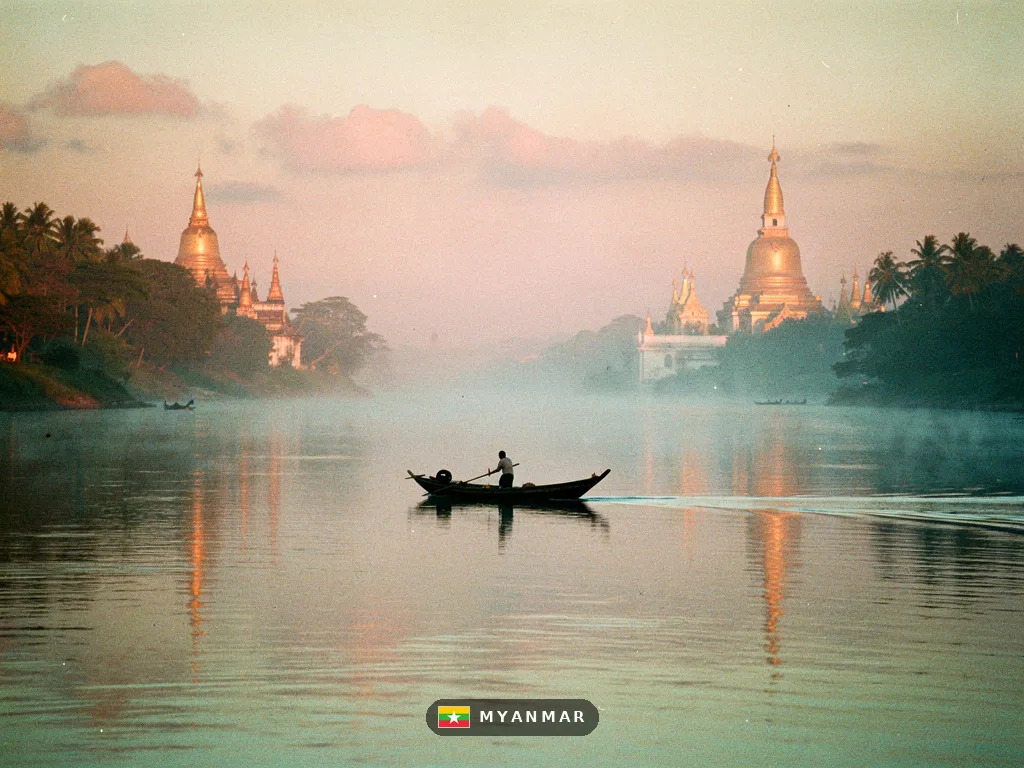
Myanmar offers a fascinating yet complex destination for anglers seeking unique fishing experiences in Southeast Asia. Whether you dream of casting for trevally in the crystal-clear waters of the Mergui Archipelago or observing traditional fishing methods on Inle Lake, understanding the local regulations is essential. This comprehensive guide covers everything you need to know about fishing in Myanmar, including whether you need a fishing license, the best fishing spots, available tours, charter options, costs, and practical travel advice for international visitors.
The country’s vast coastline along the Andaman Sea and Bay of Bengal, combined with highland lakes and mighty rivers, creates diverse fishing opportunities. However, Myanmar’s regulatory framework is primarily designed for commercial fisheries rather than recreational sport fishing. Most experiences for visitors are arranged through licensed operators who manage all necessary permits. This guide draws on official sources from the Department of Fisheries (DoF) and helps you plan a responsible, legally compliant trip.
Important Note: Regulations in Myanmar can change rapidly due to political and environmental developments. Always verify the latest requirements directly with licensed tour operators and the DoF before traveling.
01Do You Need a Fishing License in Myanmar?
One of the most common questions international anglers ask is: do you need a fishing license in Myanmar? The short answer is that there is no established recreational fishing license or sport fishing permit system designed specifically for individual tourists.
Myanmar’s fishing legislation, including the Myanmar Marine Fisheries Law and related regulations managed by the Department of Fisheries (DoF), focuses almost exclusively on commercial and industrial fishing operations. Foreigners are generally prohibited from engaging in independent commercial or semi-commercial fishing activities. Any attempt to purchase personal gear and fish independently from a pier or small boat without proper arrangements could be viewed as unauthorized.
For recreational fishing, the practical reality is that you must book through a reputable, locally registered tour operator or travel agency. These companies hold the necessary government permits to operate in specific marine or freshwater zones. This approach ensures compliance with all layers of regulation, including area-specific permissions and environmental protections. The Department of Fisheries under the Ministry of Agriculture, Livestock and Irrigation is the primary authority, and their official website (www.dof.gov.mm) provides updates on licensing for commercial vessels and joint ventures.
There are no public sales counters or online portals where individual tourists can buy a day license or annual permit for recreational angling. This stands in contrast to neighboring countries like Thailand or Vietnam, where tourist fishing licenses are more straightforward. If your trip involves any form of resource extraction (even catch-and-release), it must be facilitated by an operator who has already secured the appropriate approvals.
Protected areas and seasonal bans add another layer of complexity. Large sections of the Myeik (Mergui) Archipelago are designated as marine protected areas where commercial fishing is strictly banned to preserve biodiversity. Additionally, Myanmar enforces an annual “No-Fishing Season” typically running from April through June or July to protect spawning grounds. During these months, most offshore fishing activities are prohibited for licensed commercial vessels, which indirectly affects recreational charters.
Travelers should also be aware of broader travel permit requirements. Many coastal and ethnic regions in Myanmar are classified as “Restricted Areas” for foreigners. You may need special regional travel permits in addition to your visa. Failing to obtain these can result in serious legal consequences, regardless of fishing intentions.
Responsible operators will handle all documentation, including DoF clearances and area permits. This system, while bureaucratic, helps protect both marine resources and local communities. For cultural and conservation reasons, activities on Inle Lake are often limited to observation and demonstration rather than active sport fishing by visitors.
In summary, while no personal recreational fishing license Myanmar is required, you cannot simply fish freely. Booking with a permitted operator is not optional — it is the only legal pathway currently available for visitors. This reality shapes every aspect of planning a fishing trip to Myanmar, from choosing destinations to budgeting for guided experiences.
(Word count for this section: 578)
02Myanmar Fishing Regulations: What Every International Angler Must Know
Understanding Myanmar fishing regulations is critical before booking any trip. The country’s laws are rooted in the need to manage valuable marine and freshwater resources sustainably, especially after decades of heavy commercial pressure.
The cornerstone legislation includes the Myanmar Marine Fisheries Law and the Law Relating to the Fishing Rights of Foreign Vessels. These regulations strictly limit foreign participation in fishing activities. Independent fishing by tourists or foreign-owned vessels without explicit multi-layered government approval is considered a serious offense and can lead to vessel seizure, fines, or legal action.
The Department of Fisheries (DoF) is the key authority. According to their official portal, all commercial fishing vessels — including those used for charter or liveaboard fishing Myanmar — must hold valid licenses. Foreign entities are generally required to operate through joint ventures with local companies. For recreational visitors, this translates to the necessity of using established tour operators who already maintain these relationships.
A major feature of Myanmar fishing regulations is the annual fishing ban. This closed season, designed to protect spawning aggregations of key species, typically runs from April to July. During this period, offshore fishing is heavily restricted or entirely prohibited for licensed vessels. The exact dates can vary slightly each year based on scientific assessments, so always check current announcements via the DoF or your operator.
Marine protected areas (MPAs) cover significant portions of the Mergui Archipelago. Within these zones, extractive activities including fishing are strictly controlled or banned to preserve coral reefs, seagrass beds, and fish populations. Any fishing tour operating near these areas must demonstrate clear authorization and usually focuses on catch-and-release or educational experiences.
Freshwater regulations, particularly around Inle Lake in Shan State, emphasize cultural preservation. The iconic leg-rowing fishermen represent an important part of local heritage. Tourist activities are often restricted to cultural demonstrations rather than active angling to prevent disruption of traditional livelihoods and the fragile lake ecosystem.
For travelers from the EU, US, UK, Japan, and other countries, understanding visa requirements is equally important. Most nationalities can obtain an e-Visa for tourism (valid for 28 days, extendable in some cases). However, certain regions require additional travel permits obtainable only through approved tour companies. Citizens from countries with specific sanctions or travel advisories should carefully review their government’s latest guidance before planning a trip.
Language barriers can present challenges. While English is spoken in higher-end tourism operations, basic Burmese phrases are helpful in smaller ports. Translation apps like Google Translate work reasonably well offline once you download the Burmese language pack. Reputable operators provide English-speaking guides who understand both fishing terminology and regulatory requirements.
Safety and political stability are additional considerations. Myanmar has experienced significant internal changes in recent years, affecting travel to certain regions. Coastal areas like Ngapali and the Mergui Archipelago are generally more accessible for organized tours, but you should monitor travel advisories from your home country. Operators with strong safety records will have contingency plans and clear communication protocols.
By choosing operators who transparently share their DoF permits and work within protected area guidelines, you contribute to sustainable practices. Many high-end liveaboard fishing Myanmar experiences emphasize conservation, with strong catch-and-release policies for species like giant trevally and grouper.
The regulatory environment, while restrictive for independent fishing, helps ensure that any angling activity supports local communities and protects biodiversity. This framework distinguishes Myanmar from more developed fishing destinations in Southeast Asia.
(Word count for this section: 612)
03Best Fishing Spots in Myanmar: Mergui Archipelago, Inle Lake & Beyond
The best fishing spots Myanmar has to offer combine breathtaking scenery with remarkable biodiversity. Although recreational fishing infrastructure remains limited compared to Thailand or Indonesia, certain locations stand out for those willing to book through authorized operators.
Mergui Archipelago (Myeik Archipelago) Fishing
The Mergui Archipelago represents the premier destination for serious anglers. This remote chain of over 800 islands stretches approximately 400 km along the Andaman Sea coast in southern Myanmar. The area’s isolation has preserved rich marine ecosystems, making it one of the last true frontier fishing regions in Southeast Asia.
Experienced anglers target species such as giant trevally (GT), various snapper species, barracuda, dogtooth tuna, and grouper. The coral reefs, drop-offs, and submerged pinnacles create ideal structure for these predators. Liveaboard fishing Myanmar trips to the Mergui Archipelago typically last 7–14 days and include access to rarely fished waters where fish have limited exposure to angling pressure.
The experience of fishing here is unforgettable. Imagine waking at dawn on a luxury liveaboard vessel, sipping coffee as the first light touches limestone karsts rising dramatically from turquoise waters. You then head out in tenders to cast poppers and jigs around rocky outcrops. The explosive strikes from giant trevally in such pristine surroundings create memories that last a lifetime. The biodiversity extends beyond fish — you may spot whale sharks, manta rays, sea turtles, and even dugongs in certain seasons.
Access to the Mergui Archipelago is strictly controlled. Only a handful of high-end operators hold the necessary permits to enter these waters, including clearances for marine protected areas. This exclusivity ensures lower fishing pressure but also means trips book out months in advance. The best weather window runs from November to April, when calmer seas and lower rainfall create safer and more productive conditions.
Inle Lake Fishing
Inle Lake in Shan State offers a completely different but culturally rich experience. This highland freshwater lake, situated approximately 900 meters above sea level, is famous worldwide for its leg-rowing fishermen who use distinctive conical nets. While true sport fishing opportunities are limited due to cultural and environmental considerations, many visitors participate in operator-led trips that combine cultural observation with light fishing activities.
The lake spans about 116 square kilometers and supports endemic species including the Inle carp. Traditional fishing methods dominate, and tourist activities focus more on learning about local techniques than high-volume catch-and-release sport fishing. The surrounding mountains create a stunning backdrop, especially during the cool season from November to February when temperatures range from 10°C to 25°C (50°F to 77°F).
Experiencing Inle Lake fishing means gliding across calm waters in traditional wooden boats, watching skilled fishermen demonstrate their unique one-legged rowing style while managing nets. Some operators offer the chance to try casting with traditional gear under supervision, though this is presented as a cultural exchange rather than competitive angling. The serene setting and peaceful atmosphere provide a profound contrast to the adrenaline of deep sea fishing in the Andaman Sea.
Ngapali Beach and Rakhine Coast
Ngapali Beach on the Rakhine Coast offers more accessible opportunities for visitors staying at beach resorts. Local operators sometimes arrange half-day or full-day small boat trips into the Bay of Bengal for basic line fishing. Target species here include smaller snapper, mackerel, and various reef fish.
The experience is relaxed rather than high-adrenaline. You depart from the golden sands of Ngapali in the early morning, motor out a few kilometers, and drop lines over productive reefs. The proximity to comfortable accommodation makes this an excellent option for families or travelers combining beach holidays with light fishing. Water temperatures remain consistently warm (26–30°C / 79–86°F) year-round.
Other notable areas include sections of the Ayeyarwady River and its tributaries, where mahseer and other freshwater game fish can be targeted. However, these trips require specialized operators familiar with local permits and seasonal water levels. The post-monsoon period from October to March generally offers the best river conditions.
Each of these best fishing spots Myanmar offers distinct experiences shaped by the country’s geography and cultural context. The Mergui Archipelago delivers world-class marine sport fishing in a pristine environment, while Inle Lake provides cultural immersion. Ngapali represents the most accessible entry point for casual fishing.
Success in these locations depends heavily on working with operators who understand both the fish behavior and the complex permitting landscape. The limited number of authorized providers means that experiences tend to be exclusive and personalized, though availability can be constrained.
When planning your itinerary, consider how different spots complement each other. Many travelers combine a few days at Inle Lake for cultural contrast with a liveaboard expedition in the Mergui Archipelago for serious fishing. The diversity of environments — from highland lakes to remote tropical archipelagos — makes Myanmar a compelling destination despite its regulatory challenges.
The relatively low fishing pressure in many areas means that when you do hook into a powerful giant trevally in the Mergui waters or watch traditional fishermen at Inle, the experience feels genuine and untouched. This authenticity is perhaps Myanmar’s greatest draw for adventurous international anglers.
(Word count for this section: 928)
🎣 Fishing tours in Myanmar — Book guided fishing tours with local experts.
04Tours & Guided Experiences: Liveaboard Fishing and Cultural Angling
Fishing tours Myanmar are the only practical way for international visitors to experience angling in the country. Because of the complex regulatory environment, almost all viable options are fully organized experiences where operators manage permits, transportation, accommodation, and compliance with Department of Fisheries requirements.
High-end liveaboard fishing Myanmar expeditions to the Mergui Archipelago represent the pinnacle of what’s available. These trips typically last 7 to 14 nights and operate from November to April. Prices range from approximately $2,500 to $5,000 USD per person (roughly 2,300,000 to 4,600,000 Myanmar Kyat / 2,300–4,600 EUR) depending on vessel luxury level, duration, and included services. This might seem expensive — equivalent to a premium safari experience — but includes all meals, guiding, tackle, permits, and transfers.
These liveaboard vessels are usually 20–35 meters in length, equipped with multiple tenders for accessing shallow reef systems. Professional crews include experienced captains familiar with local waters, marine biologists or naturalists, and fishing guides skilled in both conventional and fly techniques. Many operators emphasize conservation with strict catch-and-release policies, especially for larger specimens of trevally, snapper, and grouper.
A typical day begins with an early breakfast followed by tender trips to prime fishing locations. Anglers might spend mornings casting surface lures around rocky islands for giant trevally, then move to deeper structures for jigging or bottom fishing during midday. Afternoons often include snorkeling or exploring uninhabited islands. Evenings feature fresh seafood dinners and storytelling about the day’s catches.
Smaller day tours from Ngapali Beach offer more affordable entry points. Half-day fishing trips cost around $80–$150 USD per person (75,000–140,000 Kyat / 75–140 EUR), while full-day excursions range from $150–$300 USD. These usually include basic tackle, a local guide, and sometimes lunch. The focus is more on relaxed reef fishing rather than targeting trophy fish.
Inle Lake experiences combine cultural tourism with light fishing. Full-day tours including boat transport, a local guide, and traditional fishing demonstrations typically cost $60–$120 USD per person (55,000–110,000 Kyat / 55–110 EUR). These are not high-intensity fishing trips but rather immersive cultural experiences where you learn about traditional techniques while enjoying the stunning lake scenery.
Several established operators dominate the market. High-end liveaboard companies with decades of experience in the region maintain strong relationships with local authorities, ensuring smooth permit processing. They often work with international booking platforms while maintaining local offices in Yangon or Kawthaung for logistical support.
When comparing fishing tours Myanmar, consider several factors beyond price. Vessel safety records, crew experience in the Mergui waters, environmental policies, and group size are all important. Smaller groups (4–8 anglers) generally provide better fishing experiences and more personalized attention.
For travelers from different regions, language considerations matter. Premium operators provide English-speaking guides, while more budget options may require basic translation apps. Japanese and European visitors often appreciate operators with multilingual staff.
Booking well in advance is essential, particularly for Mergui liveaboard trips. Popular dates during the peak dry season (December–March) can be reserved up to 12 months ahead. Many operators offer flexible payment options and have clear cancellation policies that account for regional political or weather uncertainties.
The guided experience extends beyond just catching fish. Knowledgeable captains explain local ecosystems, share insights about conservation challenges facing Myanmar’s marine resources, and ensure respect for both natural environments and local communities. This educational component adds significant value to the trips.
Some specialized operators focus on fly fishing for certain species in the archipelago, while others emphasize heavy-tackle jigging for dogtooth tuna and large grouper. Matching your preferred fishing style with the right operator is crucial for satisfaction.
When evaluating costs, remember that these experiences include significant overhead for permit acquisition, fuel for remote operations, and maintaining vessels to international safety standards. The higher prices compared to neighboring countries reflect both the logistical challenges and the exclusivity of accessing relatively unfished waters.
Overall, fishing tours Myanmar provide carefully managed access to remarkable fishing opportunities while navigating a complex regulatory landscape. The memories created — whether landing your first Mergui trevally at dawn or watching traditional Inle fishermen at sunset — justify the planning effort required.
(Word count for this section: 856)
🚤 Charter fishing in Myanmar — Find and book charter boats with experienced captains.
05Deep Sea Fishing, Charter Boats and Liveaboard Options
Deep sea fishing Myanmar opportunities center primarily on the Andaman Sea and the Mergui Archipelago. The region’s underwater topography — featuring steep drop-offs, submerged seamounts, and extensive coral reef systems — creates perfect habitat for large predatory species.
Common targets during deep sea trips include giant trevally, various snapper species (including mangrove red snapper), barracuda, Spanish mackerel, dogtooth tuna, amberjack, and several grouper varieties. The biodiversity is impressive, with healthy populations supported by the area’s historical inaccessibility.
Charter fishing vessels operating in Myanmar waters range from basic local boats at Ngapali to sophisticated liveaboard mother ships that carry multiple smaller fishing tenders. Most serious deep sea fishing occurs from these liveaboards because they can access remote locations far from mainland ports.
A typical 8-day liveaboard charter might accommodate 6–10 anglers and cost between $18,000 and $35,000 USD for the entire vessel (roughly 16,500,000–32,000,000 Kyat). This works out to approximately $2,250–$3,500 USD per person when fully booked. Shorter 4–5 day options are sometimes available closer to the mainland but offer less pristine fishing grounds.
The daily routine on these charters is intensive. After a safety briefing and tackle orientation, guests usually fish multiple spots per day using different techniques — popping, jigging, trolling, and bottom fishing. Professional guides help match tackle to conditions and species. Many vessels now practice high-release conservation standards, photographing trophy fish before returning them to the water.
Safety equipment on reputable charters meets international standards, including life rafts, EPIRBs, and trained crew members. However, the remote nature of the Mergui Archipelago means medical evacuations can take many hours. This reality makes comprehensive travel insurance with emergency medical and repatriation coverage essential.
Seasonality significantly affects success rates. The optimal period for deep sea fishing Myanmar runs from late October through early May, avoiding the southwest monsoon. December through March generally offers the calmest seas and most consistent fishing. Water temperatures during this period range from 27–29°C (81–84°F).
Comparisons with neighboring countries are useful for context. While Thailand offers more infrastructure and easier access, many experienced anglers report that fish in the Mergui Archipelago show less wariness due to lower angling pressure. This can result in more aggressive strikes and higher quality fish.
For fly fishing enthusiasts, certain operators have developed specialized programs targeting permit and trevally on shallow flats within the archipelago. These trips require specific casting skills and lighter tackle but can produce incredibly rewarding experiences in stunning surroundings.
All legitimate charter operations will provide clear documentation of their Department of Fisheries permits and any marine protected area authorizations. Never book with operators unable or unwilling to provide this information, as the legal risks are significant.
The emotional reward of deep sea fishing in Myanmar goes beyond the fish. The combination of untouched islands, bioluminescent waters at night, and the camaraderie of small groups on liveaboards creates a unique bond among participants. Many return year after year, drawn by both the fishing and the sense of exploration.
(Word count for this section: 528)
06Fishing Equipment, Costs and Practical Considerations
When preparing for fishing in Myanmar, equipment choices should balance quality with practicality. Most liveaboard operators provide high-quality rods, reels, and terminal tackle tailored to local conditions, which can save significant luggage weight and potential import complications.
If you prefer bringing your own gear, focus on robust saltwater equipment capable of handling powerful fish in tropical conditions. For Mergui Archipelago trips, pack heavy popping rods (7–8 ft, 50–80 lb class), jigging setups, and reels with high drag capacity (at least 15–25 kg). Bring multiple spools of braided line in 50–80 lb test. Fly anglers should consider 10–12 weight rods with floating and intermediate lines.
Basic costs for a serious 8-day Mergui liveaboard fishing trip typically break down as follows:
Total estimated cost per person for a quality experience ranges from $3,800–$6,000 USD. This is comparable to a mid-range safari in Africa or a premium bonefishing trip in the Caribbean.
For more casual Ngapali day trips, expect to pay $100–$250 USD per day including boat, guide, and basic tackle. Inle Lake cultural fishing experiences cost $70–$150 USD per day.
Currency fluctuations can affect pricing since many operators quote in USD but accept payment in various currencies. Check current exchange rates for the Myanmar Kyat, though many tourism services operate on a dollarized basis.
Equipment rental is widely available through operators. Rental costs for quality setups typically run $30–$60 USD per day. This option works well for travelers who don’t want to transport heavy fishing gear internationally.
When selecting equipment, consider the harsh marine environment. Saltwater corrosion happens quickly in tropical humidity, so prioritize stainless steel and titanium components where possible. Quality polarized sunglasses, sun protection, and reef-safe sunscreen are essential regardless of fishing style.
For travelers bringing their own tackle, check current customs regulations. While personal fishing gear for personal use is generally allowed, quantities that suggest commercial intent can raise questions. Keep equipment clearly for personal use and declare it if required.
The costs, while higher than many Asian destinations, reflect the logistical challenges of operating in remote areas with limited infrastructure. When you consider the exclusivity and quality of the fishing, many anglers find the investment worthwhile.
(Word count for this section: 512)
🛒 Fishing equipment for Myanmar — Find the right gear for your trip.
07Practical Travel Info: Getting There, Visas, Safety and Local Culture
International travelers to Myanmar typically arrive via Yangon International Airport (RGN), which receives direct flights from major Asian hubs including Bangkok, Singapore, Kuala Lumpur, and Hong Kong. From Yangon, domestic flights or road transfers connect to fishing departure points like Kawthaung for Mergui trips or Heho for Inle Lake.
Visa requirements vary by nationality. Most EU, US, UK, and Japanese citizens can obtain an e-Visa online for tourism purposes. The standard e-Visa allows a 28-day stay and costs approximately $50 USD. Processing usually takes 3–5 business days. However, some regions require additional regional travel permits that must be arranged through licensed tour operators.
Health preparations should include standard vaccinations plus hepatitis A and typhoid. Malaria prophylaxis may be recommended for certain rural areas — consult a travel doctor familiar with Southeast Asia. COVID-related requirements have largely been lifted but can change; check latest updates before departure.
Safety considerations remain paramount. Myanmar has experienced political instability in recent years, leading many governments to issue travel advisories for certain regions. Organized fishing tours to the Mergui Archipelago and Ngapali generally operate in areas considered relatively stable for tourism, but this situation can change. Always register with your embassy’s traveler program and maintain flexible plans.
Local culture emphasizes respect and modesty. When visiting Inle Lake, dressing conservatively and following your guide’s instructions regarding interaction with local fishermen demonstrates cultural sensitivity. Photography of people should only occur with clear permission.
Language barriers exist outside major tourism operations. Learning basic Burmese phrases such as “thank you” (chézù tinbade) and using translation apps can enhance your experience. High-end fishing operators provide excellent English-speaking support.
Transportation within the country often involves domestic flights operated by reliable carriers. Roads can be challenging, particularly during the rainy season (May–October), making flying the preferred option for reaching fishing destinations efficiently.
Banking and money matters require planning. ATMs are increasingly common in major towns but may not always work with international cards. Carrying sufficient USD in clean, new bills remains the most reliable approach. Credit cards are accepted at higher-end hotels and operators but not universally.
Mobile connectivity has improved significantly. Getting a local SIM card upon arrival provides affordable data. For seamless connectivity without purchasing physical SIMs, consider digital solutions that work across borders.
The best time to visit depends on your hemisphere and fishing goals. For Northern Hemisphere anglers, the dry season from November to April offers optimal weather and fishing conditions. Southern Hemisphere travelers might find the shoulder seasons (October and May) less crowded while still productive.
Cultural experiences often become highlights of any trip. Learning about traditional fishing methods at Inle Lake or understanding the complex history of coastal communities adds depth to your journey beyond simply catching fish.
(Word count for this section: 498)
📱 Stay connected in Myanmar — Get an eSIM for affordable mobile data while traveling.
🚗 Rent a car in Myanmar — Compare prices from 500+ rental companies worldwide.
08FAQ – Frequently Asked Questions About Fishing in Myanmar
Do you need a fishing license in Myanmar for recreational fishing?
No specific recreational fishing license exists for tourists. However, you must book all fishing activities through a licensed local operator who holds the necessary Department of Fisheries permits. Independent fishing is not permitted for foreigners and can result in serious legal consequences. This system ensures compliance with marine protection laws and supports sustainable practices.
What are the best months for deep sea fishing in the Mergui Archipelago?
The optimal season runs from November to April, with December through March generally offering the calmest seas and most consistent fishing. The annual fishing ban typically occurs between April and July, making summer months unsuitable for offshore activities. Weather and fish behavior are most predictable during the dry season.
Is the Mergui Archipelago suitable for beginners or only experienced anglers?
While beginners can certainly enjoy the experience with proper guidance, the remote nature of the archipelago and the power of local fish species mean that some prior fishing experience is advantageous. Most operators provide instruction and can adjust techniques for different skill levels. The cultural and natural experience remains rewarding regardless of catch rates.
How does fishing in Myanmar compare to Thailand or Indonesia?
Myanmar offers greater exclusivity and lower fishing pressure in the Mergui region compared to more developed destinations like Thailand. However, infrastructure is less developed, and regulatory requirements are stricter. The fishing quality can be exceptional due to pristine environments, but trips require more advance planning and higher budgets.
What species can I realistically expect to catch in Myanmar waters?
In marine environments, expect encounters with giant trevally, various snapper, barracuda, dogtooth tuna, and grouper. Freshwater locations like Inle Lake feature carp and other native species. Success rates depend heavily on seasons, locations, and weather conditions. Many operators practice catch-and-release to ensure sustainability.
Are there any health or safety concerns specific to fishing trips in Myanmar?
Remote locations mean that medical facilities are limited. Comprehensive travel insurance covering emergency evacuation is essential. Standard tropical health precautions apply, including protection against mosquitoes. Political developments can also affect accessibility, making it important to stay informed through official channels and your operator.
Can I combine fishing with other tourist activities in Myanmar?
Yes. Many itineraries successfully combine Inle Lake cultural experiences with beach time at Ngapali or urban exploration in Yangon before or after a Mergui liveaboard trip. Professional operators can design multi-activity journeys that respect local regulations while providing diverse experiences.
What should I pack specifically for a Myanmar fishing trip?
Focus on quick-drying clothing, strong sun protection, polarized sunglasses, motion sickness remedies, and any personal medications. Most operators supply core fishing tackle, but dedicated anglers often bring favorite reels or lures. Check current customs regulations regarding fishing gear before departure.
(Word count for FAQ section: 512)
09Conclusion
Fishing in Myanmar offers a rare combination of pristine waters, remarkable biodiversity, and cultural richness that rewards those willing to navigate its unique regulatory environment. While the absence of a simple recreational fishing license and the requirement to work through permitted operators adds complexity, the experiences available — particularly in the Mergui Archipelago — are genuinely world-class.
By choosing reputable operators who maintain transparent relationships with the Department of Fisheries, you can enjoy safe, legal, and memorable fishing adventures while contributing to conservation efforts. Whether you seek the adrenaline of battling giant trevally in turquoise waters or the peaceful cultural immersion of Inle Lake, Myanmar provides experiences found nowhere else in Southeast Asia.
Plan carefully, respect local regulations and communities, and prepare for an adventure that extends far beyond simply catching fish. The combination of untouched marine ecosystems and ancient cultural traditions creates fishing journeys that stay with you long after returning home.
For the latest information, always consult directly with licensed operators and check official government sources before finalizing your travel plans. Responsible travel ensures that these remarkable fishing opportunities remain available for future generations.
10Sources & Further Links
Disclaimer: This article was written in 2026. Fishing regulations, permit requirements, costs, and political situations in Myanmar can change at any time. The information provided is for planning purposes only and does not replace professional advice. Always consult with licensed local operators, the Department of Fisheries, and your government’s travel advisory service before booking any fishing trip to Myanmar. The authors and FishingWorldGuide.com assume no liability for any incidents, legal issues, or changes that may occur based on this information.
Don't miss any fishing tips!
Get the best fishing destination recommendations weekly in your inbox.
No spam. Unsubscribe anytime.
Data incorrect?
Help us keep this article up to date — report outdated or incorrect information
More articles