Freshwater Fishing
Lakes, rivers, reservoirs, ponds — pike, bass, walleye, trout, carp, catfish. Accessible, regional, deeply local.
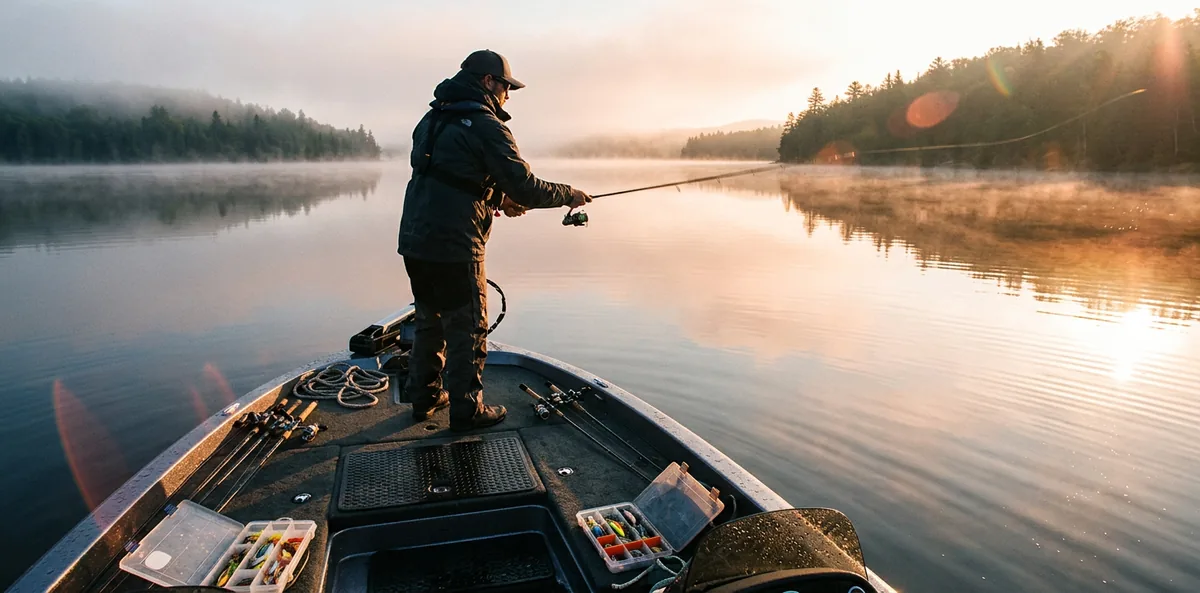
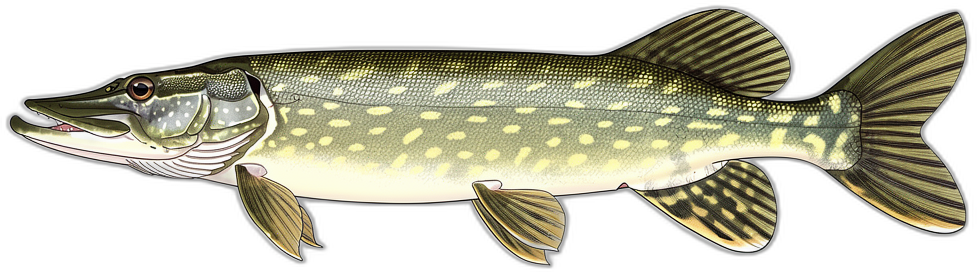
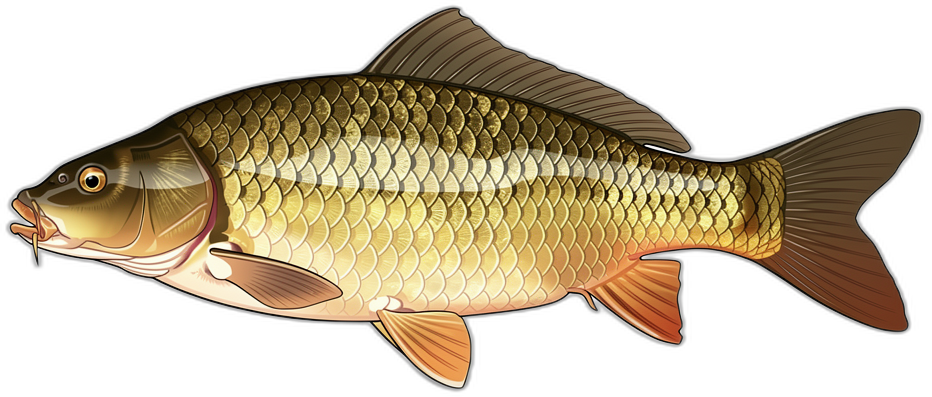
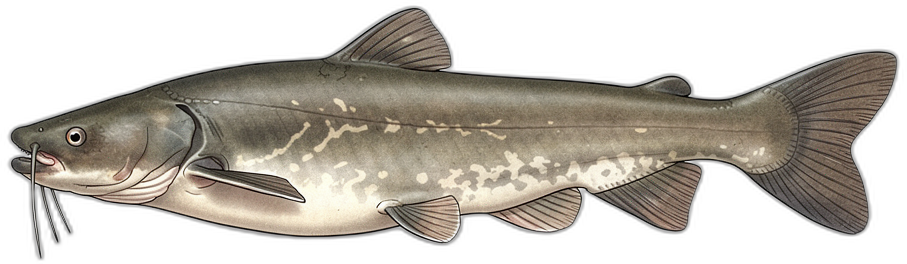
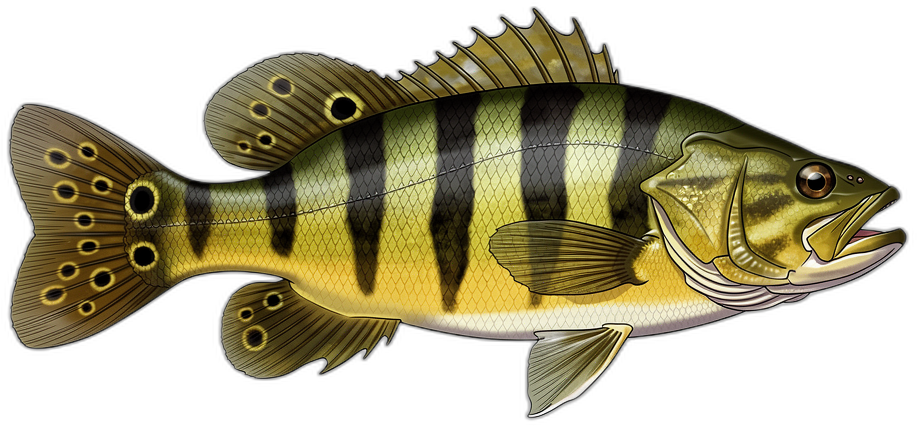
Freshwater fishing is the most-practiced form of fishing globally. Every lake, river, and pond holds species — from European common carp and pike, to North American largemouth bass and walleye, to South American peacock bass and arapaima, to Mongolian taimen and African tigerfish.
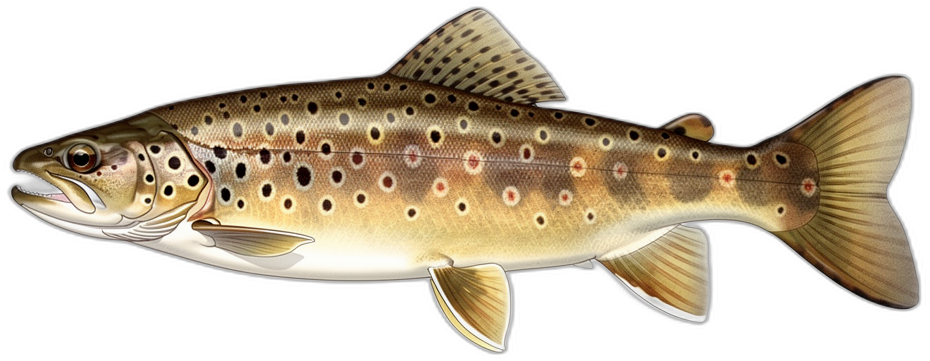
The styles are as varied as the waters. European coarse fishing uses long match rods and small hooks for carp and bream. American bass fishing runs heavy spinning + casting tackle from bass boats with electronics, casting plastic worms and crankbaits at structure. Pike fishing goes from light jerkbait drifts to big streamer fly-fishing in northern Europe and Canada. Trout fishing splits between fly-fishing tradition and modern spinning + spoons. Carp fishing in Europe is its own discipline — boilies, hair rigs, bivvy camps for multi-day sessions.
Freshwater is where most anglers learn the craft. Local lakes, regional rivers, accessible licenses, no boat needed. The skill set transfers: reading structure, understanding seasonal patterns, choosing the right lure, working it correctly.
Destination freshwater fishing has its own world: Mongolia's taimen rivers, Russia's Volga delta carp, Brazil's Amazon peacock bass, Argentina's Patagonia trout, India's Himalayan mahseer, Canada's northern pike + lake trout lodges, US bass tournament circuit lakes (Texas Toledo Bend, Florida Lake Okeechobee).
Target species


Recommended techniques
Tackle & equipment
Top destinations
Safety & regulations
Most freshwater hazards are environmental: cold water hypothermia, slippery rocks in rivers, lightning on open lakes, ice unsafe in spring/fall. Many regions have strict species-specific licenses, slot limits, and seasonal closures. Invasive-species rules apply in many jurisdictions (clean boats between waters).