Fly Fishing
Artificial fly + specialized rod, the most refined casting method. Trout streams, salmon rivers, saltwater flats.
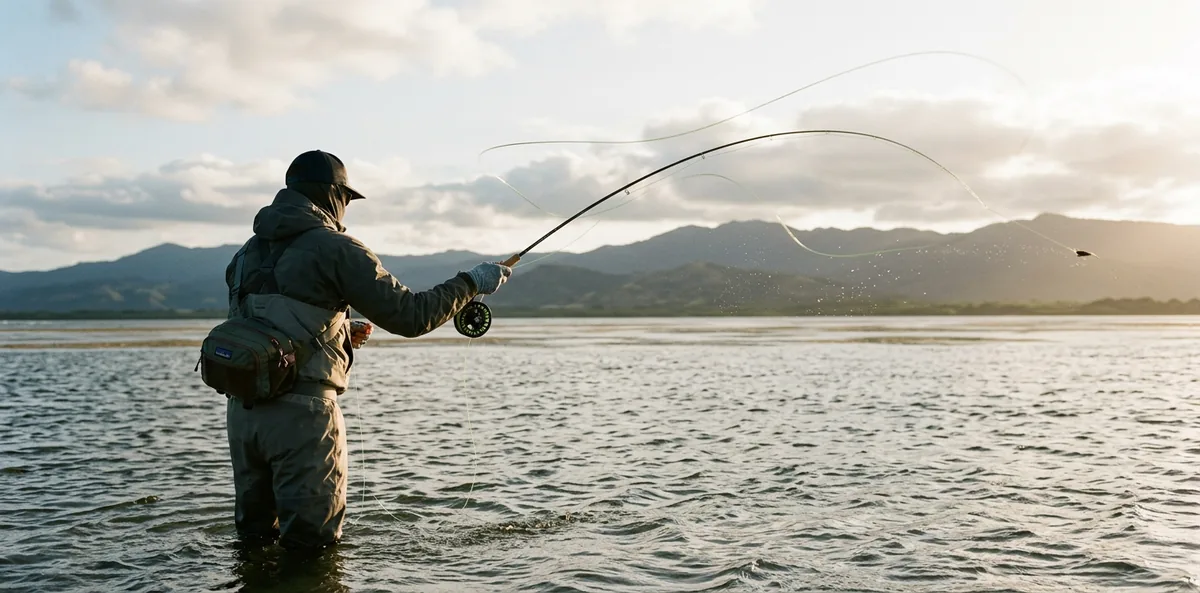
Fly fishing uses the weight of the line — not the lure — to deliver a nearly weightless artificial fly to the fish. The rod is long (8–10 ft) and tip-flexible. The line is heavy and tapered. The cast is rhythmic, building energy through false-casts before laying the fly down. Done well, it's the most precise presentation in fishing.
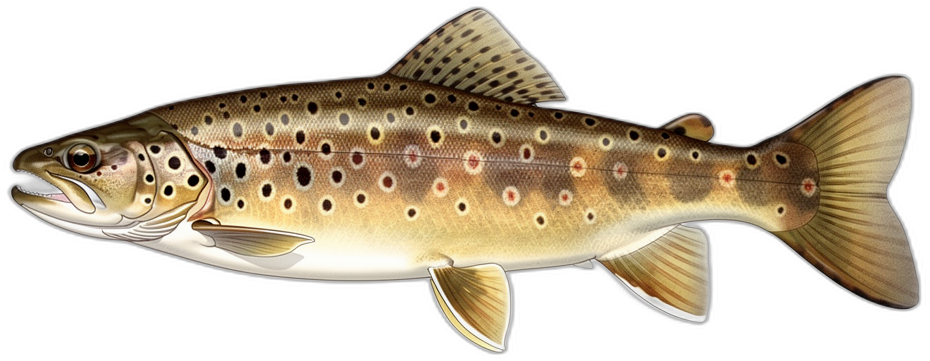
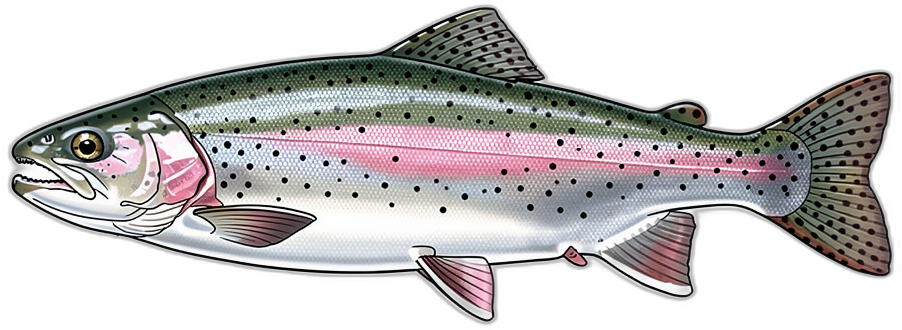
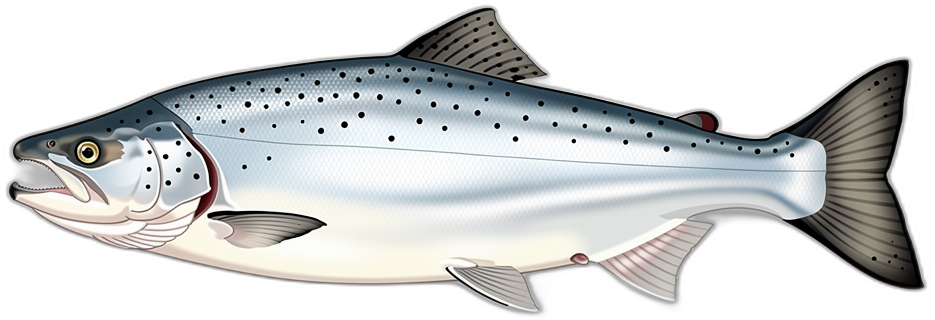
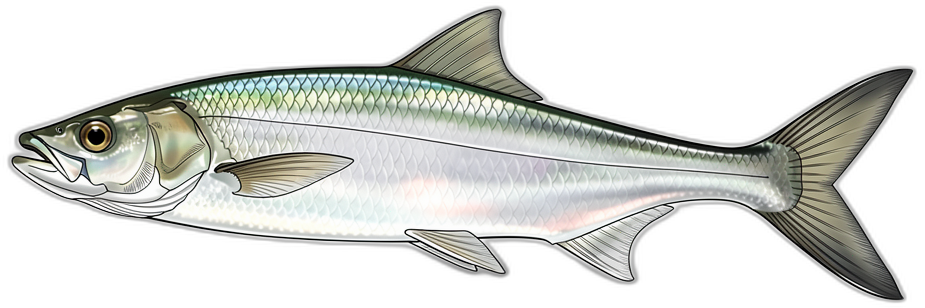
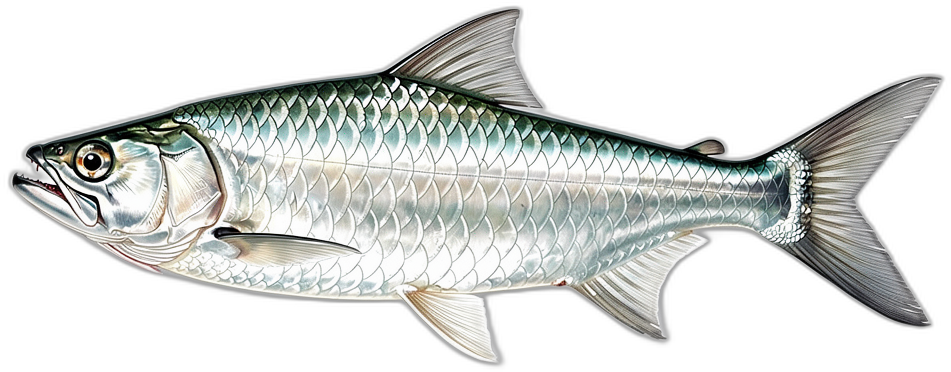
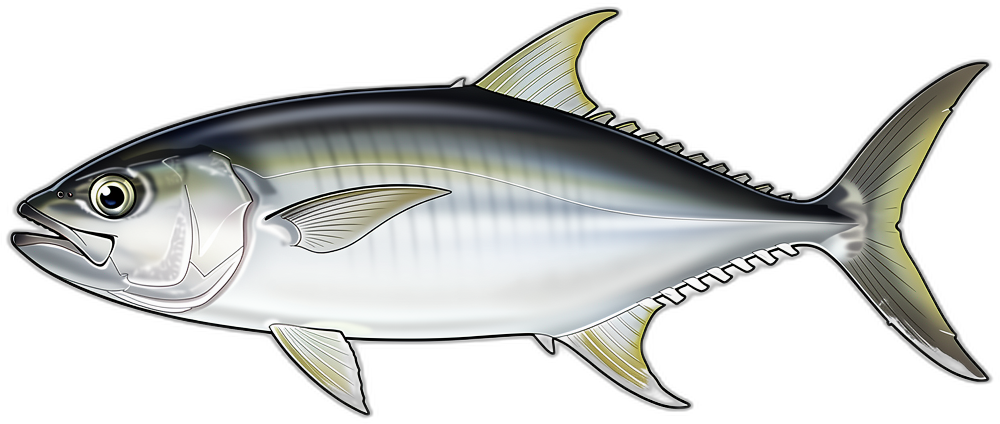
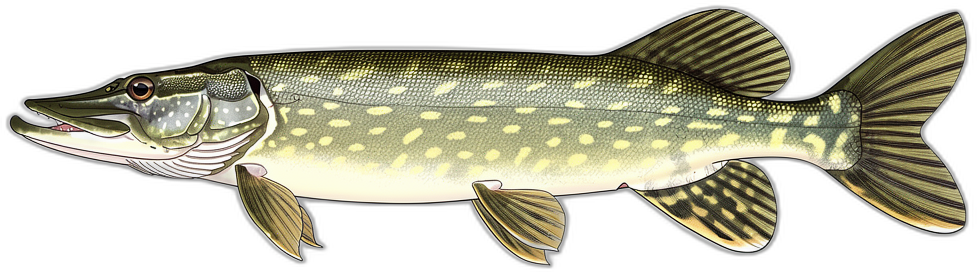
The roots are freshwater: trout in mountain streams, salmon and steelhead in rivers, grayling and char in alpine lakes. Modern fly fishing covers everything — pike on big streamers, carp on bread flies, tarpon and bonefish on saltwater flats, sailfish on teaser-and-switch fly setups offshore, even tuna on poppers.
Three fly types: dry flies float on the surface (mayfly, caddis, stonefly imitations), nymphs sink subsurface to imitate larvae and emerging insects, streamers swim like baitfish or leeches. Each has a tactical purpose — read the water, identify what the fish are eating, match the hatch.
Fly fishing has cultural weight. Norwegian Atlantic salmon rivers (Alta, Gaula, Namsen), Scottish chalk streams, Russian Kola Peninsula, New Zealand South Island, Patagonia (Argentina, Chile), Iceland's brown trout, Slovenia's marble trout, Mongolia's taimen — these are pilgrimages, not just trips. Saltwater fly fishing has its own world: Bahamas bonefish, Belize permit, Seychelles GTs, Christmas Island.
Target species

Recommended techniques
Tackle & equipment
Top destinations
Safety & regulations
Wading rivers — slippery rocks, hypothermia, swift currents. Backcast can hook bystanders, anglers, or boat captains — stay aware of the area behind you. Saltwater fly demands strong wind-handling skills (cross-wind 15–25 knots is normal). Sun + reflection injuries on flats. Some salmon and trout fisheries require licenses + beat reservations months ahead.