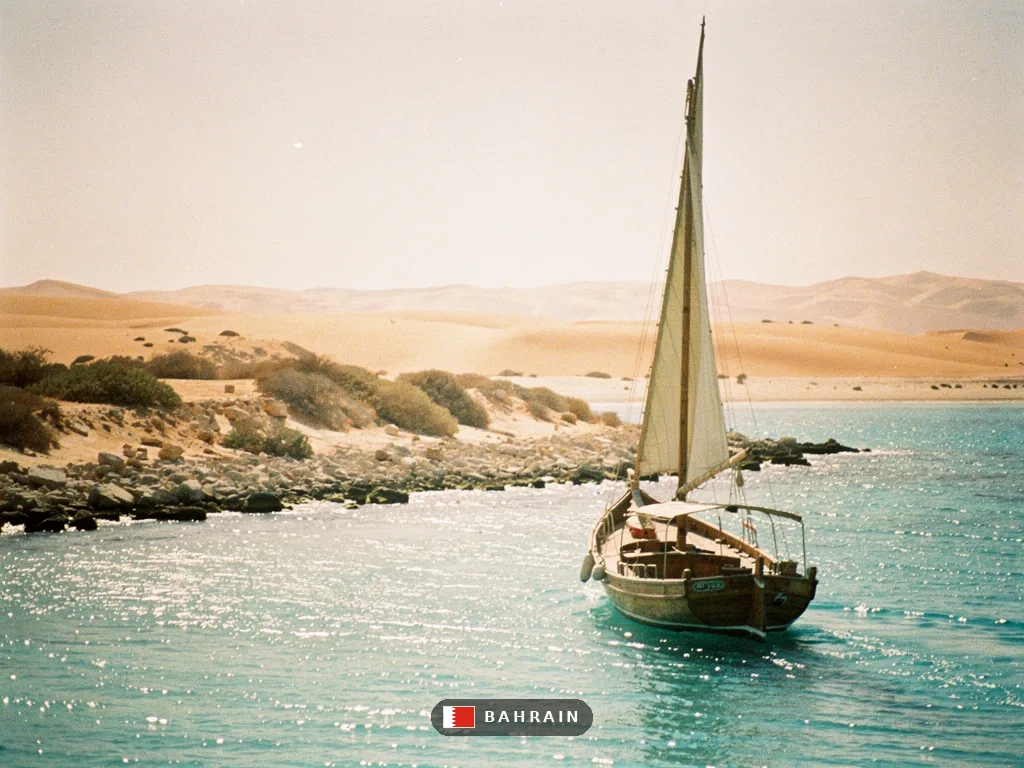
Imagine casting a line into the warm, turquoise waters of the Arabian Gulf, where the desert meets the sea under a blazing sun. The thrill of hooking a powerful hamour (grouper) or a lightning-fast kingfish while surrounded by the modern skyline of Manama and the historic pearl-diving heritage of Bahrain creates an unforgettable fishing experience. Whether you are an international traveler seeking deep sea fishing Bahrain adventures or a recreational angler hoping to understand the local rules, this comprehensive guide covers everything you need to plan a successful trip.
Bahrain offers a unique blend of traditional Arabian Gulf fishing and modern charter services. However, the regulatory environment is tightening. This article explains current fishing permit requirements, the best fishing spots, how to book professional tours safely, what species you can target, travel logistics, and realistic costs — all tailored for visitors from Europe, North America, Asia, and beyond.
01Do You Need a Fishing License in Bahrain?
One of the most common questions from international visitors is: do you need a fishing license in Bahrain?
The answer is nuanced and important for your safety and legality. Commercial and professional fishing licenses remain strictly reserved for Bahraini nationals who meet specific age, fitness, and residency criteria. For recreational fishing, the Kingdom is undergoing significant regulatory changes aimed at protecting its marine resources.
Currently, there is no official tourist fishing license available for purchase by visitors. The Supreme Council for Environment (SCE) and the Coast Guard maintain strict oversight of Bahrain’s territorial waters. New legislation is being implemented to restrict or ban the use of nets, traps, and certain non-commercial methods by unlicensed individuals.
Key takeaway: As a tourist or short-term visitor, you should not attempt to fish independently. The safest and only recommended way to enjoy recreational fishing in Bahrain is to book an excursion with a licensed, professional charter operator. These companies hold the necessary vessel permits, understand current restrictions, and ensure compliance with all marine conservation rules.
This approach protects you from potential fines (which can reach 1,000 Bahraini Dinars / approx. 2,450 EUR / 2,650 USD), vessel impoundment, or other penalties. Licensed operators also provide all required safety equipment and handle any necessary documentation with the Ministry of Transportation and Telecommunications.
Tip: Always confirm the operator’s license status directly with the Supreme Council for Environment or through the Bahrain Government Portal before booking.
02Understanding Current Fishing Regulations in Bahrain
Bahrain takes marine conservation seriously. The waters of the Arabian Gulf support rich biodiversity, but face pressure from urban development, climate change, and historical overfishing. Regulations are therefore dynamic and subject to frequent updates.
Prohibited Actions and Export Rules
It is strictly prohibited to export any fish or shrimp caught in Bahraini waters. The only exceptions are certain crabs and jellyfish. Attempting to take your catch home on an international flight will likely result in confiscation and possible legal consequences at the airport.
Seasonal Closures and Species Bans
Several commercially important species are subject to seasonal bans, typically during spawning periods in spring (often April–May). Protected or restricted species during these times include:
Shrimp and crab fisheries also face multi-month seasonal closures — frequently around six months for shrimp. Your charter captain will know the exact current status on the day of your trip. Ignoring closures can lead to heavy fines or prosecution.
Minimum Size Limits
To protect juvenile fish stocks, strict minimum length requirements are enforced. You must immediately and safely release any fish below these sizes:
These limits are actively monitored. Violations can result in fines up to 1,000 BD (2,450 EUR / 2,650 USD) and, in serious cases, imprisonment. Professional guides will help you measure catches quickly and practice proper catch-and-release techniques when required.
Marine Movement Restrictions
As of March 2026, the Coast Guard has introduced temporary daily restrictions on marine movement in certain zones. Fishing and leisure vessels are often prohibited from operating between 6:00 PM and 4:00 AM. These restrictions can change with security or environmental considerations, so always verify the latest notices with your operator or via official government channels.
Permitted Fishing Methods
Increasing restrictions apply to nets, traps, and certain handline setups. Licensed charter operators use only approved, legal equipment that complies with current SCE and Ministry of Municipalities Affairs and Agriculture directives. This removes the guesswork and risk for visiting anglers.
Regulations may change by ministerial decree. The information in this guide reflects the best available data at the time of writing. Always consult the Supreme Council for Environment (SCE), the Ministry of Municipalities Affairs and Agriculture, or the official Bahrain Government Portal for the latest announcements.
03Best Fishing Spots in Bahrain
The best fishing spots in Bahrain are concentrated around the islands’ varied coastal environments — from shallow flats and coral patches to deeper channels and offshore reefs in the Arabian Gulf. While exact GPS coordinates of productive marks are closely guarded by local captains, here are the main areas that consistently produce exciting Arabian Gulf fishing action.
Northern and Northwestern Waters
The waters north of Manama toward the King Fahd Causeway offer access to productive reefs and drop-offs. This area is popular for hamour fishing Bahrain. Groupers often inhabit rocky structures and artificial reefs placed to enhance fish stocks. Expect strong fights in water depths ranging from 10 to 30 meters (33–100 ft).
Eastern and Southeastern Coast
The eastern side of the main island and the smaller islands (such as Muharraq and Sitra) provide excellent opportunities for kingfish fishing. These powerful predators, also known locally as kanad, patrol the channels and feed aggressively on baitfish. Early morning or late afternoon drifts in 15–40 meters (50–130 ft) of water can produce explosive strikes.
Offshore Deep-Sea Grounds
For serious deep sea fishing Bahrain enthusiasts, charters head further into the Gulf, sometimes 20–50 km (12–31 miles) from shore. These trips target larger pelagic species including tuna, wahoo, barracuda, and bigger kingfish. The clear waters and structure provided by old wrecks and submerged pipelines create natural fish aggregating points.
Intertidal and Lagoon Areas
During certain tidal windows, the shallow lagoons and flats around the southern part of Bahrain can offer light-tackle sport. While these areas are more restricted due to environmental sensitivity and movement regulations, licensed operators may offer specialized trips targeting smaller species or crabs when conditions allow.
The scenery is striking — imagine fishing against a backdrop of towering skyscrapers, traditional dhow boats, and the vast desert horizon. The water temperature typically ranges between 20°C (68°F) in winter and 32°C (90°F) in summer, creating year-round fishing possibilities with seasonal shifts in dominant species.
Many visitors describe the experience as both relaxing and adrenaline-fueled: the call to prayer echoing across the water at dawn, the anticipation as the captain slows the boat near a reef, and the sudden scream of a reel when a big hamour dives for cover.
04Target Species: What You Can Catch in Bahrain
The Arabian Gulf around Bahrain supports a diverse fishery. Here are the most sought-after species for recreational anglers:
Local captains often use a mix of live bait, jigs, and trolling techniques. Many operators practice selective harvesting, keeping only what you can realistically eat during your stay and releasing the rest.
05Tours & Guided Experiences
Given the regulatory situation, fishing tours Bahrain booked through professional operators represent the only practical way for most visitors to fish legally and safely.
Licensed charters typically include:
Popular trip durations range from 4-hour inshore trips to full-day or even multi-day offshore expeditions. Many operators are based around Manama, Juffair, or the marinas in the south.
Language is rarely a barrier. Most professional captains speak good English, and larger operators employ multilingual guides. For travelers from non-English speaking countries, using translation apps such as Google Translate can still be helpful for specific fishing terminology.
🎣 Fishing tours in Bahrain — Book guided fishing tours with local experts.
06Charter Fishing in Bahrain: Options and Prices
Bahrain fishing charters vary widely in size, comfort, and target species. Here is an overview of typical offerings (prices converted approximately as of 2026 rates; always confirm current pricing):
| Trip Type | Duration | Typical Price (BD) | Approx. EUR | Approx. USD | What’s Included |
|------------------------|----------|---------------------|-------------|-------------|-----------------|
| Inshore Reef Fishing | 4 hours | 120–180 | 290–440 | 320–480 | Tackle, bait, soft drinks, up to 4 anglers |
| Half-Day Kingfish/Hamour | 6–7 hours | 200–280 | 490–685 | 530–745 | All gear, lunch, ice, filleting |
| Full-Day Deep Sea | 8–10 hours | 350–550 | 855–1,345 | 930–1,460 | Premium boat, full meals, professional crew |
| Private Sunset Cruise + Light Fishing | 3 hours | 180–250 | 440–610 | 480–665 | Ideal for couples or families |
These prices are per boat, not per person. Sharing a charter with friends or other travelers significantly reduces the individual cost — often making it comparable to a nice restaurant dinner in Manama.
Larger vessels (10–15 meters / 33–50 ft) with twin engines, fighting chairs, and air-conditioned cabins command premium rates but offer greater comfort during the hot summer months. Smaller, traditional wooden dhow-style boats provide a more cultural experience at lower cost.
Many operators offer custom packages that combine fishing with sightseeing — for example, a morning fishing trip followed by a visit to the Bahrain National Museum or a traditional pearl diving experience.
🚤 Charter fishing in Bahrain — Find and book charter boats with experienced captains.
07Best Time to Fish in Bahrain
Bahrain enjoys a subtropical desert climate, offering two distinct fishing seasons that appeal to travelers from both Northern and Southern hemispheres.
Winter (November–March): This is widely considered the prime season. Air temperatures are pleasant (18–25°C / 64–77°F) and water temperatures remain comfortable. Kingfish and hamour are very active. This period suits visitors from Europe and North America escaping cold winters.
Summer (May–September): Extremely hot (often exceeding 40°C / 104°F during the day). However, early morning and evening trips can still be productive, especially for pelagic species. Many serious anglers choose this period for fewer crowds and excellent wahoo and tuna fishing. Travelers from Australia and New Zealand often find this aligns with their winter.
Avoid booking during the main Eid holidays and National Day periods when local families crowd the waters and some operators are fully booked.
08Equipment and What to Bring
Licensed charters supply all necessary fishing tackle, but dedicated anglers often prefer to use their own reels and terminal tackle.
Recommended personal items to pack:
For deep sea fishing Bahrain trips, heavy spinning or conventional reels in the 30–50 lb class paired with braided line are ideal. Lighter tackle (10–20 lb) works well for inshore species.
🛒 Fishing equipment for Bahrain — Find the right gear for your trip.
09Practical Travel Information for Visiting Anglers
Visa Requirements
Most nationalities can obtain a visa on arrival or an eVisa through the official Bahrain portal. Citizens of the EU, US, UK, Japan, Australia, and many GCC countries enjoy visa-free entry or simplified processes for stays up to 14 or 30 days. Check the latest requirements on before travel, as rules can change.
Getting to Bahrain
Bahrain International Airport (BAH) is well connected with direct flights from major hubs in Europe (London, Frankfurt, Paris), Asia (Singapore, Bangkok, Tokyo), and the Middle East. Airlines such as Gulf Air, Emirates, Qatar Airways, British Airways, and Lufthansa serve the airport regularly.
Getting Around
Taxis, ride-hailing apps (Uber and local alternatives), and rental cars are readily available. Public buses are inexpensive but less convenient for reaching marinas early in the morning.
🚗 Rent a car in Bahrain — Compare prices from 500+ rental companies worldwide.
Accommodation
Luxury hotels in Manama and Juffair (Four Seasons, Ritz-Carlton, InterContinental) offer convenient access to marinas. More budget-friendly options exist in smaller hotels and Airbnb rentals. Many charters can collect you directly from your hotel.
Language and Communication
Arabic is the official language, but English is widely spoken in business, tourism, and among charter captains. Download offline translation apps and have a local SIM card or eSIM for navigation and communication.
📱 Stay connected in Bahrain — Get an eSIM for affordable mobile data while traveling.
Currency and Costs
The Bahraini Dinar (BD) is the local currency. 1 BD ≈ 2.45 EUR ≈ 2.65 USD. Bahrain is a relatively expensive destination, but fishing charter costs compare favorably with similar experiences in Dubai or the Maldives. A half-day shared charter might cost roughly the same as a good dinner for two in a Manama restaurant.
Cultural Considerations
Respect local customs — dress modestly when not on the boat, avoid public displays of affection, and be mindful during Ramadan. Alcohol is available in hotels and licensed venues but not widely in public.
Health and Safety
No specific vaccinations are required beyond standard travel ones. The sun is intense — stay hydrated. Most charter boats carry basic first aid and are equipped with VHF radio. Bahrain has excellent modern hospitals if needed.
10FAQ – Fishing in Bahrain
Do you need a fishing license in Bahrain as a tourist?
No official tourist fishing license exists. You must book through a licensed professional charter operator who manages all legal requirements.
Can I keep the fish I catch?
You may keep a limited quantity for personal consumption during your stay, provided they meet minimum size limits and are not under seasonal ban. Exporting fish is strictly prohibited.
What is the best time of year for hamour fishing in Bahrain?
Winter months (November–March) generally offer the most pleasant conditions and active feeding for hamour and kingfish.
Are there fishing restrictions near protected areas?
Yes. Several marine protected zones exist. Licensed captains know these boundaries and will keep you in legal fishing areas.
Is deep sea fishing in Bahrain suitable for beginners?
Yes. Many charters cater to all experience levels and provide patient instruction. Children are often welcome on family-oriented trips (with life jackets provided).
What happens if I catch an undersized fish?
You must release it immediately and carefully. Professional guides will demonstrate proper techniques to maximize survival rates.
Can women and families participate in fishing tours in Bahrain?
Absolutely. Many operators welcome mixed groups and families. Modest clothing suitable for sun protection is recommended.
How early should I book a charter fishing trip in Bahrain?
Booking 2–4 weeks in advance is advisable, especially during winter peak season and around public holidays.
11Conclusion
Fishing in Bahrain offers a remarkable window into the rich marine life of the Arabian Gulf, combining thrilling sport with cultural discovery. While independent recreational fishing faces increasing restrictions, professional charter fishing in Bahrain provides a safe, legal, and highly enjoyable way to experience the destination.
By choosing reputable operators, respecting size limits and seasonal closures, and staying informed through official channels like the Supreme Council for Environment, you can create memories that last a lifetime — whether battling a big hamour at sunrise or enjoying the camaraderie of a successful day on the water.
Start planning your trip today. Book a charter, prepare your tackle, and get ready to discover why so many international anglers are adding Bahrain to their fishing bucket list.
12Sources & Further Links
Disclaimer: This guide is for informational purposes only and does not constitute legal advice. Fishing regulations in Bahrain are subject to change by ministerial decree in 2026 and beyond. Always verify the latest rules directly with the Supreme Council for Environment (SCE), Coast Guard, or other competent authorities before your trip. The authors and publishers bear no responsibility for any penalties, losses, or incidents arising from fishing activities in Bahrain.
Don't miss any fishing tips!
Get the best fishing destination recommendations weekly in your inbox.
No spam. Unsubscribe anytime.
Data incorrect?
Help us keep this article up to date — report outdated or incorrect information
More articles