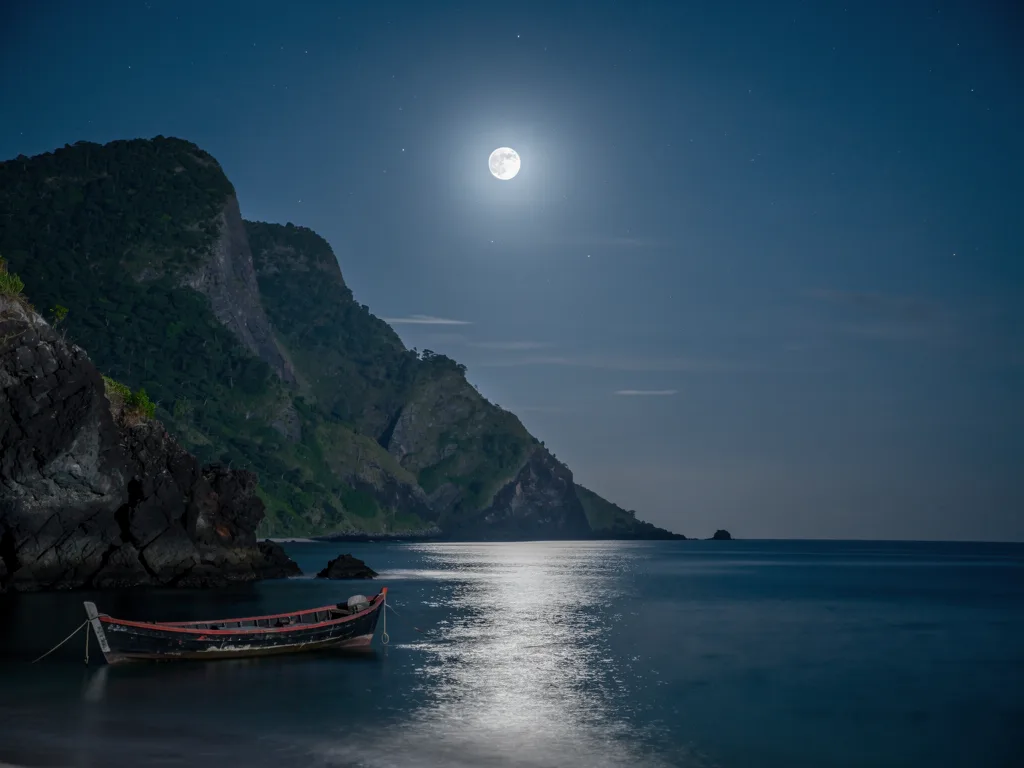
Imagine casting a popper at dawn along a pristine reef wall that drops straight into the 3,300-metre (10,800 ft) abyss of the Timor Trench. Giant Trevally (GT) explode on your lure while sailfish and yellowfin tuna patrol just a few kilometres offshore. Welcome to fishing in Timor-Leste (East Timor) — one of Asia’s last true frontier angling destinations.
This young nation, independent since 2002, offers an experience that feels completely raw and untouched. With virtually no fishing license required for recreational tourists, world-class deep-sea fishing accessible from the shore in places, and marine biodiversity supported by the massive Timor Trench, Timor-Leste is rapidly gaining attention among serious international anglers seeking something different from the crowded waters of Thailand, Indonesia or Australia.
In this comprehensive guide you will learn everything you need to plan an unforgettable fishing trip: whether a fishing license is needed, the best fishing spots, what species you can target, how to book charters, current costs in USD, EUR and local currency, travel practicalities, and essential tips for visitors from Europe, North America, Australia, Japan and beyond.
01Do You Need a Fishing License in Timor-Leste?
One of the biggest attractions of fishing in Timor-Leste is the simplicity of the regulations for visitors. For recreational tourists, no fishing license is required.
Recreational angling — whether from shore, traditional outrigger canoes, or charter boats — is currently completely free for individual tourists. This applies to both shore-based fishing and offshore excursions. You do not need to purchase any permit or license from the government before wetting a line.
The official legal framework is set out in Decree-Law No. 6/2004, which focuses primarily on commercial fishing operations. Recreational fishing by tourists falls outside the main licensing requirements. This makes Timor-Leste one of the easiest countries in Asia for spontaneous fishing trips.
Shore Fishing and Customary Law
While there is no government-issued fishing license needed, you must respect Tara Bandu — traditional customary law used by local communities to manage marine resources. Many coastal villages have declared certain reef areas or seasons as "no-take" zones under Tara Bandu. These restrictions are enforced by the community rather than police, but ignoring them can create serious local tension.
Before fishing near any village, it is strongly recommended that you speak with the local *Chefe de Suco* (village chief) or your accommodation host. A small gesture of respect, perhaps a packet of cigarettes or some fresh fruit, is often appreciated when asking permission.
Commercial operators, on the other hand, must obtain a Commercial License for Fishing from the Ministry of Agriculture and Fisheries (MAF). This does not affect visiting recreational anglers.
Tip: Regulations can change. The government is currently developing a new National Fisheries Strategy. Always confirm the latest rules with your hotel, guide, or the Timor-Leste Tourism Board upon arrival. What is true in 2026 may evolve in coming years.
02Best Fishing Spots in Timor-Leste
The real magic of fishing in Timor-Leste lies in its geography. The country sits directly on the edge of the Timor Trench, one of the deepest ocean canyons in the world. This brings nutrient-rich upwellings and huge pelagic species remarkably close to shore — sometimes within a few hundred metres of the beach.
Here are the top fishing locations that should be on every serious angler’s list:
Dili and the North Coast
The capital city of Dili serves as the main gateway and operational base for most charter fishing in Timor-Leste. Just outside the busy harbour lies a series of underwater pinnacles and drop-offs that attract massive Giant Trevally, Spanish mackerel, and wahoo.
The "Pinnacle" is particularly famous. Local guides report regular encounters with GTs exceeding 30 kg (66 lb). Early morning or late afternoon popping sessions can be spectacular, with explosive surface strikes right in sight of the city skyline.
Atauro Island
Located just 25 km (15.5 miles) north of Dili, Atauro Island is widely considered the premier fishing destination in the country. Its vertical reef walls plunge thousands of metres into the Timor Trench, creating perfect conditions for both reef fishing and big-game trolling.
The waters around Atauro are home to some of the highest coral biodiversity on Earth. You can spend the morning jigging for dogtooth tuna and ruby snapper along the drop-offs, then switch to surface popping for giant trevally in the afternoon. Between October and November, migrating yellowfin tuna and marlin often move through in large numbers.
Atauro also offers excellent shore-based fishing opportunities from rocky headlands. Many visitors combine fishing with world-class snorkelling or diving in the same day.
Jaco Island
At the easternmost tip of Timor-Leste lies the uninhabited and sacred Jaco Island. The narrow channel between Jaco and the mainland is swept by powerful currents, creating a natural feeding zone for predatory fish.
This area is legendary among local fishermen for dogtooth tuna and oversized GTs. The water clarity is often exceptional, allowing you to watch 20-kg (44-lb) trevally tracking your lure from metres below the boat. Because Jaco is considered sacred by local people, strict cultural protocols apply — never land on the island itself without permission from the nearby village of Tutuala.
Com and the East Coast
The quiet fishing village of Com offers a very different experience. Here the continental shelf drops away quickly, allowing access to deep-water species without travelling far. Bottom fishing produces excellent hauls of ruby snapper, various grouper species, and jobfish. The eastern coastline also offers more consistent access during the wet season when the north coast can be affected by winds.
Behau and Shore-Based Hotspots
One of the most remarkable aspects of fishing in Timor-Leste is how close the deep water comes to the shore. At Behau, steep pebble beaches give way to ocean depths within a few dozen metres. It is possible to cast heavy poppers or jigs from the beach and hook into substantial pelagics. This makes Behau especially attractive for travelling anglers who prefer not to spend every day on a boat.
Other notable shore fishing areas include the rocky points around Dili, the southern coastline near Betano, and various headlands along the north coast.
These locations create a genuine sense of adventure. You will often have entire reefs or coastlines to yourself — a rare luxury in modern angling.
03Fish Species and Fishing Techniques
The combination of deep trench and healthy coral reefs produces an impressive range of species for both sport and table:
Popular techniques include:
Because the drop-offs are so close to shore, you can switch techniques quickly throughout the day, keeping the fishing varied and interesting.
04Tours & Guided Experiences
The guided fishing scene in Timor-Leste remains relatively small but is growing steadily. Most professional operations are based in Dili and Atauro Island.
Imagine Fishing Charters is one of the best-known operators, running properly equipped game-fishing boats with experienced captains. They offer both half-day and full-day trips targeting GT, tuna, and marlin. Other options include private charters arranged through dive centres such as Compass Diving or Dive Timor Lorosae, which sometimes offer combined fishing and diving days.
In coastal villages, particularly on Atauro Island (in Beloi and Barry’s Place areas), you can hire traditional wooden outrigger boats (*lakas*) with local fishermen. These trips are more authentic and significantly cheaper, though you should bring your own tackle as local fishermen typically use handlines.
Most charters include fuel, snacks, drinking water, and basic tackle. High-end operations supply quality rods, reels, and lures; village boats usually do not. Always clarify exactly what is included when booking.
Prices typically range from around 250 USD (approx. 230 EUR) for a half-day professional charter to 500–800 USD (460–740 EUR) for a full-day big-game trip. Local outrigger hires can be negotiated for 30–80 USD (28–74 EUR) per day, making them an excellent budget option for experienced anglers.
🎣 Fishing tours in Timor-Leste — Book guided fishing tours with local experts.
🚤 Charter fishing in Timor-Leste — Find and book charter boats with experienced captains.
05What to Expect on a Fishing Trip in Timor-Leste
A typical day’s fishing might begin with an early departure from Dili harbour or from the beach at Beloi on Atauro Island. As the sun rises over the rugged mountains, you head toward the deep blue where the reef wall disappears into the abyss.
The boat slows as you reach a promising drop-off. You pick up a heavy popping rod loaded with 80-lb braid and a large surface lure. Within minutes you see dark shapes following your popping retrieve — then an explosion as a 25-kg GT inhales the lure and heads for the reef.
Between runs you might switch to jigging 300 g (10.5 oz) metal lures straight down the wall, feeling the unmistakable thump of a dogtooth tuna. Later in the day the crew might deploy trolling lures looking for marlin or wahoo while you enjoy the spectacular scenery of Timor-Leste’s mountainous coastline and turquoise waters.
The experience is as much about the adventure and pristine environment as the fish themselves. You will likely share the water with dolphins, turtles, and possibly migrating whales during the peak season. The lack of other fishing boats adds to the special feeling of exploring a frontier.
06Practical Travel Information for International Visitors
Best Time to Visit
The ideal fishing season in Timor-Leste runs from April to November — the dry season. During these months the seas are generally calmer, winds lighter, and water visibility often exceeds 30 metres (98 ft). October and November are widely regarded as the peak months, when large pelagic species are most active and whale migrations overlap with excellent fishing.
From December to March the northwest monsoon brings higher rainfall and rougher seas, although fishing can still be possible on protected days, especially on the south coast.
Anglers from the northern hemisphere will find April–November perfectly complements their summer, while visitors from Australia and New Zealand can enjoy their winter escape during these cooler, drier months.
Visa Requirements
Most nationalities (including EU, US, UK, Canada, Australia, New Zealand, and Japan) can obtain a Visa on Arrival at Dili’s Nicolau Lobato International Airport or at the land border with Indonesia. The 30-day visa costs 30 USD (approximately 28 EUR). It is possible to extend this visa in Dili if needed.
Always check the latest visa policy on the official Immigration Service of Timor-Leste website before travel, as requirements can change.
Getting There and Getting Around
Most visitors fly into Dili from Singapore, Denpasar (Bali), or Darwin. Airlines serving Dili include Qantas, Citilink, and various regional carriers. Once in the country, the best way to explore different fishing areas is to base yourself in Dili for charter fishing and take the daily ferry across to Atauro Island (about 2–3 hours).
On Atauro, transport is limited — many visitors hire motorbikes or walk between villages. 4WD vehicles with drivers can be arranged for east coast trips to Com or Jaco Island.
📱 Stay connected in Timor-Leste — Get an eSIM for affordable mobile data while traveling.
Language and Communication
Official languages are Tetum and Portuguese. Indonesian is widely spoken due to the 24-year occupation, and many younger people speak some English, especially in tourism areas. In rural fishing villages basic Tetum phrases are very helpful.
Useful apps include Google Translate with offline Tetum and Portuguese language packs. Hiring a local guide who speaks English removes most communication barriers and helps navigate Tara Bandu customs.
What to Pack and Equipment Considerations
There are almost no tackle shops in Timor-Leste. You must bring all your own fishing equipment. Recommended gear includes:
Travel rods that break down into smaller sections are ideal given the sometimes limited luggage allowance on regional flights.
🛒 Fishing equipment for Timor-Leste — Find the right gear for your trip.
Costs and Budgeting
Fishing in Timor-Leste offers excellent value compared with more commercialised destinations.
A week-long fishing-focused trip for two people, including several charter days, accommodation, meals and internal transport, typically costs between 2,000–4,500 USD (1,850–4,150 EUR) total — significantly less than comparable trips to the Maldives or remote Australian locations.
07Accommodation and Where to Stay
In Dili you can choose from modern hotels such as the Timor Plaza Hotel or more characterful guesthouses in the beach areas. Many travellers prefer to stay on Atauro Island itself for a more authentic experience. Barry’s Place, Eco Village, and several community-run bungalows in Beloi offer simple but clean accommodation right next to the best fishing grounds.
The east coast villages of Com and Tutuala have very basic homestay options — perfect for those seeking a true off-the-grid adventure.
08Conservation and Responsible Fishing
Local communities have practised sustainable fishing through Tara Bandu for generations. Visitors are strongly encouraged to practise catch and release, particularly for GT, dogtooth tuna, and large reef fish. Marine turtles, dugongs, whale sharks, and certain shark species are strictly protected.
Many tourism operators on Atauro Island contribute part of their income to community conservation funds. By choosing responsible operators you help support the preservation of these remarkable marine ecosystems.
09Conclusion: Is Timor-Leste the Next Big Fishing Destination?
Fishing in Timor-Leste offers a rare combination of world-class sportfishing, minimal bureaucracy, stunning natural beauty, and genuine cultural immersion. The absence of a fishing license requirement, the proximity of deep ocean trenches to the coast, and the largely untapped nature of these waters create an experience that is hard to match anywhere in Asia.
Whether you are a hardcore GT enthusiast looking for explosive surface strikes, a deep-sea angler chasing marlin and tuna, or a travelling family wanting to combine fishing with snorkelling on pristine reefs, Timor-Leste delivers an unforgettable adventure.
The country is still developing its tourism infrastructure, so visitors need a spirit of adventure and flexibility. Those who embrace the frontier nature of the destination will be richly rewarded with fishing memories that will last a lifetime.
Start planning your trip today — the fish are waiting in the deep blue waters off one of the world’s youngest and most promising angling nations.
10FAQ — Frequently Asked Questions
Do you need a fishing license in Timor-Leste?
No. Recreational fishing for tourists is currently free and does not require any government fishing license. You only need to respect local Tara Bandu traditional laws.
What is the best time of year for fishing in Timor-Leste?
The dry season from April to November offers the best conditions, with October and November generally considered the peak months for big pelagic species.
Can I go fishing from the beach in Timor-Leste?
Yes. Several locations, most notably Behau, allow excellent shore-based fishing where deep water is very close to the beach. Always check with locals first.
Are there any closed seasons or protected species?
There are no formal government closed seasons for recreational fishing, but local communities may close areas under Tara Bandu. Turtles, dugongs, and certain sharks are fully protected.
Is it safe to drink the tap water?
It is generally recommended to drink bottled or treated water. Most mid-range hotels and tourist establishments provide safe drinking water.
Do I need to bring my own fishing tackle?
Yes. There are virtually no tackle shops in the country. Bring high-quality, heavy-duty gear suitable for GT popping and deep jigging.
What language is spoken in fishing villages?
Tetum is most useful, although many people also speak Indonesian. English is limited outside Dili and major tourism areas. A local guide is highly recommended.
How do I get to Atauro Island?
Daily ferries depart from Dili harbour. The journey takes approximately 2–3 hours depending on the vessel and sea conditions.
11Sources & Further Links
Disclaimer: This guide was written in 2026 and reflects information available at the time of writing. Fishing regulations, visa rules, charter prices and safety conditions may change. Always verify the latest requirements with official authorities including the Ministry of Agriculture and Fisheries (MAF) and the Immigration Service of Timor-Leste before your trip. The authors and FishingWorldGuide.com accept no liability for any inaccuracies or incidents that may occur while fishing or travelling in Timor-Leste.
Fishing trips in East Timor
Curated tours & charters with price and click data from our partner dashboards.
View all trips (1)Don't miss any fishing tips!
Get the best fishing destination recommendations weekly in your inbox.
No spam. Unsubscribe anytime.
Read more
Data incorrect?
Help us keep this article up to date — report outdated or incorrect information
More articles