Buy License Online
Buy fishing license for Scotland online
Official authority website
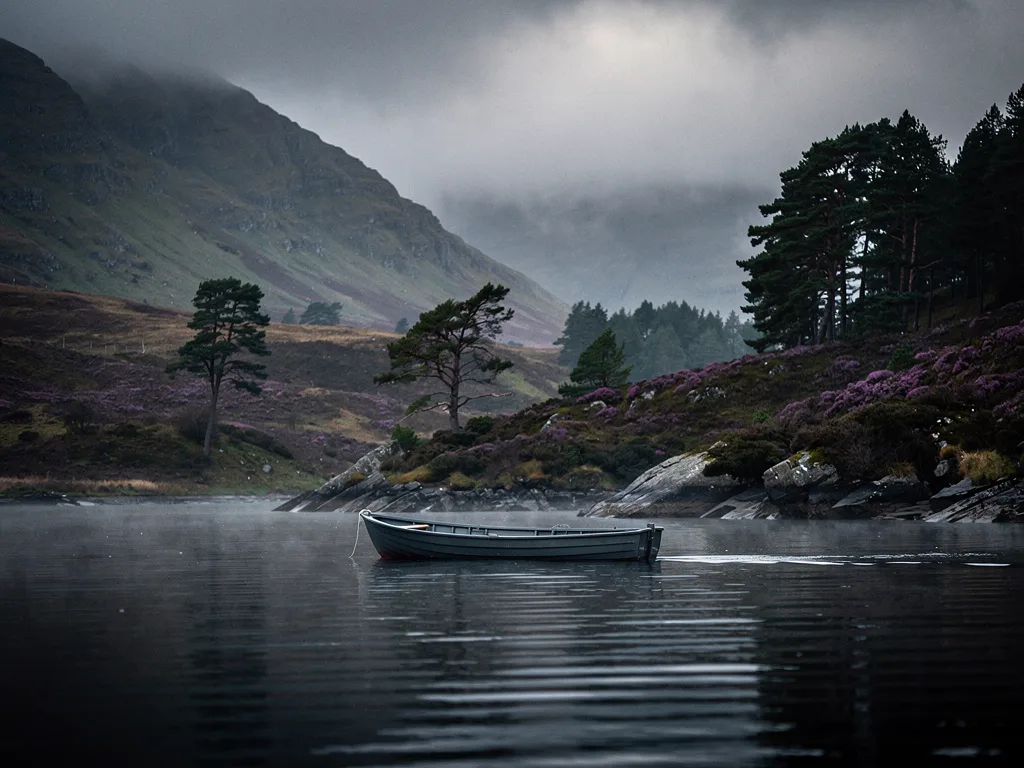
Imagine standing waist-deep in the crystal-clear waters of the River Spey, performing a perfect Spey cast as the morning mist rises from the river. Or drifting in a boat across the ancient waters of Loch Lomond, watching for the tell-tale swirl of a massive Northern Pike. Scotland offers some of the most legendary angling experiences on Earth — and it does so with a remarkably accessible legal framework that sets it apart from almost every other country.
Fishing in Scotland is world-famous for its Atlantic salmon runs, wild brown trout lochs, and rugged sea angling opportunities. Unlike England and Wales, there is generally no national fishing license required. Instead, the system revolves around securing a permit for the specific water you wish to fish. This unique approach makes Scotland an incredibly attractive destination for international visitors who want to experience premier salmon fishing, Spey casting, deep-sea charters, and wild loch fishing without the bureaucratic burden of a country-wide rod licence.
In this comprehensive guide, we cover everything you need to plan your dream fishing trip to Scotland: permit requirements, the best fishing spots, guided tours and charter boats, costs in GBP, EUR, and USD, seasonal timing from both Northern and Southern Hemisphere perspectives, travel practicalities, and essential regulations that protect Scotland’s precious wild fisheries.
Whether you are a fly-fishing purist targeting salmon on the River Tay, a sea angler hoping to land a Common Skate in the Hebrides, or a family looking for affordable brown trout fishing on a scenic loch, this article will help you make the most of your Scottish adventure.
01Do You Need a Fishing License in Scotland?
One of the most frequently asked questions by international visitors is: “Do you need a fishing license in Scotland?”
The answer is refreshingly simple for the vast majority of the country: No, there is no national state-issued rod fishing license required in Scotland. This stands in stark contrast to the systems in England, Wales, and many other European countries.
The only exception is the Border Esk river system in the very south of Scotland near the English border, where a rod license issued by the Environment Agency (England) is required on the English side and, in some cases, affects the Scottish bank. For virtually every other river, loch, and coastal area, you do not need a government fishing license.
The Permit System Explained
Instead of a national license, Scotland operates on a permit or permission system. Fishing rights on rivers and many lochs are privately owned — either by landowners, estates, or angling associations. To fish legally, you must obtain written permission (a permit or day ticket) from the owner of those fishing rights for the specific stretch of water.
This system gives local communities and estates direct control over their fisheries, which has helped preserve many iconic Scottish salmon rivers. Many of the best beats are booked months or even years in advance, especially on famous rivers like the Tay and Spey during peak season.
Shore-based sea fishing for marine species (such as mackerel, pollack, cod, and wrasse) is generally free and does not require any permit. However, it is a criminal offence to intentionally target or retain salmon or sea trout in the sea within 1.5 km (0.93 miles) of the shore.
Tip: Always confirm the exact rules for your chosen location. Regulations can vary between rivers, and some waters have strict catch-and-release policies or size limits. The official source for salmon and recreational fisheries guidance is the Scottish Government’s Marine Directorate.
For the most up-to-date information on freshwater fisheries licensing and regulations, refer to official Scottish Government resources and Fisheries Management Scotland.
02Fishing Permits and Costs in Scotland
While you don’t need a nationwide fishing license, the cost of permits varies enormously depending on the type of fishing, location, and season.
Freshwater Fishing Permits
Many salmon fisheries operate on a “beat” system, where a specific section of river is rented for the day or week. Booking platforms such as FishPal have become the primary way for international visitors to secure permits.
Sea Fishing and Charter Boat Costs
Deep-sea and inshore charter boat trips typically cost £50–£100 (€60–€120 / $65–$130) per person for a full day, depending on the location, boat size, and whether bait and tackle are provided. Private charters for groups of up to 8–10 anglers can range from £400–£800 (€480–€960 / $520–$1,040) per day.
Cost Comparison Table
| Fishing Type | Typical Cost (per person/day) | EUR Equivalent | USD Equivalent | Comparison |
|-------------------------------|-------------------------------|----------------|-------------------------|--------------------------------|
| Loch Brown Trout | £5 – £15 | €6 – €18 | $6.50 – $19.50 | Cost of a pub lunch |
| Mid-tier Salmon Beat | £40 – £120 | €48 – €144 | $52 – $156 | Mid-range restaurant dinner |
| Premier Tay/Spey Salmon Beat | £500 – £1,000+ | €600 – €1,200+| $650 – $1,300+ | Luxury hotel night |
| Deep Sea Charter Trip | £60 – £90 | €72 – €108 | $78 – $117 | Half-day city tour |
| Guided Fly Fishing Day (all-inclusive) | £350 – £500 | €420 – €600 | $455 – $650 | Private airport transfer |
Prices are approximate for the 2026 season and subject to change. Always book early for premium salmon fishing.
🎣 Fishing tours in Scotland — Book guided fishing tours with local experts.
03Best Fishing Spots in Scotland – Where to Make Your Dreams Reality
The true magic of fishing in Scotland lies in its extraordinary diversity of waters and the breathtaking scenery that accompanies every cast.
1. River Tay – Scotland’s Premier Salmon River
The River Tay is legendary among salmon anglers worldwide. It is the longest river in Scotland and has produced some of the largest Atlantic salmon ever caught on rod and line. The section around Dunkeld and Perth offers classic salmon fishing with the famous Spey casting technique often required due to the river’s width and flow.
Fishing here at dawn, with red deer on the hills and the sound of the river all around you, is an experience you will never forget. Many beats include a ghillie who will advise on flies, water conditions, and the best lies for salmon.
2. River Spey – Birthplace of Spey Casting
The River Spey flows through some of the most picturesque Highland scenery in Scotland. It is not only one of the best salmon rivers but also the place where the spectacular two-handed Spey casting technique was developed. The combination of fast-flowing water, stunning landscapes, and high-quality salmon fishing makes the Spey a bucket-list destination.
3. Loch Lomond – Scotland’s Most Famous Loch
Loch Lomond, within the Loch Lomond and The Trossachs National Park, offers superb fishing for Northern Pike, brown trout, sea trout, and Atlantic salmon. The scenery is simply spectacular, with forested islands and the majestic mountains of the Highlands as a backdrop. Trolling, spinning, and fly fishing are all productive here.
4. Isle of Skye and the Hebrides
For sea anglers, the Isle of Skye and the Outer Hebrides provide outstanding shore fishing for pollack, mackerel, cod, and the chance to encounter the majestic Common Skate — one of the largest fish you can catch from the shore anywhere in Europe. The wild brown trout lochs on these islands offer some of the most remote and pristine fishing experiences available.
5. River Tweed – Autumn Salmon Paradise
The River Tweed, which forms part of the border with England, is famous for its enormous autumn salmon runs. The historic towns along its banks add to the cultural richness of a fishing trip here. Many beats offer comfortable fishing huts and traditional hospitality.
Other notable mentions include the River Dee, Loch Ness (for both trout and monster pike), and the many smaller lochs managed by local angling clubs that offer superb value for visiting anglers.
Each of these locations delivers not just fish, but an immersive experience in Scotland’s dramatic landscapes — from misty Highland glens to rugged coastal cliffs.
🚤 Charter fishing in Scotland — Find and book charter boats with experienced captains.
04Tours & Guided Experiences – Ghillies, Guides and All-Inclusive Trips
Many first-time visitors to Scotland choose to fish with a guide, especially when targeting salmon. The traditional Scottish ghillie is far more than just a guide — they are custodians of local knowledge, expert casters, and often excellent company.
On premium salmon beats, a ghillie is frequently included in the permit price. Their services typically include boat handling (harling), advice on flies and presentation, and even preparing lunch in the fishing hut. A tip of £15–£30 (€18–€36 / $19.50–$39) per day is customary and greatly appreciated.
Independent professional guides and companies such as Alba Game Fishing and Scotia Fishing offer fully inclusive guided days. These packages usually cost £350–£500 (€420–€600 / $455–$650) per day for one or two anglers and typically include:
For sea fishing, numerous operators in Oban, Portree (Isle of Skye), and Ullapool offer wreck fishing, deep-sea trips, and species hunting excursions.
Guided trips are particularly recommended for international visitors because they eliminate the guesswork of where and how to fish, while ensuring full compliance with local regulations.
05Target Species, Techniques and Best Seasons
Scotland offers an impressive range of fishing opportunities across freshwater and marine environments.
Freshwater Species
Marine Species
Key Techniques
Best time to visit Scotland for fishing depends on your hemisphere and target species:
Tip: Always check the exact season dates for the river or loch you plan to visit, as salmon seasons vary significantly between different river systems. FishPal provides excellent season information.
Important note on Gyrodactylus salaris: This parasite is a serious threat to Scottish salmon. If you have recently fished in mainland Europe or Scandinavia, you must thoroughly disinfect all your equipment before fishing in Scotland. Most fisheries provide disinfection facilities.
06Practical Travel Information for International Visitors
Getting to Scotland
Scotland is easily accessible by air through Edinburgh, Glasgow, Aberdeen, and Inverness airports. Many international visitors fly into London or Manchester and then take a domestic flight or train north. Direct flights from major European cities, New York, Chicago, Toronto, and Dubai make planning straightforward.
Visa Requirements
Scotland is part of the United Kingdom. Visa rules depend on your nationality:
Getting Around
A car is highly recommended for accessing remote fishing locations. Public transport is limited in the Highlands and Islands.
🚗 Rent a car in Scotland — Compare prices from 500+ rental companies worldwide.
Driving is on the left, and roads in rural areas can be narrow and winding. In the Highlands, always allow extra time for your journey.
Language and Communication
English is spoken everywhere, though in the Highlands and Islands you may encounter Gaelic. Scottish people are famously welcoming to visitors. Learning a few local phrases such as “Tight lines!” (good luck) or “How’s the fishing?” will be appreciated.
For staying connected with family or checking weather and tide apps while traveling:
📱 Stay connected in Scotland — Get an eSIM for affordable mobile data while traveling.
Equipment Considerations
High-quality breathable waders and a good rain jacket are essential — Scottish weather can change rapidly. Felt-soled boots are increasingly discouraged or banned on many fisheries to prevent the spread of invasive species; rubber or vibram-soled boots are preferred. Many guided trips provide all equipment, which is convenient for international travelers.
Accommodation
Options range from luxury fishing lodges and historic castles to affordable B&Bs and self-catering cottages. Many lodges are located directly on the river and offer packages that include dinner and permits.
07Regulations You Must Know
Regulations are subject to change. The most authoritative sources are Fisheries Management Scotland and the Scottish Government Marine Directorate.
08FAQ – Frequently Asked Questions about Fishing in Scotland
Do you need a fishing license in Scotland?
No, there is no national rod fishing license required for the vast majority of Scotland. You only need to purchase a permit for the specific water you intend to fish.
What is the best time of year for salmon fishing in Scotland?
The prime periods are generally May to June for spring salmon and September to October for the famous autumn runs.
Can I fish for free in Scotland?
Shore-based sea fishing for marine species is generally free. Some community-managed lochs also offer very low-cost or occasional free fishing for brown trout.
Is Spey casting difficult to learn?
It is a specialized two-handed technique that takes practice. Taking a lesson with a qualified guide on the River Spey is one of the best ways to learn.
What should I tip a ghillie?
A tip of £15–£30 (€18–€36 / $19.50–$39) per day is standard and appreciated for good service.
Do I need to bring my own fishing equipment?
Not necessarily. Many guided trips and higher-end lodges provide quality tackle. However, keen fly anglers often prefer to bring their own rods and flies.
Is catch and release mandatory?
On many premier salmon rivers it is mandatory, especially early in the season. Always check the specific rules for your beat.
Can I eat the salmon I catch?
Yes, but on many rivers you are encouraged to release all fish. It is illegal to sell rod-caught salmon or sea trout.
09Conclusion – Your Scottish Fishing Adventure Awaits
Fishing in Scotland offers far more than just the chance to catch fish. It is an immersion into centuries-old angling traditions, spectacular natural beauty, and warm Scottish hospitality. Whether you are battling a powerful salmon on the River Tay using the elegant Spey cast, trolling for pike on Loch Lomond, or casting from the rugged shores of Skye, you will create memories that last a lifetime.
With no national fishing license required in most areas, the main task is simply to choose your dates, book your permits (ideally through FishPal), and decide whether to fish independently or with a knowledgeable guide. The diversity of experiences — from affordable loch trout fishing to once-in-a-lifetime salmon beats — means there is an option for every angler and every budget.
Start planning your trip today. Book your permits early for the best salmon rivers, consider a guided experience for your first visit, and prepare to fall in love with the unique magic of fishing in Scotland.
Tight lines!
10Sources & Further Links
Disclaimer: Regulations, permit prices, and seasonal dates may change. Always verify the latest rules directly with the fishery, estate, or official authorities before your trip. This guide was prepared for 2026 and reflects information available at the time of writing. FishingWorldGuide.com and its authors bear no liability for any changes in law or variations in local conditions. Respect the environment, practice catch-and-release where required, and leave no trace.
Don't miss any fishing tips!
Get the best fishing destination recommendations weekly in your inbox.
No spam. Unsubscribe anytime.
Data incorrect?
Help us keep this article up to date — report outdated or incorrect information
More articles