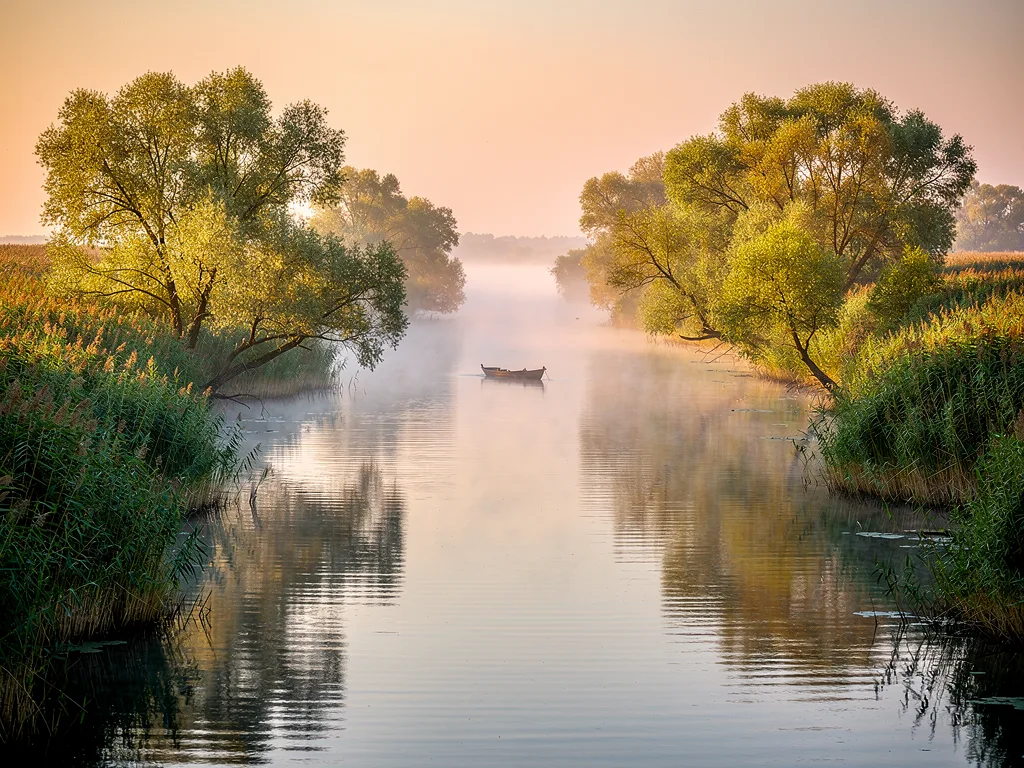
Imagine drifting through the labyrinthine channels of the Danube Delta, where massive northern pike ambush your lure from beneath floating reed islands, or battling a Wels catfish exceeding 80 kg (176 lb) on the mighty Danube River at dawn. From the crystal-clear trout streams of the Carpathian Mountains to the vast reed beds of Europe’s largest wetland, fishing in Romania offers some of the most diverse and affordable angling experiences on the continent.
Whether you dream of fly fishing for grayling in alpine rivers, targeting record-breaking carp in private lakes, or experiencing traditional “clonk fishing” for giant catfish, Romania delivers. Since 2024, the country has fully digitized its licensing system through the National Agency for Fisheries and Aquaculture (ANPA), making it easier than ever for international visitors to obtain the necessary fishing license Romania and fishing permit Romania.
This comprehensive guide covers everything you need to plan your trip: how to get your permits (many of which are free), the best fishing spots, guided tours and charter boats, current regulations, costs in RON, EUR, and USD, practical travel advice, and species-specific techniques. Regulations can change, so always verify the latest rules before you travel.
01Do You Need a Fishing License in Romania?
Yes — a fishing license is mandatory for all natural public waters in Romania. You cannot legally fish rivers, the Danube, the Black Sea coast, or most lakes without the appropriate permit. However, the system is remarkably straightforward and often inexpensive for international anglers.
Romania operates a tiered licensing structure managed primarily by the National Agency for Fisheries and Aquaculture (ANPA). The good news? Since 2024, the basic ANPA recreational fishing permit for non-concessional public waters (including the Danube River and Black Sea) has been completely free of charge.
For the Danube Delta Biosphere Reserve — one of Europe’s premier fishing destinations — you will need an additional ARBDD permit (issued by the Danube Delta Biosphere Reserve Administration). This is separate from the ANPA license and costs around 30 RON per year.
Some river sections and mountain trout waters are managed by local fishing associations (AJVPS) or the National Forest Administration (Romsilva). In these cases, you will need the national ANPA permit plus a local membership or daily fee.
Private commercial fishing lakes operate independently. Here, no state license is required — you simply pay a day or 24-hour access fee (*taxă de baltă*) at the fishery gate.
Important note: Always carry your permit on your phone or printed, along with photo ID. Romanian fishing authorities conduct frequent checks, and fines for fishing without a permit can be substantial.
How to obtain your permits online:
The online platforms are available in Romanian and English and accept international payment cards. The process typically takes less than 15 minutes.
Tip: Download the official ANPA or ARBDD apps if available, or save your digital permits as PDFs on your phone. Mobile coverage can be patchy in remote parts of the Delta.
02Fishing License Costs in Romania (2026)
Romania remains one of Europe’s most budget-friendly fishing destinations. Here is a breakdown of current costs (prices are approximate and subject to minor annual adjustments):
| Permit Type | Cost (RON) | Cost (€) | Cost (USD) | Validity | Notes |
|------------------------------|----------------|----------|------------|-------------------|-------|
| ANPA National Permit | Free | €0 | $0 | 1 year | Covers most public waters, Danube, Black Sea |
| ARBDD Delta Permit | 30 RON | €6 | $6.50 | 1 year | Required for Danube Delta |
| Delta Access Fee (Tourist) | 5 RON/day or 30 RON/year | €1–€6 | $1–$6.50 | Daily or yearly | Mandatory for all visitors to the Reserve |
| Local Association Membership | 100–300 RON | €20–€60 | $22–$65 | 1 year | For concessional waters |
| Romsilva Mountain Trout Fee | 50–150 RON | €10–€30 | $11–$33 | Daily/weekly | For Carpathian salmonid waters |
| Private Lake Day Ticket | 50–250 RON | €10–€50 | $11–$55 | 12–24 hours | Includes boat in some cases |
Compared to Western Europe, these prices are remarkably low — a full day of private lake carp fishing often costs less than a restaurant dinner in London or New York.
Border Police Permit (PG): If you plan to fish on the Danube River near the borders with Bulgaria, Serbia, or Ukraine, you must obtain a free PG (Permis de Frontieră) permit. This can be applied for online via the Romanian Border Police website.
03Fishing Regulations & Rules You Must Know
Romanian fishing laws are designed to protect fish stocks while allowing sustainable recreational angling. Key rules for 2026 include:
Catch and Release Practices: Many premium fisheries, especially private carp lakes like Raduta (Sărulești) and Corata 1, operate on strict catch-and-release principles. High-quality unhooking mats, large landing nets, and antiseptic treatments are standard.
Always check the latest prohibition calendar for 2026, as exact dates can shift slightly each year based on biological needs.
Tip: Download a translation app (Google Translate works well offline) and have key Romanian fishing terms ready. Most guides speak English, but rural police or local rangers may not.
04Best Fishing Spots in Romania – Where to Make Your Dream Catch
The diversity of fishing in Romania is extraordinary. Here are the top destinations that consistently deliver memorable experiences:
1. The Danube Delta (Delta Dunării)
A UNESCO World Heritage site and Europe’s largest wetland, the Danube Delta is a predator angler’s paradise. This 4,150 km² (1,600 sq mi) maze of canals, lakes, and floating reed islands is home to massive Northern Pike, Zander, Wels Catfish, and Perch.
The best fishing occurs in autumn (September–November) when predators are feeding aggressively before winter. Spring (after the prohibition) offers excellent catfish action. Local guides navigate the labyrinth using traditional wooden boats, often poling through narrow channels where 15+ kg (33 lb) pike are common and 20+ kg specimens possible.
The experience is unforgettable: sunrise over endless reeds, the call of pelicans, and the sudden explosive strike of a Delta pike on a large spoon lure.
2. The Danube River (Călărași, Giurgiu, and Brăila sectors)
The lower Danube is world-famous for clonk fishing (*văcălie*) targeting enormous Wels Catfish. Specimens over 80 kg (176 lb) and even 100 kg have been recorded. The river also produces powerful wild carp known for their incredible fighting strength.
Night sessions under the stars with traditional Romanian clonk methods create an atmosphere like no other. Heavy spinning with large crankbaits and vertical jigging are also highly effective.
3. Lake Sărulești (Raduta Lake)
This private catch-and-release carp fishery near Bucharest has gained international fame for producing world-class common carp and massive zander. With crystal-clear water and careful management, it offers a luxury fishing experience with comfortable accommodation and professional guiding.
4. Beliș-Fântânele Lake and Carpathian Mountain Waters
Nestled in the Apuseni Mountains, this reservoir and surrounding rivers offer superb fly fishing for lake trout, brown trout, grayling, and European perch. The scenery is spectacular — clear mountain water surrounded by forested peaks. Many visitors combine a mountain fishing holiday with cultural visits to medieval Transylvanian towns.
5. Tarnița Lake and Other Reservoirs
Near Cluj-Napoca, Tarnița Lake is renowned for large perch and trout. Other notable waters include Lake Varlaam and Horgesti for specimen carp fishing, often with luxury lodges designed specifically for international carp anglers.
Each of these locations offers a completely different fishing experience — from the wild, remote beauty of the Delta to the technical fly fishing challenges of the Carpathians.
🎣 Fishing tours in Romania — Book guided fishing tours with local experts.
05Popular Target Species & Proven Techniques
Wels Catfish (Somn): The undisputed king of Romanian waters. Use traditional clonk fishing on the Danube at night, or heavy spinning and vertical jigging with large soft plastics. Best from June to October.
Northern Pike (Știucă): The Danube Delta is one of Europe’s top pike fisheries. Large silver or copper spoons (*oscilantă*), jerkbaits, and surface lures work exceptionally well among the reeds.
Carp (Crap): Both wild river carp and stocked lake carp offer superb sport. Feeder fishing, method feeder, and boilie fishing are most popular. Romanian wild carp are particularly strong fighters.
Zander (Șalău): Excellent night and dawn fishing using soft lures and vertical jigging. Many Delta guides specialize in locating schools of feeding zander.
Trout & Grayling: In the Carpathian streams and mountain lakes, European fly fishing techniques with dry flies, nymphs, and streamers are highly effective. The water is often gin-clear, requiring stealth and precise presentation.
Other species: Asp, barbel, chub, perch, and the occasional huchen (Danube salmon) in select mountain rivers.
06Tours & Guided Experiences in Romania
Hiring a local guide is strongly recommended, especially for first-time visitors to the Danube Delta. The maze of channels is confusing, and local knowledge dramatically increases success rates.
Typical guided day trips in the Delta cost €100–€200 per person (approx. 500–1,000 RON), usually including the boat, fuel, tackle (if needed), and a packed lunch. Multi-day packages including accommodation in traditional floating lodges or guesthouses in villages like Mila 23 or Crișan range from €600–€1,200 for a 4–6 day trip.
In the Carpathians, specialized fly fishing guides charge approximately €150 per day (750 RON), often including transport from Cluj-Napoca or Sibiu, equipment, and lunch. Many operators cater specifically to international clients with English-speaking guides.
Private carp fisheries such as Romania Fishing, Lake Varlaam, and Baltă Corata 1 offer all-inclusive packages with luxury accommodation, English-speaking staff, and professional guiding — ideal for groups or couples seeking a comfortable fishing holiday.
Deep sea fishing on the Black Sea is also available from ports like Constanța, targeting turbot, mackerel, and horse mackerel, though it is less popular than freshwater angling.
🚤 Charter fishing in Romania — Find and book charter boats with experienced captains.
07Equipment & What to Bring
For the Danube Delta and large rivers, bring heavy spinning or baitcasting rods (20–50 lb class), braided line (minimum 0.35 mm), and large lures (10–20 cm). A strong landing net and unhooking mat are essential.
For carp fishing, standard European carp setups with 3.5–3.75 lb test curve rods work well. In the mountains, a 4–6 wt fly rod is perfect for trout and grayling.
Many guides provide equipment, but serious anglers prefer their own tackle. Bring plenty of spares, as remote areas have limited shops.
🛒 Fishing equipment for Romania — Find the right gear for your trip.
08Practical Travel Information for International Anglers
Best Time to Visit:
Getting There:
Bucharest Henri Coandă International Airport is the main gateway with direct flights from most European capitals, as well as Istanbul, Doha, and major US hubs. From Bucharest, it is a 3–4 hour drive or bus ride to the Danube Delta. Cluj-Napoca or Sibiu airports are better for Carpathian mountain trips.
Visa Requirements:
Citizens of the EU, UK, US, Canada, Japan, Australia, and many other countries can enter Romania visa-free for up to 90 days. Romania is part of the Schengen Area (since 2024 for air/sea borders), so standard Schengen rules apply. Check the latest requirements for your nationality before travel.
Language: Romanian is the official language. Younger people and all professional fishing guides speak good English. German is also widely understood in Transylvania. Download offline translation apps and learn basic phrases like “Bună dimineața” (Good morning) and “Mulțumesc” (Thank you).
Currency & Costs: The Romanian Leu (RON) is the local currency. €1 ≈ 5 RON, $1 ≈ 4.6 RON (as of early 2026). Romania offers excellent value — a full guided fishing day with meals often costs less than a similar experience in Western Europe.
Safety & Health: Romania is generally very safe for tourists. Tap water is not recommended for drinking in rural areas. Bring insect repellent for the Delta, especially in summer.
Stay Connected: Mobile coverage is good in most populated areas but can be limited deep in the Delta. Consider getting a local SIM card or eSIM upon arrival.
📱 Stay connected in Romania — Get an eSIM for affordable mobile data while traveling.
Transportation: Renting a car gives you the most flexibility, particularly for mountain destinations. For the Delta, most visitors arrange transfers through their accommodation or guide.
🚗 Rent a car in Romania — Compare prices from 500+ rental companies worldwide.
09FAQ – Frequently Asked Questions about Fishing in Romania
Do I need a fishing license in Romania?
Yes. A national ANPA permit is mandatory for all public natural waters. Fortunately, the basic ANPA license is free for most waters in 2026.
What is the best fishing in the Danube Delta?
The Delta is world-class for northern pike and zander. Autumn offers the most consistent action. Hiring a local guide is highly recommended.
Can I catch giant catfish in Romania?
Absolutely. The Danube River regularly produces Wels catfish over 80 kg (176 lb). Traditional clonk fishing is the most effective method.
When is the fishing season closed in Romania?
The general prohibition usually runs for 60 days between April and June. Exact dates for 2026 are published annually by ANPA and ARBDD — always check before booking.
Is fly fishing available in the Carpathians?
Yes. The mountain streams and lakes around Beliș-Fântânele and in the Retezat Mountains offer excellent fly fishing for trout and grayling.
Are there English-speaking fishing guides?
Most professional operators catering to international clients provide English-speaking guides. Many Delta and carp fishery operators have years of experience with visitors from the UK, Germany, USA, and beyond.
Can I fish from the shore in the Black Sea?
Yes. The basic ANPA permit covers shore fishing along the Romanian Black Sea coast, though success rates are generally higher on guided boat trips.
What documents do I need for the Danube border areas?
In addition to your fishing permit, you will need a free Border Police (PG) permit if fishing near international borders.
10Conclusion
Fishing in Romania offers a perfect combination of world-class angling, stunning natural beauty, rich culture, and exceptional value for money. Whether you are chasing monster catfish on the Danube, exploring the mystical waterways of the Danube Delta, or casting dry flies to wary trout in the Carpathians, this country delivers experiences that will stay with you forever.
The new digital licensing system has removed previous barriers, making Romania more accessible than ever for international anglers. With thoughtful planning, the right permits, and preferably a good local guide, you are almost guaranteed memorable catches and stories to tell.
Start planning your Romanian fishing adventure today. The giant pike, powerful carp, and record-breaking catfish are waiting.
11Sources & Further Links
Disclaimer: This article is intended for informational purposes only and does not replace official regulations. Fishing rules, permit prices, closed seasons, and requirements can change at any time. Always consult the official ANPA, ARBDD, and Border Police websites for the most up-to-date information before your 2026 fishing trip to Romania. The authors and FishingWorldGuide.com assume no liability for any errors or omissions.
Don't miss any fishing tips!
Get the best fishing destination recommendations weekly in your inbox.
No spam. Unsubscribe anytime.
Data incorrect?
Help us keep this article up to date — report outdated or incorrect information
More articles