Imagine casting your line into the mysterious black waters of the Amazon, where a peacock bass explodes on your surface lure with the ferocity of a submerged firework. Or picture yourself fly-fishing for rainbow trout at 3,800 meters (12,500 feet) above sea level, surrounded by snow-capped Andean peaks while traditional reed boats glide silently past. This is fishing in Peru — a country where three dramatically different ecosystems offer some of the most diverse angling experiences on the planet.
From the world-record marlin waters of the northern Pacific coast to the endemic species of Lake Titicaca, Peru delivers fishing adventures that belong on every serious angler's bucket list. And here's the best part for international visitors: Peru does not require a fishing license for recreational sport fishing. This guide covers everything you need to know to plan your Peruvian fishing adventure.
01Do You Need a Fishing License in Peru?
No. Recreational and sport fishing in Peru does not require a license for tourists or recreational anglers. This is excellent news for international visitors planning a fishing trip to Peru.
According to Ley N° 31815 (2023), which promotes sport fishing and nautical events at the national and international level, sport fishing activities — particularly those following "catch and release" principles — are not considered commercial activities and therefore do not require permits. Tourists can bring their own fishing equipment under simplified customs procedures.
Important Distinction: Commercial vs. Recreational
While recreational anglers fish freely, commercial fishing permits do exist and are required for anyone harvesting fish for sale. These are managed by regional governments through the Ministry of Production (PRODUCE):
| Permit Type | Cost (PEN) | Cost (EUR) | Cost (USD) |
|-------------|-----------|-----------|-----------|
| Non-boat fisherman permit | S/ 83.40 | ~€20 | ~$22 |
| Artisanal vessel operation | S/ 182.20 | ~€44 | ~$48 |
Tip: As a tourist angler, you have nothing to worry about. Simply pack your gear and fish. However, you must follow regulations regarding protected species and minimum sizes — violations can result in fines.
02Fishing Regulations in Peru
Protected Species — What You Cannot Catch
Peru has strong protections for several marine species. The following are fully protected and cannot be targeted or harvested:
| Species | Spanish Name | Regulation |
|---------|--------------|------------|
| Sailfish | Pez Vela | D.S. N° 009-2008-PRODUCE |
| All Marlin species | Merlín | D.S. N° 009-2008-PRODUCE |
| Whale Shark | Tiburón Ballena | R.M. N° 331-2017-PRODUCE |
| Giant Manta Ray | Mantarraya Gigante | R.M. N° 441-2015-PRODUCE |
| Dolphins & Porpoises | Delfines | Ley N° 26585 |
| Sea Turtles | Tortugas Marinas | D.S. N° 026-2001-PE |
| Whales | Ballenas | D.S. N° 026-2001-PE |
| Seahorses | Caballitos de Mar | R.M. N° 306-2004-PRODUCE |
Catch-and-Release Requirement for Billfish
Sport fishing for billfish (marlin, sailfish) is only permitted under catch-and-release rules. Under Decreto Supremo N° 009-2008-PRODUCE, these magnificent fish must be released alive back to their natural habitat. This positions Peru as a conservation-forward destination for big-game anglers.
Minimum Size Limits
If you plan to keep your catch for consumption, respect these minimum sizes:
| Species | Spanish Name | Minimum Size |
|---------|--------------|--------------|
| Sea Bass | Corvina | 38 cm (15 in) |
| Jack Mackerel | Jurel | 31 cm (12 in) |
| Silverside | Pejerrey | 28 cm (11 in) |
| Mackerel | Caballa | 30 cm (12 in) |
| Flounder | Lenguado | 25 cm (10 in) |
| Lorna | Lorna | 21 cm (8 in) |
Fishing Zones and Restrictions
The Peruvian coastline has zoning rules to protect artisanal fishing communities:
For recreational anglers, these zones primarily affect where charter boats can operate. Your captain will know the local regulations.
03Best Fishing Destinations in Peru
Peru offers three distinct fishing environments, each with unique species and experiences. Here are the top destinations that make Peru a world-class fishing country.
🏆 The Amazon Basin — Peacock Bass Paradise
Location: Iquitos and Puerto Maldonado regions
The Experience:
Picture yourself on a narrow aluminum skiff, drifting down a blackwater tributary of the Amazon. The jungle canopy forms a green cathedral overhead, pierced by shafts of equatorial sunlight. Howler monkeys roar in the distance. A pink river dolphin surfaces nearby, curious about your presence. Then your guide points to a submerged log jam and whispers: *"Aquí, señor. Aquí hay tucunaré."*
You cast your topwater lure toward the structure and begin a steady retrieve. Suddenly, the water erupts. A peacock bass — tucunaré in Spanish — attacks with startling aggression. These fish fight with a power that rivals anything in freshwater, making strong runs and acrobatic jumps. A 5 kg (11 lb) specimen will test your tackle and your arms.
Target Species:
| Species | Weight Range | Difficulty | Fight Rating |
|---------|--------------|------------|--------------|
| Peacock Bass (Tucunaré) | 3-8 kg (7-18 lb) | ⭐⭐⭐ | Explosive |
| Arapaima (Paiche) | Up to 200 kg (440 lb) | ⭐⭐⭐⭐⭐ | Prehistoric |
| Payara (Vampire Fish) | 5-15 kg (11-33 lb) | ⭐⭐⭐⭐ | Aggressive |
| Dorado | 2-10 kg (4-22 lb) | ⭐⭐⭐ | Acrobatic |
| Piraíba Catfish | Up to 100 kg (220 lb) | ⭐⭐⭐⭐⭐ | Deep power |
Why It's Special:
The Amazon Basin around Iquitos offers access to some of the world's most remote and productive peacock bass waters. The dry season (May through September) concentrates fish in smaller water bodies, making them easier to target. You're not just fishing — you're experiencing the world's largest rainforest ecosystem.
The Arapaima Challenge:
For anglers seeking the ultimate freshwater challenge, the arapaima (paiche) is the prize. This prehistoric air-breathing fish can exceed 200 kg (440 lb) and requires heavy tackle, patience, and luck. Hooking one is an achievement; landing one is a lifetime memory.
Best Season: May to September (dry season)
How to Get There: Fly to Iquitos (IQT) or Puerto Maldonado (PEM) from Lima. Iquitos is accessible only by air or boat — no roads connect it to the rest of Peru.
🏆 Lake Titicaca — The Highest Navigable Lake
Location: Puno region, Peru-Bolivia border
The Experience:
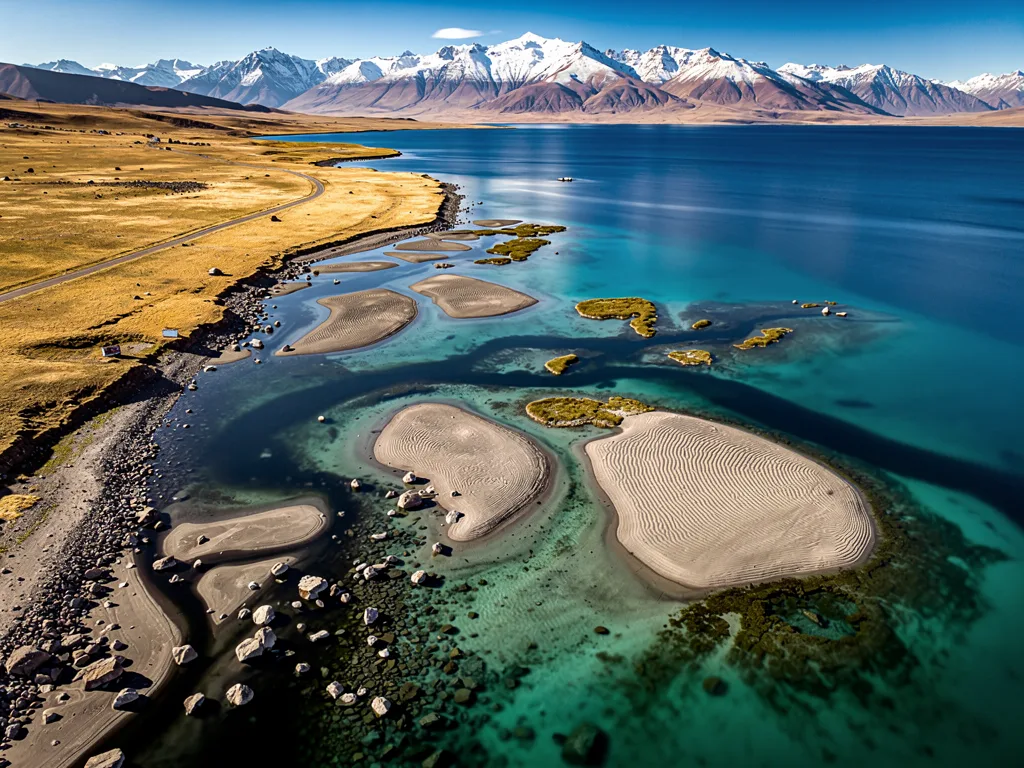
At 3,812 meters (12,507 feet) above sea level, Lake Titicaca presents a fishing experience unlike anywhere else on Earth. The air is thin, the water is impossibly blue, and the backdrop of snow-capped mountains creates a surreal beauty. Traditional Aymara fishermen navigate reed boats (caballitos de totora) using techniques unchanged for centuries.
You might fish from a modern boat, but the cultural immersion is inescapable. Uros floating islands dot the horizon, their inhabitants maintaining traditional lifestyles. The endemic karachi fish — a genus with over 40 species found nowhere else — represents one of evolution's fascinating experiments.
Target Species:
| Species | Origin | Notes |
|---------|--------|-------|
| Rainbow Trout | Introduced | Well-adapted, abundant |
| Brown Trout | Introduced | Trophy specimens possible |
| Suche | Endemic | Catfish species |
| Karachi (Orestias) | Endemic | 40+ species, protected |
Why It's Special:
Where else can you fish at nearly 4,000 meters elevation for trout that have adapted to high-altitude conditions? The lake's unique ecosystem combines introduced sport fish with endemic species found nowhere else on the planet. Some Orestias species are critically endangered — always check current protections before targeting native species.
Altitude Warning:
Take altitude seriously. Spend 2-3 days acclimatizing in Puno or Cusco before exerting yourself. Altitude sickness (soroche) can ruin your trip. Symptoms include headache, nausea, and fatigue. Drink plenty of water, avoid alcohol, and consider acetazolamide (Diamox) if recommended by your doctor.
Best Season: April to October (dry season, less wind)
How to Get There: Fly to Juliaca (JUL) from Lima, then drive 45 minutes to Puno on the lake shore. Alternatively, take the train from Cusco — a spectacular 10-hour journey through the Andes.
🏆 Pacific Coast — Humboldt Current Riches
Location: Paracas, Pucusana, and Lima area
The Experience:
The cold Humboldt Current flows north from Antarctica along Peru's coast, creating one of the world's most productive marine ecosystems. Upwelling brings nutrients to the surface, supporting enormous fish populations. For anglers, this means consistent action with quality fish.
Pucusana, a fishing village about an hour south of Lima, serves as a primary departure point for sport fishing charters. The harbor bustles with activity — commercial fishermen unload their catch while charter boats prepare for tourists. Within minutes of leaving the harbor, you're in productive fishing grounds.
Target Species:
| Species | Spanish Name | Season | Best Method |
|---------|--------------|--------|-------------|
| Corvina (Sea Bass) | Corvina | Year-round | Jigging, live bait |
| Flounder | Lenguado | Year-round | Bottom fishing |
| Chita | Chita | Year-round | Light tackle |
| Cabrilla | Cabrilla | Year-round | Jigging |
| Jack Mackerel | Jurel | Seasonal | Spinning |
Why It's Special:
The accessibility is unbeatable. You can fly into Lima in the morning and be fishing by afternoon. The productive waters mean you'll likely catch fish, making this ideal for families or anglers with limited time. Plus, you're close to excellent restaurants that will prepare your catch — fresh ceviche, anyone?
Charter Options:
Full-day charters from Pucusana typically cost $500-600 USD for two anglers (roughly the cost of a nice dinner for two in a major European city). Half-day options are available. Most charters include equipment, bait, and a bilingual guide.
Best Season: Year-round, with best conditions December through March
🏆 Andes Mountains — High-Altitude Trout
Location: Sacred Valley, White Cordillera, Huancayo region
The Experience:
Crystal-clear rivers descend from glaciated peaks, their waters cold and oxygen-rich — perfect habitat for introduced rainbow and brown trout. Fishing here combines world-class angling with spectacular mountain scenery. Imagine casting a dry fly in a meadow stream at 4,000 meters (13,000 feet), surrounded by peaks and perhaps a distant condor riding thermals.
The Sacred Valley near Cusco offers accessible fishing combined with cultural attractions. You can fish in the morning and explore Inca ruins in the afternoon. For more remote experiences, the White Cordillera (Cordillera Blanca) near Huaraz offers high-altitude lakes and streams with minimal fishing pressure.
Target Species:
| Species | Location | Average Size |
|---------|----------|--------------|
| Rainbow Trout | Rivers and lakes | 0.5-2 kg (1-4 lb) |
| Brown Trout | Rivers | 1-3 kg (2-6 lb) |
Techniques:
Fly fishing excels here. Bring a #4 or #5 weight rod for streams, a #6 for larger waters. Dry fly fishing with caddis and mayfly patterns works well, though nymphs often produce better results. Spinning with small spoons and spinners also catches fish.
Why It's Special:
This is fly-fishing in the shadow of history. Some waters flow past Inca terraces and ancient trails. The combination of excellent fishing, spectacular scenery, and cultural significance creates a multifaceted experience. Plus, you can combine your trip with visits to Machu Picchu or other world-famous sites.
Best Season: May to September (dry season); June through August for highest lakes
How to Get There: Fly to Cusco (CUZ) from Lima for Sacred Valley fishing. For the Cordillera Blanca, travel to Huaraz (8-hour bus from Lima).
🏆 Northern Coast — Legendary Big-Game Waters
Location: Cabo Blanco, Piura region
The Experience:
Cabo Blanco holds a mythic place in big-game fishing history. In 1953, Alfred Glassell Jr. landed a 1,560-pound (707 kg) black marlin here — an all-tackle world record that still stands. The Cabo Blanco Fishing Club attracted Hollywood stars, wealthy industrialists, and serious anglers until it closed in 1970.
Today, Cabo Blanco is quieter, known as much for surfing as fishing. But the marlin still swim these waters, along with yellowfin tuna, mahi-mahi, and swordfish. While the infrastructure isn't what it was in the club's heyday, adventurous anglers can still pursue big-game species here.
Target Species:
| Species | Season | Notes |
|---------|--------|-------|
| Black Marlin | April-November | Historic hotspot |
| Striped Marlin | April-November | Good population |
| Yellowfin Tuna | Year-round | Often large |
| Mahi-Mahi | Year-round | Acrobatic fighters |
| Swordfish | Seasonal | Challenging |
Current Reality:
Be aware that Cabo Blanco is no longer a luxury sportfishing destination. Facilities are basic, and organized charters are limited. This is an adventure for anglers willing to arrange their own boats and accommodations. The payoff? You're fishing in the same waters where fishing legends made history.
Best Season: April to November
How to Get There: Fly to Talara (TYL) or Piura (PIU) from Lima, then travel by road to Cabo Blanco.
04Fishing Tours & Guided Experiences
Peru offers excellent fishing tours ranging from single-day coastal trips to multi-day Amazon expeditions. Here's what you can expect:
Amazon Fishing Expeditions
| Operator | Duration | Price (USD) | Price (EUR) | Includes |
|----------|----------|-------------|-------------|----------|
| Maniti Expeditions | 6 days | $1,890-2,100 | €1,750-1,950 | All meals, accommodation, guide, equipment |
| Lorenzo Expeditions | 3 days | $1,195-1,295 | €1,100-1,200 | Transfers, meals, guide, accommodation |
| Lorenzo Expeditions (Tambopata) | 3 days | $745-790 | €690-730 | All-inclusive jungle experience |
What's Included:
What's NOT Included:
Pacific Coast Charters
| Operator | Trip Type | Price (USD) | Duration |
|----------|-----------|-------------|----------|
| Go Fishing Peru | Shore fishing | $500 | 10 hours |
| Go Fishing Peru | Boat fishing | $500-600 | Full day |
| Go Fishing Peru | Paracas trip | $600 | 12 hours |
| Local charters | Half-day | $250-350 | 5 hours |
🎣 Fishing tours in Peru — Book guided fishing tours with local experts.
What to Expect from Guided Tours
Amazon Tours:
Multi-day Amazon fishing expeditions typically begin in Iquitos or Puerto Maldonado. You'll travel by boat to remote fishing areas, stay in jungle lodges, and fish multiple locations. Most operators use aluminum skiffs with outboard motors for fishing. Accommodations range from basic to comfortable — clarify before booking.
Coastal Charters:
Charter boats in the Pucusana and Lima area are typically 25-35 foot sportfishers with basic amenities. Full-day trips include lunch, drinks, and all fishing equipment. Half-day trips are available but offer less flexibility.
Andes Fishing:
Trout fishing in the Andes can be arranged as day trips from Cusco or multi-day camping expeditions. Some operators offer combined fishing/cultural tours that include Machu Picchu visits.
🚤 Charter fishing in Peru — Find and book charter boats with experienced captains.
05Fish Species Guide & Techniques
Freshwater Species
Peacock Bass (Tucunaré)
Arapaima (Paiche)
Payara (Vampire Fish)
Rainbow Trout
Saltwater Species
Corvina (Sea Bass)
Marlin (Black and Striped)
Yellowfin Tuna
06Practical Travel Information
Best Time to Fish in Peru by Region
| Region | Peak Season | Good Season | Notes |
|--------|-------------|-------------|-------|
| Amazon | June-August | May-September | Dry season, lower water, concentrated fish |
| Andes | June-August | May-September | Clear skies, dry weather |
| Lake Titicaca | May-September | April-October | Less wind, clearer water |
| Pacific Coast | December-March | Year-round | Calmer seas, summer weather |
| Northern Coast | June-October | April-November | Best for marlin |
Visa Requirements
Peru maintains a generous visa policy for tourists:
| Nationality | Visa Requirement | Maximum Stay |
|-------------|------------------|--------------|
| USA | Visa-free | 90 days (extendable to 183) |
| Canada | Visa-free | 90 days (extendable to 183) |
| EU countries | Visa-free | 90 days (extendable to 183) |
| United Kingdom | Visa-free | 90 days (extendable to 183) |
| Australia | Visa-free | 90 days (extendable to 183) |
| Japan | Visa-free | 90 days (extendable to 183) |
| Brazil | Visa-free | 90 days |
Your passport must be valid for at least 6 months beyond your entry date.
Getting to Peru and Around
International Arrival:
Domestic Connections:
Airlines: LATAM, Sky Airline, JetSmart all operate domestic routes. Book in advance for better prices.
Health and Safety
Amazon Considerations:
Andes/Altitude:
General Safety:
Language and Communication
Spanish is the official language. In tourist areas and with tour operators, English is commonly spoken. In remote areas, basic Spanish is helpful.
Useful Phrases:
Translation Apps: Download Google Translate with Spanish for offline use.
🏨 Accommodation near fishing spots in Peru — Find hotels and lodges close to the best waters.
07Equipment Recommendations
What to Bring
Amazon Fishing:
Andes/Trout Fishing:
Pacific Coast:
Fishing Shops in Peru
If you need equipment or supplies in Peru:
🛒 Fishing equipment for Peru — Find the right gear for your trip.
08Cost Overview
Here's a realistic budget breakdown for fishing in Peru:
| Expense Category | Budget Option | Mid-Range | Premium |
|-----------------|---------------|-----------|---------|
| Charter (full day, 2 anglers) | $300-400 | $500-600 | $800+ |
| Amazon expedition (per day) | $200-250 | $300-400 | $500+ |
| Trout guide (day trip) | $100-150 | $200-250 | $350+ |
| Fishing equipment (if buying) | $100-200 | $300-500 | $1,000+ |
| Hotel (per night) | $30-50 | $70-120 | $150-300+ |
| Domestic flight | $80-150 | $150-250 | — |
| Meals (per day) | $15-25 | $30-50 | $80+ |
Sample 7-Day Budget (Amazon Focus):
| Item | Cost (USD) | Cost (EUR) |
|------|------------|------------|
| International flight | $800-1,500 | €740-1,400 |
| Domestic flights (2x) | $250 | €230 |
| 6-day Amazon expedition | $1,950 | €1,800 |
| Hotels in Lima (2 nights) | $150 | €140 |
| Meals and incidentals | $200 | €185 |
| Total | $3,350-4,050 | €3,100-3,750 |
09Legal Notes for Foreign Anglers
Bringing Equipment into Peru
Under Ley 31815, tourists can temporarily bring fishing equipment and even boats into Peru under simplified customs procedures. No special permits are required for personal fishing gear.
Fishing in Protected Areas
Some fishing locations fall within protected natural areas (Áreas Naturales Protegidas) managed by SERNANP. These include:
Fishing in these areas typically requires authorization, which tour operators usually handle. If fishing independently, contact SERNANP in advance.
Exporting Fish or Trophies
10Frequently Asked Questions
Do I need a fishing license in Peru as a tourist?
No. Recreational sport fishing in Peru does not require a license for tourists. You can fish freely following regulations for protected species and minimum sizes.
What is the best fish to catch in Peru?
The peacock bass (tucunaré) is Peru's premier freshwater game fish, offering explosive strikes and powerful fights in the Amazon Basin. For saltwater anglers, corvina provides accessible and delicious catches along the Pacific coast. Trophy hunters seek black marlin in the historic Cabo Blanco waters.
When is the best time to fish in Peru?
It depends on the region. The Amazon is best during the dry season (May-September) when lower water concentrates fish. The Andes are best May-September during the dry season. The Pacific coast offers year-round fishing with best conditions December-March.
Can I bring fishing equipment to Peru?
Yes. Tourists can bring personal fishing equipment without special permits under Peru's temporary import rules for sporting goods. Pack rods in protective tubes for airline travel.
Is it safe to fish in the Amazon in Peru?
Yes, with proper precautions. Use established tour operators with good safety records. Get recommended vaccinations (yellow fever), use insect repellent, and follow your guide's instructions regarding wildlife and river conditions.
Can I eat the fish I catch in Peru?
Yes, for most species. Many coastal charters will prepare your catch as fresh ceviche. In the Amazon, some lodges will cook your catch. However, billfish (marlin, sailfish) must be released, and some native species are protected.
How do I get to the best fishing spots?
For the Amazon, fly to Iquitos or Puerto Maldonado from Lima. For Lake Titicaca, fly to Juliaca and drive to Puno. For coastal fishing, the Lima area and Pucusana are easily accessible. For trout fishing in the Andes, fly to Cusco or travel to Huaraz.
Are there fishing charters in Peru?
Yes. The Pacific coast near Lima has multiple charter operators offering half-day and full-day trips. Amazon fishing is typically done through multi-day expedition operators. Andes trout fishing can be arranged through guides based in Cusco.
11Conclusion
Peru stands as one of South America's most diverse and accessible fishing destinations. The absence of licensing requirements for recreational anglers removes bureaucratic barriers, while three distinct ecosystems — Amazon, Andes, and Pacific — offer fishing experiences found nowhere else on Earth.
From the explosive surface strikes of Amazonian peacock bass to the serene beauty of fly-fishing for trout in the shadow of ancient Inca terraces, Peru delivers fishing adventures that combine world-class angling with cultural immersion and natural wonder. Whether you're a dedicated angler planning a multi-day expedition or a casual fisherman looking to add a day of fishing to your Machu Picchu itinerary, Peru has something extraordinary to offer.
Key Takeaways:
Pack your rods, book your flights, and prepare for a fishing adventure in one of the world's most remarkable countries.
12Sources & Further Information
*Disclaimer: This article was published in January 2026. Fishing regulations, prices, and conditions may change. Always verify current information with official sources (PRODUCE, SERNANP) and your tour operator before traveling. The author and publisher are not responsible for any losses or issues arising from the use of this information.*
Recommended tours
Fishing trips in Peru
Curated tours & charters with price and click data from our partner dashboards.
View all trips (1)Don't miss any fishing tips!
Get the best fishing destination recommendations weekly in your inbox.
No spam. Unsubscribe anytime.
Read more
Data incorrect?
Help us keep this article up to date — report outdated or incorrect information
More articles