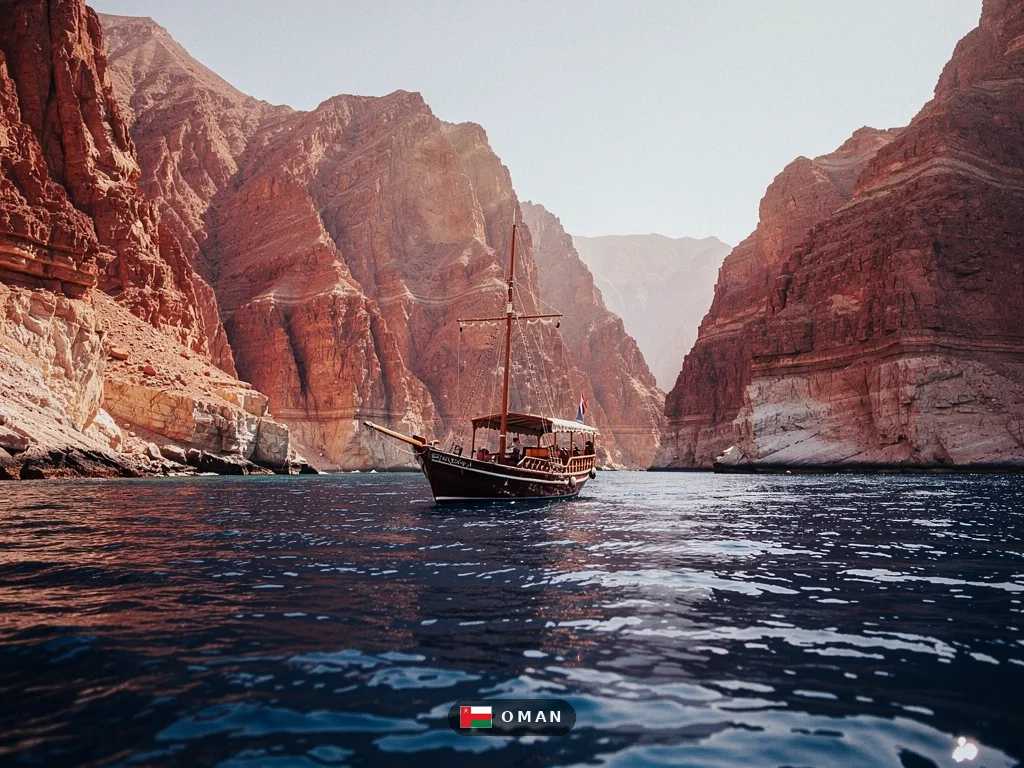
Oman offers one of the most spectacular and least crowded fishing destinations on Earth. With over 3,165 km of rugged coastline stretching from the Gulf of Oman to the wild Arabian Sea, this sultanate is famous among serious anglers for its giant species — particularly Giant Trevally (GT) that can exceed 70 kg and the almost mythical Africanus Permit, widely regarded as the only realistic place in the world to target this species on the fly.
Whether you dream of popping massive surface lures for GTs in the “land of the giants” near Shuwaymiyah, sight-fishing wary permit on remote flats in Salalah, or battling yellowfin tuna and sailfish from a deep-sea charter out of Muscat, fishing in Oman delivers an unforgettable adventure. The combination of dramatic desert-meets-ocean scenery, warm clear waters, and world-class sportfishing makes it a bucket-list destination for international anglers.
In this comprehensive guide, you will find everything you need to plan your trip: do you need a fishing license in Oman, current costs in OMR, EUR, and USD, the best fishing spots and seasons, detailed regulations, guided tours and charters, what gear to bring, visa requirements, and practical travel advice for visitors from Europe, the USA, UK, Japan, and beyond.
01Do You Need a Fishing License in Oman?
The answer depends on how and where you plan to fish. Oman’s recreational fishing is regulated by the Ministry of Agriculture, Fisheries Wealth and Water Resources (MAFWR). The rules are designed to protect fish stocks while encouraging local hobby fishing.
Shore fishing from the beach or rocks with a simple rod and line is generally free. No individual fishing license is required for amateur anglers casting from land. This makes Oman one of the most accessible destinations for travelers who want to combine a beach holiday with light fishing.
However, boat fishing is strictly controlled. If you fish from a private vessel or any boat not officially registered for tourism, every person on board must hold a valid individual recreational fishing permit. Most professional charter operators and tour companies hold a collective commercial license that covers all their clients. This is a major advantage for international visitors — in most cases, you will not need to apply for your own permit if you book through a reputable operator.
You can apply for an individual amateur fishing license through the official government portal at gov.om. The process is online and relatively straightforward, but it does require some documentation and patience.
Tip: Always confirm with your chosen charter captain or tour operator at the time of booking whether their vessel license covers you. This single question can save you time, money, and potential fines.
How to Apply for a Fishing Permit in Oman
If you decide to arrange your own boat or plan extended independent fishing, follow these steps:
1. Visit the official portal: Get a Recreational Fishing Licence
2. Create an account on the Gov.om platform.
3. Provide personal details, passport copy, and intended fishing areas.
4. Pay the fee online (credit cards accepted in most cases).
5. Download and print your digital license.
The Ministry has increased checks in recent years to prevent commercial poaching disguised as recreational fishing, as reported by *Times of Oman*. Always carry your permit when fishing from a private boat.
02Fishing License Costs in Oman (2026)
Oman’s permit fees are deliberately kept low to support local families while generating revenue for fisheries management. Here is the current structure (prices converted at approximately 1 OMR = €2.40 / $2.60):
| Permit Type | Cost in OMR | Cost in EUR | Cost in USD | Validity |
|--------------------------|-------------|-------------|------------------|--------------|
| Daily Individual License | 2 OMR | €4.80 | $5.20 | 1 day |
| Annual Individual License| 30 OMR | €72 | $78 | 12 months |
| Daily Boat Permit | 3 OMR | €7.20 | $7.80 | 1 day |
These fees are modest — roughly the cost of a coffee or a light restaurant meal in Muscat. Compared with expensive licenses in places like Australia or certain US states, Oman remains very angler-friendly.
Charter prices vary significantly depending on the region and type of trip. A half-day inshore trip from Muscat typically starts from €500–€700 ($540–$760), while a full-day deep-sea charter targeting GTs or tuna can cost €900–€1,500 ($970–$1,620). Multi-day liveaboard expeditions to the remote Hallaniyat Islands often exceed €3,000–€6,000 per person.
03Fishing Regulations and Catch Limits
Oman takes conservation seriously. The rules aim to prevent overfishing while allowing sustainable recreational angling.
Key regulations include:
These rules are enforced by the Royal Oman Police and Ministry inspectors. Fines can be substantial, and equipment may be confiscated in serious cases. Regulations may change, so always verify the latest information directly with the or through your tour operator before traveling.
04Best Fishing Spots in Oman – Where to Make Your Dreams Come True
This is the heart of any trip to Oman. The country’s vast, dramatic coastline offers incredibly varied fishing experiences, from towering fjord-like cliffs in the north to endless sandy beaches and remote islands in the south. Here are the premier destinations that make anglers return year after year.
Hallaniyat Islands (Kuria Muria Islands)
Located off the southern coast, these five remote islands are often described as Oman’s ultimate fishing frontier. The waters surrounding them are famous for monster yellowfin tuna, giant trevally, sailfish, and wahoo. The islands are largely untouched, with crystal-clear water and strong currents that attract huge predatory fish.
Many anglers consider a liveaboard trip here the pinnacle of Oman fishing. Imagine battling a 50+ kg GT on heavy popping gear while surrounded by dramatic rocky cliffs and turquoise lagoons. The experience is remote and wild — exactly what serious saltwater anglers crave.
Shuwaymiyah – The Land of the Giants
This stretch of coastline in southern Oman has earned legendary status among GT specialists. Massive giant trevally patrol the shallow flats and rocky points, with fish over 60–70 kg regularly reported. The combination of powerful fish, challenging terrain, and stunning desert scenery creates an almost spiritual fishing experience.
Popping with large surface lures is the preferred technique. The explosive strikes and powerful runs will test both your tackle and your nerves. Many visitors describe it as the best GT fishing on the planet.
Salalah and the Dhofar Region
Salalah offers a completely different experience. This area is the world’s premier destination for Africanus Permit on the fly. These fish are notoriously difficult to catch anywhere else, but the rocky surges and sandy flats around Salalah give dedicated fly anglers a realistic chance.
Beyond permit, you can target bluefish, queenfish, and various trevally species. The Khareef season (June–September) brings dramatic greenery to the normally arid landscape, but it also creates rough seas — so plan your trip for the cooler, calmer months.
Musandam Peninsula – The Fjords of Arabia
In the far north, separated from the rest of Oman by the UAE, the Musandam region feels like a different country. Towering limestone cliffs plunge into deep emerald waters, creating dramatic drops and powerful currents.
Target species here include Omani bream, kingfish, and various groupers. The scenic beauty is breathtaking — many compare it to Norwegian fjords but with tropical fish. It is also more accessible for travelers combining a stopover in Dubai with a fishing trip.
Muscat Coast
For those with limited time, the capital’s coastline offers excellent fishing with modern infrastructure. From Marina Bander Al Rowdah, you can reach productive waters within 30–60 minutes by boat. Common catches include dorado (mahi-mahi), yellowfin tuna, various trevally, and barracuda.
This area is perfect for business travelers or families who want high-quality fishing without traveling to remote regions.
The diversity of these spots means you can enjoy completely different fishing experiences within the same country — from sight-fishing on flats to heavy offshore trolling and wild liveaboard expeditions.
🎣 Fishing tours in Oman — Book guided fishing tours with local experts.
05Tours & Guided Experiences in Oman
Most international visitors choose guided tours or charters for both convenience and compliance with regulations. Professional operators handle licenses, provide quality equipment, and dramatically increase your chances of success.
Popular options include:
Prices generally range from €600–€1,000 for a standard full-day charter in more accessible areas. Premium fly fishing or remote expeditions can cost significantly more but deliver exclusive experiences.
Guides are usually knowledgeable, English-speaking, and passionate about both fishing and conservation. Many have decades of local experience and know exactly where and when particular species are most active.
06Popular Species and Techniques
Oman is a multi-species paradise. Here are the stars of the show:
Techniques range from heavy popping and jigging to delicate fly presentation. Local guides will help you match the right approach to the conditions and target species.
🚤 Charter fishing in Oman — Find and book charter boats with experienced captains.
07Best Time to Fish in Oman
The ideal season runs from October to April. During these months, daytime temperatures are pleasant (20–30°C / 68–86°F), seas are generally calm, and fish are active.
From May to September, the southern regions (including Salalah and the Hallaniyat Islands) experience the Khareef monsoon. While this brings lush greenery and cooler temperatures to the land, it creates rough, dangerous seas that often prevent safe fishing. Northern areas around Muscat and Musandam remain fishable longer but can still be affected by summer heat exceeding 40°C (104°F).
Travelers from the Northern Hemisphere should plan trips between late autumn and early spring. Southern Hemisphere visitors will find the cooler months (their spring and autumn) most comfortable.
08What Equipment to Bring
Oman is not a destination for light tackle only. For GT fishing, you need robust gear:
For fly fishing permit, bring 9–10 wt rods, floating lines, and a good selection of crab and shrimp patterns.
Local tackle shops in Muscat are surprisingly well-stocked for common items, but specialized GT or permit flies may be hard to find in remote areas. Bring spares.
🛒 Fishing equipment for Oman — Find the right gear for your trip.
09Practical Travel Information for International Visitors
Visa Requirements
Citizens of more than 100 countries, including all EU member states, the USA, UK, Canada, Australia, Japan, and many others, can enter Oman visa-free for stays of up to 14 days. For longer visits or certain nationalities, an easy-to-obtain eVisa is available through evisa.rop.gov.om.
Getting There and Around
Most visitors fly into Muscat International Airport (MCT). Salalah (SLL) in the south has good connections from Muscat and some international flights. Internal flights are affordable and save long driving times.
Renting a 4x4 vehicle is highly recommended for exploring fishing spots, especially in the south. Roads are generally excellent, but remote areas require proper preparation and local guidance.
📱 Stay connected in Oman — Get an eSIM for affordable mobile data while traveling.
🚗 Rent a car in Oman — Compare prices from 500+ rental companies worldwide.
Language and Culture
Arabic is the official language, but English is widely spoken in tourist areas, airports, and by fishing guides. Download Google Translate and a good offline map app before traveling to remote areas. Respect local customs — Oman is a conservative Muslim country, and modest dress is appreciated outside beach and marina areas.
Health and Safety
Tap water is generally safe in cities but stick to bottled water in remote regions. The main risks are sun exposure and dehydration — bring high-SPF sunscreen, a hat, and plenty of water. Medical facilities in Muscat are excellent; remote areas have limited services.
10Costs and Budget Planning
A realistic one-week fishing trip to Oman for one person (excluding international flights) typically costs:
These figures include accommodation, guided fishing, meals, internal transport, and basic permits. Compared to similar experiences in the Seychelles or certain parts of Australia, Oman often offers better value for the quality of fishing received.
11Conclusion
Fishing in Oman represents one of the last great saltwater frontiers — a place where you can realistically target 70 kg giant trevally, sight-fish the elusive Africanus Permit on the fly, and explore thousands of kilometers of largely untouched coastline. The combination of world-class sportfishing, dramatic scenery, warm hospitality, and relatively straightforward travel makes it an outstanding choice for adventurous anglers in 2026 and beyond.
Whether you are a passionate GT specialist, a dedicated fly angler chasing permit, or a family looking for exciting deep-sea charters, Oman has an experience that will exceed your expectations. Start planning early, book reputable operators, and prepare for the fishing trip of a lifetime.
The giants are waiting.
12FAQ – Frequently Asked Questions
Do you need a fishing license in Oman?
No license is required for shore fishing with a simple rod and line. A permit is mandatory for boat fishing unless you use a licensed charter operator whose collective license covers passengers.
What is the best time to go fishing in Oman?
The prime season is October to April when seas are calm and temperatures comfortable. Avoid June–September in southern Oman due to the rough Khareef monsoon.
What is the most popular fish to catch in Oman?
Giant Trevally (GT) is the most sought-after species, followed by Africanus Permit on the fly, yellowfin tuna, sailfish, and Omani bream.
How much does a fishing charter cost in Oman?
Half-day trips start from around €500–€700 ($540–$760), while full-day deep-sea or specialist charters range from €900–€1,500 ($970–$1,620). Liveaboard expeditions are more expensive.
Can I bring my own fishing rods to Oman?
Yes. Personal fishing gear is generally easy to import. Declare expensive items if necessary. GPS devices and drones may require special permits.
Is fly fishing good in Oman?
Exceptional. Oman is considered one of the world’s best (and often only realistic) destinations for targeting Africanus Permit on the fly.
Are there any prohibited species?
Yes. Recreational anglers may not catch or keep lobster, shrimp, abalone, or certain mollusks. There are also strict bag limits on other species.
Is it safe to travel and fish in Oman?
Yes. Oman is one of the safest and most stable countries in the region with excellent hospitality toward visitors.
13Sources & Further Links
Disclaimer: This article is intended for informational purposes only. Fishing regulations, permit requirements, costs, and seasonal patterns may change. Always verify the latest rules directly with the Ministry of Agriculture, Fisheries Wealth and Water Resources or your chosen professional tour operator before your trip. Information reflects conditions known in 2026.
Fishing trips in Oman
Curated tours & charters with price and click data from our partner dashboards.
 FishingBooker
QTours
 FishingBooker
Orca Oman
 FishingBooker
QTours
Don't miss any fishing tips!
Get the best fishing destination recommendations weekly in your inbox.
No spam. Unsubscribe anytime.
Read more
Data incorrect?
Help us keep this article up to date — report outdated or incorrect information
More articles