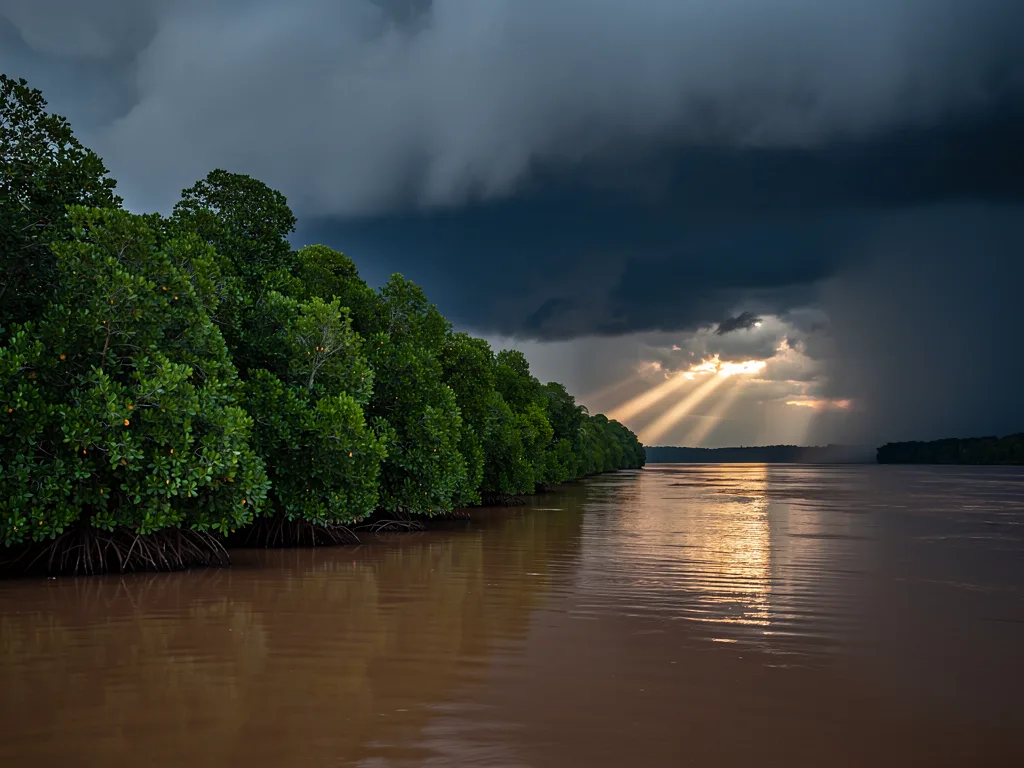
Imagine standing waist-deep in a crystal-clear Amazonian river, the humid air thick with the calls of howler monkeys, as a prehistoric predator with jaws like a wolf explodes on your surface popper. This is fishing in French Guiana — an experience that feels like stepping back in time to an untouched corner of the planet. As an overseas department of France, this South American territory offers world-class sport fishing for species like the mighty Aïmara (wolf fish), gigantic Tarpon, powerful Tiger Surubi, and aggressive Red Piranha. Whether you dream of battling a 20 kg (44 lb) Aïmara in the rapids of the Sinnamary River or fighting a 100 kg (220 lb) silver king around the Îles du Salut, French Guiana delivers raw, powerful Amazonian angling few places can match.
In this comprehensive guide, you will find everything you need to plan your dream fishing trip: whether you need a fishing license (Carte de Pêche), the top fishing spots, guided tours and charter options with current prices, regulations, best travel seasons, health requirements, and practical advice for travelers from Europe, the United States, the United Kingdom, Japan, and beyond. Regulations can change, so always verify the latest rules with official authorities before you travel.
01Do You Need a Fishing License in French Guiana?
One of the first questions international anglers ask is: do you need a fishing license in French Guiana? The answer depends on whether you plan to fish in freshwater or saltwater.
For freshwater fishing in rivers, lakes, and reservoirs, a valid fishing license — known locally as the Carte de Pêche — is mandatory for anyone aged 12 and older. Because French Guiana is an integral part of France, the system follows the national French model but is administered locally. You must purchase this license before wetting a line in any inland water.
In contrast, saltwater fishing is generally much simpler. No fishing license is required for recreational shore fishing (*pêche à pied*), surfcasting, or basic angling from the beach or jetties, as long as the fish are kept only for personal consumption and not sold. This makes coastal and offshore fishing more accessible for short-stay travelers who want to combine a beach day with light fishing.
Tip: Even if you are only planning saltwater fishing, carrying a copy of the latest regulations from guyane.gouv.fr is smart. Enforcement officers occasionally patrol popular areas, and misunderstandings can occur with international visitors.
The license system helps protect the unique biodiversity of this Amazonian territory while allowing sustainable recreational fishing. Always remember that regulations may change, and it is your responsibility to stay informed.
02How to Get Your Carte de Pêche (Fishing License) in French Guiana
Obtaining your Carte de Pêche Guyane is straightforward thanks to the centralized online portal used across all French territories. The official website is cartedepeche.fr, which offers an English-language version and accepts international credit cards.
When registering, select Guyane (973) as your department. You can choose from several options:
You can also buy physical licenses at local fishing tackle shops (*maisons de la pêche*), some tobacco shops (*Tabacs*), or tourist information centers in Cayenne, Kourou, or Saint-Laurent-du-Maroni. Many shops will help you complete the online process if you do not have reliable internet.
After purchase, you will receive a digital or printed license that you must carry while fishing. Some associations offer additional “*Carte de Pêche + Promenade*” packages that include certain boat access rights on specific rivers. For the most up-to-date prices and options, visit the official portal or contact the Direction Générale des Territoires et de la Mer (DGTM) in Guyane.
Remember that a French fishing license is not valid for professional or commercial fishing activities. If you are planning a longer stay or more intensive fishing, consider joining a local association for additional benefits and access to certain private stretches.
03Fishing Regulations and Catch Limits in French Guiana
French Guiana enforces strict rules to protect its fragile Amazonian ecosystem. Key regulations include:
You should also be aware of general bag limits for popular species such as Tarpon, Snook, and various catfish. The Office Français de la Biodiversité (OFB) and the Préfecture de la Guyane regularly update these rules. The best official sources are:
Always download the latest regulations before departure, as fines for illegal fishing can be substantial.
04Best Fishing Spots in French Guiana: Where to Experience Amazonian Sport Fishing
The heart of any great fishing trip is choosing the right location. French Guiana offers an incredible variety of environments — from dense jungle rivers to wild offshore reefs — each promising unforgettable battles.
Sinnamary River – World Capital of Aïmara Fishing
The Sinnamary River is widely regarded as the premier destination on Earth for the prehistoric Aïmara, also known as the wolf fish (*Hoplias aimara*). This river features a series of dramatic “jumps” (rapids) where these powerful ambush predators lie in wait. Casting heavy poppers or large soft plastics near structure can trigger explosive surface strikes that will test every piece of your tackle. The scenery — towering rainforest, cascading water, and the occasional caiman watching from the banks — makes every moment cinematic.
Petit-Saut Reservoir
Created by the Petit-Saut hydroelectric dam, this enormous 365 km² (141 sq mi) lake is a drowned forest of dead standing trees. It offers superb fishing for Aïmara, Acoupa weakfish, Peacock Bass relatives, and even Red Piranha. The standing timber creates perfect structure, but navigating the lake requires an experienced local guide. The eerie, flooded landscape feels otherworldly — perfect for anglers seeking a truly unique experience.
Îles du Salut (Salvation Islands)
Located off Kourou, these historic islands (famous as the former prison site of Alfred Dreyfus and Papillon) now offer outstanding Tarpon fishing. Fish exceeding 100 kg (220 lb) are possible in the channels and around the islands. You can also target Jack Crevalle, Kingfish, Sharks, and various snapper species. The combination of rich history, turquoise waters, and powerful fish makes this one of the most memorable fishing spots in French Guiana.
Maroni and Oyapock Border Rivers
These mighty rivers form the borders with Suriname and Brazil respectively. They provide access to Koumarou (a large fruit-eating pacu), massive Amazonian catfish, and Tiger Surubi. Fishing here often involves long boat journeys deep into the jungle, where you may encounter indigenous villages and pristine rainforest.
Battures du Connétable and Offshore Reefs
For those seeking deep sea fishing, the offshore reefs and shoals offer heavy jigging and bottom fishing for Red Snapper, Giant Grouper, Barracuda, and other powerful species. Strong currents and big fish demand heavy gear and experienced crews.
Each of these locations offers a completely different but equally thrilling fishing adventure. The raw power of the Amazon basin combined with the dramatic scenery creates fishing memories that last a lifetime.
🎣 Fishing tours in French Guiana — Book guided fishing tours with local experts.
05Fish Species: What You Can Expect to Catch
French Guiana is home to some of the most extraordinary freshwater and inshore species in the world:
The sheer power and aggression of these fish, combined with the challenging environments in which they live, make French Guiana a true test of an angler’s skill and tackle.
06Tours & Guided Experiences: Making the Most of Your Trip
Navigating the complex rivers, dense jungle, and ever-changing conditions of French Guiana is extremely difficult without local knowledge. Hiring a professional guide is strongly recommended — especially for first-time visitors.
Guided half-day or full-day coastal and estuary trips typically cost €110–€180 per person ($119–$195 USD), including tackle, bait, and soft drinks. Multi-day jungle expeditions — involving boat travel, forest camps, and intensive Aïmara fishing — can range from €800 to over €3,000 ($865–$3,250 USD) per person for a 5- to 7-day all-inclusive package.
Popular operators specialize in Aïmara fishing on the Sinnamary, Tarpon trips around the Îles du Salut, and mixed-species adventures on the Maroni River. Many guides are also knowledgeable about the local wildlife, indigenous culture, and safety in the jungle environment.
Language can be a barrier — while some guides speak good English, many primarily speak French and Creole. Using a translation app such as Google Translate or hiring a bilingual guide through a specialist operator is advisable.
🚤 Charter fishing in French Guiana — Find and book charter boats with experienced captains.
07Equipment Recommendations for French Guiana
The fish of French Guiana are notorious for destroying tackle within the first few seconds of the fight. You must bring heavy, high-quality gear.
For Aïmara fishing, use heavy spinning or baitcasting outfits rated for 30–50 lb (13.6–22.7 kg) line, with strong drags and reels that can handle sustained pressure. Titanium or heavy wire leaders (at least 30–50 lb test) are essential, as the wolf fish’s teeth will cut through almost anything else. Surface poppers, large glide baits, and heavy soft plastics produce the most spectacular strikes.
Tarpon fishing around the islands requires 12-weight fly gear or heavy spinning setups with 50–80 lb braid. For offshore reef fishing, bring jigging rods capable of handling 200–300 g (7–10 oz) jigs.
Because of airline baggage restrictions, 4-section travel rods are highly recommended. Pack plenty of spare leaders, strong hooks, and reels with sealed, high-quality drag systems. A good pair of polarized sunglasses, sun protection, and insect repellent are also vital.
🛒 Fishing equipment for French Guiana — Find the right gear for your trip.
08Practical Travel Information for International Visitors
Best Time to Visit
The dry season from August to November is widely considered the best period for fishing in French Guiana. Rivers are lower, rapids are more accessible, and sea conditions are usually calmer. A secondary “small summer” often occurs in March, offering another good window. The wet season (December to July) brings heavy rains, swollen rivers, and more difficult access, although some offshore fishing remains possible.
Getting There and Getting Around
Most international visitors fly into Cayenne-Félix Éboué Airport (CAY). Direct flights are available from Paris with Air France and Air Caraïbes. Travelers from the United States, United Kingdom, Canada, Japan, Australia, and other countries usually connect through Paris or via the Caribbean.
Visa requirements: As French Guiana is an overseas department of France, it follows Schengen/EU rules for short stays. Citizens of the EU, United States, United Kingdom, Japan, Canada, Australia, and many other countries can stay up to 90 days without a visa. Check the latest requirements for your nationality on official government websites before travel.
Health requirements: A Yellow Fever vaccination is mandatory for entry into French Guiana. Malaria prophylaxis is strongly recommended for trips into the interior. Consult a travel doctor well in advance. Dengue and Chikungunya are also present.
Renting a 4x4 vehicle is highly recommended for reaching remote boat ramps (*dégrads*). French driving rules apply, and an international driving permit is advisable for non-EU citizens.
Language and Communication
The official language is French, although Creole, Portuguese, and various indigenous languages are also spoken. English is not widely spoken outside of tourist areas and better hotels. Download offline translation apps and learn basic French phrases. Many fishing guides can arrange English-speaking assistance when booked through specialist operators.
📱 Stay connected in French Guiana — Get an eSIM for affordable mobile data while traveling.
🚗 Rent a car in French Guiana — Compare prices from 500+ rental companies worldwide.
09Costs of Fishing in French Guiana
Fishing in French Guiana is not the cheapest destination, but the quality of the experience justifies the investment for serious anglers.
Compared to other Amazonian destinations, French Guiana offers a good balance of infrastructure, safety, and fishing quality, although it is more expensive than neighboring countries.
10FAQ – Fishing in French Guiana
Do I need a fishing license for ocean fishing in French Guiana?
No license is generally required for recreational shore fishing or basic surfcasting in saltwater, provided fish are for personal use only. A Carte de Pêche is mandatory for all freshwater fishing.
What is the best fish to target in French Guiana?
The Aïmara (wolf fish) is the most sought-after freshwater species for its explosive strikes and prehistoric appearance. Tarpon offer the most spectacular fights in coastal waters.
When is the best time to fish in French Guiana?
The main dry season from August to November offers the best access and conditions. March can also provide a good secondary window.
Is it safe to travel to French Guiana for fishing?
French Guiana is generally safe for organized fishing trips with reputable guides. However, standard jungle precautions (insects, wildlife, river navigation) must be followed. Always use experienced local operators.
Can I fly fish for Aïmara in French Guiana?
Yes. While heavy spinning gear is most common, experienced fly anglers successfully target Aïmara with large streamers on 10- to 12-weight rods.
What vaccinations do I need before traveling to French Guiana?
Yellow Fever vaccination is mandatory. Hepatitis A, Typhoid, and malaria prophylaxis are also strongly recommended. Consult a travel medicine specialist.
How expensive is a fishing trip to French Guiana?
Expect to pay between €1,500 and €5,000 ($1,620–$5,400 USD) per person for a week-long guided fishing trip including accommodation, meals, and transfers (excluding international flights).
11Conclusion
Fishing in French Guiana offers one of the most authentic and powerful sport fishing experiences on Earth. From the explosive surface strikes of the mighty Aïmara in jungle rivers to the acrobatic battles with giant Tarpon around historic islands, this unique Amazonian territory rewards adventurous anglers with memories that last a lifetime.
Whether you are an experienced traveler or planning your first international fishing adventure, careful preparation regarding licenses, health requirements, and choosing the right guide will ensure a safe and successful trip. The combination of raw nature, powerful fish, and rich cultural heritage makes French Guiana a destination unlike any other.
Start planning your adventure today. Book your guided tours early, especially for the popular dry season months, and prepare to encounter a fishing experience that feels truly prehistoric.
12Sources & Further Links
Disclaimer: This article is intended for informational purposes only. Fishing regulations in French Guiana may change at any time. Always check the latest official rules with the Préfecture de la Guyane and DGTM before your trip. The authors and FishingWorldGuide.com assume no liability for any errors, omissions, or damages resulting from the use of this information. Prices are approximate and current as of 2026. Individual experiences may vary. Yellow Fever vaccination is mandatory — consult a qualified medical professional for travel health advice.
Don't miss any fishing tips!
Get the best fishing destination recommendations weekly in your inbox.
No spam. Unsubscribe anytime.
Read more
Data incorrect?
Help us keep this article up to date — report outdated or incorrect information
More articles