Jigging
Vertical jigging with metal lures from drift boat — pelagics, reef predators, deep-water species. Athletic, technical, productive.
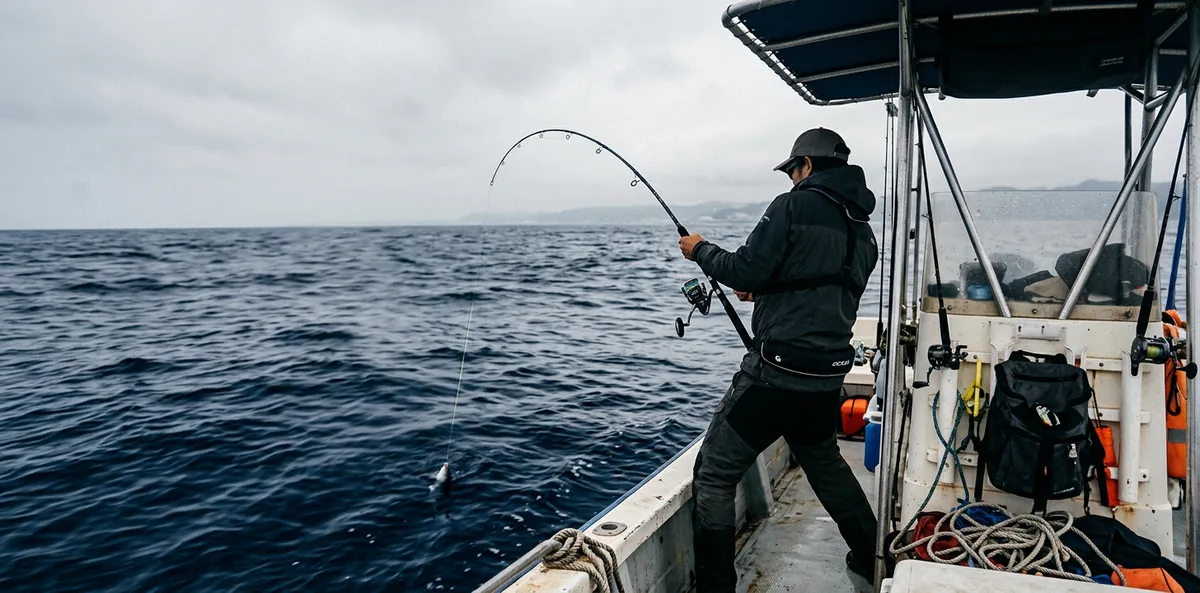
Jigging is the most physical method in saltwater fishing. The angler drops a heavy metal jig (80–500 grams) to the bottom or a target depth, then works it back up with rhythmic rod movements. The action — jerk, pause, drop, jerk, pause — triggers reaction strikes from predatory fish that wouldn't take a static bait.
Two dominant styles: speed jigging uses fast, vertical pumps with short rod strokes — the jig flutters down, sprints up. Slow-pitch jigging uses longer, smoother rod sweeps with the jig presenting a wounded-baitfish profile. Slow-pitch is gentler on the angler and triggers more strikes from non-aggressive fish (groupers, snappers, deepwater species).
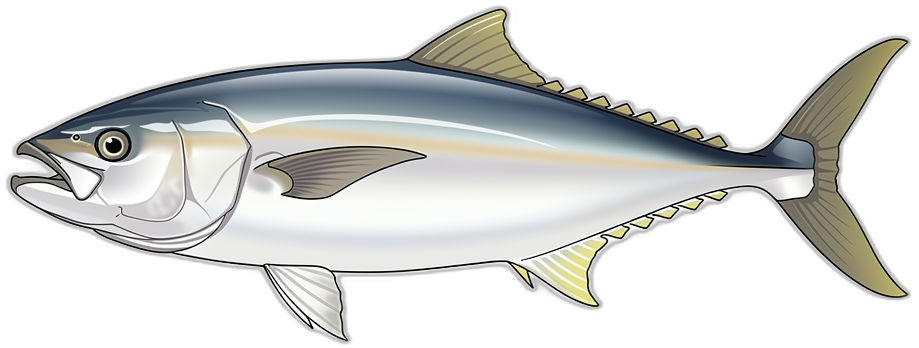
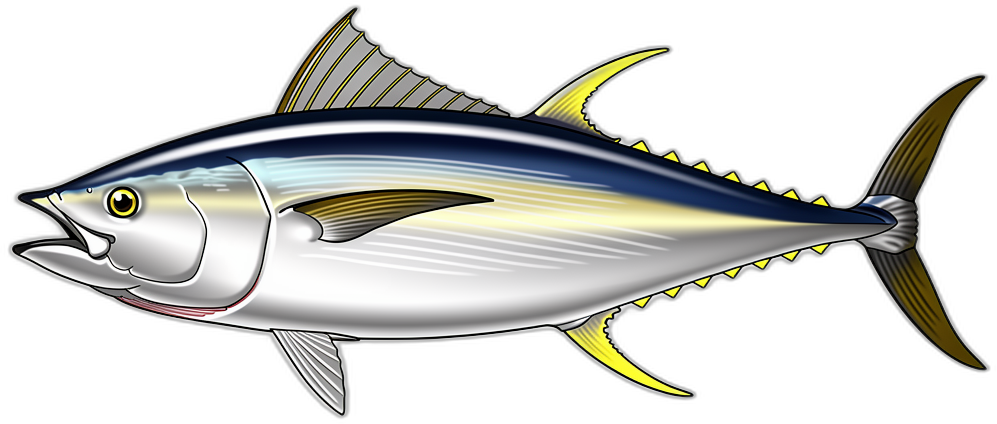
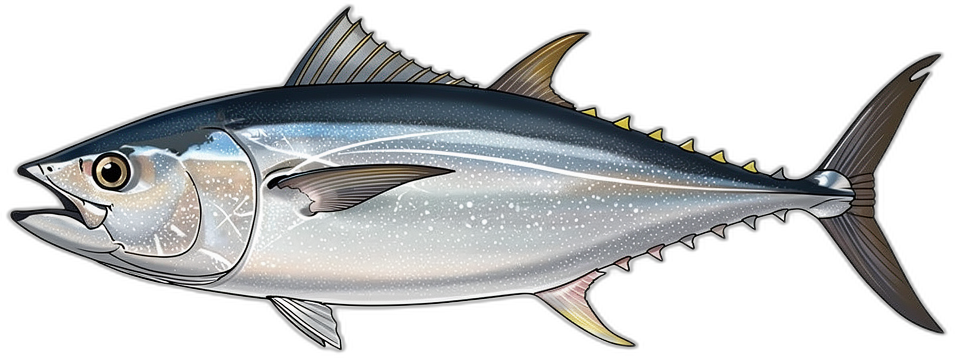
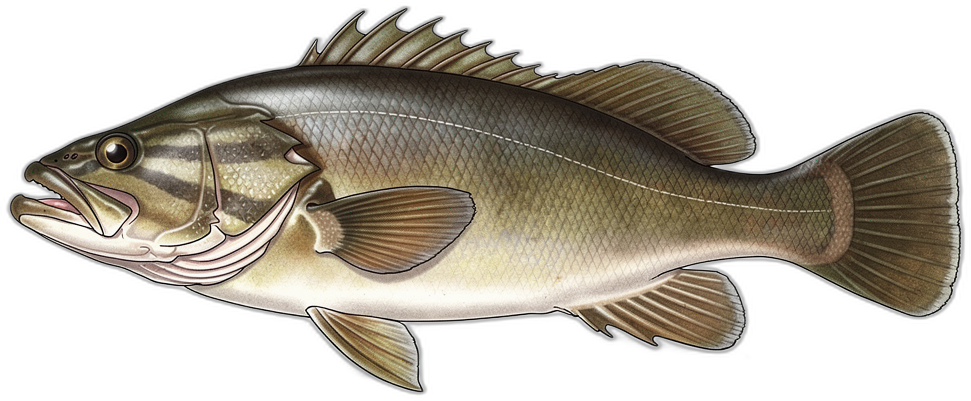
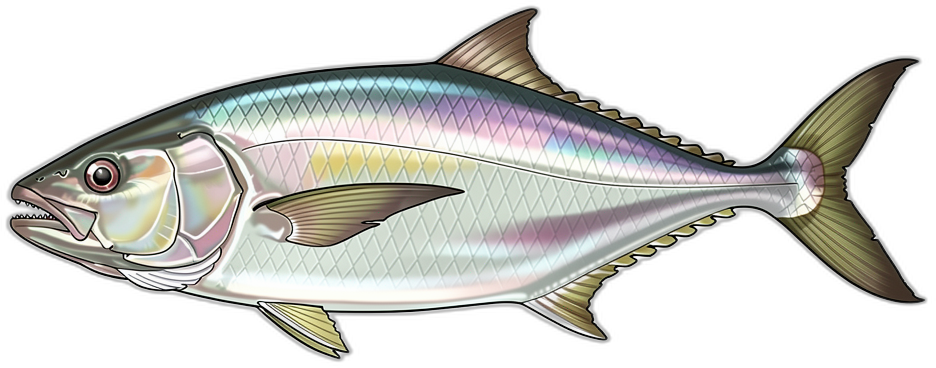
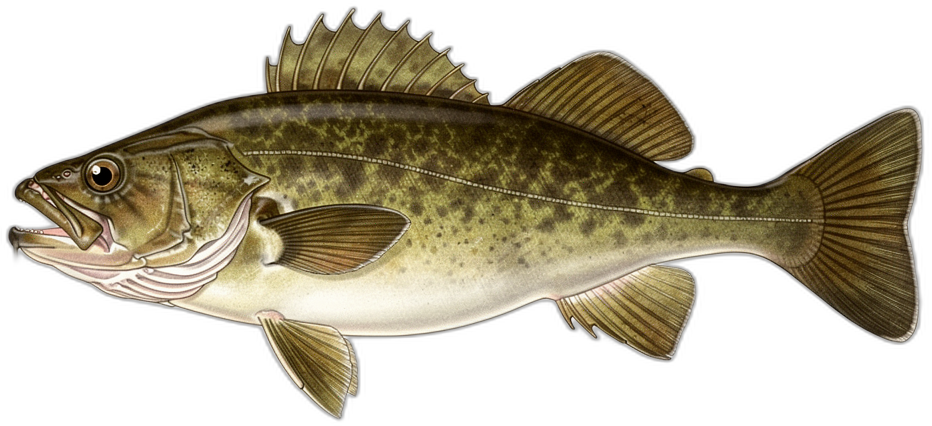
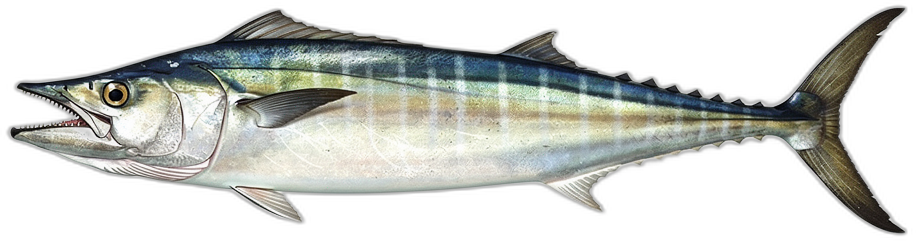
Targets cover a huge range: yellowtail amberjack on Pacific reefs, dogtooth tuna on Indian Ocean banks, kingfish in New Zealand foul, cod in Norway, halibut in Alaska, snappers and groupers worldwide, even pelagic tuna and wahoo in some setups.
The gear is specialized. Jigging rods are short (5.5–6 ft), parabolic, with high-modulus carbon. Reels are either high-speed conventional (Shimano Ocea Jigger, Maxel Hybrid) for speed jigging or two-speed lever-drag for big-game. Braid mainline (50–80 lb), heavy fluorocarbon leaders (80–150 lb), assist hooks rigged to the jig.
Hotspots: New Zealand North Island foul, Australian east coast, Mediterranean (slow-pitch for amberjack and grouper), Norway (cod jigging), Pacific Mexico (Cabo San Lucas), the Maldives, Andaman Sea (Thailand).
Target species
Recommended techniques
Tackle & equipment
Top destinations
Safety & regulations
Heavy jigs swinging in chop can hit anglers — stay clear of the rail when working another angler's jig. Repetitive motion injuries (shoulder, elbow) — alternate hands, hydrate. Strong currents make jigging vertically very hard — captain must position boat correctly. Sharks taxing jigged fish before landing is common.