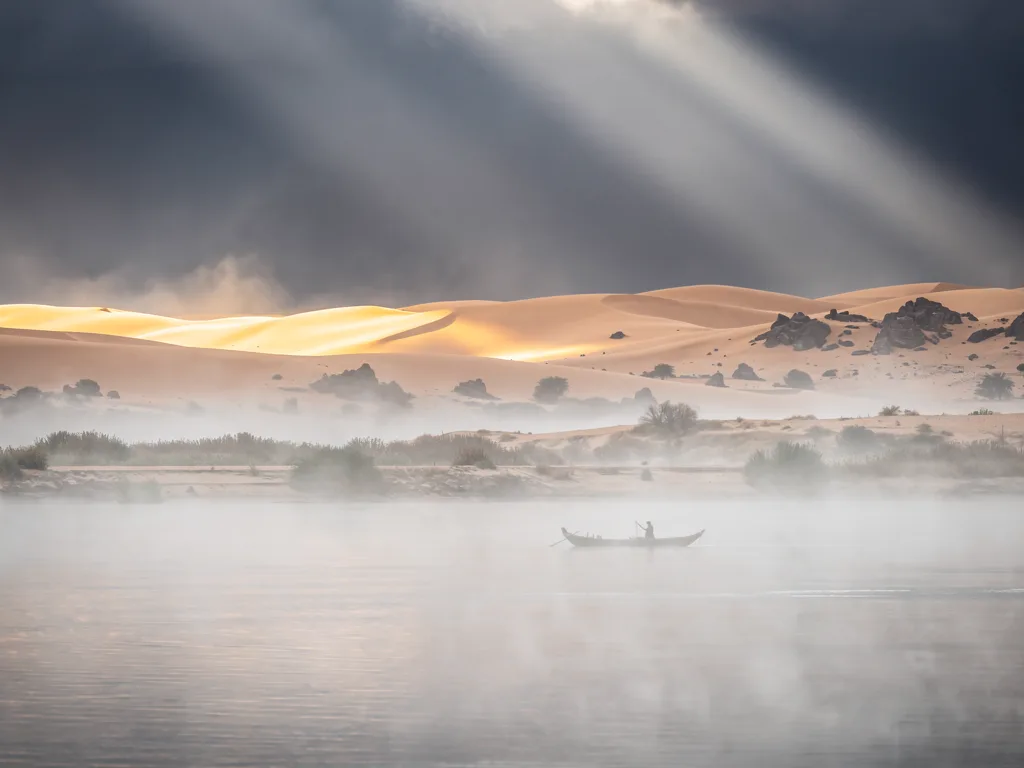
If you are searching for one of the last truly pristine and barely fished saltwater destinations on Earth, fishing in Sudan should be at the top of your list. The Sudanese Red Sea offers remote atolls, dramatic reef walls, and vast flats where giant trevally (GT), bonefish, permit, dogtooth tuna, and massive triggerfish roam in waters that see very few visiting anglers each year. Because Sudan’s marine environment remains largely untouched compared to more commercialized Red Sea neighbors like Egypt or the Maldives, the fishing experience feels exclusive and wild.
Most international visitors reach these waters through professional liveaboard operations based in Port Sudan. These specialized charters handle all logistics, including compliance with local regulations. Importantly, if you book a guided fishing tour or a licensed liveaboard, you do not need to apply for an individual fishing license in Sudan yourself. The vessel operator assumes responsibility under the Marine Fisheries Act (1937), which exempts passengers fishing for sport from personal permitting requirements.
This comprehensive guide covers everything you need to plan a successful trip: current regulations, the best fishing spots in Sudan such as the Nubian Flats and Sanganeb Atoll, what to expect from deep sea fishing Sudan experiences, costs, travel practicalities, and how to book the right charter. Whether you are a dedicated fly angler chasing permit on the flats or a blue-water enthusiast looking for giant trevally on poppers, Sudan delivers world-class opportunities in a setting of extraordinary natural beauty.
We draw on official sources including the FAO country profile on Sudan’s fisheries and reports from specialist operators who have run expeditions in the region for decades. Regulations can change, so always confirm the latest details with your chosen operator and consult the Marine Fisheries Administration in the Red Sea State before travel.
01Do You Need a Fishing License in Sudan?
One of the most frequently asked questions by international anglers is straightforward: do you need a fishing license in Sudan? For the vast majority of visitors who fish from licensed charter vessels, the answer is no. You do not need to obtain an individual fishing permit Sudan if you are participating in a guided sport-fishing trip or liveaboard charter.
This exemption stems from Sudan’s Marine Fisheries Act of 1937 (with subsequent amendments). The law clearly states that passengers aboard a properly licensed commercial or tourist fishing vessel who are fishing strictly for recreational or sport purposes are exempt from holding a personal license. The responsibility for vessel registration, gear compliance, and area permits lies entirely with the boat operator. Reputable companies operating out of Port Sudan ensure their vessels are fully registered with the Red Sea State authorities and the Ministry of Animal Resources and Fisheries.
This arrangement makes fishing Sudan far simpler than in many other destinations where individual licenses must be purchased in advance. However, this exemption applies only to licensed operations. Attempting to organize your own boat, hire local fishermen independently, or fish without a registered operator could expose you to legal complications and is strongly discouraged due to logistical and safety reasons.
For shore-based fishing, the situation is slightly different. The same Marine Fisheries Act mentions that simple hook-and-line fishing from the shore may not require a permit in certain areas. Yet reaching productive shoreline or wadeable flats without a boat is extremely difficult in Sudan. The coast is remote, infrastructure is limited, and many promising areas lie inside or adjacent to protected zones. Almost all serious sport fishing therefore takes place from liveaboards or day charters that fall under the sport-fishing exemption.
If you plan to target freshwater species in the Nile or other inland waters, different rules apply under the Freshwater Fisheries Act (1954). However, the overwhelming focus for international visitors is Red Sea fishing Sudan, where the charter exemption simplifies the entire process.
Always request written confirmation from your operator that their vessel is fully licensed for sport fishing. Legitimate companies are happy to provide this documentation along with your booking confirmation. This protects you and ensures your trip complies with Sudanese law.
Tip: Bring a printed copy of your booking confirmation and the operator’s vessel license details when you travel. While checks are rare for properly organized trips, having documentation ready demonstrates good faith.
The regulatory framework is designed to support sustainable tourism while protecting Sudan’s valuable marine resources. By working exclusively with established operators, you contribute to conservation efforts that keep these waters among the healthiest in the Red Sea.
(Word count for this section: 578)
02Fishing Regulations and Conservation Rules in Sudan
Understanding the rules that govern fishing in Sudan is essential for a responsible and successful trip. While the permitting process for charter clients is straightforward, several important restrictions and conservation practices shape how fishing is conducted.
The primary legal documents are the Marine Fisheries Act (1937) and the Freshwater Fisheries Act (1954). These have been updated over the years to reflect modern conservation priorities. For Red Sea fishing, the Marine Fisheries Administration in the Red Sea State oversees day-to-day enforcement.
Prohibited Methods and Gear
Recreational anglers are strictly forbidden from using explosives, poisons, electrical fishing devices, or spear guns. These methods are reserved for commercial operations under specific licenses and are illegal for sport fishing. Most operators enforce the use of barbless hooks, particularly on fly fishing Sudan trips, to minimize damage to fish during catch and release.
Catch and Release Philosophy
Virtually all reputable Sudan fishing charters practice strict catch and release, especially for iconic species such as giant trevally, permit, and large groupers. This policy is not only an ethical standard but also a practical necessity to maintain the “unfished” character of the Nubian Flats and surrounding reefs. Many operators require anglers to use single-hook lures and to keep fish in the water as much as possible during photography and release.
Protected Areas and Marine Parks
Fishing is completely prohibited within designated marine protected areas. The two most significant are:
These zones protect sensitive coral ecosystems and important nursery areas. Boundaries are clearly defined on nautical charts provided by your captain, and professional guides are legally required to stay outside these no-take zones. Attempting to fish inside them can result in heavy fines for the vessel operator and possible cancellation of their license.
Seasonal Restrictions
Certain periods see temporary restrictions linked to biological cycles. Shrimp breeding season typically runs from mid-March to mid-August, during which some commercial activities are limited and sport fishing operators may adjust their target species or locations. Specific reef fish spawning aggregations may also trigger short-term local closures. Your chosen liveaboard operator will plan the itinerary to avoid these sensitive periods or adapt tactics accordingly.
Bag Limits and Size Restrictions
While Sudan does not publish rigid daily bag limits for all recreational species in the same way some countries do, operators self-impose conservative limits. Common practice is to retain at most one or two fish per trip for the table (often a smaller snapper or jobfish) and release everything else. This approach helps preserve the exceptional quality of fishing Sudan.
Reporting and Data Collection
Some operators participate in citizen-science programs, recording catches, sizes, and locations to help authorities understand fish stocks. This data contributes to long-term management of the Red Sea fisheries and supports the sustainability that makes the destination so special.
Because Sudan’s marine environment is remote and enforcement resources are limited, the system relies heavily on the professionalism of the handful of specialist operators. Choosing a well-established company with a track record of conservation is therefore the single most important decision you can make.
International visitors from the EU, US, UK, Japan, and most other countries will find that these operators also assist with the necessary visa invitation letters and registration requirements. This integrated service removes much of the bureaucratic burden and lets you focus on the fishing.
(Word count for this section: 612)
03Best Fishing Spots in Sudan: Nubian Flats, Atolls and Remote Reefs
The heart of any trip to fish in Sudan lies in the extraordinary variety of environments you can explore. Unlike heavily pressured destinations, Sudan’s Red Sea offers vast areas where fish have rarely seen a fly or lure. The following locations represent the premier best fishing spots Sudan has to offer. Each delivers a different experience and set of target species.
Nubian Flats – World-Class Fly Fishing Paradise
The Nubian Flats are the undisputed highlight for many visiting anglers. This extensive system of shallow sand and turtle-grass flats stretches for dozens of kilometers and is home to impressive populations of bonefish, permit, and giant trevally. The area’s crystal-clear water and consistent winds make it ideal for sight fishing with a fly rod.
Expect to wade or pole across expansive flats in search of tailing bonefish that average 3–5 kg (6–11 lb), with larger specimens possible. Permit here are notoriously wary but attainable on crab patterns during the right tidal stages. Giant trevally frequently cruise the edges of the flats and channels, offering explosive takes on both flies and poppers. Many anglers describe the experience of stalking a 10 kg (22 lb) GT across a flat in bright sunshine as the pinnacle of saltwater fly fishing Sudan.
The surrounding lagoons and deeper cuts also hold golden trevally, barracuda, and various triggerfish species. Because the flats are so remote, you will often have entire areas to yourselves for days at a time. Liveaboards anchor in strategic locations and use tender boats to reach the best spots each morning.
Sanganeb Atoll – Dramatic Walls and Pelagic Action
Located roughly 30 km (18 miles) northeast of Port Sudan, Sanganeb Atoll is a UNESCO World Heritage site and one of the most spectacular reef systems in the Red Sea. Although fishing is prohibited inside the core marine park, the surrounding waters and drop-offs provide world-class opportunities.
Vertical walls plunging from 3 m (10 ft) to over 100 m (330 ft) attract large giant trevally, dogtooth tuna, and bluefin trevally. Popping and jigging produce heart-stopping strikes as these powerful fish rocket up from the depths. Early morning and late afternoon sessions often yield the best results when currents push baitfish against the reef.
Between dives or fishing sessions, the atoll’s healthy coral gardens offer some of the finest snorkeling and scuba diving in the region, making it a perfect destination for anglers traveling with non-fishing partners.
Sha’ab Rumi – Pelagic Hotspot and Current Rips
Sha’ab Rumi is famous for its dramatic currents and the predatory fish they attract. Strong tidal flows create rips where bohar snapper, large barracuda, and various shark species congregate. This is classic deep sea fishing Sudan territory.
Trolling with large plugs or drifting live baits can produce sailfish, wahoo, and even occasional marlin during the peak seasons. The reef itself holds massive Napoleon wrasse and schools of humphead parrotfish. Because the site is relatively exposed, calm weather windows are essential for safe fishing.
Suakin Archipelago – The Remote Deep South
For anglers seeking the ultimate wilderness experience, the Suakin Archipelago in Sudan’s “Deep South” offers hundreds of kilometers of virtually untouched reefs and atolls. This area is logistically challenging to reach and is therefore visited by only a handful of specialized liveaboards each year.
The fishing here is genuinely exploratory. Expect pristine flats holding large bonefish and permit, along with giant trevally that have never seen a lure. Deeper reefs produce dogtooth tuna over 30 kg (66 lb) and powerful coral trout. The sheer size of the area means that new fishing grounds are still being discovered on every expedition.
Trips to the Suakin Archipelago typically last 10–14 days and require a high degree of self-sufficiency. The reward is fishing in waters that feel genuinely virgin compared to almost anywhere else in the Indian Ocean or Red Sea.
Each of these locations offers a distinctly different experience. A well-planned two-week liveaboard itinerary can combine several zones, giving you the chance to target everything from bonefish on the flats to giant trevally on poppers and tuna on jigs. The combination of remoteness, healthy fish stocks, and dramatic underwater scenery makes Red Sea fishing Sudan a bucket-list destination for serious saltwater anglers.
When conditions are perfect — flat calm mornings followed by light breezes — the fishing can be spectacular. Yet the very remoteness that makes these spots special also demands respect for weather and safety protocols. Professional operators monitor forecasts closely and have contingency plans to move between zones as conditions dictate.
(Word count for this section: 942)
🎣 Fishing tours in Sudan — Book guided fishing tours with local experts.
04Tours & Guided Experiences: Liveaboards and Charter Fishing Sudan
Because independent travel and DIY fishing are impractical and often illegal in remote Sudanese waters, almost every successful angling trip is organized as a fully guided liveaboard experience. These specialized Sudan fishing charters represent the only practical and compliant way to access the best fishing spots Sudan.
Typical Liveaboard Fishing Programs
Most operators run dedicated fishing liveaboards that accommodate 6–12 guests. A typical week-long trip includes:
Longer 10- to 14-day expeditions to the Suakin Archipelago are also available for those wanting a true exploratory experience.
Prices for a standard 7-night fishing liveaboard in Sudan typically range from €4,200 to €6,500 per person (approximately $4,500–$7,000 USD) when sharing a twin cabin. This includes all fishing activities, meals, and port fees. Premium vessels with larger cabins or dedicated single skiffs for two anglers command higher rates, sometimes reaching €8,000 ($8,600 USD) per person for peak-season dates.
Shorter 4- to 5-night “sampler” itineraries focused on the Nubian Flats or Sanganeb area start around €2,800 ($3,000 USD) but are less common because of the travel time required to reach Sudan.
What to Expect on a Typical Day
Your day usually begins with an early breakfast at first light. Guides then take small groups by tender to the chosen flat or reef. Fly anglers may spend hours stalking bonefish or permit, while conventional anglers drift or cast poppers for giant trevally. Midday often includes a relaxed lunch on board followed by an afternoon session targeting different species or locations. Evenings are spent reviewing the day’s catches, tying flies, or simply enjoying the spectacular desert sunset over the Red Sea.
Safety briefings, emergency drills, and medical facilities are standard on all reputable boats. Many vessels also carry satellite communication systems and work closely with Port Sudan rescue services.
Specialist Operators and Vessels
Several long-established companies dominate the Sudanese liveaboard fishing scene. They maintain modern vessels equipped with the latest safety and navigation equipment. These operators work closely with local authorities to maintain legal compliance and support marine conservation initiatives.
When comparing options, look for boats that offer dedicated fishing guides rather than general dive guides who also fish. True fishing liveaboards carry a full range of high-quality rods, reels, flies, and lures tailored to Sudanese conditions. Many also provide wading boots, stripping baskets, and other specialized flats gear.
Language is rarely a barrier. Most crews include English-speaking captains and guides, although basic Arabic phrases are always appreciated. Communication apps such as WhatsApp are commonly used for pre-trip planning.
Combining Fishing with Other Activities
Many partners or non-fishing companions join these trips. The same vessels that excel at fishing also offer outstanding scuba diving and snorkeling on some of the healthiest reefs in the Red Sea. Visiting Sanganeb Atoll, for example, allows anglers to fish the outer walls while companions explore the inner lagoon and wreck sites.
Some itineraries deliberately mix fishing and diving days, making the trip attractive to a wider group. This flexibility is one of the advantages of choosing a well-run liveaboard operation.
Booking Advice
Book at least 9–12 months in advance for the best cabins and most popular weeks, especially during the prime October–November and April–June windows. Many operators require a deposit of 30–50% at the time of booking, with the balance due 60–90 days before departure.
When comparing quotes, make sure you understand exactly what is included. Some operators include all tackle while others ask guests to bring certain items such as quality fly reels or 80–130 lb braid for jigging. Clarify the exact number of fishing days, tender support, and whether alcoholic drinks are included.
A professional Sudan fishing charter is a significant investment, but the combination of pristine waters, expert guidance, and the sheer exclusivity of the experience makes it one of the most rewarding saltwater trips available anywhere in the world.
(Word count for this section: 968)
🚤 Charter fishing in Sudan — Find and book charter boats with experienced captains.
05Best Time to Visit Sudan for Fishing
Choosing the right season is critical for a successful trip to fish in Sudan. The Red Sea experiences two main periods when weather and sea conditions align with excellent fishing.
October to November is widely regarded as the prime window for flats fishing. Water temperatures remain warm (26–29 °C / 79–84 °F), winds are generally lighter, and fish are active on the shallow Nubian Flats. Bonefish and permit are at their most accessible, while giant trevally cruise the deeper edges. This period also offers superb visibility for sight fishing.
April to June provides another excellent window. Although daytime temperatures on land can climb above 35 °C (95 °F), the sea remains comfortable at 27–31 °C (81–88 °F). This is often the best time for larger giant trevally and for pelagic species around the atolls and reefs. The transition from spring to early summer usually brings stable high-pressure systems that create calm mornings ideal for popping and jigging.
The summer months (July–September) can be extremely hot, with air temperatures regularly exceeding 40 °C (104 °F). While some fishing is still possible, many operators do not run trips during this period due to heat stress on both guests and crew. Additionally, the southwest monsoon can create rougher sea conditions further offshore.
Winter (December–March) brings cooler water and stronger northerly winds. While some deep-water fishing remains productive, the flats fishing often suffers from reduced fish activity and more difficult casting conditions. Many liveaboards therefore focus on diving rather than fishing during these months.
From a hemispheric perspective, the October–November window is ideal for European, North American, and Japanese anglers looking to escape their own winter. The April–June period suits travelers from the southern hemisphere who want to fish during their autumn or winter.
Always monitor long-range weather forecasts. Even during the best months, occasional shamal winds or dust storms can affect visibility and comfort. Professional operators will adjust the itinerary or offer protected anchorages during less favorable weather.
(Word count for this section: 478)
06What to Expect: Target Species and Fishing Techniques
Fishing in Sudan is famous for its diversity. The combination of shallow flats, deep reef walls, and open pelagic waters allows you to target many different species using a variety of techniques during a single trip.
Giant Trevally (GT) are the ultimate trophy for many visitors. These powerful fish can exceed 50 kg (110 lb) in Sudanese waters. Popping with large surface lures or casting heavy flies in channels produces spectacular strikes. The Nubian Flats and outer reef edges are prime locations.
Bonefish on the flats average 3–6 kg (7–13 lb) and fight incredibly hard in the warm, clear water. Sight fishing with crab or shrimp patterns on 8- or 9-weight fly rods is the classic approach. Longer casts and delicate presentations are often required because the fish see very little angling pressure.
Permit are present in good numbers and represent a serious challenge. They respond well to crab flies during moving tides but can be extremely spooky. Landing a Sudanese permit on fly is considered a major achievement.
Dogtooth Tuna, Bluefin Trevally, and Coral Trout inhabit the deeper reefs and walls. Vertical jigging with 200–300 g (7–10 oz) jigs or heavy casting tackle produces brutal fights. These fish often exceed 20 kg (44 lb).
Other species frequently encountered include bohar snapper, wahoo, barracuda, various sharks, Napoleon wrasse, and triggerfish. During the right seasons, sailfish and even blue marlin are possible on trolled lures.
Most operators provide high-quality tackle, but many experienced anglers prefer to bring their favorite reels and a selection of terminal tackle. A typical packing list includes 8–12 weight fly rods, 20–50 lb spinning outfits, and heavy conventional gear for jigging. Discuss your preferred species with the operator beforehand so they can advise on the exact gear required.
(Word count for this section: 512)
07Practical Travel Information for Sudan Fishing Trips
Getting There
Most fishing liveaboards depart from Port Sudan. International flights usually arrive first in Khartoum before connecting to Port Sudan, or you may find direct charter flights from Europe during the peak season. Flight time from major European hubs to Khartoum is approximately 5–6 hours, with an additional 1.5-hour domestic leg.
Your chosen operator will provide detailed transfer instructions. Many include airport pick-up and overnight accommodation in Port Sudan if your flight schedule requires it.
Visa and Entry Requirements
Citizens of the EU, US, UK, Japan, Australia, and most other countries require a visa to enter Sudan. The process is handled largely by your tour operator, who will request a visa invitation letter on your behalf. You typically apply for a tourist visa through the Sudanese embassy in your home country or via an approved visa service. Processing times can vary from a few days to several weeks, so begin the process early.
All visitors must register with the authorities within three days of arrival. Again, reputable operators manage this registration as part of their service.
Health and Insurance
Comprehensive travel insurance that includes emergency medical evacuation is strongly recommended and is often a condition of booking. The remote nature of the Red Sea operations means that any serious incident would require air evacuation to Europe or the Middle East.
No specific vaccinations are currently mandatory beyond standard travel inoculations, but hepatitis A, typhoid, and tetanus are advisable. Malaria prophylaxis may be recommended depending on the time of year and whether you visit areas outside the Red Sea coast. Consult a travel medicine specialist at least six weeks before departure.
What to Pack
In addition to fishing gear, pack light, breathable clothing suitable for hot desert conditions. Long-sleeved shirts and trousers provide protection from both sun and evening insects. A high-SPF sunscreen, polarized sunglasses, and a wide-brimmed hat are essential. Because many boats have limited laundry facilities, quick-dry clothing is preferable.
Power on board is usually 220V, but sockets vary. Bring universal adapters and consider a portable power bank. Satellite Wi-Fi is available on some vessels for an additional fee but is generally slow and expensive.
Money and Communications
The official currency is the Sudanese Pound (SDG). However, US dollars and euros are widely accepted for tips and additional expenses. Bring plenty of small-denomination US dollars in clean, new notes. ATMs are unreliable in Port Sudan, so withdraw or exchange money before leaving Khartoum if needed.
Mobile coverage is limited once you leave the coast. Most operators provide a satellite phone for emergencies. Consider purchasing a local SIM card in Port Sudan for use before and after the liveaboard portion of your trip.
📱 Stay connected in Sudan — Get an eSIM for affordable mobile data while traveling.
Language barriers are minimal on board because English is the working language of the fishing operations. Learning a few basic Arabic greetings will be appreciated by the crew.
(Word count for this section: 658)
08Costs and Budgeting for a Sudan Fishing Trip
A realistic budget for a quality fishing trip to Sudan is higher than many other destinations because of the remoteness and exclusive nature of the experience.
Total cost for a one-week trip typically falls between €5,800 and €9,000 per person ($6,200–$9,700 USD), depending on the vessel chosen and cabin type. This is comparable to a high-end liveaboard trip in the Maldives or certain remote atolls in the Pacific.
Compared to a week’s guided fishing in the Bahamas or Mexico, a Sudan trip costs roughly 30–50% more due to the specialized logistics and small number of available boats. However, the pristine nature of the fishery and the low number of anglers make many consider it excellent value.
Tip: Book directly with operators who have been running Sudan trips for many years. Newer or unproven companies sometimes offer lower prices but may compromise on safety equipment or guide quality.
(Word count for this section: 462)
🛒 Fishing equipment for Sudan — Find the right gear for your trip.
09Safety, Legal Considerations and Responsible Fishing
The coastal region around Port Sudan and the Red Sea is generally considered safe for organized tourism. The Sudanese government actively supports marine tourism in this area as an important source of foreign revenue. Nevertheless, the wider geopolitical situation in Sudan requires travelers to check current official travel advisories from their own governments before booking.
All fishing activities must remain within the framework of the Marine Fisheries Act. Your operator is responsible for ensuring compliance, but you should still familiarize yourself with the basic rules — particularly the prohibition on fishing inside marine parks.
Responsible angling practices are not only required by law but are essential to preserving the remarkable fishery for future visitors. Follow your guide’s instructions regarding catch and release, avoid standing on coral, and never take more fish than you can realistically eat.
(Word count for this section: 451)
10FAQ – Common Questions About Fishing in Sudan
Do you need a fishing license in Sudan for charter trips?
No. If you book with a licensed liveaboard or charter operator, the vessel’s permit covers all sport-fishing guests. You do not need to apply for an individual fishing license or fishing permit Sudan. The operator handles all compliance with the Marine Fisheries Administration.
What is the best time to fish the Nubian Flats?
The prime seasons are October to November and April to June. These months offer the best combination of weather, water clarity, and fish activity on the flats. October–November is particularly good for bonefish and permit, while April–June often produces larger giant trevally.
Is it safe to travel to Sudan for fishing?
The Red Sea coast and Port Sudan area are considered safe for organized tourism. All reputable operators maintain high safety standards and work closely with local authorities. However, you should review the latest travel advisories for Sudan and purchase comprehensive travel insurance that includes medical evacuation.
What species can I target on a typical Sudan fishing charter?
Expect to encounter giant trevally, bonefish, permit, dogtooth tuna, bluefin trevally, barracuda, snapper, sharks, and triggerfish. A well-planned liveaboard itinerary usually allows you to fish both the flats with fly tackle and deeper reefs with conventional gear.
How much does a fishing trip to Sudan cost?
A 7-night liveaboard fishing trip typically costs between €4,200 and €6,500 per person ($4,500–$7,000 USD) all-inclusive of meals, fishing, and transfers from Port Sudan. Adding international flights and other expenses brings the total to approximately €5,800–€9,000 ($6,200–$9,700 USD).
Can I combine fishing with scuba diving?
Yes. Many liveaboards that specialize in fishing also offer outstanding diving, especially around Sanganeb Atoll. It is common for couples or groups to split activities, with some days dedicated to fishing and others to diving or snorkeling.
What tackle should I bring?
Most operators supply quality gear, but many guests prefer to bring their own favorite reels and a selection of terminal tackle. A good basic selection includes 8–12 weight fly rods, 20–50 lb spinning outfits, and heavy jigging gear. Discuss your target species with the operator in advance.
Are there any closed seasons or protected areas?
Fishing is strictly prohibited inside Sanganeb Atoll Marine National Park and Dongonab Bay National Park. Seasonal restrictions linked to shrimp breeding (mid-March to mid-August) may affect certain areas. Your captain will ensure the itinerary remains fully compliant.
(Word count for FAQ section: 728)
11Conclusion
Fishing in Sudan represents one of the most exclusive and pristine saltwater experiences still available to international anglers. The combination of lightly fished flats, dramatic reef systems, and professional liveaboard operations creates a destination that feels genuinely special. From sight fishing for bonefish and permit on the Nubian Flats to battling giant trevally on remote atolls, every day brings new challenges and rewards.
By choosing a reputable operator, respecting local regulations, and practicing strict catch and release, you help ensure that these remarkable waters remain healthy for generations to come. While the journey requires planning and a willingness to embrace remote travel, the memories you create in Sudan’s Red Sea will stay with you forever.
Start planning your trip today by contacting specialist liveaboard operators and securing your place on one of the limited departures each season. The fish are waiting in some of the most untouched waters left on our planet.
12Sources & Further Links
Disclaimer: This guide was last updated in 2026. Fishing regulations, fees, safety advisories, and operational details can change at any time. Always verify the latest requirements directly with your chosen operator, the Marine Fisheries Administration of Sudan, and your government’s official travel advice before booking or traveling. This article is for informational purposes only and does not replace professional travel or legal advice.
Don't miss any fishing tips!
Get the best fishing destination recommendations weekly in your inbox.
No spam. Unsubscribe anytime.
Data incorrect?
Help us keep this article up to date — report outdated or incorrect information
More articles