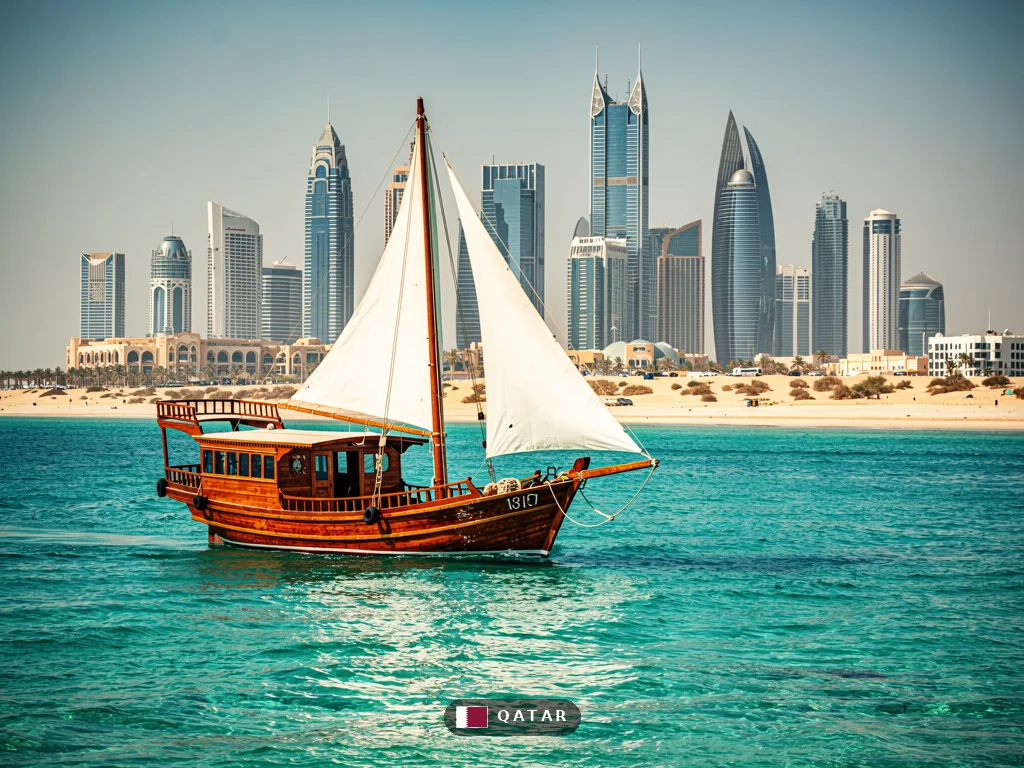
Imagine standing on the waterfront promenade of Doha as the first light of dawn touches the waters of the Arabian Gulf. The call to prayer echoes from nearby minarets while you cast your line, hoping for the powerful pull of a Hammour or the lightning run of a Kingfish. Qatar offers a distinctive blend of ultra-modern cityscapes and rich marine heritage, making it an increasingly popular destination for international anglers seeking both shore fishing and deep sea fishing Qatar adventures.
With more than 560 km of coastline bordering the Arabian Gulf, Qatar delivers diverse fishing opportunities. Whether you prefer casting from the iconic Corniche in the heart of the capital or booking a luxury Qatar fishing charter to chase trophy fish in offshore waters, this wealthy Gulf nation balances accessibility with serious angling potential. The combination of warm, nutrient-rich waters and a year-round fishing culture creates memorable experiences against a backdrop of futuristic architecture and traditional dhow boats.
In this comprehensive guide, we cover everything you need to plan a successful fishing trip to Qatar. You will learn whether you need a fishing license in Qatar, discover the best fishing spots Qatar has to offer, understand current regulations, explore species like Hammour and Kingfish, compare charter options with real prices, and receive practical advice tailored for travelers from Europe, North America, Asia, and beyond.
01Do You Need a Fishing License in Qatar?
One of the most attractive aspects of recreational fishing in Qatar is its accessibility. No fishing license or fishing permit Qatar is required for recreational shore fishing. This policy applies to both residents and visitors, allowing you to simply grab your tackle and head to the coast without bureaucratic hurdles.
For boat fishing the situation differs slightly. While individual anglers do not need a personal fishing license Qatar, every vessel used for fishing must be properly registered and licensed by Qatari authorities. This responsibility falls on the charter operator or boat owner rather than the individual angler. Licensed operators handle all necessary documentation, ensuring you can focus entirely on enjoying your day on the water.
The Ministry of Municipality oversees all fisheries management in Qatar. Their regulations aim to protect the marine ecosystem while allowing sustainable recreational use. Commercial fishing faces stricter controls, including specific licensing requirements that do not apply to visitors on leisure trips.
Important clarification: Even though no personal fishing license Qatar is needed for shore angling, you must still follow all size limits, seasonal bans, and protected area restrictions. Ignorance of these rules is not accepted as a defense if authorities inspect your catch.
Tip: Always carry your passport or a copy when fishing, especially near urban areas or when using a charter. Some locations may require identification during random checks.
02Fishing Regulations and Rules in Qatar
Qatar maintains a robust framework for protecting its marine resources. The Ministry of Municipality works with scientific data to implement measures that prevent overfishing and support breeding cycles of key species.
Seasonal Bans and Protected Species
Several important seasonal closures exist. Kingfish (also known as King Mackerel) faces a complete ban from August 15 to October 15 each year. This period coincides with their main spawning season. Similar protections apply to certain crab species, particularly female Blue Crabs carrying eggs, which remain protected year-round.
Minimum size limits are strictly enforced for many popular targets. For example, Hammour (Grouper) must usually exceed specific length requirements before harvest. These sizes vary between species and are designed to ensure fish reach reproductive age before being caught.
Protected marine zones also exist around coral reefs, seagrass beds, and important habitats. Fishing in these areas with certain methods is prohibited. The government periodically updates these zones based on environmental monitoring.
Prohibited Fishing Methods
Qatar strictly bans destructive practices including:
These rules protect both marine life and the safety of beachgoers. Violators face significant fines and possible confiscation of equipment.
Regulations can be updated with little notice. The most reliable sources for current information are the Ministry of Municipality website, licensed charter captains, and the Qatar Legal Portal (Al Meezan). Always verify the latest rules before your trip, especially regarding protected species or temporary area closures.
International travelers should note that enforcement is generally consistent, particularly around Doha. Licensed operators maintain strong compliance records to protect their operating permits.
03Best Fishing Spots in Qatar
The beauty of fishing in Qatar lies in the incredible variety of locations available within a relatively small country. From bustling urban waterfronts to remote northern shores and offshore islands, each spot offers its own character and target species.
Corniche Fishing Doha – Urban Fishing at Its Best
The Doha Corniche stands out as the most accessible and iconic fishing location in the country. This 7-km curved waterfront promenade offers multiple casting points with views of the futuristic West Bay skyline and traditional wooden dhows anchored offshore.
Shore anglers frequently target smaller species here including Sea Bream, smaller Trevally, and sometimes Barracuda. Evening sessions can be particularly productive as the city lights attract baitfish, which in turn draw predators. The area is family-friendly and well-lit, making it suitable for night fishing.
Practical advice: Avoid casting near swimming zones and be mindful of joggers and pedestrians. Parking is available nearby, though it can become limited during peak evening hours. Bring a comfortable folding chair as sessions often last several hours.
Al Safliya and Al Aaliya Islands
These two islands near Doha rank among the most popular boat fishing destinations. Al Safliya Island features a mix of rocky outcrops and sandy bottoms that attract various reef species. The waters around the island regularly produce good catches of Hammour, Snapper, and Spangled Emperor.
Al Aaliya Island offers similar structure with slightly deeper surrounding waters. Local anglers often report success with Cobia and larger Trevally in these areas. Both islands can be reached on half-day charters from Doha marinas.
Halat Umm al Khayfan
Located slightly further from the capital, this spot has earned a reputation for consistent action. The seabed structure here creates natural feeding zones that concentrate fish. Weekend crowds can be significant, so plan to arrive early or visit on weekdays for a more peaceful experience.
Al Ruwais (Northern Qatar)
For those seeking solitude and a more traditional atmosphere, the northern town of Al Ruwais delivers excellent shore fishing opportunities. The beaches here feel far removed from Doha’s skyscrapers. Early morning sessions often reward anglers with Kingfish (outside of seasonal bans), large Barracuda, and quality Snapper.
The drive from Doha takes approximately 90 minutes but rewards you with cleaner water and fewer competitors. Local fishermen still practice traditional methods in this region, offering interesting cultural insights between casts.
Other notable locations include the mangroves near Al Khor and various beach areas along the eastern coast. Each presents unique challenges and rewards that make exploring Qatar’s coastline thoroughly worthwhile.
The Arabian Gulf’s relatively shallow waters (averaging 35-50 meters in many fishing zones) create a rich environment where tidal movements and underwater structure concentrate fish effectively.
04Target Species: What You Can Catch in Qatar
The warm waters of the Arabian Gulf support a surprising diversity of sportfish. Understanding the behavior and seasonal patterns of key species will dramatically improve your success rate.
Hammour (Grouper)
The Hammour, various species of Grouper, ranks as the most prized catch for local and visiting anglers. These powerful bottom dwellers can reach weights exceeding 20 kg (44 lbs), though specimens between 5-12 kg (11-26 lbs) are more common. They favor rocky structure and coral patches, making them a primary target when fishing around islands or artificial reefs.
Hammour fight doggedly, using their knowledge of the seabed to try to break lines on sharp rocks. Successful anglers use stout tackle and relatively heavy leaders. Many charters encourage catch-and-release for larger specimens to support breeding stocks.
Kingfish (King Mackerel)
Kingfish provide thrilling high-speed action, especially when trolling. These streamlined predators can exceed 15 kg (33 lbs) and are famous for their blistering runs and acrobatic leaps. They frequently hunt in schools, creating opportunities for multiple hookups.
The seasonal ban from mid-August to mid-October protects their spawning period. Outside this window, Kingfish become a primary target for offshore charters using high-speed trolling techniques with shiny metal lures or live bait.
Other Popular Species
The variety ensures that whether you prefer light tackle sport fishing from shore or heavy offshore trolling, Qatar offers compelling options throughout much of the year.
05Deep Sea Fishing Qatar and Charter Experiences
While shore fishing requires minimal planning, experiencing the true potential of Arabian Gulf fishing usually means heading offshore. Deep sea fishing Qatar charters provide access to productive waters, professional equipment, and local knowledge that dramatically increases your chances of success.
Most charters depart from marinas in Doha or nearby coastal towns. Typical offerings include:
Modern charters in Qatar typically feature well-maintained vessels ranging from 8-meter center consoles to larger 12-15 meter sportfishers with air-conditioned cabins. Most include all necessary tackle, bait, bottled water, soft drinks, and sometimes light snacks. Premium operators may offer packed lunches or even barbecue your catch at the end of the trip (subject to size limits and quotas).
Licensed captains understand seasonal patterns, current regulations, and productive marks. Many speak good English, though basic Arabic phrases can enhance the experience. Communication is rarely a significant barrier on reputable charters.
When comparing Qatar fishing charters, consider factors beyond price:
Booking through established platforms allows you to read verified reviews from previous international customers and compare options easily.
🎣 Fishing tours in Qatar — Book guided fishing tours with local experts.
🚤 Charter fishing in Qatar — Find and book charter boats with experienced captains.
06Costs of Fishing in Qatar – What to Expect
Understanding the real costs helps you budget effectively for a fishing trip to Qatar. Prices reflect the country’s high-income economy but remain reasonable compared to similar luxury destinations.
Charter Boat Costs
As mentioned earlier, half-day shared charters typically cost 800-1,500 QAR (€200-€380 / $220-$410 USD) for the entire boat. This works out to roughly €35-€65 ($38-$70 USD) per person when fully occupied. Private full-day deep sea fishing Qatar trips for smaller groups range from 2,500-4,000 QAR (€630-€1,000 / $685-$1,100 USD).
These prices are comparable to a nice dinner for two in a mid-range Doha restaurant or approximately the cost of a mid-range hotel room for one night.
Shore Fishing Costs
Shore fishing from the Corniche or other beaches involves very low costs. Basic terminal tackle (hooks, weights, line) costs approximately 50-100 QAR (€13-€25 / $14-$27 USD) for a full trip if you need to purchase items locally. If you bring your own lightweight travel rod, your only real expenses might be transportation to the spot and refreshments.
Additional Expenses
Overall, a week-long fishing-focused trip including several charter days, accommodation, and meals typically ranges between €1,800-€3,500 ($1,950-$3,800 USD) per person depending on accommodation standards and number of fishing days. This represents good value given the quality of the marine environment and supporting infrastructure.
07Best Time to Fish in Qatar
Qatar’s desert climate creates distinct seasons that significantly influence fishing conditions and angler comfort.
Peak Season: November to February
The most comfortable period for fishing in Qatar runs from November through February. Daytime temperatures typically range between 20-28°C (68-82°F), with cooler evenings. This “winter” period brings more consistent winds and generally pleasant conditions for both shore and boat fishing.
Kingfish and pelagic species tend to be more active during these cooler months. The reduced heat also makes full-day charters far more enjoyable.
Shoulder Seasons: March-May and September-October
These transitional periods offer decent fishing but with increasing temperatures. Early morning and late afternoon sessions become essential to avoid the midday heat. March to May can still deliver excellent catches before the intense summer heat arrives.
Summer Months: June to August
Extreme heat (often exceeding 40-45°C / 104-113°F) makes daytime fishing uncomfortable and potentially dangerous. Many locals and experienced guides shift to nighttime or very early morning expeditions. While fishing can still be productive, the challenging conditions mean this period suits only the most dedicated anglers.
Tidal movements affect fishing success throughout the year. Many experienced captains schedule trips around major tidal changes. Early morning and the two hours before sunset generally produce the best bite periods regardless of season.
International travelers from the Northern Hemisphere will find the November-February window aligns perfectly with their winter escape desires. Those from Australia or New Zealand might consider the March-May period to avoid their own autumn crowds at home.
08What to Pack and Equipment Considerations
Successful fishing in Qatar requires some preparation, particularly regarding tackle and protection from the elements.
For Shore Fishing
For Charter Trips
Most reputable Qatar fishing charters provide all necessary boat tackle, including heavy trolling rods, reels, and terminal gear. However, bringing personal favorites (particularly lures that have worked in similar tropical waters) can be worthwhile. Confirm with your operator what is provided before departure.
Regardless of fishing style, hydration is critical. Bring at least 3-4 liters of water per person for a full day on the water. Electrolyte packets are also recommended given the dry climate.
Lightweight, long-sleeved sun protection shirts and neck gaiters offer excellent protection from both UV rays and occasional wind.
09Practical Travel Information for Fishing in Qatar
Visa Requirements
Most nationalities can obtain a visa on arrival in Qatar or use the electronic visa system (Hayya Card for certain events). Citizens of the EU, UK, USA, Canada, Australia, Japan, and many other countries receive 30-day visa-free entry or visa-on-arrival. Always check the latest requirements on the official Visit Qatar website before travel, as rules can be updated.
Getting to Qatar
Hamad International Airport (DOH) serves as a major global hub with direct flights from most major cities in Europe, Asia, North America, and Australia. Qatar Airways consistently ranks among the world’s best airlines, making the journey comfortable even from distant locations.
Getting Around
While taxis and ride-hailing services (Uber, Careem) work well within Doha, renting a car provides maximum flexibility for exploring northern fishing spots. International driving permits are generally accepted alongside your regular license.
🚗 Rent a car in Qatar — Compare prices from 500+ rental companies worldwide.
Language Considerations
Arabic is the official language, but English is widely spoken in Doha, particularly in the hospitality and tourism sectors. Most charter captains and fishing guides speak sufficient English to communicate effectively. Translation apps can help with more specific fishing terminology if needed.
Cultural Sensitivity
Qatar is a conservative Muslim country. Dress modestly when not actually fishing. Respect local customs, particularly during the holy month of Ramadan. Public displays of affection and consumption of alcohol in public areas are prohibited. Most hotels and charters cater well to international visitors while maintaining local values.
Accommodation Recommendations
Doha offers everything from budget guesthouses to iconic properties like the Museum of Islamic Art area hotels. Many visitors choose accommodations near the Corniche for easy access to both city attractions and fishing spots. Northern towns like Al Khor provide more authentic experiences for those focusing on multi-day fishing expeditions.
Currency and Costs
The Qatari Riyal (QAR) is pegged to the US Dollar at approximately 3.64 QAR = 1 USD. Most major credit cards are widely accepted in urban areas. ATMs are plentiful. Budget for higher costs than neighboring countries – Qatar’s infrastructure and services reflect its status as a high-income nation.
📱 Stay connected in Qatar — Get an eSIM for affordable mobile data while traveling.
10FAQ – Common Questions About Fishing in Qatar
Do you need a fishing license in Qatar for shore fishing?
No. Recreational shore fishing does not require a fishing license or permit in Qatar. However, you must follow all size limits, seasonal bans, and other regulations. Boat fishing requires the vessel to be properly licensed, which is managed by the charter operator.
What is the best time of year for deep sea fishing in Qatar?
The most comfortable and productive period is November through February when temperatures are milder. Kingfish and many pelagic species show improved activity during these cooler months. Avoid the extreme heat of June-August unless you are prepared for nighttime fishing.
Can I keep the fish I catch in Qatar?
Yes, within limits. You may keep fish for personal consumption, but must respect minimum size limits and bag limits. Many charters encourage responsible catch and release, particularly for larger breeding specimens of Hammour and other groupers. Never keep egg-bearing female crabs.
Is it safe to fish from the Doha Corniche?
Yes, the Corniche is generally very safe and popular with both locals and tourists. Stay aware of your surroundings at night and avoid casting near swimming areas. The well-maintained promenade offers convenient access with nearby parking and amenities.
What is Hammour and why is it so popular?
Hammour refers to several species of grouper highly valued both for sport and as a traditional food fish in Qatar. They provide powerful fights and excellent table quality when prepared fresh. Due to their popularity, they face strict size and seasonal protections.
Are there English-speaking fishing guides in Qatar?
Most professional charter operators catering to international visitors have captains and crew who speak good English. Communication is typically not a problem on licensed vessels. Many operators also employ staff who can explain local fishing techniques and regulations clearly.
Can women participate in fishing charters in Qatar?
Yes. Women are welcome on fishing charters. Many operators have hosted numerous female anglers and mixed groups. Conservative dress is recommended when not actively fishing, particularly in smaller local boats.
11Conclusion
Fishing in Qatar successfully combines accessibility, diversity of experiences, and the thrill of targeting hard-fighting species in the rich waters of the Arabian Gulf. Whether you cast from the iconic Corniche at sunset, battle a powerful Hammour from a rocking boat near Al Safliya Island, or troll for Kingfish in deeper offshore waters, the memories created will last a lifetime.
The lack of a personal fishing license requirement for shore fishing, combined with professional and well-equipped charter fleet, makes Qatar an excellent choice for both novice and experienced international anglers. The country’s modern infrastructure, high safety standards, and fascinating blend of traditional and futuristic culture add extra dimensions to any fishing trip.
Start planning your Qatar fishing adventure today. Book your charters during the comfortable winter months, research current regulations through official channels, and prepare to experience one of the Middle East’s most rewarding yet still relatively undiscovered fishing destinations.
The waters are waiting, the fish are biting, and the unforgettable skyline of Doha provides a dramatic backdrop unlike anywhere else on earth. Your Arabian Gulf fishing experience awaits.
Sources & Further Links:
Disclaimer: This guide was written in 2026 and reflects information available at that time. Fishing regulations, seasonal bans, protected species, and operational requirements may change. Always verify the latest rules with the Ministry of Municipality or licensed operators before fishing. This article is for informational purposes only and does not constitute legal advice. The authors and publishers assume no liability for any errors or omissions. Respect the environment, follow local laws, and practice ethical fishing.
Recommended tours
Fishing trips in Qatar
Curated tours & charters with price and click data from our partner dashboards.
View all trips (2)Don't miss any fishing tips!
Get the best fishing destination recommendations weekly in your inbox.
No spam. Unsubscribe anytime.
Read more
Data incorrect?
Help us keep this article up to date — report outdated or incorrect information
More articles