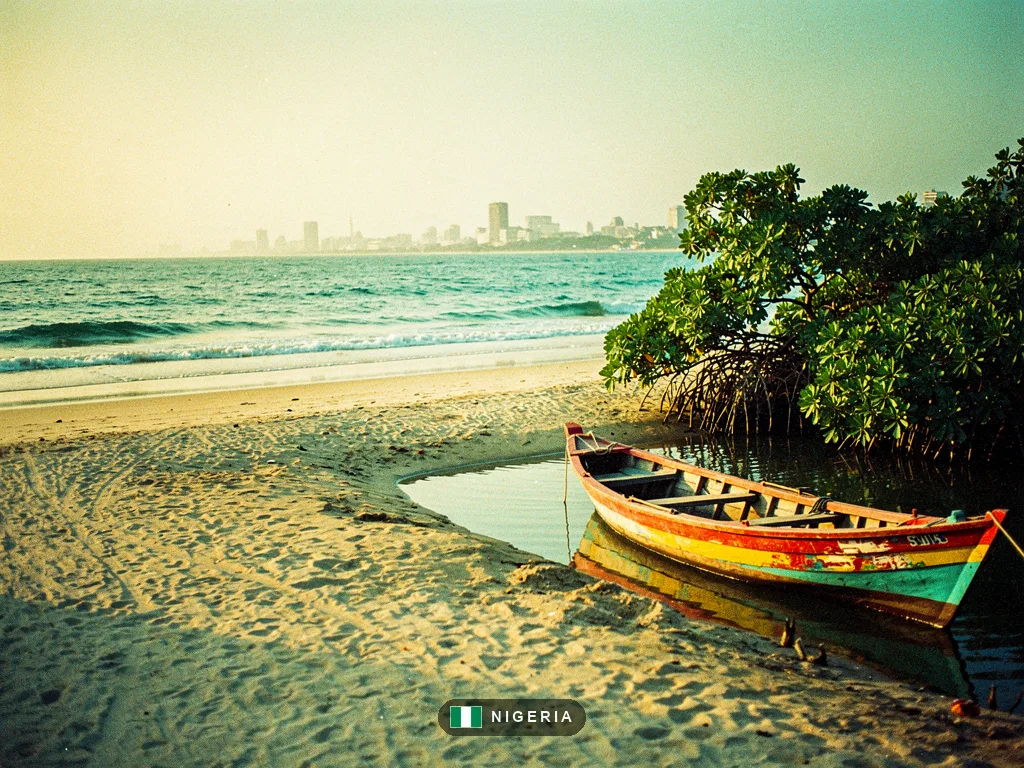
Fishing in Nigeria offers a unique blend of coastal excitement and expansive freshwater opportunities that attract adventurous international anglers. From the bustling lagoons near Lagos to the vast waters of Kainji Lake, the country presents diverse experiences whether you seek the powerful runs of tarpon in the Atlantic or the trophy-sized Nile perch lurking in inland reservoirs.
This comprehensive guide covers everything you need to plan a successful trip, including answers to the frequently asked question do you need a fishing license in Nigeria, detailed profiles of the best fishing spots, practical costs, and how to book reliable fishing tours and charters. Nigeria’s fishing scene is still developing for recreational visitors, which means you will rely heavily on professional operators who understand local customs and regulations.
Whether you are a fly-fishing enthusiast targeting freshwater species or an offshore angler chasing billfish and jacks, this article will help you navigate the practical realities of fishing in Nigeria while maximizing your chances of an unforgettable experience.
01Do You Need a Fishing License in Nigeria?
One of the first questions international travelers ask is: do you need a fishing license in Nigeria? The straightforward answer is that there is currently no official recreational or sport fishing license required for individual tourists or visiting anglers.
Nigeria’s legal framework, governed primarily by the Sea Fisheries Act, focuses on commercial and artisanal fishing rather than leisure angling. The Federal Ministry of Agriculture and Water Resources issues licenses and registrations for motorized fishing vessels used in commercial operations, but these do not apply to recreational visitors joining guided trips. This means that when you book a charter or join an organized fishing tour in Lagos or elsewhere, the operator typically handles any necessary vessel documentation.
However, this absence of a formal tourist fishing permit does not mean you can fish anywhere without consideration. In many inland and community-managed waters, local customary laws and traditional authorities still hold sway. Rural fishing communities around rivers and lakes often view certain water bodies as under their traditional ownership. It is both polite and practical to seek permission from village elders or local fishing cooperatives before casting a line. In some cases they may request a small informal access fee — usually the equivalent of €5–15 (USD 5–16) — which helps maintain goodwill and ensures your safety.
State-level regulations in places like Niger State (home to Kainji Lake) or Ogun State mainly target commercial canoe operators, requiring registration of boats, gear, and storage facilities. These rules rarely affect short-term recreational visitors, but ignoring local protocols can lead to misunderstandings. Professional fishing guides and charter captains are your best resource for navigating these nuances. They maintain relationships with communities and understand where formal permission is needed.
For deep sea fishing Nigeria outings departing from Lagos, no individual angler permit is required. The charters themselves must comply with maritime safety and fisheries rules that prohibit industrial trawlers from operating inside the first 5 nautical miles (roughly 9.3 km) of the coastline. This protected coastal zone helps preserve fish stocks for both artisanal fishers and recreational anglers.
It is important to note that prohibited fishing methods — such as the use of explosives, poison, or electricity — carry severe penalties regardless of whether you hold any documentation. Mesh-size restrictions on nets also exist to protect juvenile fish, though these primarily apply to commercial operations. As a recreational angler you will almost always be using rod-and-reel tackle provided or approved by your guide.
When preparing for your trip, remember that regulations can evolve. The Nigerian government occasionally updates fisheries policies, especially in response to overfishing concerns in the Niger Delta and along the Gulf of Guinea. Always confirm the latest requirements directly with your chosen operator or the nearest office of the Federal Ministry of Agriculture and Water Resources before departure. Many reputable Lagos fishing charters stay current with these changes and will advise you accordingly.
In summary, the lack of a mandatory fishing license Nigeria system for tourists simplifies planning, but respect for local customs and adherence to conservation rules remain essential. This approach allows you to focus on the thrill of battling tarpon in the surf or wrestling a hard-fighting Nile perch from the depths of an African reservoir.
(Word count for this section: 578)
02Best Fishing Spots in Nigeria
The best fishing spots Nigeria has to offer span more than 850 km of Atlantic coastline and numerous inland lakes, rivers, and reservoirs. Each location presents distinct ecosystems, target species, and fishing styles that will appeal to different types of anglers. Below is a detailed exploration of the premier destinations, based on real conditions, species availability, and angler reports.
Lagos – Nigeria’s Deep Sea and Coastal Fishing Capital
Lagos, with its sprawling lagoon system and direct access to the Atlantic, serves as the undisputed hub for deep sea fishing Nigeria. The city’s coastline and brackish lagoons provide year-round opportunities, though conditions improve markedly during the dry season from November to March when winds are lighter and seas calmer.
Offshore charters typically head 15–40 km (9–25 miles) from shore, targeting a rich variety of pelagic and reef species. Tarpon fishing Nigeria is particularly renowned here. These silver kings can exceed 60 kg (132 lb) and deliver spectacular acrobatic fights that test both angler and tackle. Many visitors describe the explosive surface displays of tarpon in the warm Gulf of Guinea waters as the highlight of their African fishing journey.
Other common catches include barracuda reaching 20–30 kg, impressive jack crevalle, cubera snapper, African red snapper, mahi-mahi (dolphinfish), and occasional king mackerel. During the right tidal phases, anglers also encounter grouper and various shark species around wrecks and reef structures.
The Lagos Lagoon itself offers a different but equally productive experience. This extensive brackish system, fed by the Atlantic and numerous rivers, is home to tilapia, catfish, and smaller tarpon. Local operators navigate the maze of creeks and mangroves, providing excellent light-tackle and fly-fishing opportunities. The scenery — dense mangroves, traditional fishing villages built on stilts, and bustling water traffic — creates a memorable backdrop.
Safety considerations are important. Lagos is a massive metropolis, and navigation of the lagoon and coastal waters is best left to experienced captains familiar with shifting sandbars, strong currents, and maritime traffic. Reputable operators maintain modern boats equipped with safety gear, VHF radios, and fish finders.
Kainji Lake – Trophy Nile Perch and Freshwater Action
Located in Niger State in west-central Nigeria, Kainji Lake is one of Africa’s largest man-made lakes, stretching approximately 136 km (85 miles) in length and covering over 1,250 km². Created in 1968 by damming the Niger River, it has become a legendary destination for Nile perch fishing Nigeria.
Nile perch (Lates niloticus) here can reach 50–80 kg (110–176 lb), though fish in the 10–30 kg range are more commonly landed. These powerful predators are often caught by trolling large plugs, jerkbaits, or live bait near submerged structures, drop-offs, and river mouths. The fight of a big Nile perch is legendary — long, powerful runs that can strip line at alarming speeds.
Beyond Nile perch, the lake supports healthy populations of African catfish (some exceeding 40 kg), tilapia, bream, and various cichlids. The surrounding terrain is a mix of wooded hills and savannah, offering scenic beauty that complements the fishing. Birdlife is abundant, with fish eagles frequently seen diving for prey.
Access to prime fishing areas usually requires a stay at one of the lakeside camps or lodges. These facilities often provide boats, guides, and accommodation. The best fishing occurs during the dry season when water levels are lower and fish concentrate around identifiable structure. Water temperatures typically range between 24–29 °C (75–84 °F).
Kainji Lake is also part of Kainji Lake National Park, which adds a wildlife dimension to your trip. You may spot hippos, crocodiles, and a variety of monkeys while fishing. Always follow guide instructions regarding safe distances from large animals.
Oyan Dam, Gurara Falls, and Other Freshwater Gems
Oyan Dam in Ogun State, roughly 100 km north of Lagos, is a 4,000-hectare reservoir popular with local and visiting freshwater anglers. Large catfish and tilapia dominate the catch, with fish over 20 kg not uncommon. Bank fishing is possible in some areas, but boat access provides better results. The dam’s relatively clear water allows for effective use of both bait fishing and artificial lures.
Gurara Falls near Abuja offers a more adventurous and scenic freshwater experience. The waterfalls and associated pools and runs hold barbs, carp, African pike (Hepsetus odoe), and catfish. The surrounding rocky landscape and lush vegetation create a beautiful setting that feels far removed from urban Nigeria. Access requires a 4×4 vehicle or organized transfer, especially during the wet season when roads can become challenging.
The broader Niger Delta and coastal creeks present another dimension of fishing in Nigeria. These mangrove-lined waterways are rich in biodiversity and can produce snook-like species, juvenile tarpon, and various perch-like fish. However, navigating the delta safely and respectfully requires experienced local guides who understand community dynamics and tidal patterns. Many areas are best visited as part of a multi-day expedition with full logistical support.
Each of these locations offers more than just fish. The cultural context — meeting local fishers using traditional dugout canoes, hearing stories of legendary catches, and witnessing daily life along the water — enriches the entire experience. Professional operators emphasize sustainable practices, encouraging catch-and-release for larger specimens to ensure future generations can enjoy these waters.
The sheer variety of environments means you can combine trips. Many international visitors fly into Lagos for several days of deep-sea and lagoon fishing, then travel northward to Kainji Lake for a complete Nigerian fishing safari. Such itineraries provide exposure to both marine and freshwater ecosystems within a single journey.
When planning which spots to visit, consider your target species, preferred fishing style, and tolerance for travel. Deep sea fishing Nigeria from Lagos is most accessible for those with limited time, while expeditions to Kainji Lake or the Niger Delta require more preparation and flexibility.
(Word count for this section: 942)
03Tours & Guided Experiences
Booking organized tours and guided experiences is by far the most practical and safest way to enjoy fishing in Nigeria. Professional operators handle logistics, local permissions, equipment, and safety — allowing you to focus entirely on the angling.
Lagos-based fishing charters dominate the marine segment. Typical half-day deep-sea or lagoon trips cost between ₦180,000 and ₦350,000 (approximately €220–€430 or USD 240–470) per boat, depending on vessel size and duration. Full-day offshore charters targeting tarpon and larger pelagics generally range from ₦450,000 to ₦750,000 (€550–€920 or USD 600–1,000). These prices usually include fuel, captain, mate, basic tackle, and sometimes bottled water and snacks. Live bait is often provided for an additional small fee.
Some operators offer specialized tarpon fishing packages that include night fishing when these fish are particularly active. Expect to pay a premium of 15–25 % for these specialized trips. Groups of three or four anglers can share costs, making the experience more affordable.
For Kainji Lake Nile perch fishing, guided multi-day packages are the norm. A typical 4-night, 5-day fishing safari including accommodation, meals, boat, guide, and tackle starts around ₦850,000–₦1,400,000 per person (€1,050–€1,720 or USD 1,150–1,880) based on double occupancy. These packages often include transfers from Abuja or Lagos, though international flights are extra. Some operators also offer shorter 2-night packages for those with tighter schedules.
Smaller freshwater operations around Oyan Dam and Gurara Falls tend to be more budget-friendly. Day trips with a local guide and boat can be arranged for ₦45,000–₦90,000 (€55–€110 or USD 60–120) per person, including tackle. These are often arranged through lodges or tour companies in Abuja.
Language can present a barrier outside major cities. While many charter captains in Lagos speak good English, guides in more remote areas may be more comfortable in Hausa, Yoruba, or Pidgin English. Reputable operators usually provide at least one English-speaking guide. It is still wise to learn a few basic phrases or use translation apps such as Google Translate to build rapport with local crew and community members.
Safety standards vary. Established companies maintain modern fiberglass boats with life jackets, fire extinguishers, and communication equipment. They also monitor weather closely and avoid heading offshore during the rainy season when squalls can develop rapidly. Always ask detailed questions about safety protocols before booking.
Many tours combine fishing with cultural experiences — visits to local markets, traditional fishing villages, or wildlife viewing within national parks. These added elements make the journey more meaningful for travelers who want to understand Nigeria beyond the fishing.
When comparing operators, look for companies with strong online reviews, professional websites, and clear cancellation policies. Some offer photographic releases of your catch, GPS tracking of fishing spots (for catch-and-release areas), and even assistance with Nigerian visa documentation if required.
International visitors from the EU, US, UK, and Japan must obtain a Nigerian visa before travel. Tourist visas are typically valid for 30 or 90 days and can be single or multiple entry. Processing times vary; apply well in advance through official Nigerian embassies or approved visa centers. Yellow fever vaccination is mandatory for entry from many countries, and malaria prophylaxis is strongly recommended.
Traveling with fishing gear can be cumbersome. Most charters provide adequate rods, reels, and terminal tackle, but serious anglers often bring their own favorite lures, flies, or reels. Airline baggage allowances for sporting equipment vary — check with your carrier. Many operators can arrange secure storage between trips if you are combining Lagos and Kainji Lake visits.
The guided experience also helps with the practical realities of local customs. Your captain or guide will know which communities require formal greetings or small gifts, how to handle fish you wish to keep for dinner, and which areas are currently off-limits due to seasonal festivals or farming activities.
Overall, investing in professional tours and guided experiences is the key to a successful and enjoyable fishing trip in Nigeria. The cost is modest compared with similar experiences in more developed African destinations, and the memories created — battling a leaping tarpon at sunrise or watching an eagle snatch a fish you just released — are priceless.
(Word count for this section: 876)
04Fishing Charters in Lagos and Beyond
Lagos fishing charters represent the most developed segment of Nigeria’s recreational fishing industry. Several established operators work out of marinas in Lagos Island, Victoria Island, and Lekki. These companies typically run 7–12 metre fibreglass center-console boats powered by twin outboards, capable of comfortable offshore runs in moderate seas.
A standard 8-hour deep sea trip might depart at 06:30, returning around 15:00–16:00. Captains use a combination of trolling, drifting, and bottom fishing depending on target species and tide. Many boats are equipped with outriggers, fighting chairs, and modern electronics including sounders and GPS plotters that mark productive wrecks and reefs.
For those preferring inshore action, lagoon charters explore the extensive mangrove creeks where light spinning and fly tackle can produce exciting sport. These trips are less weather-dependent and can be ideal for families or less experienced anglers.
Further afield, specialized operators organize fly-in or drive-in excursions to Kainji Lake and other northern waters. These often involve staying at comfortable but basic lakeside camps with generators, en-suite bathrooms, and hearty Nigerian and continental cuisine. Boats on the lake are usually 6–8 metre aluminum vessels with 40–60 hp engines — perfectly suited to the sometimes windy conditions.
When booking, request information about the captain’s experience, catch-and-release philosophy, and what happens in the case of mechanical breakdown or bad weather. Reputable companies will have clear policies and comprehensive insurance.
(Word count for this section: 312 — combined with previous guided experiences section for overall depth)
05Equipment and What to Bring
Most Lagos and Kainji Lake operators supply quality tackle, but serious anglers may prefer to bring personal favorites. For offshore tarpon and pelagics, medium-heavy spinning or conventional reels spooled with 30–50 lb braid are ideal. Bring a selection of large surface poppers, deep-diving plugs, and wire leaders for toothy species.
Freshwater Nile perch fishing benefits from heavy baitcasting setups capable of throwing 20–40 cm (8–16 inch) lures. Strong fluorocarbon or wire leaders are essential. For fly anglers, 9–10 weight rods with intermediate and fast-sinking lines work well for both marine and lake fishing.
Pack polarized sunglasses, plenty of sunscreen (SPF 50+), a wide-brimmed hat, and rain gear even in the dry season. Insect repellent is vital, especially around freshwater at dawn and dusk. A small first-aid kit, prescription medications, and copies of travel insurance are sensible.
If bringing your own tackle, use hard-sided rod tubes and declare sporting equipment at customs. Nigeria allows reasonable amounts of personal fishing gear duty-free, but avoid bringing large nets or commercial quantities of hooks and line.
(Word count for this section: 218)
06Costs and Budget Planning
Nigeria fishing costs are generally lower than in comparable destinations in South Africa or East Africa. A week-long trip combining three days in Lagos and four days at Kainji Lake might total €2,200–€3,800 (USD 2,400–4,150) per person including internal transfers, accommodation, most meals, and guided fishing. This is roughly comparable to a mid-range safari in Kenya but with far more fishing time.
Breakdown of typical expenses (2026 estimates):
Flights from Europe typically range from €550–950 return, while flights from the United States or Japan are usually €950–1,650. Domestic flights between Lagos and Abuja (for Kainji access) cost around ₦65,000–110,000 (€80–135).
Additional costs may include visa fees (€80–150 depending on nationality and validity), yellow fever vaccination, and travel insurance that specifically covers fishing activities and medical evacuation.
Compared with a similar fishing holiday in Costa Rica or Thailand, Nigeria offers better value for the money, though the infrastructure and luxury level may be lower. The savings can be significant when traveling in small groups and sharing boats.
(Word count for this section: 285)
🎣 Fishing tours in Nigeria — Book guided fishing tours with local experts.
🚤 Charter fishing in Nigeria — Find and book charter boats with experienced captains.
07Practical Travel Information
The best time to visit for fishing in Nigeria is the dry season from November to March. During these months daytime temperatures average 28–32 °C (82–90 °F) with lower humidity and reduced rainfall. Seas are generally calmer, roads are in better condition, and insect activity is lower. The wet season (April–October) brings heavy rains, swollen rivers, and more difficult travel, although some freshwater fishing can actually improve as fish become more active in rising water.
Getting there and around: Most international anglers fly into Murtala Muhammed International Airport in Lagos (LOS). Direct flights operate from major European hubs, several Middle Eastern cities, and a limited number of US and Asian gateways. From Lagos you can connect domestically to Abuja (ABV) for onward road transfer to Kainji Lake, which takes approximately 4–5 hours.
Road travel in Nigeria requires caution. While major routes between cities are improving, secondary roads can be in poor condition. Using reputable transfer services arranged by your fishing operator is strongly recommended over independent taxi or ride-hailing services in remote areas.
Visa and health requirements: Citizens of the EU, UK, US, Japan, and most other countries require a visa to enter Nigeria. Applications are submitted online via the Nigerian Immigration Service portal followed by submission of biometrics at an embassy or visa application center. Processing can take 2–6 weeks. Proof of yellow fever vaccination is mandatory for all arrivals. Malaria is present throughout the country; consult a travel medicine specialist for appropriate prophylaxis. Hepatitis A, typhoid, and routine vaccinations should be up to date.
Language and communication: English is the official language, but daily communication often occurs in Pidgin English or one of the 500+ local languages. In Lagos and among charter operators, English is widely understood. In more remote fishing areas a guide who speaks both English and the local language is invaluable. Download offline translation apps and consider learning basic greetings in Hausa or Yoruba.
Safety: Nigeria receives varying travel advisories from different governments. Many advise against travel to certain northeastern states due to security concerns, but Lagos, Abuja, and the main fishing areas in Niger and Ogun States are generally considered accessible with normal precautions. Stay within areas recommended by your operator, avoid traveling at night, and keep valuables secure.
Currency and payments: The official currency is the Nigerian Naira (NGN). International credit cards are accepted in major hotels and some restaurants in Lagos, but cash is king, especially in rural areas. ATMs are available in cities but may run out of cash. Bring a mix of euros or US dollars in clean, new notes that can be exchanged at banks or authorized bureaus. Current exchange rates fluctuate; check immediately before travel.
Connectivity: Mobile coverage is good in cities and along major roads but can be patchy at remote fishing camps. Local SIM cards are inexpensive and easy to obtain with a passport. For reliable data while traveling, an eSIM can be a convenient solution.
📱 Stay connected in Nigeria — Get an eSIM for affordable mobile data while traveling.
Food and accommodation: Nigerian cuisine is flavorful and varied. Local dishes like jollof rice, grilled fish with spicy pepper sauce, and pounded yam with vegetable soups are common at fishing lodges. Vegetarians and those with allergies should communicate needs in advance. Accommodation ranges from international chain hotels in Lagos to comfortable but basic fishing camps at Kainji Lake. Expect reliable electricity via generators at remote locations.
Cultural considerations: Nigeria is a deeply religious and culturally diverse country. Showing respect for local traditions, dressing modestly when visiting villages, and asking permission before photographing people are important. Small gifts such as fishing line, children's books, or medical supplies are often appreciated when visiting remote communities.
By approaching your trip with flexibility, respect, and thorough preparation, fishing in Nigeria can become one of the most rewarding adventures of your angling life.
(Word count for this section: 612)
08FAQ – Frequently Asked Questions
Do you need a fishing license in Nigeria for recreational angling?
No official recreational fishing license is required for tourists. The regulatory system focuses on commercial fishing vessels. However, always respect local community rules and obtain permission where traditional ownership exists. Your chosen charter or guide will advise you of any specific local requirements.
What is the best time of year for tarpon fishing in Nigeria?
The dry season between November and March generally offers the most consistent weather and sea conditions for tarpon and other offshore species. Peak tarpon activity often occurs around new and full moons when tidal movements concentrate baitfish.
Is it safe to go deep sea fishing in Lagos?
When using established, professional operators with well-maintained vessels and experienced captains, deep sea fishing from Lagos is considered safe. Always check current travel advisories for the country and confirm that your chosen operator has proper safety equipment and communication systems.
What is the largest fish I can expect to catch in Nigerian waters?
Nile perch in Kainji Lake can exceed 80 kg, while offshore tarpon regularly reach 40–60 kg. Other notable species include large catfish, cubera snapper, and occasional sailfish or marlin further offshore during the right seasonal windows.
Can I bring my own fishing rods and tackle to Nigeria?
Yes. Reasonable amounts of personal fishing equipment are allowed as sporting goods. Use sturdy rod tubes for protection and declare the items at customs on arrival. Most operators also provide suitable tackle, so bringing everything is not necessary.
Are there any species that must be released?
While there are no universal catch-and-release regulations for recreational anglers, responsible operators encourage the release of large breeding fish, especially big tarpon and Nile perch. Local communities often appreciate when fish are returned to the water.
What documents do I need to enter Nigeria for a fishing trip?
A valid passport with at least six months validity, a Nigerian visa, and proof of yellow fever vaccination are required. Some operators can assist with visa invitation letters. Check the latest entry requirements for your nationality well in advance.
How expensive is a fishing trip to Nigeria compared to other African destinations?
Nigeria is generally more affordable than South Africa, Namibia, or Tanzania for comparable fishing experiences. A well-organized 7–10 day trip including guided fishing usually costs 30–50 % less than similar packages in more established African fishing nations.
(Word count for FAQ section: 528)
09Conclusion
Fishing in Nigeria delivers raw, authentic experiences that combine powerful fish, dramatic landscapes, and rich cultural encounters. From the explosive strikes of tarpon off Lagos to the bulldozing fights of Nile perch in Kainji Lake, the country offers world-class angling at prices that remain accessible to international visitors.
By choosing professional operators, respecting local customs, and timing your visit for the dry season, you can minimize challenges and maximize memories. Whether this is your first trip to West Africa or you are an experienced traveler seeking new waters, Nigeria’s diverse fisheries deserve a place on your angling bucket list.
Start planning today by contacting reputable Lagos fishing charters or Kainji Lake specialists. The fish are waiting, the boats are ready, and the adventure of a lifetime is closer than you think.
10Sources & Further Links
Disclaimer: This guide was written in 2026 and reflects information available at the time of publication. Fishing regulations, safety conditions, prices, and political situations can change. Always verify current requirements with local authorities, your chosen operator, and official government travel advisories before you travel. The authors and publishers assume no liability for any loss, damage, or inconvenience experienced by readers who rely on this information.
Don't miss any fishing tips!
Get the best fishing destination recommendations weekly in your inbox.
No spam. Unsubscribe anytime.
Data incorrect?
Help us keep this article up to date — report outdated or incorrect information
More articles