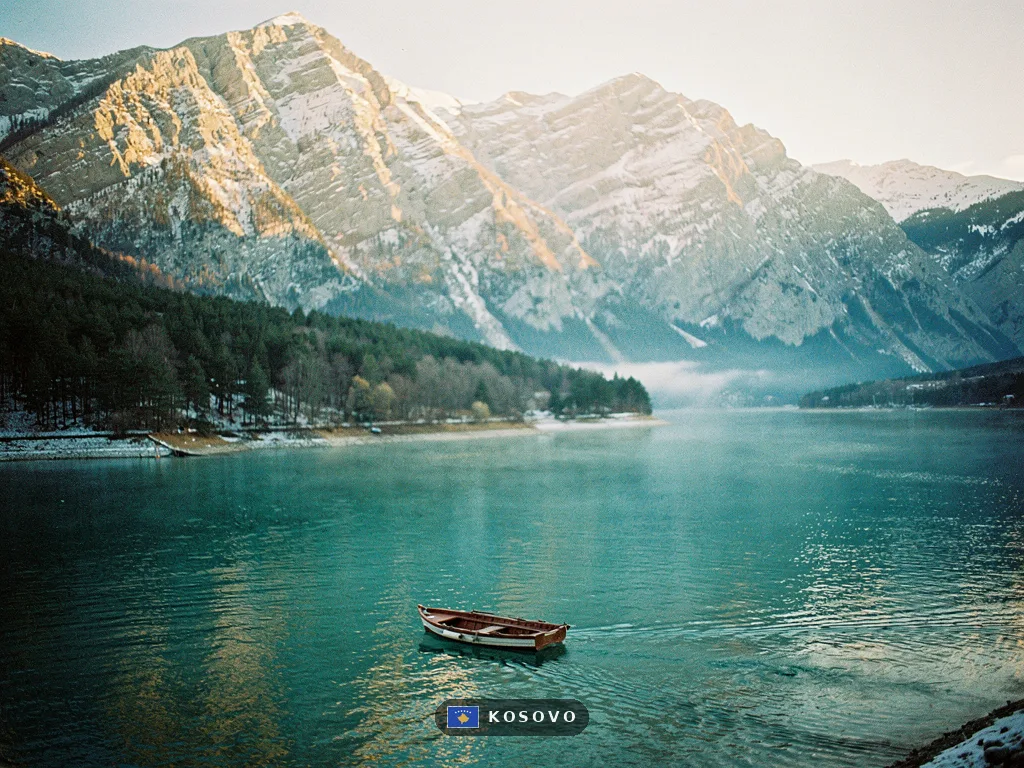
Kosovo, the landlocked Balkan nation nestled between Serbia, Montenegro, Albania, and North Macedonia, offers a surprising and often overlooked destination for anglers seeking authentic fishing experiences in Eastern Europe. Despite its relatively small size and complex geopolitical status, Kosovo boasts a growing fishing culture, pristine mountain lakes, and rivers teeming with indigenous fish species that attract both local and international fishing enthusiasts. Whether you're targeting trophy carp in glacial lakes, chasing rainbow trout in rushing mountain streams, or battling catfish in the deep reservoirs of the western regions, Kosovo presents a unique fishing adventure that remains largely undiscovered by the global angling community.
This comprehensive guide provides everything international anglers need to know about fishing in Kosovo, from permit requirements and licensing procedures to the best fishing spots, target species, practical travel information, and costs. Whether you're planning a dedicated fishing trip or incorporating angling into a broader Balkans adventure, this article will equip you with the knowledge to make the most of your Kosovo fishing experience.
01Understanding Kosovo's Fishing Legal Framework
Do You Need a Fishing License in Kosovo?
Yes, fishing in Kosovo requires a valid fishing license or permit. The country operates under Law No. 02/L-85 on Fisheries and Aquaculture, which regulates all fishing activities within Kosovo's waters. Additionally, Law No. 04/L-202 on the Permit and License System establishes the administrative framework for issuing fishing licenses to both residents and visitors.
The Kosovo government, through its Ministry of Agriculture, Forestry, and Rural Development, manages the fishing license system. Licenses are required for both recreational and commercial fishing, though the requirements and fees differ based on the type of fishing activity, the fisher's residency status, and the specific water body being fished.
Important Update: Carp fishing in Kosovo has been temporarily suspended due to conservation concerns and overexploitation of carp populations. Anglers planning trips targeting carp should check current regulations before traveling, as this suspension may affect your fishing plans.
Types of Fishing Licenses in Kosovo
Kosovo offers several categories of fishing licenses designed to accommodate different types of anglers and fishing activities:
Recreational Fishing License: This license is required for casual anglers fishing for personal enjoyment. Recreational licenses are available for daily, weekly, monthly, or annual durations. The license must be carried at all times while fishing and presented to authorities upon request.
Tourist Fishing License: Specifically designed for visitors to Kosovo, this license allows non-residents to fish in designated waters. Tourist licenses are typically available for short periods (daily or weekly) and may have specific conditions attached to them.
Professional Fishing License: Required for individuals engaged in commercial fishing activities, including fish selling and large-scale harvesting. Professional licenses involve a more rigorous application process and higher fees.
Special Permits: Certain fishing activities, such as night fishing, fishing from boats, or fishing in protected areas, may require additional special permits beyond the standard fishing license.
How to Obtain a Fishing License in Kosovo
International anglers can obtain fishing licenses through several channels:
1. Municipal Offices: Fishing licenses can be purchased at municipal offices throughout Kosovo, particularly in areas near major fishing destinations. The staff at these offices typically speak Albanian and Serbian, and may have limited English proficiency.
2. Online Application: Kosovo has been developing digital government services, and some fishing permits may be available through online portals. However, the system is not as developed as in Western European countries, and in-person applications remain common.
3. Through Licensed Tour Operators: Many licensed fishing tour operators in Kosovo can assist international anglers with obtaining the necessary permits. This is often the most convenient option for visitors unfamiliar with the local administrative processes.
4. At Designated Fishing Areas: Some popular fishing spots have license vendors or local agents authorized to issue permits to anglers.
Tip: For international anglers, we strongly recommend arranging your fishing license through a licensed tour operator or guide who can navigate the sometimes complex administrative process and ensure all documentation is correct. This is particularly important given the language barrier and the evolving nature of Kosovo's regulatory framework.
License Costs and Fees
Fishing license fees in Kosovo are relatively affordable compared to Western European destinations, making it an attractive option for budget-conscious anglers. While exact prices can vary and may be updated, here's a general breakdown of what to expect:
| License Type | Duration | Approximate Cost (EUR) | Approximate Cost (USD) |
|--------------|----------|------------------------|------------------------|
| Recreational - Daily | 1 day | €5-10 | $5-11 |
| Recreational - Weekly | 7 days | €15-25 | $16-27 |
| Recreational - Monthly | 30 days | €30-50 | $32-54 |
| Recreational - Annual | 365 days | €50-100 | $54-108 |
| Tourist - Daily | 1 day | €10-15 | $11-16 |
| Tourist - Weekly | 7 days | €25-40 | $27-43 |
These prices are approximate and subject to change. Additional fees may apply for special permits, boat fishing, or fishing in protected areas. Some municipalities may also charge local fees on top of the national license.
Key Regulations and Restrictions
Anglers fishing in Kosovo must adhere to several important regulations:
Compliance Note: Penalties for fishing without a valid license or violating fishing regulations can include significant fines and confiscation of fishing equipment. Always ensure you have the proper documentation and understand local rules before fishing.
02Best Fishing Spots in Kosovo
Kosovo may be small in size, but it offers a remarkable diversity of fishing environments, from high-altitude glacial lakes to meandering lowland rivers. The country's varied topography, ranging from the mountainous western regions to the fertile plains of the east, creates numerous habitats supporting different fish species. Here are the premier fishing destinations in Kosovo:
Lake Gazivoda (Liqeni i Gazivodës)
Location: Northwestern Kosovo, near the town of Zubin Potok
Lake Gazivoda stands as Kosovo's largest and most prominent fishing destination. This expansive reservoir, created in the 1970s by damming the River Drini i Bardhë (White Drin), covers approximately 13.9 square kilometers and reaches depths of up to 105 meters in some areas. The lake's crystal-clear waters, surrounded by forested hills and mountain peaks, create a stunning backdrop for fishing activities.
Fish Species: Lake Gazivoda supports a diverse fish community, making it a premier destination for multiple fishing techniques:
Fishing Experience: Fishing on Lake Gazivoda offers a wilderness experience relatively untouched by mass tourism. The lake has several access points, including concrete ramps for boat launching and natural shoreline fishing positions. Bank fishing is popular, though boat fishing provides access to the deeper waters where larger fish tend to congregate. The surrounding area offers basic facilities, including small cafes and tackle shops in nearby villages.
Best Techniques: Bottom fishing with carp or catfish rigs, trolling for pike and catfish, fly fishing for perch and pike in shallow areas, and float fishing for perch and smaller species.
Lake Radoniq (Liqeni i Radoniqit)
Location: Southwestern Kosovo, near the town of Klina
Lake Radoniq is Kosovo's second-largest reservoir, created in the early 1960s by damming the River Klina. The lake covers approximately 5.2 square kilometers and features a more irregular shape than Lake Gazivoda, with numerous coves, points, and islands that create excellent fishing structure.
Fish Species: Lake Radoniq supports healthy populations of:
Fishing Experience: Lake Radoniq is more accessible than Lake Gazivoda from major population centers, making it a popular destination for local anglers. The lake has better-developed shoreline access and several designated fishing areas. The surrounding agricultural landscape provides a different aesthetic from the mountainous setting of Lake Gazivoda.
Best Techniques: Boat fishing is highly productive on this lake due to its irregular shape and numerous underwater features. Trolling, bottom fishing, and lure fishing all produce results.
Lake Badovc (Liqeni i Badovcit)
Location: Near Pristina, southeastern Kosovo
Lake Badovc is a reservoir located just outside Kosovo's capital city, Pristina. Despite its proximity to the urban center, the lake offers surprisingly good fishing and convenient access for anglers staying in the capital.
Fish Species:
Fishing Experience: Lake Badovc is popular among local anglers and offers a convenient fishing option for visitors staying in Pristina. The lake has good shoreline access and basic facilities. While it may not offer the wilderness experience of the larger reservoirs, it provides reliable fishing close to amenities.
Best Techniques: Float fishing, ledgering for carp and tench, and lure fishing for perch and pike.
White Drin River (Drini i Bardhë)
Location: Flows through western Kosovo from the Albanian border to the Serbian border
The White Drin River is Kosovo's longest river, originating in the mountains of eastern Albania and flowing through Kosovo before joining the Drin River in Albania. The river offers diverse fishing opportunities along its approximately 122-kilometer stretch within Kosovo.
Fish Species:
Fishing Experience: The White Drin River offers a classic European river fishing experience, with varying water widths, depths, and flows throughout its course. The upper sections, near the Albanian border, provide scenic mountain fishing for trout and grayling, while lower sections offer more varied coarse fishing. The river passes through several towns, providing multiple access points.
Best Techniques: Fly fishing for trout and grayling in upper sections, spinning for pike and trout in faster runs, and ledgering and float fishing for coarse fish in slower pools.
Pećka Bistrica River (Lumi i Pejës)
Location: Flows through Peć/Peja region in western Kosovo
The Pećka Bistrica is one of Kosovo's most important trout rivers, originating from mountain springs near Peć/Peja and flowing through the picturesque Rugova Valley before joining the White Drin.
Fish Species:
Fishing Experience: The Pećka Bistrica offers some of the best fly fishing in Kosovo, particularly in the scenic Rugova Valley. The river's clear water and good insect life make it ideal for dry fly and nymph fishing. The surrounding mountainous landscape adds to the fishing experience.
Best Techniques: Fly fishing with dry flies, wet flies, and nymphs. Small spinners and lures are also effective for beginners.
Other Notable Fishing Waters
Beyond the major lakes and rivers, Kosovo offers numerous smaller fishing opportunities:
03Fish Species in Kosovo
Kosovo's waters host a variety of fish species, ranging from popular game fish to coarse species. Understanding the target species will help you prepare the right equipment and techniques for your fishing trip.
Carp (Cyprinus carpio)
Carp are among the most sought-after fish in Kosovo, found in all major reservoirs and many rivers. The country's lakes hold impressive specimens, with common carp, mirror carp, and grass carp all present.
Typical Sizes: Carp in Kosovo commonly reach 5-15 kg (11-33 lbs), with occasional trophy fish exceeding 20 kg (44 lbs) or more in the larger reservoirs.
Fishing Techniques: Traditional carp fishing with boilies, sweet corn, and particle baits; ledgering and PVA bag techniques; float fishing for smaller fish.
Best Baits: Sweet corn, boilies (sweet and fruit flavors), bread, potatoes, and particle baits like hemp and tiger nuts.
Important: Carp fishing in Kosovo has been temporarily suspended due to conservation concerns. Check current regulations before planning a carp-specific trip.
European Catfish (Silurus glanis)
The European catfish is Kosovo's premier predator fish, reaching impressive sizes in the country's larger reservoirs. Lake Gazivoda is particularly famous for its large catfish, which can exceed 100 kg (220 lbs) in weight.
Typical Sizes: Catfish from 10-50 kg (22-110 lbs) are commonly caught, with the possibility of much larger specimens in deep water.
Fishing Techniques: Ledgering with heavy sinkers and strong tackle; catfishing with live or dead baits (fish, eels, or large deadbaits); stalking and floater fishing for smaller fish in shallow areas.
Best Baits: Large fish baits (live or dead), eels, and special catfish baits. Boat fishing is often required to reach the deep haunts of the largest catfish.
Northern Pike (Esox lucius)
Pike are widespread throughout Kosovo's waters, found in lakes, reservoirs, and slower river sections. They are popular game fish known for their aggressive strikes and fighting ability.
Typical Sizes: Pike typically range from 2-8 kg (4-18 lbs), with larger specimens possible in the bigger reservoirs.
Fishing Techniques: Casting with lures and plugs; trolling behind boats; fly fishing with large streamers and poppers; livebaiting with small fish.
Best Lures: Spinnerbaits, spoons, plugs, soft plastics, and large flies. In murky water, bright colors and vibration-inducing lures work well.
Brown Trout (Salmo trutta)
Wild brown trout inhabit Kosovo's clean mountain rivers and streams, particularly in the western regions. These fish provide excellent fly fishing opportunities in scenic mountain settings.
Typical Sizes: Wild brown trout typically range from 0.2-1.5 kg (0.4-3.3 lbs), with occasional larger specimens in optimal habitats.
Fishing Techniques: Fly fishing with dry flies, wet flies, and nymphs; light spinning with small spinners and lures; ultra-light tackle for smaller streams.
Best Flies: Mayfly emergers, caddis pupae, stonefly nymphs, and various wet fly patterns. In summer, ant and beetle patterns work well near the surface.
Rainbow Trout (Salmo irideus)
Rainbow trout are found in both rivers and lakes, with stocked populations providing consistent fishing opportunities in several locations.
Typical Sizes: Typically 0.3-2 kg (0.7-4.4 lbs), with larger specimens possible in lakes.
Fishing Techniques: Similar to brown trout, with fly fishing being particularly effective; spinning with small lures; trolling in lakes.
Best Flies and Lures: Similar patterns to brown trout; small spinners and spoons are also highly effective.
Grayling (Thymallus thymallus)
The Danube grayling is present in several of Kosovo's clean mountain rivers, offering a unique and rewarding fly fishing target.
Typical Sizes: Typically 0.3-1 kg (0.7-2.2 lbs), with occasional larger specimens.
Fishing Techniques: Fine tackle fly fishing is essential for this delicate species; dry fly fishing is particularly effective, especially during hatches.
Best Flies: Small mayfly patterns, sedges, and specialized grayling flies. Light tippets are essential for success.
Perch (Perca fluviatilis)
Yellow perch are abundant in Kosovo's reservoirs and larger lakes, providing excellent sport fishing for anglers of all skill levels.
Typical Sizes: Typically 0.2-0.8 kg (0.4-1.8 lbs), with larger fish possible in optimal conditions.
Fishing Techniques: Float fishing with small livebaits; lure fishing with small spinners, jigs, and soft plastics; fly fishing with small streamers.
Best Baits and Lures: Small livebaits (minnows, small fish), worms, and various small lures. Perch are aggressive feeders and will attack a variety of offerings.
Tench (Tinca tinca)
Tench are popular coarse fish found in lakes and slower river sections, known for their golden-green coloration and challenging fight.
Typical Sizes: Typically 0.5-2 kg (1-4.4 lbs), with larger specimens possible in well-stocked waters.
Fishing Techniques: Float fishing and ledgering with light tackle; fishing over silt bottoms near vegetation.
Best Baits: Sweet corn, worms, and special tench baits. Early morning and evening fishing often produces the best results.
Bream (Abramis brama)
Bream are common in Kosovo's lakes and slower rivers, forming large shoals in deeper water.
Typical Sizes: Typically 1-3 kg (2.2-6.6 lbs), with occasional larger specimens.
Fishing Techniques: Ledgering and float fishing at appropriate depths; targeting deep channels and lake edges.
Best Baits: Sweet corn, bread, worms, and particle baits. Bream fishing often requires patient, slow Retrieves.
04The Fishing Experience in Kosovo
Fishing in Kosovo offers a genuinely unique experience that combines authentic Balkan hospitality with relatively uncrowded waters and diverse fishing opportunities. For international anglers, the country presents both rewards and challenges that contribute to an memorable adventure.
The Atmosphere and Environment
Fishing in Kosovo is characterized by a sense of discovery and adventure. Unlike more developed fishing destinations in Western Europe, Kosovo's waters have remained relatively untouched by mass tourism, preserving a wilderness feel even at easily accessible locations. The lack of heavy fishing pressure has allowed fish populations to thrive in many areas, and anglers often report feeling like pioneers in discovering new fishing territory.
The country's dramatic scenery enhances the fishing experience. From the mirror-cal waters of Lake Gazivoda set against forested mountains to the rushing currents of mountain streams in the Šar Mountains, Kosovo offers visual rewards alongside the fishing itself. The blend of Mediterranean-influenced lowlands and Alpine-style mountain regions creates diverse landscapes that make every fishing excursion feel different.
Local fishing culture in Kosovo is warm and welcoming. Local anglers are generally friendly and helpful to foreign visitors, often happy to share local knowledge about fishing spots and techniques. However, language barriers can be a challenge, as English proficiency is not widespread, particularly in rural areas. Learning a few basic phrases in Albanian or Serbian can significantly enhance interactions with local anglers.
Challenges for International Anglers
While Kosovo offers excellent fishing opportunities, international visitors should be prepared for certain challenges:
Infrastructure: Fishing infrastructure is less developed than in Western Europe. Tackle shops with comprehensive supplies may be limited outside major cities. Many fishing areas have limited facilities, so anglers should be self-sufficient and carry adequate equipment and supplies.
Language Barriers: Albanian and Serbian are the official languages of Kosovo, with English proficiency varying. In Pristina and larger towns, younger people often speak English, but in rural fishing areas, communication may be difficult. Having a translation app or phrasebook can be invaluable.
Regulatory Complexity: The permit system can be confusing for first-time visitors, with different rules potentially applying to different water bodies. Additionally, the temporary suspension on carp fishing demonstrates that regulations can change, requiring anglers to stay informed about current rules.
Limited Tourist Services: Specialized fishing guides and charter services are less developed than in more established fishing tourism destinations. Visitors may need to do more independent planning or work harder to find qualified guides.
Rewards of Fishing in Kosovo
Despite the challenges, fishing in Kosovo offers substantial rewards:
Uncrowded Waters: Perhaps the biggest draw for experienced anglers is the relative lack of pressure on fish populations. You may have an entire lake or river section to yourself, a luxury increasingly rare in European fishing destinations.
Large Fish Potential: The combination of relatively low fishing pressure and good habitat quality means Kosovo's waters hold the potential for genuine trophy fish, particularly carp and catfish in the larger reservoirs.
Authentic Experiences: Without the commercial tourism infrastructure found in more popular destinations, fishing in Kosovo offers a more authentic, grassroots experience. Interactions with local communities provide cultural insights that go beyond the fishing itself.
Value for Money: Fishing licenses, accommodation, food, and services in Kosovo are significantly cheaper than in Western Europe, making it possible to enjoy extended fishing trips on modest budgets.
Diverse Species: Within a relatively small area, anglers can target everything from mountain trout and grayling to reservoir carp, catfish, and pike, providing excellent variety for those who enjoy different fishing styles.
05Tours and Guided Fishing Experiences
While Kosovo's fishing tourism infrastructure is less developed than in some European destinations, a growing number of local guides and tour operators offer services for international anglers. Booking with a local expert can significantly enhance your fishing trip by providing knowledge of local waters, handling permit arrangements, and offering equipment and logistics support.
Finding a Fishing Guide in Kosovo
Several options exist for finding qualified fishing guides in Kosovo:
Local Recommendations: In villages near major fishing spots, local anglers often offer guide services informally. These guides possess excellent local knowledge but may not have formal English language skills or professional guiding credentials.
Tour Operators: Several Pristina-based tour operators offer fishing excursions as part of their activity offerings. These operators can arrange permits, transport, and English-speaking guides.
Online Platforms: Regional booking platforms may list fishing guides operating in Kosovo, though options are more limited than in neighboring countries.
Through Accommodation: Some rural guesthouses and hotels can arrange fishing guides for their guests, leveraging local connections.
What to Expect from Guided Fishing
A typical guided fishing experience in Kosovo includes:
Approximate Costs for Guided Fishing
Guided fishing in Kosovo is very affordable compared to Western Europe:
| Service | Approximate Cost (EUR) | Approximate Cost (USD) |
|---------|------------------------|------------------------|
| Half-day guided fishing (per person) | €40-80 | $43-86 |
| Full-day guided fishing (per person) | €60-120 | $65-130 |
| Multi-day fishing package (per day) | €80-150 | $86-162 |
| Private boat hire with guide (full day) | €100-200 | $108-216 |
These prices typically include guide services, transportation, and basic equipment. Additional costs may include fishing licenses, meals, and accommodation. Many guides offer customized packages that can be tailored to specific requirements and budgets.
DIY vs. Guided Fishing
The decision to fish independently or hire a guide depends on several factors:
Choose Guided Fishing If:
Choose Independent Fishing If:
Recommendation: For first-time visitors to Kosovo, we strongly recommend using a guide at least for the initial day or two. This provides orientation to local conditions and ensures your fishing trip gets off to a successful start.
06Equipment and Gear Recommendations
Given the limited fishing tackle infrastructure in Kosovo, bringing your own equipment is highly recommended. Here's what you need to consider for a successful fishing trip:
Rods and Reels
For Carp and Catfish: Medium to heavy action rods (2.75-3.5 lb test curves for carp; heavy for catfish) paired with quality fixed spool or multiplier reels. 3000-6000 size reels are appropriate.
For Pike and Predator Fishing: Medium action spinning rods (7-10 ft) with quality spinning reels (3000-5000 size). For fly fishing for pike, 8-9 weight fly rods are suitable.
For Trout and Grayling: Light action fly rods (3-5 weight) for rivers; 6-8 weight for larger rivers and lakes. For spinning, ultralight to light action rods work well.
For Coarse Fishing: Medium action float fishing or ledgering rods in the 10-13 ft range for distance work, or shorter rods for closer angling.
Terminal Tackle
Bring an ample supply of:
Bait
Boilies and Particles: If targeting carp, bring your preferred boilies and particle baits. These may be difficult to source locally.
Lures and Flies: Bring a good selection of lures for pike and perch, and flies if targeting trout and grayling. Local tackle shops have limited selections.
Live Bait: Live bait can be effective but may be difficult to source. Bringing a bait trap to catch your own minnows can be useful.
Clothing and Accessories
Weather Protection: Kosovo experiences both hot summers and cold winters. Pack appropriate layers and waterproof clothing.
Footwear: Waders are useful for river fishing. Sturdy walking boots are essential for accessing remote spots.
Sun Protection: High-factor sunscreen, sunglasses, and sun hats are essential during summer months.
Insect Repellent: Mosquitoes and other insects can be bothersome, particularly near water.
What to Buy Locally
If you run short on supplies, basic fishing tackle may be available in larger towns, though the selection will be limited. Basic hooks, floats, and weights are more likely to be available than specialized items. Albanian and Serbian fishing terms may be helpful when shopping, as English signage is uncommon.
🛒 Fishing equipment for Kosovo — Find the right gear for your trip.
07Costs and Budget Planning
Kosovo offers excellent value for anglers, with costs significantly lower than most Western European fishing destinations. Here's a comprehensive breakdown of what to expect:
Fishing License Costs
As detailed earlier, fishing licenses are affordable:
| License Type | Local Currency (EUR) | USD ($) |
|--------------|----------------------|---------|
| Daily tourist license | €5-15 | $5-16 |
| Weekly tourist license | €15-40 | $16-43 |
| Monthly license | €30-50 | $32-54 |
Accommodation Costs
Accommodation in Kosovo is generally very affordable:
| Accommodation Type | Cost per Night (EUR) | Cost per Night (USD) |
|--------------------|----------------------|----------------------|
| Budget hotel/guesthouse | €20-40 | $22-43 |
| Mid-range hotel | €40-70 | $43-76 |
| Airbnb/private apartment | €25-50 | $27-54 |
| Camping (where permitted) | €5-15 | $5-16 |
Rural guesthouses near fishing spots often offer the best value and provide authentic local experiences. Many include breakfast, and some can provide half-board or full-board options at reasonable prices.
Food and Drink Costs
Food costs in Kosovo are low, particularly outside Pristina:
| Meal Type | Cost (EUR) | Cost (USD) |
|-----------|------------|------------|
| Budget restaurant meal | €4-8 | $4-9 |
| Mid-range restaurant meal | €8-15 | $9-16 |
| Coffee/tea | €1-2 | $1-2 |
| Beer (local) | €1.50-3 | $2-3 |
| Supermarket groceries (daily) | €10-20 | $11-22 |
Traditional Balkan cuisine is hearty and delicious, with grilled meats, fresh bread, and vegetable dishes being staples. Freshwater fish may be available at some restaurants, though it's less common than meat options.
Transportation Costs
Rental Car: Daily car rental in Kosovo costs approximately €25-50 ($27-54) for an economy car, making it the most convenient way to access fishing spots.
Taxis: Taxis are affordable, with typical city rides costing €2-5 ($2-5). However, taxis to remote fishing spots can be expensive.
Public Transport: Buses connect major towns, but service to rural fishing areas is limited. Shared taxis (furgons) provide a more flexible option for reaching outlying areas.
Guided Fishing Costs
As outlined in the previous section:
Sample Budget for a Week-Long Fishing Trip
Here's a sample budget for one person spending a week fishing in Kosovo:
| Expense | Cost (EUR) | Cost (USD) |
|---------|------------|------------|
| Fishing license (weekly tourist) | €25 | $27 |
| Accommodation (6 nights, budget) | €150 | $162 |
| Food (7 days) | €105 | $113 |
| Car rental (7 days) | €210 | $227 |
| Fuel | €50 | $54 |
| Guided fishing (2 days) | €160 | $173 |
| Bait and terminal tackle | €30 | $32 |
| Miscellaneous | €50 | $54 |
| Total | €780 | **$842 |
This budget provides a comfortable but modest fishing trip with a good mix of guided and independent fishing. Adjustments can be made to fit different budgets—for example, staying in hostels, cooking your own meals, or reducing guided fishing days.
08Travel Practicalities
Entry Requirements and Visa Information
Kosovo maintains a unique political status, which affects entry requirements for different nationalities:
Visa-Free Access: Citizens of the EU, United States, Canada, Australia, Japan, and many other countries can enter Kosovo without a visa for stays up to 90 days. However, this may vary based on bilateral agreements, so always check current requirements before traveling.
Passport Requirements: All visitors require a valid passport. Kosovo generally accepts passports valid for at least three months beyond the planned departure date.
Entry from Neighboring Countries: Entry from Albania, North Macedonia, Montenegro, and Serbia is generally straightforward, though border crossings may involve vehicle documentation checks.
Note on Travel Insurance: While not always explicitly required for entry, comprehensive travel insurance including medical evacuation is strongly recommended, given the limited medical facilities in some areas.
Important: Before planning your trip, check your government's travel advisories for Kosovo and verify current visa requirements with the Kosovo authorities or your airline.
Getting There
By Air: Pristina International Airport (PRN) is Kosovo's main airport, with connections to major European cities including Vienna, Zurich, Berlin, and London. Several budget airlines serve Pristina, making it an affordable entry point.
By Road: Kosovo is accessible by road from all neighboring countries. Driving from Tirana (Albania), Skopje (North Macedonia), or Belgrade (Serbia) takes 2-4 hours depending on border crossings. Note that some countries' car insurance may not cover Kosovo—verify coverage before driving.
By Bus: International buses connect Pristina with cities throughout the Balkans, including regular services from Albania, North Macedonia, Montenegro, and Serbia.
Getting Around Kosovo
Renting a Car: Renting a car is the most practical way to explore Kosovo's fishing spots independently. International rental companies operate at Pristina Airport and in the city. An International Driving Permit (IDP) is recommended, though EU driving licenses are accepted.
Public Transport: Local buses connect most towns, but service to rural fishing areas is infrequent. Furgons (shared taxis) provide more flexible but less comfortable options.
Taxis: Taxis are widely available in cities but expensive for longer journeys. Agree on prices before starting trips.
Driving Conditions: Road conditions vary significantly. Major highways are good, but rural roads to fishing spots may be unpaved or in poor condition. Four-wheel drive is helpful for accessing remote areas, particularly after rain.
Language Considerations
Albanian and Serbian are the official languages of Kosovo. English is widely spoken in Pristina and by younger generations, but in rural areas and among older residents, English proficiency is limited. Learning a few key phrases can be helpful:
Translation apps on smartphones are invaluable tools for navigating language barriers.
Currency and Banking
The official currency is the Euro (€), which Kosovo uses alongside the Kosovo Mark (KSM). Euro is widely accepted, and ATMs are available in most towns. Credit cards are accepted in hotels, restaurants, and larger shops in cities, but cash is essential for rural areas, small establishments, and fishing permits.
Health and Safety
Medical Facilities: Medical facilities in Pristina are adequate for routine issues, but serious medical emergencies may require evacuation to another country. Travel insurance with medical evacuation coverage is essential.
Safety: Kosovo is generally a safe destination for travelers. However, petty crime can occur, particularly in urban areas. Exercise normal precautions with valuables.
Water Safety: When fishing from boats or along slippery riverbanks, exercise caution. Life jackets are recommended when boating.
Wildlife: Be aware of ticks in grassy areas during summer months and take appropriate precautions. Snake bites are rare but possible—watch where you step, especially near water.
📱 Stay connected in Kosovo — Get an eSIM for affordable mobile data while traveling.
🚗 Rent a car in Kosovo — Compare prices from 500+ rental companies worldwide.
09Best Time to Fish in Kosovo
Kosovo experiences a continental climate with four distinct seasons, each offering different fishing opportunities and challenges. Understanding the seasonal patterns will help you plan your trip for optimal results.
Spring Fishing (March - May)
Spring is an excellent time to fish in Kosovo, as water temperatures rise and fish become more active after the winter slow period.
March-April: Water temperatures are still cool, but fish begin feeding actively in preparation for spawning. This is an excellent time for trophy carp and catfish in deeper waters. Trout fishing improves as insect activity increases.
May: One of the best months for fishing. Water temperatures are ideal, insect hatches provide abundant natural food, and fish are actively feeding throughout the day. Carp and catfish become more aggressive; trout fishing is excellent in rivers.
Key Species: Carp, catfish, trout, grayling, pike
Conditions: Variable weather, occasional rain, water levels may be high from snowmelt in mountain rivers
Summer Fishing (June - August)
Summer offers long days and warm water temperatures, but also presents challenges for anglers.
June-July: Prime summer fishing. Fish are active throughout the day, particularly during early morning and late evening. However, midday heat can slow fishing in shallow areas. This is peak season for pike and perch.
August: Typically the warmest month, with water temperatures at their peak. Fish become more nocturnal during this period. Early morning and night fishing can be productive, particularly for catfish and carp.
Key Species: Carp, catfish, pike, perch, bass
Conditions: Hot days, warm nights, lower water levels in rivers, potential for algae blooms in stillwaters
Tips: Fish during cooler morning and evening hours; seek shaded or deeper water during midday; stay hydrated
Autumn Fishing (September - November)
Autumn is widely considered the best season for fishing in Kosovo, with cooling temperatures triggering increased feeding activity.
September-October: Exceptional fishing across all species. Cooling water temperatures bring fish out of their summer lethargy. This is trophy season for many species, with fish putting on weight before winter. Excellent for both stillwater and river fishing.
November: Transition month as temperatures drop. Fishing remains good, though fish become less active. This is an excellent time for trophy catfish and carp in deeper reservoirs.
Key Species: Carp, catfish, trout, pike, grayling
Conditions: Variable weather, falling water levels, autumn leaves affecting some rivers
Winter Fishing (December - February)
Winter fishing in Kosovo is challenging but possible, particularly for dedicated anglers.
December-January: Cold water significantly reduces fish activity. However, ice-free lakes and some rivers offer opportunities, particularly for pike in deeper areas. River fishing is limited due to low water temperatures and potential ice.
February: Slightly improved conditions as spring approaches. Late winter can offer good fishing for early spawning species.
Key Species: Pike, perch, catfish (in deep water)
Conditions: Cold, potential ice cover on smaller waters, short days
Tips: Focus on deeper water where temperatures are more stable; fish during warmest part of day; use slower Retrieves
Seasonal Summary Table
| Season | Best For | Key Considerations |
|--------|----------|---------------------|
| Spring | Carp, catfish, trout | Variable weather, high water in rivers |
| Summer | Pike, perch, warm-water species | Fish early/late, seek cool water |
| Autumn | All species | Prime season, variable weather |
| Winter | Pike, deep-water species | Limited opportunities, cold conditions |
10Tips for International Anglers
Before Your Trip
1. Research Current Regulations: Fishing regulations in Kosovo can change. Verify current license requirements, closed seasons, and catch limits before traveling.
2. Arrange Permits in Advance: While it's possible to obtain permits in Kosovo, arranging them through a guide or tour operator before arrival eliminates administrative stress.
3. Check Carp Fishing Status: Given the temporary suspension on carp fishing, confirm the current status before planning a carp-focused trip.
4. Bring Comprehensive Gear: Tackle shops in Kosovo have limited selections. Bring everything you need, including备用equipment.
5. Learn Basic Phrases: A few words in Albanian or Serbian will greatly enhance interactions with local anglers and officials.
6. Get Appropriate Insurance: Ensure you have travel insurance with medical evacuation coverage.
7. Download Offline Maps: GPS maps of Kosovo can be unreliable. Download offline maps for navigation to fishing spots.
During Your Trip
1. Carry Your License Always: You must be able to produce your fishing license on demand. Keep it in a waterproof container.
2. Be Respectful of Private Property: Ask permission before fishing on private land. Many lakes and rivers border agricultural land.
3. Practice Catch and Release: With relatively low fishing pressure, every fish released helps maintain healthy populations. Carry an unhooking mat and appropriate tools.
4. Leave No Trace: Remove all trash, including line, hooks, and bait containers. Protect Kosovo's pristine environment.
5. Stay Informed About Weather: Mountain weather can change rapidly. Check forecasts before heading to remote fishing spots.
6. Be Patient with Bureaucracy: Administrative processes in Kosovo may be slower than you're used to. Allow extra time for permit arrangements.
7. Embrace the Adventure: Part of Kosovo's charm is its unspoiled, less-developed nature. Embrace the occasional challenge as part of the authentic experience.
11Frequently Asked Questions (FAQ)
Do I need a fishing license in Kosovo?
Yes, a valid fishing license is required to fish in Kosovo. Licenses can be obtained through municipal offices, online portals, or licensed tour operators. Tourist licenses are available for short-term visitors, with daily, weekly, and monthly options. Always carry your license while fishing and present it upon request.
Is carp fishing allowed in Kosovo?
Carp fishing in Kosovo has been temporarily suspended due to conservation concerns. Anglers should check current regulations before planning a carp-focused trip, as this suspension affects all major reservoirs including Lake Gazivoda and Lake Radoniq. The suspension may be lifted as populations recover.
What is the best time to fish in Kosovo?
Autumn (September-November) is generally considered the best season for fishing in Kosovo, with cooling temperatures triggering increased feeding activity across all species. Spring (March-May) is also excellent, particularly for trout and pre-spawn carp. Summer offers good pike and perch fishing with early morning or evening sessions.
Can I fish with a guide who doesn't speak English?
While some local guides have English language skills, many do not. Communication can be challenging in more remote areas. Using a professional tour operator in Pristina who can arrange English-speaking guides is recommended for first-time visitors. Learning a few basic Albanian or Serbian phrases can also help bridge the gap.
Are there currency restrictions for entering Kosovo?
Kosovo uses the Euro. There are no significant currency restrictions for visitors. ATMs are widely available in towns, but cash is essential for rural areas, small establishments, and fishing permits. Credit cards are accepted in larger hotels and restaurants in cities.
What fish species can I catch in Kosovo?
Kosovo's waters hold diverse species including carp, European catfish, northern pike, brown trout, rainbow trout, grayling, yellow perch, tench, and bream. The largest fish are typically catfish and carp in Lake Gazivoda. Mountain rivers hold trout and grayling.
Is Kosovo safe for tourists?
Kosovo is generally safe for tourists. However, visitors should exercise normal precautions, particularly regarding petty crime in urban areas. Some governments advise caution regarding travel to certain northern areas near the Serbian border. Check your government's travel advisory before visiting.
Can I rent a car to reach fishing spots?
Yes, car rental is widely available at Pristina Airport and in the city. International driving licenses are recommended. Note that some countries' car insurance may not cover Kosovo—verify with your insurance provider. A 4WD vehicle is helpful for accessing remote fishing areas, particularly after rain.
What should I pack for fishing in Kosovo?
Bring comprehensive fishing equipment (limited tackle availability locally), appropriate clothing for variable weather, waders for river fishing, sun protection, insect repellent, and a basic first aid kit. Don't forget your fishing license, passport, and travel insurance documentation.
Are there fishing tours available in Kosovo?
Yes, while less developed than neighboring countries, fishing guides and tours are available. Local guides can be found through tour operators in Pristina or by contacting rural guesthouses near fishing areas. Services typically include permit handling, equipment, transportation, and local knowledge.
Can I use my home country's fishing license in Kosovo?
No, Kosovo's fishing license system is separate. You must obtain a valid Kosovo fishing license regardless of your home country's license. Some reciprocal arrangements may exist with neighboring countries, but these are limited and specific to certain border waters.
What is the weather like for fishing in Kosovo?
Kosovo has a continental climate with hot summers and cold winters. Summer temperatures can exceed 30°C (86°F), while winter temperatures often drop below freezing. Spring and autumn offer moderate conditions ideal for fishing. Weather can change rapidly, especially in mountain areas.
12Conclusion
Fishing in Kosovo offers a unique opportunity to explore one of Europe's last genuinely unspoiled fishing destinations. With diverse waters holding impressive fish populations, from trophy carp and catfish in deep reservoirs to wild trout in mountain streams, Kosovo rewards anglers who venture beyond the conventional European fishing destinations.
The combination of relatively uncrowded waters, affordable costs, authentic Balkan culture, and diverse fishing opportunities makes Kosovo an compelling destination for adventurous anglers. While challenges exist—language barriers, less developed infrastructure, and occasional bureaucratic complexity—these are offset by the rewards of fishing in waters that feel genuinely undiscovered.
Whether you're seeking the challenge of landing a massive catfish from Lake Gazivoda, the delicate art of catching wild brown trout in a mountain stream, or the simple pleasure of a peaceful day by the water, Kosovo has something to offer. The country's warm hospitality, stunning scenery, and excellent fishing combine to create experiences that will remain memorable long after you return home.
As Kosovo continues to develop its tourism infrastructure and refine its fishing regulations, now is an ideal time to discover what this Balkan nation has to offer. Pack your gear, obtain your license, and prepare for a fishing adventure off the beaten path.
13Sources & Further Links
14Disclaimer
The information provided in this article is for general informational purposes only and is based on research conducted at the time of writing. Fishing regulations, license requirements, prices, and availability may change without notice. International travelers are responsible for verifying all entry requirements, visa arrangements, and fishing regulations with the relevant authorities before traveling to Kosovo.
Fishing involves inherent risks, including but not limited to accidents, injuries, and property damage. Visitors should ensure they have adequate travel insurance, including medical evacuation coverage. The authors and publishers of this article accept no responsibility for any losses, injuries, or damages incurred during fishing activities in Kosovo.
When fishing in Kosovo, always comply with local laws and regulations, respect private property rights, practice responsible catch-and-release fishing, and leave no trace to protect the environment for future anglers. Verify current carp fishing restrictions and all other regulations with local authorities before your trip.
*Last updated: 2026*
Don't miss any fishing tips!
Get the best fishing destination recommendations weekly in your inbox.
No spam. Unsubscribe anytime.
Data incorrect?
Help us keep this article up to date — report outdated or incorrect information
More articles