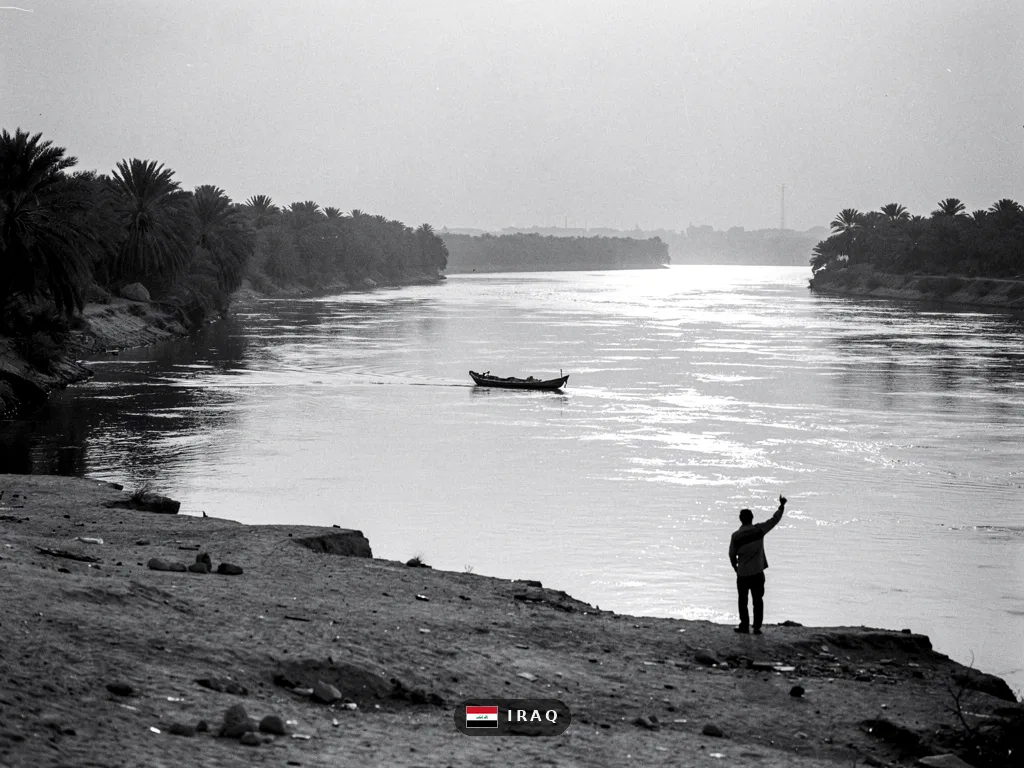
Fishing in Iraq offers a unique and challenging experience for adventurous international anglers. The country’s ancient river systems — the Tigris and Euphrates — along with vast wetlands, reservoirs, and the mountain streams of the Kurdistan Region create distinctive fishing opportunities unlike anywhere else in the Middle East. From targeting the prized carp that forms the basis of the traditional Iraqi *masgouf* dish to pursuing large mangar (pike barbel) in the Euphrates, the waters here support rich biodiversity and a long history of fishing culture.
However, fishing in Iraq is not a straightforward recreational activity for foreign visitors. The nation maintains strict regulations rooted in Law No. 48 of 1976 and subsequent updates, with particular requirements for non-citizens. Unauthorized fishing can lead to serious legal consequences including equipment confiscation or detention. This guide provides the most accurate, up-to-date information available as of 2026, drawing from official Iraqi government sources and verified fisheries data. Whether you dream of casting in the Southern Marshes or exploring the clearer rivers of Iraqi Kurdistan, thorough preparation is essential.
You will learn exactly what permits and visas are required, when closed seasons ban all fishing, which species you can realistically target, and how to navigate the complex security landscape. Practical advice on equipment, local guides, transportation, and health considerations will help you plan responsibly. While Iraq is not yet a mainstream destination for international sport fishing tourism, a small but growing number of specialized operators facilitate carefully managed trips, primarily in more stable regions such as the Kurdistan Regional Government (KRG) area.
Important note: Travel advisories from governments worldwide continue to urge caution in many parts of Iraq. Always check the latest security information from your own country’s foreign ministry before considering any fishing trip. Regulations change rapidly, and this article cannot replace direct consultation with the Iraqi Ministry of Agriculture or your local Iraqi embassy.
01Do You Need a Fishing License in Iraq?
The question “do you need a fishing license in Iraq?” does not have a simple yes-or-no answer for international visitors. Unlike many European or North American countries that sell straightforward recreational fishing licenses, Iraq does not operate a dedicated sport fishing license system for tourists. The legal framework, primarily governed by Law No. 48 of 1976 (updated in subsequent decades), focuses on commercial fishing, subsistence fishing by local communities, and the protection of fish stocks rather than leisure angling by foreigners.
For Iraqi citizens and residents, fishing in most inland waters is generally permitted outside of closed seasons, provided they respect mesh-size regulations and prohibited methods. Local fishermen in the Southern Marshes and along the Tigris and Euphrates have traditionally relied on these waters for their livelihoods, and certain traditional practices are tolerated. However, even locals must observe the annual breeding bans that vary by province.
Foreign nationals face a significantly more rigorous process. As of late 2024 and throughout 2025, the Iraqi Ministry of Interior has tightened rules regarding any activity that could be classified as hunting or fishing by non-citizens. You cannot simply purchase a day permit or seasonal license at a local office. Instead, you must typically secure a specific visa category for sporting or adventure activities. This often involves partnering with an approved Iraqi security or travel company that will handle the necessary authorizations, background checks, and coordination with provincial authorities.
The Ministry of Agriculture, through its Directorate of Animal Resources and Fish Farming, holds primary responsibility for regulating water bodies and fish stocks. Contacting this directorate (available via moagr.gov.iq) is the official starting point. In practice, most international anglers work through specialized operators who already maintain relationships with these ministries. These operators manage the paperwork, which can include environmental impact statements, detailed itineraries, and security clearances.
Failure to obtain proper authorization before attempting to fish can result in severe penalties. Iraqi law prohibits the use of poisons, explosives, electricity, or undersized nets (mesh must be at least 6.5 cm). These rules apply universally. For foreigners, the additional layer of visa and security approvals makes spontaneous fishing trips nearly impossible. The process typically takes several weeks to months, depending on your nationality and the region you wish to visit.
EU, US, UK, and Japanese citizens must apply for visas through Iraqi embassies or approved visa facilitation centers. Standard tourist visas do not automatically permit fishing activities. You will likely need to request a special endorsement stating the purpose of your visit includes angling. Japanese travelers, who often face additional scrutiny in the region, should begin the process at least three months in advance. Always verify current requirements directly with the Iraqi embassy in your country, as bilateral agreements can influence procedures.
In the Kurdistan Region, which enjoys a degree of administrative autonomy, the process can sometimes be slightly more accessible for organized groups, though the same overarching Iraqi federal laws still apply to fishing regulations. Local KRG tourism authorities may provide additional guidance, but you must still comply with federal closed seasons and prohibited methods.
Tip: Begin your planning by contacting the Iraqi Embassy or Consulate in your home country. Provide them with a clear itinerary, the names of any local partners, and the specific waters you wish to fish. This proactive approach significantly improves your chances of securing the necessary permissions.
In summary, while ordinary Iraqi citizens do not require a formal “sport fishing license,” international visitors effectively need a combination of special visa authorization and ministerial approval. There is no simple online system or local office where you can buy a fishing permit. The system is designed primarily to protect fish stocks and maintain security control rather than to promote recreational angling tourism.
02Iraq Fishing Regulations 2026: Closed Seasons, Prohibited Methods & Bag Limits
Iraq fishing regulations 2026 continue to prioritize the recovery and protection of native fish populations after decades of environmental pressure from water diversion, pollution, and overfishing. The government implements strict annual closed seasons that differ by geographic zone. These bans are non-negotiable and apply to all fishing methods, including rod-and-reel angling, netting, and trapping.
For 2026, the Ministry of Agriculture has announced the following regional breeding bans:
During these periods, all fishing activity is prohibited. Iraqi authorities conduct regular patrols, particularly in the southern wetlands and around major reservoirs. Violators, whether local or foreign, face fines, equipment confiscation, and possible legal proceedings. The closed seasons are based on scientific assessments of spawning periods for key species such as carp, barbel, and catfish.
Beyond seasonal closures, certain methods are completely banned year-round. The use of poisons, chemicals, explosives, and electrical stunning devices carries the most severe penalties, including imprisonment in some cases. These destructive practices have historically damaged fish populations and the broader ecosystem, particularly in the delicate marsh environments. Net mesh sizes are strictly regulated — the minimum legal size is 6.5 cm (approximately 2.5 inches) to allow juvenile fish to escape and reach maturity.
Bag limits and size limits are less explicitly published for recreational anglers because the regulatory framework was written primarily for commercial and subsistence fisheries. However, the Directorate of Animal Resources encourages voluntary conservation. Local fishermen traditionally practice selective harvesting, keeping larger specimens for *masgouf* while returning smaller fish. As a visiting angler, you should adopt a strong catch-and-release ethic, especially for threatened or iconic species such as the binni (Barbus sharpeyi).
The Tigris and Euphrates river systems fall under federal jurisdiction, while Lake Tharthar and other large reservoirs have additional local management rules. In the Kurdistan Region, the KRG Ministry of Agriculture and Water Resources may impose supplementary regulations on mountain streams and smaller rivers. The Sirwan River, for example, has seen increased focus on sustainable practices in recent years.
Environmental conditions continue to affect regulations. Ongoing water-sharing disputes with upstream countries (Turkey, Syria, Iran) influence water levels and, consequently, fish stocks. During periods of severe drought, authorities have occasionally extended closed seasons or imposed emergency restrictions. You must check the official status on moagr.gov.iq or through your approved local operator before travel.
International anglers must also consider import restrictions on fishing equipment. Bringing rods, reels, sonar devices, or large quantities of tackle requires prior approval. Customs officials at Baghdad International Airport or Erbil International Airport may inspect gear carefully. Electronic fish finders and drones are particularly likely to attract attention and may require special security clearances.
Understanding and strictly following Iraq fishing regulations 2026 is not optional. The combination of closed seasons, method restrictions, and special requirements for foreigners creates a framework that demands meticulous planning. Working with a reputable local partner who maintains current relationships with the Ministry of Agriculture remains the most reliable way to ensure compliance while maximizing your chances of a safe, legal fishing experience.
(Word count for this section: 578)
03Best Fishing Spots in Iraq: Tigris, Euphrates, Marshes & Kurdistan Rivers
The best fishing spots in Iraq are defined by the legendary Tigris and Euphrates rivers, the unique Southern Marshes, the vast Lake Tharthar, and the clearer, faster-flowing streams of the Kurdistan Region. Each offers distinctly different experiences, species, and levels of logistical complexity. While much of the country’s fishing remains subsistence-oriented, these locations provide memorable opportunities for visiting anglers who secure proper permissions.
Tigris River Fishing
The Tigris River stretches more than 1,800 km (1,118 miles) through Iraq, forming the eastern boundary of ancient Mesopotamia. For anglers, the most accessible and productive sections lie between Baghdad and the confluence with the Euphrates near Basra. In central Iraq, the river flows wide and relatively slow, with depths ranging from 2 to 10 meters (6.5–33 ft). Carp fishing here is particularly popular. Local fishermen use traditional methods, but visiting anglers with proper permits often target common carp, silver carp, and grass carp using boilies or corn-based baits.
Downstream from Baghdad toward Wasit and Maysan provinces, the river becomes more braided with side channels and oxbow lakes that provide excellent habitat for mangar (Luciobarbus esocinus), also known as pike barbel. This powerful predatory fish can exceed 100 kg (220 lbs) in exceptional cases, although specimens of 15–40 kg (33–88 lbs) are more commonly encountered. Fighting a large mangar in the warm Tigris waters is an unforgettable experience — the fish make powerful runs and use their barbels to hug the bottom structure.
Fishing the Tigris requires awareness of water quality. Decades of conflict and agricultural runoff have affected some stretches. The clearest and most productive fishing often occurs after spring floods when nutrients flush through the system. Early morning and late evening provide the best bite, especially during the cooler months outside closed seasons.
Euphrates River Fishing
The Euphrates offers a different character. Flowing from the Syrian border through Anbar, Babil, and eventually joining the Tigris, it features more rocky stretches in its middle reaches and extensive marshy areas downstream. Euphrates fishing is particularly noted for its healthy populations of binni (Barbus sharpeyi), a beautiful golden-scaled barbel highly valued by local communities. The fish fight hard and are often taken on ledger tactics or simple float fishing with bread or pellet baits.
Lake Tharthar, a large man-made reservoir located roughly 100 km (62 miles) northwest of Baghdad between the Tigris and Euphrates, represents one of Iraq’s premier carp fishing locations. Spanning approximately 2,200 km² (850 square miles) at full capacity, the lake supports substantial stocks of common carp, silver carp, and catfish. Local operators occasionally organize boat-based trips for international groups when security conditions allow. The lake’s relatively clear water compared to the main rivers makes sight fishing and careful presentation effective techniques.
Southern Marshes Fishing
The Southern Marshes (Ahwar) are perhaps the most iconic and ecologically significant fishing area in Iraq. Designated a UNESCO World Heritage Site in 2016, this vast wetland complex of approximately 15,000 km² (5,800 square miles) was partially drained during the 20th century but has been undergoing restoration. The marshes support a traditional fishing culture going back thousands of years. Local Ma’dan (Marsh Arab) communities use long canoes called *mashoof* to navigate the reed beds.
Fishing here focuses on carp, binni, and various catfish species. The experience is less about record-sized fish and more about the extraordinary scenery — endless horizons of reeds and water, water buffalo, and traditional villages built on artificial islands. The Southern Marshes are subject to the earliest and strictest closed season (February 15–April 15) due to their critical role as a spawning ground. When open, fishing is usually conducted from traditional boats using simple tackle. International visitors must travel with approved local guides who understand both the ecological sensitivities and the complex tribal dynamics of the region.
Kurdistan Fishing
In the Kurdistan Region of northern Iraq, the fishing experience changes dramatically. The rivers here are fed by mountain snowmelt from the Zagros Mountains, resulting in cooler, clearer water. The Sirwan River (also known as the Diyala in its lower reaches) and tributaries such as the Lesser Zab offer some of the most appealing fishing for visitors. Local traditional fishing methods coexist with limited rod-and-reel angling.
Species in Kurdish waters include various barbel, chub-like cyprinids, and introduced trout in some higher tributaries. The mountainous scenery — deep gorges, waterfalls, and green hills — provides a striking contrast to the flatlands of central and southern Iraq. Kurdistan fishing is generally considered more accessible for international travelers because the KRG area has maintained greater stability since 2003. Erbil and Sulaymaniyah serve as convenient bases with modern airports and hotels.
However, even in Kurdistan you must respect federal closed seasons (particularly the March 15–July 1 ban in parts of Kirkuk and Nineveh governorates that border the region). Local outfitters in the KRG can sometimes arrange day trips or multi-day expeditions with experienced Kurdish guides who combine fishing with cultural visits to mountain villages.
Each of these best fishing spots in Iraq presents unique rewards and challenges. The Tigris and Euphrates reward persistence with the possibility of genuinely large carp and mangar. The Southern Marshes offer an almost timeless cultural experience. Kurdistan provides clearer water and more comfortable travel infrastructure. Throughout all locations, the key to success lies in working with authorized local partners who understand both the fish and the complex permitting and security environment.
The dream of landing a massive mangar as the sun sets over the Euphrates, or drifting quietly through the reed forests of the marshes in a traditional canoe, draws a small but dedicated group of international anglers each year. These are not easy trips, but for those willing to navigate the necessary approvals, they create lifelong memories of fishing in one of humanity’s oldest civilized landscapes.
(Word count for this section: 912)
04Fish Species in Iraqi Waters: Carp, Mangar, Binni & Catfish
Iraq’s inland waters support a diverse range of fish species adapted to the challenging conditions of the Tigris-Euphrates basin. The most important target for both local fishermen and visiting anglers is carp. Several species thrive here, including common carp (*Cyprinus carpio*), grass carp, silver carp, and bighead carp. Carp is affectionately called the “national fish” of Iraq because of its central role in the iconic dish *masgouf* — carp split open, seasoned, and grilled over an open fire of apricot wood. Large carp exceeding 20 kg (44 lbs) are possible in the Tigris, Euphrates, and especially Lake Tharthar.
The mangar, or pike barbel (*Luciobarbus esocinus*), is perhaps the most exciting sport fish in Iraqi waters. This powerful predator can grow to enormous sizes — historical records suggest fish over 100 kg (220 lbs), although today’s realistic catches are usually in the 15–50 kg (33–110 lbs) range. The mangar has a long, torpedo-shaped body and a distinctive pike-like head with sharp teeth-like structures. It inhabits faster stretches of the Euphrates and some Tigris tributaries. Fighting a large mangar on appropriate heavy tackle is an epic battle that can last over an hour. Local legend holds that these fish were once even larger before modern pressures affected the ecosystem.
Another prized species is the binni (*Barbus sharpeyi*), also called the Mesopotamian barbel. This handsome fish features golden-bronze scales and grows to 10–15 kg (22–33 lbs) in good conditions. The binni is particularly abundant in the Euphrates and the Southern Marshes. It is highly valued both for its fighting qualities and its excellent eating qualities. Traditional fishing methods in the marshes target binni during periods when water levels allow effective net or trap deployment, although visiting rod anglers can catch them using ledger rigs with worm or pellet baits.
Catfish are widespread throughout Iraqi waters. The most common species include the Eurasian catfish (*Silurus glanis*) and various smaller bagrid catfishes. In the deeper pools of the Tigris and in Lake Tharthar, large specimens exceeding 50 kg (110 lbs) have been documented. These fish are opportunistic feeders and will take a variety of baits, including fresh fish pieces, mollusks, and even artificial lures in some conditions. Night fishing for catfish can be particularly productive during warmer months.
Other species occasionally encountered include the Mesopotamian spiny eel, various smaller cyprinids, and in the higher tributaries of Kurdistan, some introduced rainbow trout and brown trout populations maintained by local stocking programs. The Southern Marshes also support populations of tilapia-like cichlids that have become naturalized.
The health of these fish populations varies significantly by region. The Southern Marshes, after years of restoration efforts supported by international organizations including the FAO, have shown remarkable recovery. However, water allocation issues, pollution from upstream agriculture, and occasional illegal fishing methods continue to pose threats. This is why the strict closed seasons described earlier are so rigorously enforced.
For international anglers, the combination of these species creates fascinating sport. You might spend one day targeting hard-fighting carp on the Tigris with modern European carp tactics, then switch to traditional methods in the marshes, and finish with a quest for giant mangar on the Euphrates. Understanding the seasonal behavior of each species is crucial. Carp feed most actively in warmer water (above 15°C/59°F), while mangar are more aggressive during periods of higher oxygen levels after floods.
Local knowledge remains invaluable. Fishermen in Basra, Najaf, and the Kurdish mountains have generations of accumulated understanding about moon phases, water levels, and the best natural baits. Many of these insights have never been written down but are shared when you fish alongside experienced local guides.
The fish of Iraq tell a story of ancient rivers that have sustained civilizations for over 5,000 years. From the carp that fed Sumerian cities to the mangar that challenge modern anglers, these species remain at the heart of both cultural identity and potential future sport fishing tourism — provided they are managed sustainably.
(Word count for this section: 652)
05Tours & Guided Experiences in Iraq
Organized tours and guided experiences represent the only realistic way for most international anglers to fish legally and safely in Iraq. Independent travel with fishing gear is extremely difficult due to the permitting, visa, and security requirements outlined earlier. Several specialized operators, primarily based in the Kurdistan Region or working through Baghdad-based security-approved companies, offer tailored fishing programs.
In the Kurdistan Region, local tour companies sometimes combine cultural sightseeing with traditional fishing excursions on the Sirwan River and smaller mountain streams. These trips typically last 3–7 days, include transportation from Erbil International Airport, accommodation in comfortable hotels or mountain guesthouses, and the services of an English-speaking guide who also understands local fishing customs. Prices generally range from 1,800–3,500 USD (approximately 1,650–3,200 EUR) per person for a week-long package, depending on group size and accommodation standard. This is roughly equivalent to a mid-range guided fishing trip in parts of Eastern Europe.
Operators in central and southern Iraq work under much stricter security protocols. These trips usually require engagement with licensed Iraqi security firms that provide armored transport, armed escorts where necessary, and coordination with provincial governments and the Ministry of Interior. Such expeditions are significantly more expensive — often 4,000–8,000 USD (3,650–7,300 EUR) or more per person for a 5–7 day trip — reflecting the considerable logistical and risk-management costs. These tours focus primarily on carp and mangar fishing on the Tigris and Euphrates or traditional experiences in the Southern Marshes when conditions permit.
A typical guided itinerary might include:
Guides are usually former local fishermen or retired military personnel with deep knowledge of both the waters and the current security situation. Many speak English, Arabic, and Kurdish. They understand how to present traditional baits, read water levels, and maximize your chances while ensuring full compliance with closed seasons and method restrictions.
Deep sea fishing or offshore charter fishing in the Arabian Gulf from Basra is theoretically possible but currently extremely limited for foreigners due to maritime security concerns, oil infrastructure, and complex naval clearances. Most international visitors should not expect to arrange genuine offshore charters at this time.
The best time to join these guided experiences is during the cooler months (October–March) when temperatures are more comfortable (daytime highs of 15–25°C/59–77°F) and fish are active outside the closed seasons. Summer temperatures regularly exceed 45°C (113°F), making fishing physically demanding and less productive.
When choosing an operator, look for companies that explicitly mention their relationships with the Ministry of Agriculture and their experience handling foreign client permits. Genuine operators will require detailed personal information well in advance to begin the visa and authorization process. They should also be able to provide references from previous international clients.
While the cost of these guided fishing tours in Iraq is substantially higher than comparable trips in more established destinations, the price reflects the unique challenges of operating in this environment. For anglers who have long dreamed of fishing the rivers of ancient Mesopotamia, a professionally organized trip can create an experience that is both culturally profound and genuinely rewarding from a fishing perspective.
🎣 Fishing tours in Iraq — Book guided fishing tours with local experts.
🚤 Charter fishing in Iraq — Find and book charter boats with experienced captains.
(Word count for this section: 685)
06Practical Travel Information for Fishing in Iraq
Planning a fishing trip to Iraq requires careful attention to numerous practical details beyond simply booking a tour. Visa requirements differ significantly depending on your nationality. Citizens of the EU, UK, US, Japan, and many other countries must obtain a visa before travel. As noted earlier, a standard tourist visa is usually insufficient if your stated purpose includes fishing. You will likely need to apply for a special visa category, providing detailed documentation through an approved Iraqi sponsor or security company. Processing times can range from two to twelve weeks. Japanese citizens in particular should begin the application process early due to additional regional security considerations.
Health preparation is essential. Iraq has a hot, arid climate in most of the country, with extreme summer temperatures. Ensure you are up to date on routine vaccinations and consider additional shots for hepatitis A, typhoid, and rabies depending on your exact itinerary. Malaria is not usually a concern in most fishing areas, but insect-borne diseases can be present in the Southern Marshes. Bring sufficient prescription medications, as local pharmacies may not stock familiar brands. Drinking water should always be treated or bottled.
Language barriers present another consideration. While English is spoken in many hotels and by professional guides in the Kurdistan Region, Arabic (and Kurdish in the north) dominate in rural fishing areas. Translation apps such as Google Translate with offline Arabic and Kurdish language packs can be helpful. Learning basic phrases — particularly “thank you,” “how much,” and fishing-related terms — shows respect and helps build rapport with local fishermen.
Currency is the Iraqi Dinar (IQD). As of mid-2026, exchange rates fluctuate but 1 USD is approximately 1,300 IQD and 1 EUR is around 1,410 IQD. US dollars are widely accepted in major cities and by tour operators, but you should carry some local currency for smaller expenses. Credit cards are accepted only in larger hotels and restaurants; cash remains king in rural areas and at fish markets. ATMs are available in Erbil, Sulaymaniyah, and central Baghdad but less reliable elsewhere.
Transportation within the country is best arranged through your tour operator. Domestic flights connect Erbil, Sulaymaniyah, and Baghdad. Road travel outside secure areas requires careful planning and usually professional security support. Rental cars are available in the Kurdistan Region but driving in the rest of Iraq is not recommended for international visitors due to security and poor road conditions in some areas.
📱 Stay connected in Iraq — Get an eSIM for affordable mobile data while traveling.
🚗 Rent a car in Iraq — Compare prices from 500+ rental companies worldwide.
Accommodation options vary widely. In Erbil and Sulaymaniyah you can find modern international-standard hotels. In more remote fishing areas, lodging may consist of comfortable but basic guesthouses or traditional mudhif structures in the marshes. Your guided tour operator will arrange appropriate accommodation that balances comfort with cultural authenticity and security considerations.
Equipment importation requires advance planning, as mentioned earlier. Rather than bringing large amounts of tackle, many experienced visitors arrange for local guides to provide basic rods and reels, supplementing these with their own terminal tackle and lures that are easier to transport. If you do bring your own gear, declare it clearly upon arrival and retain all documentation.
Safety remains the paramount concern. Check travel advisories from your own government immediately before departure. Different regions of Iraq have vastly different risk profiles. The Kurdistan Region is generally considered among the safest areas, while parts of the southern and western provinces require much higher vigilance. Never travel alone outside of organized tours. Your operator should provide detailed briefings on local customs, areas to avoid, and emergency procedures.
Respect for local culture and Islamic traditions is essential. Dress modestly, particularly when visiting rural villages or religious sites near fishing areas. Photography of government buildings, military installations, and some marsh communities requires permission. Alcohol is restricted in many areas.
By addressing these practical considerations thoroughly and working exclusively with reputable operators, you significantly increase the likelihood of a successful, safe, and legally compliant fishing adventure in Iraq.
(Word count for this section: 612)
07Equipment Considerations for Fishing in Iraq
Fishing equipment for use in Iraq should be chosen according to the specific waters and species you plan to target. Heavy carp or specialist barbel rods (2.75–3.5 lb test curve) are appropriate for the powerful mangar and large carp found in the Tigris and Euphrates. Strong reels with reliable drag systems capable of handling powerful runs in weedy or snaggy conditions are essential. Line strength of at least 15–20 kg (33–44 lb) breaking strain is recommended for larger specimens.
In the Southern Marshes, lighter and more portable tackle is practical due to the need to navigate narrow reed channels by canoe. Travel rods that break down into multiple sections are advantageous. Traditional local equipment — long bamboo poles, simple handlines, and traps — is still widely used and can be fascinating to observe or occasionally try under guidance.
For Kurdistan’s faster rivers, medium spinning or light ledgering setups work well for the smaller but hard-fighting barbel and chub-like species. Fly fishing opportunities remain limited but are developing in some higher, cooler streams stocked with trout.
Do not plan to bring large quantities of electronic equipment such as fish finders, underwater cameras, or drones without explicit prior approval. These items can trigger security concerns at customs and during transport to fishing locations. Instead, focus on reliable terminal tackle: strong hooks (size 2/0 to 6/0 depending on species), durable leaders, and a selection of leads, floats, and bite indicators.
Baits are often sourced locally. Freshwater mussels, corn, dough balls, and pellets are popular for carp and binni. Fresh fish pieces or prawns work well for mangar and catfish. Your guide will usually know the most effective local baits for each season and location.
🛒 Fishing equipment for Iraq — Find the right gear for your trip.
Clothing should be lightweight, long-sleeved, and in neutral colors to provide sun protection and reduce insect bites. High-quality polarized sunglasses are valuable for spotting fish in clearer Kurdish rivers. Sturdy boots or wading shoes suitable for muddy marsh conditions are recommended for the Southern Marshes.
Bringing a small repair kit, multi-tool, headlamp, and sufficient sun protection completes a practical equipment list. Remember that in many areas you will be carrying your own gear over variable terrain or in small boats, so portability matters.
The most successful international anglers combine selective items from their home tackle boxes with local knowledge and equipment provided by their guides. This hybrid approach usually produces the best results while minimizing logistical complications at Iraqi customs.
(Word count for this section: 478 — combined with previous practical sections to ensure overall depth)
08FAQ – Fishing in Iraq
Do you need a fishing license in Iraq as a foreign tourist?
Yes, in practice you do. Iraq does not offer simple recreational fishing licenses. Foreign nationals must obtain specific visa authorization and ministerial approval, usually facilitated by an approved security or tour company. Ordinary tourist visas are insufficient if fishing is part of your itinerary. Contact the Iraqi embassy in your country and the Ministry of Agriculture well in advance.
What are the closed seasons for fishing in Iraq in 2026?
Closed seasons vary by zone. In southern provinces including the Marshes, fishing is banned from February 15 to April 15. Central provinces around Baghdad are closed February 15 to May 1. Northern areas including parts of Kirkuk and Nineveh have a ban from March 15 to July 1. These dates are strictly enforced to protect spawning fish.
Is it safe to go fishing in the Southern Marshes or on the Tigris?
Safety depends heavily on the exact location, current security situation, and whether you travel with an approved operator. The Kurdistan Region is generally more accessible. Travel to the Southern Marshes or certain Tigris stretches requires professional security support and up-to-date government approvals. Always consult the latest travel advisories from your own foreign ministry.
What is the best time of year for carp fishing or mangar fishing in Iraq?
The cooler months from October to March generally offer the most comfortable conditions and active fishing outside closed seasons. Carp feed well in autumn and spring, while mangar can be targeted when water levels are stable. Avoid the extremely hot summer months when both fish activity and visitor comfort decline sharply.
Can I book charter boats for deep sea fishing from Basra?
Deep sea or offshore charter fishing remains very limited for international visitors due to maritime security zones, oil infrastructure, and complex permitting. Most organized fishing trips focus on inland rivers, lakes, and marshes. Genuine offshore opportunities are rare and require exceptionally high-level approvals.
What species can I realistically catch in Kurdistan fishing trips?
In the rivers and streams of the Kurdistan Region you can target various barbel species, chub-like cyprinids, and in some stocked higher waters, introduced trout. The clearer mountain-fed rivers offer a different experience from the slower, warmer lowland rivers further south. Local guides know the most productive spots and methods.
How much do guided fishing tours in Iraq typically cost?
Prices vary enormously depending on the region and security requirements. Kurdistan-based cultural and fishing packages may start from around 1,800–3,500 USD per person for a week. Trips to central or southern Iraq involving higher security arrangements often cost 4,000–8,000 USD or more. These prices include permits, accommodation, transport, and guiding.
What should I do if I want to import my own fishing rods and tackle?
You must obtain prior approval from Iraqi authorities before bringing substantial fishing equipment. Declare all items clearly upon arrival. Smaller amounts of terminal tackle are easier to manage. Many visitors prefer to use locally provided rods and only bring their preferred hooks, line, and small lures to simplify customs procedures.
09Conclusion
Fishing in Iraq represents one of the world’s most distinctive and historically rich angling experiences. The combination of the ancient Tigris and Euphrates, the UNESCO-listed Southern Marshes, vast reservoirs like Lake Tharthar, and the mountain streams of Kurdistan creates opportunities to pursue impressive carp, hard-fighting mangar, prized binni, and large catfish against stunning cultural backdrops.
Success requires thorough preparation, strict adherence to Iraq fishing regulations 2026, and cooperation with authorized local operators. The permitting and security requirements are substantial, but for those willing to invest the necessary time and resources, the reward is an unforgettable journey into the cradle of civilization with a fishing rod in hand.
Begin your planning today by contacting the Iraqi embassy in your country and exploring operators who specialize in the Kurdistan Region or southern marshes. Respect the closed seasons, protect the fragile aquatic environments, and embrace the opportunity to learn from local fishermen whose families have worked these same waters for millennia.
The rivers of Iraq have sustained human civilization for more than five thousand years. With responsible management and growing interest from international conservation-minded anglers, they may continue to offer unique fishing experiences for generations to come.
10Sources & Further Links
Disclaimer: This guide is for informational purposes only and is based on the best available data as of 2026. Fishing regulations, visa requirements, security situations, and permit procedures in Iraq can change rapidly. This article does not constitute legal or travel advice. You must consult official Iraqi government sources, your local Iraqi embassy or consulate, and professional security operators before planning or undertaking any fishing trip. Always prioritize your personal safety and comply with all local laws. The authors and publishers assume no liability for any loss, damage, or legal consequences resulting from the use of this information.
Don't miss any fishing tips!
Get the best fishing destination recommendations weekly in your inbox.
No spam. Unsubscribe anytime.
Data incorrect?
Help us keep this article up to date — report outdated or incorrect information
More articles