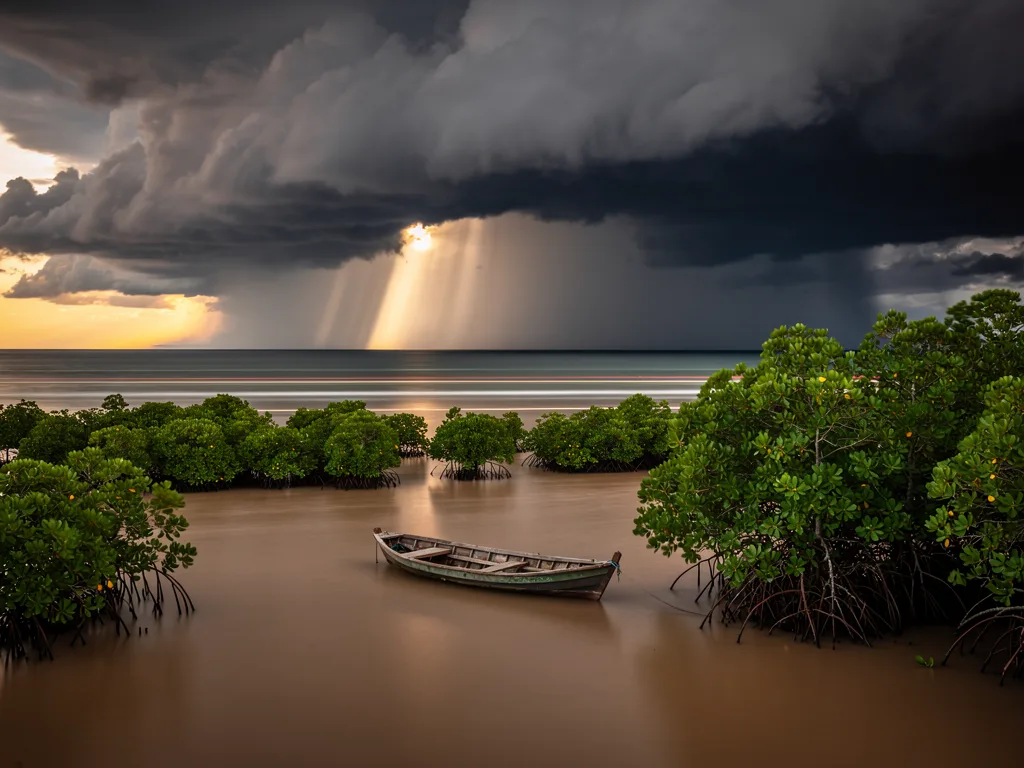
Venezuela offers one of the most diverse fishing destinations in South America. With over 2,800 km of Caribbean coastline, the mighty Orinoco River system, vast inland lakes, and remote archipelagos, the country delivers world-class opportunities for both freshwater and saltwater anglers. Whether you dream of battling explosive peacock bass in jungle rivers, sight-fishing for bonefish on the pristine flats of Los Roques, or chasing marlin and sailfish in deep blue water, fishing in Venezuela can create memories that last a lifetime.
This comprehensive guide answers all the essential questions for international travelers: Do you need a fishing license in Venezuela? How do you obtain the required INSOPESCA permit? What are the best fishing spots? How much do charters and guided tours cost? When is the best time to visit from Europe, North America, or Asia? You will also find practical travel advice including visa requirements, safety considerations, and how to navigate language barriers in a country where Spanish is the official language.
While Venezuela’s economic and political situation has presented challenges in recent years, dedicated fishing operators continue to run professional services, particularly in safer tourist-oriented areas such as Los Roques and selected jungle lodges. With careful planning and the use of reputable providers, an unforgettable fishing adventure awaits.
01Do You Need a Fishing License in Venezuela?
Yes, you need a fishing permit for almost all forms of recreational and sport fishing in Venezuela. The responsible authority is the Instituto Socialista de la Pesca y Acuicultura (INSOPESCA), which operates under the Ministerio del Poder Popular de Pesca y Acuicultura.
The specific permit required for visitors is the permiso de pesca deportiva y recreativa (sport and recreational fishing permit). This applies to both Venezuelan residents and foreign visitors, whether you are fishing from shore, a boat, or in freshwater rivers and lakes. Even shore fishing generally requires this permit, although enforcement can be less strict in remote areas. It is always safer to assume that a valid permit is mandatory.
For spearfishing (pesca subacuática), a separate specific permit is required, along with additional documentation such as proof of training and registration of equipment.
Important: Fishing regulations and procedures can change. Always verify the latest requirements directly with INSOPESCA before your trip. The official website is insopesca.gob.ve.
How to Apply for Your Venezuelan Fishing Permit
Obtaining your fishing permit involves several steps. While the process has been simplified in recent years, it still requires advance planning.
Here are the typical requirements for foreign anglers:
Applications are usually submitted in person at regional INSOPESCA offices. Many serious fishing lodges and professional operators will assist their international clients with the permit process or obtain group permits in advance. This is highly recommended, as navigating bureaucracy in Venezuela can be time-consuming.
According to official sources, the permit is valid for a limited period (often one year or for the duration of your trip, depending on the type issued).
Cost of the Fishing Permit
Permit fees are calculated in Unidades Tributarias (UT) — tax units whose value in Bolívares is adjusted periodically by the government.
As the value of the UT fluctuates, the exact amount in Venezuelan Bolívares (VES) or US dollars changes. At the time of writing, 1 UT is approximately 15–20 USD, meaning a non-resident permit typically costs between 30–40 USD. This is roughly the price of a good restaurant meal in Caracas or a mid-range hotel night in Los Roques.
For the most current fees, consult the official INSOPESCA recaudaciones page or contact them directly.
Sources for latest permit information:
02Best Fishing Spots in Venezuela: Where to Make Your Dreams Come True
Venezuela’s fishing variety is staggering. From crystal-clear tropical flats to tannin-stained jungle rivers and productive offshore banks, each region offers a completely different experience.
Los Roques Archipelago – World-Class Bonefish and Flats Fishing
The Los Roques Archipelago, a national park 160 km (100 miles) north of Caracas, is widely regarded as one of the best bonefish destinations in the Caribbean. The shallow, sandy flats and coral reefs create perfect sight-fishing conditions for bonefish, permit, and tarpon.
Imagine standing on the bow of a flats skiff at dawn, poling across gin-clear water while bonefish tail in the early morning light. A well-placed fly or shrimp pattern can result in explosive takes and long, screaming runs. Many anglers describe days with 10–20 bonefish landed, some exceeding 5 kg (11 lbs). The scenery — white sand, turquoise water, and palm-fringed islands — is postcard perfect.
Los Roques is also home to excellent tarpon fishing, particularly around the mangroves and channels. The best fishing occurs during the dry season when water clarity is highest.
Guri Lake and the Orinoco River System – Peacock Bass Paradise
Guri Lake (Embalse Guri), one of the largest man-made lakes on Earth, is legendary among freshwater anglers for its peacock bass (pavón). These fish are incredibly aggressive, often hitting topwater lures with spectacular strikes. Fish weighing 5–8 kg (11–18 lbs) are common, with larger specimens possible.
Further south, the Cinaruco River and other tributaries of the Orinoco offer pristine jungle fishing. Here you can target not only peacock bass but also the toothy payara (vampire fish) with its prominent fangs, massive catfish including the giant piraiba, and various other species.
Fishing these rivers often involves staying in comfortable jungle lodges. Days are spent in small boats exploring remote lagoons and casting to structure along the riverbanks. The experience combines world-class fishing with incredible wildlife viewing — scarlet macaws, howler monkeys, and caimans are common sights.
La Guaira Bank – Deep Sea Fishing for Billfish
Off the central coast near Vargas state, the La Guaira Bank rises from very deep water and creates a productive upwelling zone. This is prime territory for blue marlin, white marlin, sailfish, tuna, wahoo, and dorado.
A typical deep-sea day might see you fighting a acrobatic sailfish in the morning and hooking a powerful blue marlin in the afternoon. The Venezuelan coast has produced some exceptional billfish catches over the years, and the relatively short run times from shore make it an efficient fishery.
Orinoco River Delta
The vast Orinoco Delta offers a unique mix of brackish and freshwater fishing. Giant catfish, snook, tarpon, and various estuary species thrive in this labyrinth of waterways. Multi-day expeditions into the delta combine sport fishing with cultural experiences among the indigenous Warao people.
Each of these destinations creates its own unforgettable atmosphere — whether it’s the remote tranquility of Los Roques, the raw power of the jungle rivers, or the adrenaline of offshore blue water.
Tip: When planning your Venezuelan fishing trip, consider combining two different experiences. Many serious anglers fly into Caracas, spend several days in Los Roques for flats fishing, then travel inland for peacock bass.
03Tours & Guided Experiences in Venezuela
Because of the complexity of obtaining permits, navigating remote areas, and ensuring safety, the vast majority of international visitors choose guided fishing tours or all-inclusive lodge packages.
Typical offerings include:
Many operators offer all-inclusive experiences that handle your INSOPESCA permit as part of the package. This removes much of the administrative burden and is strongly recommended for first-time visitors.
Language considerations: While many professional guides and lodge staff speak good English, basic Spanish knowledge is helpful. Translation apps such as Google Translate work well in most tourist areas, but having a bilingual host is invaluable in more remote jungle locations.
🎣 Fishing tours in Venezuela — Book guided fishing tours with local experts.
04Charter Fishing in Venezuela
For those seeking flexibility, private charter boats are available in several key locations.
In Los Roques, specialized flats boats with experienced local guides can be chartered by the day or half-day. Offshore charters out of Caracas, La Guaira, or Margarita Island offer modern sportfishing vessels equipped with quality tackle, outriggers, and fighting chairs.
Typical charter prices (2026 estimates):
| Experience | Duration | Boat Capacity | Price (USD) | Price (EUR approx.) | Notes |
|-----------------------------|--------------|---------------|-----------------|---------------------|-------|
| Los Roques flats fishing | Full day | 2 anglers | 650–950 | 600–880 | Includes guide & tackle |
| Deep sea La Guaira | Full day | 4–6 anglers | 1,100–1,600 | 1,020–1,480 | Fuel, bait & tackle included |
| Peacock bass river charter | Full day | 2–4 anglers | 450–750 | 420–695 | From jungle lodge |
| Multi-day offshore | 3 days | 4 anglers | 4,200–6,500 | 3,900–6,000 | All-inclusive option |
Prices are comparable to similar experiences in Costa Rica or Panama but can offer better value due to the variety of species available in a single trip.
🚤 Charter fishing in Venezuela — Find and book charter boats with experienced captains.
05Fish Species: What You Can Catch in Venezuela
Venezuela hosts an impressive range of trophy fish:
The variety means you can experience completely different styles of fishing within a single two-week trip.
06Equipment and What to Bring
Most professional lodges and charters provide high-quality rods, reels, and terminal tackle. However, serious anglers usually prefer to bring their favorite gear.
Recommended tackle:
Tip: Bring polarized sunglasses, plenty of sunscreen, insect repellent (especially for jungle trips), and a good rain jacket. A wide-brimmed hat and neck gaiter are essential in the strong tropical sun.
If you plan to bring your own equipment, check current airline regulations and Venezuelan customs rules. Certain items, particularly spearguns, require special permits from DAEX (Dirección de Armas y Explosivos).
🛒 Fishing equipment for Venezuela — Find the right gear for your trip.
07Best Time to Visit Venezuela for Fishing
The ideal season depends on your target species and location:
From the Southern Hemisphere (Australia, New Zealand, South Africa), the dry season (northern winter) coincides with summer holidays, making it convenient.
Always check for any temporary fishing closures (vedas) announced by INSOPESCA. A major closed season for many commercial and artisanal species typically runs from April to July in certain river systems — recreational fishing is often also affected.
08Practical Travel Information for International Anglers
Getting to Venezuela: Most international visitors fly into Simón Bolívar International Airport (CCS) near Caracas. From there, you will take domestic flights to destinations such as Los Roques (approximately 30–40 minutes) or to Puerto Ordaz/Ciudad Bolívar for inland river and lake fishing.
Visa Requirements (as of 2026):
Safety and Practical Considerations: Venezuela’s security situation varies significantly by region. Tourist-focused areas such as Los Roques are generally considered safe when visiting with established operators. Inland jungle lodges are also relatively secure as they are remote. It is strongly advised to use reputable fishing operators who provide secure transportation and avoid traveling independently in certain areas, particularly around Caracas.
Health: No special vaccinations are strictly required, but hepatitis A, typhoid, and yellow fever vaccinations are recommended for jungle areas. Malaria prophylaxis may be advised for some river regions — consult your doctor.
Currency and Payments: The economy uses both Venezuelan Bolívares and US dollars. Many tourist services quote and accept USD. Credit cards are not always reliable; bring sufficient US dollars in cash (small denominations).
Language: Spanish is essential outside of premium lodges. Download offline translation apps before arrival and consider learning basic fishing-related phrases.
Getting Around: Domestic flights are the most efficient way to reach Los Roques and inland destinations. For road travel, using services arranged by your fishing operator is recommended.
📱 Stay connected in Venezuela — Get an eSIM for affordable mobile data while traveling.
If you plan to rent a car for any part of your journey (not generally recommended for fishing trips), compare options carefully.
🚗 Rent a car in Venezuela — Compare prices from 500+ rental companies worldwide.
09Costs: How Much Does a Fishing Trip to Venezuela Really Cost?
A realistic budget for a quality 8-day fishing trip (including international flights from Europe or North America) typically ranges between 4,500–8,500 USD per person. This includes:
Compared to similar trips in the Bahamas, Mexico, or Brazil, Venezuela often offers better value, particularly for multi-species experiences. However, the current economic situation means prices can fluctuate, and it is wise to book with operators who guarantee services.
10FAQ – Frequently Asked Questions about Fishing in Venezuela
Do I need a fishing license to fish in Venezuela?
Yes. All recreational fishing requires a permiso de pesca deportiva from INSOPESCA. Most professional operators will arrange this for you.
Is it safe to go fishing in Venezuela in 2026?
When using established, reputable fishing operators and staying in recognized tourist fishing areas (Los Roques, selected jungle lodges), the vast majority of visitors have safe and successful trips. Independent travel in some regions carries higher risk.
What is the best fishing in Venezuela — bonefish or peacock bass?
It depends on your preference. Los Roques offers some of the best technical flats fishing in the Caribbean for bonefish. The Orinoco basin and Guri Lake provide explosive freshwater action with peacock bass that many anglers describe as unmatched.
Can I bring my own fishing rods to Venezuela?
Yes, but declare them on your customs form. Spearguns and certain equipment require additional permits. Most lodges provide good quality tackle anyway.
When is the best time to fish in Venezuela?
The dry season from December to April is generally considered prime time for both freshwater and saltwater fishing.
Are there closed seasons (vedas) I need to know about?
Yes. INSOPESCA announces closed seasons for certain species and regions, particularly between April and July. Your operator should inform you of any restrictions.
Do guides in Venezuela speak English?
Many professional fishing guides and lodge hosts catering to international clients speak good English. In more remote areas, Spanish is predominant.
11Conclusion
Fishing in Venezuela offers a rare combination of world-class angling, stunning natural beauty, and genuine adventure. From the legendary bonefish flats of Los Roques to the explosive peacock bass of the Orinoco River system and the offshore bounty of the Caribbean, the country delivers experiences that rank among the best in South America.
With proper planning, the right permits, and the support of professional operators, you can enjoy a safe, successful, and truly memorable fishing trip. The diversity of species and environments means every day on the water brings something new — whether it’s a 6 kg peacock bass exploding on a topwater lure in a jungle lagoon or a bonefish streaking across the white sand flats under a Caribbean sun.
Start planning your Venezuelan fishing adventure today. Contact reputable operators, secure your INSOPESCA permit, and prepare for the fishing trip of a lifetime.
12Sources & Further Links
Disclaimer: This article is intended for informational purposes only. Fishing regulations, permit requirements, safety conditions, and availability of services in Venezuela can change at any time. Always verify the latest official information with INSOPESCA, relevant government authorities, and your chosen tour operator before planning or undertaking any fishing trip. The authors and FishingWorldGuide.com assume no liability for any incidents, injuries, or losses that may occur. Regulations may change in 2026 and beyond.
Don't miss any fishing tips!
Get the best fishing destination recommendations weekly in your inbox.
No spam. Unsubscribe anytime.
Data incorrect?
Help us keep this article up to date — report outdated or incorrect information
More articles