
Buy License Online
Buy fishing license for Puerto Rico online
Official authority website
Imagine standing on the deck of a sportfishing boat as the turquoise waters of the Caribbean stretch to the horizon. A sailfish streaks across the surface, or a massive blue marlin crashes on your bait. This is the reality of fishing in Puerto Rico. With its privileged position between the Atlantic Ocean and the Caribbean Sea, Puerto Rico offers world-class deep-sea, inshore, flats, and reef fishing that attracts international anglers year after year.
Whether you dream of battling giant marlin, stalking bonefish on pristine flats, or catching tarpon in mangrove lagoons, Puerto Rico delivers an unforgettable experience. However, to fish legally and responsibly, you must understand the local fishing license (Angelschein) requirements, regulations, and best practices. This comprehensive guide covers everything you need to plan your trip — from obtaining the correct permit to choosing the perfect charter and exploring the island’s most productive fishing spots.
01Do You Need a Fishing License (Angelschein) in Puerto Rico?
Yes, a fishing license is required for anyone over the age of 13 who wishes to fish in Puerto Rico’s jurisdictional waters. This includes both residents and visitors, whether you are shore fishing, kayak fishing, or fishing from a private boat. The rule applies to both saltwater and freshwater environments.
Fortunately, there are important exemptions that make planning easier for many travelers:
If you plan to fish independently from shore, a pier, or your own vessel, you must obtain a recreational fishing license before casting a line. Unlike many mainland U.S. states, you will not find fishing licenses for sale in bait shops or marinas. They are issued exclusively through the Departamento de Recursos Naturales y Ambientales (DRNA), Puerto Rico’s Department of Natural and Environmental Resources.
You can purchase your license online via the official DRNA portal or in person at one of their seven regional offices across the island. Always carry your license (physical or digital) while fishing, as enforcement officers do conduct checks.
Tip: If you are booking a fishing charter in Puerto Rico, double-check with the captain that their vessel is properly licensed. This single step removes the need for you to buy an individual license and ensures full legal compliance.
Fishing regulations may change, so always verify the latest requirements directly with the DRNA before your trip.
02Types of Fishing Licenses and Costs
Puerto Rico offers flexible license options designed for both short-term visitors and longer stays. Prices vary depending on whether you are a resident, U.S. citizen non-resident, or international visitor.
Here is a clear overview of current recreational fishing license fees (prices in USD with approximate EUR equivalent based on 1 USD ≈ 0.92 EUR):
| License Type | Duration | Cost (USD) | Cost (EUR) |
|-------------------------------|----------|------------|------------|
| Resident Youth (13-21) | 1 Year | $5 | €4.60 |
| Resident Adult (22-60) | 1 Year | $20 | €18.40 |
| Resident Senior (60+) | 1 Year | Free | Free |
| Non-Resident (U.S. Citizen) | 1 Day | $5 | €4.60 |
| Non-Resident (U.S. Citizen) | 7 Days | $7 | €6.40 |
| Non-Resident (U.S. Citizen) | 1 Year | $35 | €32.20 |
| Non-Resident (Foreign Citizen)| 1 Day | $7 | €6.40 |
| Non-Resident (Foreign Citizen)| 7 Days | $10 | €9.20 |
| Non-Resident (Foreign Citizen)| 1 Year | $50 | €46.00 |
These prices are roughly equivalent to the cost of a good restaurant meal or two cocktails in San Juan. For most international visitors staying 3–10 days, the 7-day license offers excellent value.
Separate commercial licenses exist for those intending to sell their catch, but these are not relevant for recreational anglers. You must also note that freshwater and saltwater fishing fall under the same recreational license in most cases, though certain inland lakes may have additional tags.
For the absolute latest prices and to purchase your license, visit the official DRNA website or one of their regional offices.
03Puerto Rico Fishing Regulations: What You Must Know
Responsible fishing is essential in Puerto Rico. The island’s authorities enforce strict rules to protect fragile reef ecosystems and maintain healthy fish populations for future generations.
Key regulations include:
Federal waters (generally beyond 9 nautical miles / 16.6 km from shore) fall under NOAA Fisheries and Caribbean Fishery Management Council regulations. Interestingly, no additional fishing license is required for recreational fishing in federal waters, but all federal size, bag, and season limits still apply.
Always download the latest Reglamento de Pesca de Puerto Rico (Puerto Rico Fishing Regulations) before your trip. Rules can be updated, and it remains your responsibility as an angler to stay informed.
04Best Fishing Spots in Puerto Rico – Where to Make Your Dreams Come True
The diversity of fishing experiences in Puerto Rico is remarkable. From the deep blue Atlantic drop-offs to shallow mangrove channels and coral reefs, every type of angler finds their paradise here.
San Juan and the North Coast
The area around San Juan offers convenient access for travelers arriving by air. Just minutes from the city, you can reach productive inshore waters and offshore canyons. The famous “San Juan Trench” drops dramatically and attracts blue marlin, white marlin, sailfish, wahoo, and dorado (mahi-mahi). During summer months, the fishing for marlin can be spectacular, with multiple hook-ups in a single day possible.
Fajardo and the East Coast – The Sportfishing Capital
Many consider Fajardo the heart of Puerto Rico’s fishing scene. Located on the northeast corner of the island, Fajardo provides quick access to the deep waters of the Puerto Rico Trench and the protection of the Spanish Virgin Islands (including Culebra and Vieques).
The flats around Fajardo are legendary for bonefish and permit. Imagine poling across gin-clear shallows under the Caribbean sun, watching tails waving in the turtle grass as bonefish hunt for crabs. When the wind is right, the sight-fishing experience here rivals the Florida Keys or the Bahamas.
Tarpon fishing in the mangrove lagoons near Fajardo is equally thrilling. These silver kings can exceed 100 kg (220 lb) and are known for spectacular acrobatic jumps. Night fishing for tarpon under the stars creates memories that last a lifetime.
Rincón and the West Coast
On the western side of the island, Rincón has gained international fame as a surf destination, but its offshore waters are equally impressive. The proximity to the Mona Passage creates nutrient-rich upwellings that attract massive schools of tuna, wahoo, and billfish. Winter months often bring the best sailfish action along this coast.
Vieques and Culebra (Spanish Virgin Islands)
These beautiful islands east of mainland Puerto Rico offer a more remote experience. The clear waters and light fishing pressure create excellent conditions for reef fishing, bottom fishing for snapper and grouper, and chasing migratory pelagics. Bonefishing on the flats of Vieques can be world-class during the right tidal phases.
Inland Freshwater Fishing
While Puerto Rico is best known for its saltwater fishery, several large reservoirs offer good largemouth bass, peacock bass, and tilapia fishing. Lakes such as Lago de Guajataca, Lago Caonillas, and Lago Dos Bocas provide a completely different experience if you want a break from the ocean.
The variety of fishing in Puerto Rico truly allows you to tailor your trip exactly to your preferences — whether that means chasing 500 kg (1,100 lb) blue marlin in blue water or sight-fishing for bonefish in crystal shallows.
Tip: The best fishing spots often depend on seasonal patterns, moon phases, and weather. Working with an experienced local captain dramatically increases your chances of success and ensures you fish the most productive areas safely.
05Species You Can Target in Puerto Rico
Puerto Rico sits at a unique oceanographic crossroads, resulting in exceptional species diversity.
Offshore Pelagics:
Inshore and Flats:
Reef and Bottom Species:
The protected status of billfish, tarpon, and bonefish means most serious anglers practice catch-and-release, taking home only what they can reasonably eat from sustainable reef species.
06Tours & Guided Experiences: Best Fishing Charters in Puerto Rico
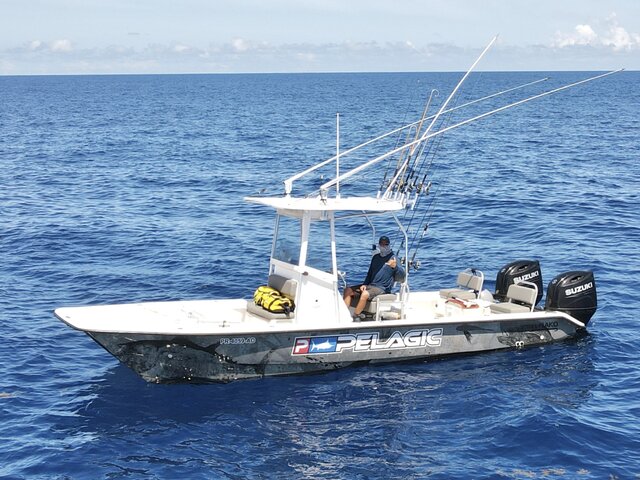
Booking a professional charter is the smartest and most enjoyable way to fish in Puerto Rico. Not only are you covered by the captain’s license, but you also gain access to local knowledge, professional tackle, safety equipment, and years of experience finding fish.
Half-day inshore or flats trips typically cost between $450–$750 USD (€414–€690), while full-day deep sea fishing charters range from $900–$2,500 USD (€828–€2,300) depending on the boat size and target species. Luxury sportfishers equipped with tower, outriggers, and state-of-the-art electronics command premium prices, especially during peak marlin season.
Popular departure points include San Juan, Fajardo, Rincón, and Mayagüez. Many operators also offer specialized night tarpon trips, kite fishing for sailfish, or light-tackle reef adventures.
When choosing a charter, look for captains who are U.S. Coast Guard licensed, have excellent recent reviews, and demonstrate a strong commitment to conservation. Reputable captains will happily answer questions about license requirements, what tackle they provide, and their catch-and-release philosophy.
After exploring the incredible fishing spots Puerto Rico has to offer, many visitors choose to book a guided experience to maximize their time on the water.
🎣 Fishing tours in Puerto Rico — Book guided fishing tours with local experts.
🚤 Charter fishing in Puerto Rico — Find and book charter boats with experienced captains.
07Practical Travel Info for International Anglers
Getting There:
Luis Muñoz Marín International Airport (SJU) in San Juan receives direct flights from most major cities in the United States, Europe, Canada, and Latin America. Many travelers also fly into smaller airports in Aguadilla (BQN) or Ponce (PSE) for easier access to the west coast.
Visa Requirements:
As a U.S. territory, Puerto Rico follows the same entry rules as the mainland United States. Citizens of the EU, UK, Japan, Australia, and many other countries can enter visa-free for up to 90 days under the Visa Waiver Program. Citizens of certain countries will require a B-1/B-2 visa. Always check the latest requirements through official U.S. government channels before booking flights. U.S. citizens travel freely between the mainland and Puerto Rico with no passport control.
Best Time to Visit from Different Hemispheres:
Water temperatures remain between 26–30 °C (79–86 °F) year-round, making Puerto Rico a viable destination at any time.
Language and Communication:
Spanish is the primary language, but English is widely spoken in tourist areas, hotels, and by almost all fishing captains. Download Google Translate or Microsoft Translator for peace of mind in more rural areas. Learning a few basic Spanish fishing phrases is appreciated by local operators.
Currency and Costs:
The official currency is the U.S. Dollar (USD). Prices in this guide are therefore shown primarily in USD with approximate EUR conversions. Credit cards are widely accepted, but bring some cash for smaller marinas or tips.
Safety and Health:
Puerto Rico is generally safe for tourists, but standard precautions apply. Stay hydrated in the tropical heat, use strong sunscreen, and be aware of strong currents when shore fishing. Mosquito repellent is useful near mangroves, especially at dawn and dusk.
08What Equipment to Bring and What Charters Provide
Most reputable charters supply high-quality rods, reels, bait, and lures tailored to the day’s fishing style. However, serious flats anglers often prefer to bring their own fly tackle for bonefish and tarpon. A good 8–10 wt fly rod with floating and intermediate lines is ideal.
For offshore fishing, captains provide everything needed. If you are shore fishing independently, you will need spinning or conventional tackle rated for 10–30 lb (4.5–13.6 kg) line, along with a selection of jigs, plugs, and live bait rigs.
Sun protection is non-negotiable: polarized sunglasses, long-sleeved shirts, hats, and buff neck gaiters make long days on the water much more comfortable.
🛒 Fishing equipment for Puerto Rico — Find the right gear for your trip.
09Additional Activities and Combining Your Fishing Trip
Puerto Rico offers much more than fishing. Many visitors combine their angling adventure with:
The island’s excellent road network makes it easy to move between fishing regions. Renting a car gives you maximum flexibility.
📱 Stay connected in Puerto Rico — Get an eSIM for affordable mobile data while traveling.
🚗 Rent a car in Puerto Rico — Compare prices from 500+ rental companies worldwide.
10Frequently Asked Questions
Do you need a fishing license in Puerto Rico if you go on a charter boat?
No. When you fish on a licensed charter boat, the captain’s commercial license covers all passengers. You do not need to purchase an individual recreational license.
What is the cost of a fishing license for tourists in Puerto Rico?
Non-resident foreign citizens pay approximately $7 USD (€6.40) for a 1-day license, $10 USD (€9.20) for 7 days, or $50 USD (€46) for an annual license.
When is the best time for marlin fishing in Puerto Rico?
Blue marlin fishing peaks during the summer months (June through September), while sailfish action is often excellent from December through March.
Is it possible to catch bonefish in Puerto Rico?
Yes. The flats around Fajardo, Vieques, and other areas offer excellent bonefishing, especially when conditions are calm and tides are right.
Are there any species that must be released in Puerto Rico?
Yes. All billfish, tarpon, and bonefish are strictly catch-and-release only. Several grouper and snapper species also have closed seasons and strict limits.
Can I fish from shore without a license?
No. Anyone over 13 years old needs a valid recreational fishing license to fish from shore, piers, or private boats. Only passengers on licensed charters are exempt.
What documents do I need to enter Puerto Rico for a fishing trip?
Passport requirements are the same as for the U.S. mainland. Check whether you need to apply for ESTA (if from a Visa Waiver country) or a visa.
11Conclusion
Fishing in Puerto Rico offers one of the most diverse and exciting angling experiences in the entire Caribbean. From the heart-pounding runs of blue marlin in cobalt-blue water to the delicate presentation required when stalking bonefish on sunlit flats, this tropical destination has something for every angler.
By understanding the fishing license (Angelschein) requirements, respecting local regulations, and choosing the right guided experiences, you can focus entirely on creating memories that will last a lifetime. The combination of world-class fishing, rich culture, beautiful scenery, and warm hospitality makes Puerto Rico a bucket-list destination for international travelers.
Start planning your trip today. Whether it is your first visit to the Caribbean or you are a seasoned saltwater angler, Puerto Rico’s waters are waiting to deliver the fishing adventure of a lifetime.
Sources & Further Links
Disclaimer: This article is intended for informational purposes only. Fishing regulations, license requirements, and costs can change at any time. Always consult official sources such as the Departamento de Recursos Naturales y Ambientales (DRNA) and NOAA Fisheries for the most current information before your trip. The authors and publishers assume no liability for any errors, omissions, or damages resulting from the use of this guide. Regulations may change in 2026 and beyond. It remains the sole responsibility of the angler to comply with all applicable local, territorial, and federal fishing laws.
Recommended tours
Fishing trips in Puerto Rico
Curated tours & charters with price and click data from our partner dashboards.
 FishingBooker
FishNSea Charters—Boston Whaler 22'
 FishingBooker
Grillofishing Charters
 FishingBooker
Extreme Fishing Puerto Rico
Don't miss any fishing tips!
Get the best fishing destination recommendations weekly in your inbox.
No spam. Unsubscribe anytime.
Read more
Data incorrect?
Help us keep this article up to date — report outdated or incorrect information
More articles