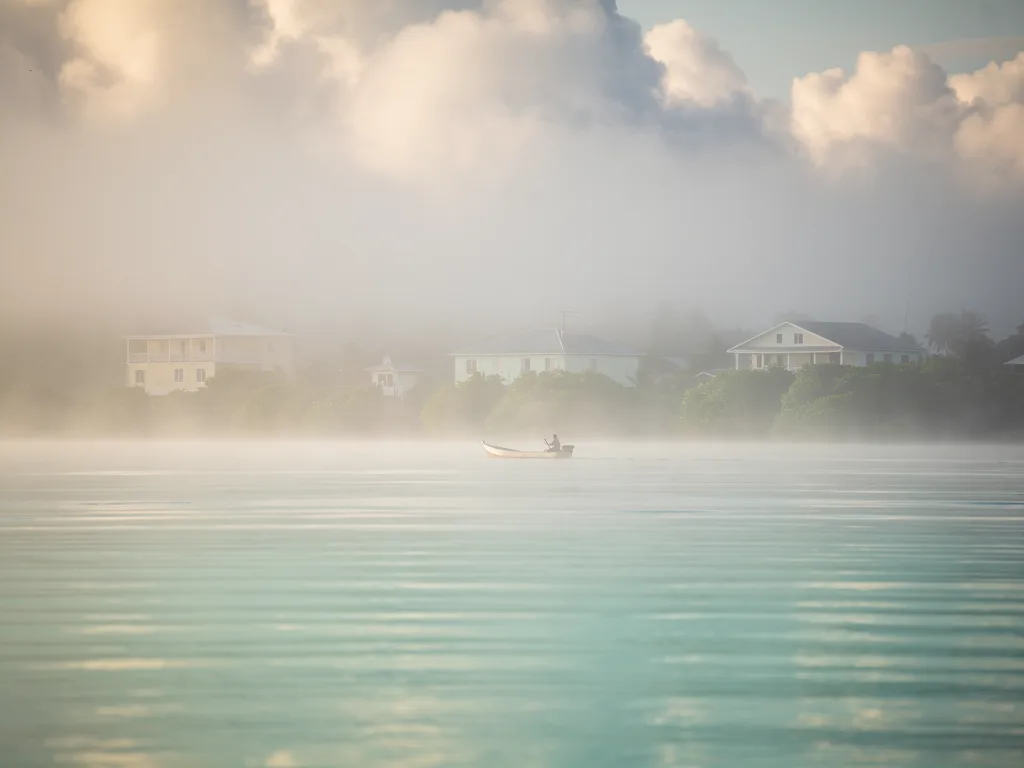
Imagine wading a crystal-clear flat surrounded by mangroves, a 10 kg (22 lb) permit tailing in the shallows just 15 metres ahead. No other anglers in sight. No motorboats. Just you, your fly rod, and one of the most pristine marine ecosystems left in the Caribbean. Fishing in Cuba is one of those rare experiences that still feels genuinely wild — and for anglers who make the journey, it delivers memories that last a lifetime.
Cuba is not the easiest destination to fish. The country's state-controlled economy, limited internet access, and evolving regulations mean you cannot simply book a flight, grab a rod, and cast away. But those who come prepared — with the right guide, the right permit, and the right expectations — discover a saltwater paradise unlike anywhere else in the world.
This guide covers everything an international angler needs to know: fishing permits, where to go, what to catch, when to visit, and how to book a guided trip.
01Do You Need a Fishing License in Cuba?
The short answer is yes — but the process is nothing like obtaining a fishing license in Europe, North America, or Australia.
In Cuba, all recreational and sport fishing by foreign visitors must be conducted through authorized state-run tour operators or official fishing centres. A fishing permit or license is required for any modality of fishing, and it can be obtained by presenting your passport at the time of booking. In practice, when you book through a legitimate Cuban fishing operator (such as the Avalon Cuban Fishing Centers network), the operator handles the permit process on your behalf. You pay for your trip package, and the paperwork is sorted as part of the service.
Important: Independent, freelance fishing — showing up at a beach, hiring a local boat, and casting away on your own — is not legally permitted for foreign visitors. Cuba's fisheries have historically been tightly controlled by the state, and fishing without authorization carries real legal risk. Always book through a recognized operator.
Recent Legislative Changes
Cuba has been reforming its fisheries legislation in recent years. Regulations introduced in the 2020s require that anyone wishing to carry out fishing activities — whether individual or corporate, Cuban or foreign — must obtain explicit authorization. Licenses are issued once the status of local fish stocks has been evaluated. Commercial fishing in protected areas remains strictly prohibited.
The bottom line: book through an authorized operator and the licensing is handled for you. This is, in fact, the standard practice for all international fishing visitors to Cuba.
🎣 Fishing tours in Cuba — Book guided fishing tours with local experts who handle all permits and logistics.
02Cuba's Best Fishing Spots
Cuba is a 1,200 km (745 mi) long island nation with an extraordinary variety of marine environments — shallow saltwater flats, mangrove lagoons, offshore drop-offs, and deep blue water. Here are the five standout destinations every visiting angler should know.
1. Jardines de la Reina — The Crown Jewel of Caribbean Fishing
If you have heard of Cuban fishing at all, you have heard of Jardines de la Reina (Gardens of the Queen). Located 80 km (50 miles) off Cuba's south-central coast, this archipelago of roughly 250 uninhabited islands was designated a National Park in 2002. Since the early 1990s, commercial fishing has been completely banned here, and the results are staggering.
The flats, mangroves, and coral-fringed channels of Jardines de la Reina hold tarpon, bonefish, permit, snook, barracuda, jacks, snapper, grouper, and sharks — often in densities that would be unimaginable on more heavily fished Caribbean islands. The peak season runs from March through June, when permit and tarpon are most active on the flats.
Access is exclusively via liveaboard vessels departing from the small fishing village of Júscaro, in Ciego de Ávila province. Trips are typically 7-night liveaboard packages operated by specialist fishing companies. This is not a budget destination — but for serious fly anglers, it is bucket-list territory.
Tip: Jardines de la Reina only permits catch-and-release fishing. Every fish you land must be returned to the water. This is non-negotiable and is enforced strictly. Bring barbless hooks.
2. Cayo Largo — The Permit Capital of Cuba
Situated 100–130 km (60–80 miles) offshore along Cuba's southern coast, Cayo Largo is widely regarded as the most consistent location in Cuba for permit fishing on the flats. The vast, sandy flats surrounding this island attract large schools of permit, particularly between March and July and again in November when tidal conditions are optimal.
Cayo Largo also has a small resort infrastructure, making it slightly more accessible than Jardines de la Reina for anglers who prefer not to live aboard a boat for a week.
3. Cayo Romano & Cayo Cruz — Northern Flats Wilderness
Located on Cuba's northern coast in Camagüey province, Cayo Romano and neighboring Cayo Cruz offer an extensive system of flats, shallow lagoons, and pristine river mouths that receive far fewer anglers than the southern destinations. This is a true off-the-beaten-path choice.
Bonefish here average a healthy 2 kg (4.4 lbs), and the week's fishing typically includes multiple encounters with permit ranging from 4–15 kg (9–33 lbs). Tarpon, snook, and barracuda round out the action. The scenery — untouched mangrove wilderness under a vast Caribbean sky — is extraordinary.
4. Ciénaga de Zapata — Fly Fishing in Cuba's Great Swamp
Located in Matanzas province, roughly 170 km (105 miles) southeast of Havana, the Ciénaga de Zapata (Zapata Swamp) is a UNESCO Biosphere Reserve and one of the largest wetlands in the Caribbean. The fishing here is different from the saltwater flats — this is shallow, crystalline freshwater and brackish territory where catch-and-release fly fishing is the only permitted method.
The species diversity is remarkable: shad, sea bass, tarpon, snook, barracuda, jack, grouper, and more than twenty other species can be encountered in a single week. This destination suits anglers who enjoy light-tackle or fly fishing in calm, sheltered waters.
5. Cienfuegos & the Hanabanilla Reservoir
The southern city of Cienfuegos, about 250 km (155 miles) from Havana, has one of Cuba's best marinas — the Marina Marlin Cienfuegos — with good depth of water and mooring for a variety of vessel sizes. Offshore from Cienfuegos, anglers target blue marlin, sailfish, tuna, wahoo, and mahi-mahi via trolling and deep-sea fishing.
Inland, the Hanabanilla Reservoir is one of Cuba's largest freshwater impoundments and provides good bass and freshwater fishing for anglers who want variety during a broader Cuba travel itinerary.
03Fish Species You Can Catch in Cuba
Cuba's waters hold an impressive range of gamefish. Here is an overview of the key target species by fishing style:
Saltwater Flats (Fly Fishing)
Offshore & Deep-Sea Fishing
Freshwater & Brackish Water
04When Is the Best Time to Fish in Cuba?
Cuba's fishing season runs year-round, but different periods suit different styles of angling:
| Period | Conditions | Best For |
|---|---|---|
| January – March | Low season, cooler water, good clarity | Bonefish, permit, smaller tarpon, snook |
| April – July | Peak season, warm, excellent visibility | Large tarpon, permit, blue marlin, sailfish |
| August – November | Hurricane season (especially Sept–Oct) | Avoid if possible — storm risk is high |
| November – December | Improving conditions, good permit | Permit on the flats, offshore species |
Tip: The safest and most productive window for a Cuban fishing trip is April through late July for fly fishing on flats, or November through March for offshore deep-sea fishing when weather is more stable.
From the Southern Hemisphere perspective: April–July corresponds to your autumn/early winter — an ideal time to escape cooler temperatures at home while hitting Cuba's prime season.
05Fishing Tours & Guided Experiences
Independent fishing in Cuba is effectively not an option for foreign visitors. All sport fishing is organized through state-authorized operators, which in practice means you are booking a structured package with guides, boat, accommodation (or liveaboard), and permits all included.
Liveaboard Fishing (Jardines de la Reina)
The iconic Cuban fishing experience is a 7-night liveaboard trip in Jardines de la Reina. These trips depart from Júscaro aboard floating hotels (mothership vessels) with skiffs available for daily guided fishing. Packages typically include:
Price range: Approximately €3,500–€5,500 per person (USD 3,800–6,000) for a 7-night trip, depending on the operator and season. This is comparable to premium liveaboard diving trips in the Maldives or Galápagos.
Flat-Fishing Lodge Packages (Cayo Romano, Cayo Cruz, Cayo Largo)
Several operators offer 6–7 night lodge-based packages at fishing camps in the cays. These typically include skiff fishing with a dedicated guide each day, all meals, accommodation in basic but comfortable fishing lodges, and permit logistics.
Price range: Approximately €2,500–€4,500 per person (USD 2,700–4,900) for a week, depending on location and season.
Day Trips & Resort Fishing
For visitors staying at beach resorts in Varadero, Cayo Coco, Cayo Santa María, or Havana, short-duration fishing trips (half-day or full-day) can often be arranged through marina-based operators. These typically cover offshore trolling or bottom fishing and are more accessible for non-specialist anglers.
Price range: Approximately €150–€400 per person (USD 165–440) per day for a shared charter boat.
🚤 Charter fishing in Cuba — Find and book charter boats with experienced captains.
06Practical Travel Information for International Visitors
Visa & Entry Requirements
Cuba requires a tourist visa (tourist card / tarjeta de turista) for the vast majority of nationalities. Here is a quick overview:
Note: Visa rules and US restrictions on Cuba travel are subject to change. Always verify current requirements with your national embassy or consulate before booking.
Currency & Payments
Cuba has a single currency system (the Cuban Peso, CUP) following the elimination of the convertible peso (CUC) in 2021. However, most international fishing packages are quoted and paid in USD or EUR through the booking operator before departure. In-country cash is useful for small purchases; international bank cards often do not work in Cuban ATMs, especially for US cardholders.
Tip: Bring sufficient EUR or CAD cash to Cuba. US dollar bills have historically attracted a surcharge when exchanged. Check the latest exchange situation with your operator before travel.
Getting Around & Getting There
Most international fishing visitors fly into Havana (José Martí International Airport, HAV) or, for southern destinations, into Ciego de Ávila or Cienfuegos. Your fishing operator will typically coordinate ground transfers to the departure point for your liveaboard or lodge.
Direct flights to Havana operate from:
Language
Spanish is the only official language in Cuba. Your fishing guides will generally speak basic English (sometimes very basic), but a translation app (Google Translate works offline) and a few key Spanish phrases will go a long way. Most international fishing operators provide an English-speaking coordinator who liaises between you and the local guides.
Useful phrases:
Health & Safety
🏨 Accommodation near fishing spots in Cuba — Find hotels and lodges close to the best waters.
07Equipment & Gear for Fishing in Cuba
What to Bring
Most liveaboard and lodge operators provide skiffs and essential local tackle, but serious anglers should bring their own rods, reels, and flies. Here is what is recommended by style:
Fly Fishing (Flats):
Offshore / Trolling:
General:
Tip: Cuba has strict customs regulations on importing fishing tackle. Keep your gear to a reasonable personal-use quantity and be prepared to declare it at customs. Large quantities of lures or flies may be questioned. Ask your tour operator for current guidance.
🛒 Fishing equipment for Cuba — Find the right saltwater gear for your trip.
08Cost Overview: What to Budget for a Cuba Fishing Trip
| Experience | Duration | Approx. Cost Per Person (EUR) | Approx. Cost Per Person (USD) |
|---|---|---|---|
| Jardines de la Reina liveaboard | 7 nights | €3,500–€5,500 | $3,800–$6,000 |
| Cayo Romano / Cayo Cruz lodge | 7 nights | €2,500–€4,500 | $2,700–$4,900 |
| Cayo Largo flat fishing | 5–7 nights | €2,200–€4,000 | $2,400–$4,400 |
| Resort offshore day charter | 1 day | €150–€400 | $165–$440 |
| Flight to Havana (from Europe) | — | €500–€900 | $550–$990 |
| Tourist card / visa | — | €25–€50 | $27–$55 |
These prices are benchmarks — exact costs vary by season, operator, and the number of anglers sharing a boat. A full week in Jardines de la Reina is comparable to a premium fly fishing week in Patagonia or a bonefish trip to the Bahamas — and many experienced anglers consider it superior to both.
09Key Rules & Regulations Summary
10FAQ: Fishing in Cuba
Do I need a fishing license to fish in Cuba as a tourist?
Yes. A fishing permit is required for any fishing activity in Cuba. When you book through an authorized Cuban fishing operator, they handle the permit on your behalf as part of your package. You will need your passport to register.
Can I fish independently in Cuba without a guide?
No. Independent fishing by foreign visitors is not legally permitted in Cuba. All sport and recreational fishing must be conducted through authorized state-run operators. This is both a legal requirement and a practical reality — access to the best fishing areas requires boats, local knowledge, and coordination that only established operators can provide.
Is it true that fishing is illegal in Cuba?
Cuba has historically placed tight restrictions on fishing, even for Cuban citizens. A 2026 social media debate highlighted that fishing for personal consumption faces significant restrictions under Cuban law. For international visitors, sport fishing through authorized tour operators is legal and well-established — but it must be booked through the right channels.
What is the best time of year to fish in Cuba?
April through late July is considered the peak season, especially for tarpon, permit, and blue marlin. January through March offers good bonefish and permit fishing with more stable weather. Avoid September and October due to hurricane risk.
What are the best species to target in Cuba?
Permit, tarpon, and bonefish on the saltwater flats are Cuba's flagship attractions. Offshore, blue marlin and sailfish are the top targets. Jardines de la Reina offers the most complete saltwater fly fishing experience in the Caribbean.
How do I get to Jardines de la Reina?
You fly into Havana or Ciego de Ávila, then transfer by road to the fishing village of Júscaro, where liveaboard vessels depart. Your operator will coordinate all transfers. The boat journey to the fishing grounds takes approximately 4–5 hours.
Can US citizens fish in Cuba?
US citizens face significant legal restrictions on travel to Cuba under US law. While sport fishing in an authorized context may fall under certain permitted travel categories, the situation is complex and subject to change. US anglers should consult a Cuba travel specialist and legal counsel before booking.
What flies and lures should I bring?
For permit: Crab-pattern flies like the Merkin and Del Brown's Permit Fly. For bonefish: Crazy Charlie, Gotcha, and Clouser Minnow in size 6–8. For tarpon: large EP Baitfish, Black Death, and Cockroach patterns on 2/0–4/0 hooks. For barracuda: large needlefish-pattern streamers on wire tippet.
11Conclusion
Cuba is one of the final frontiers of Caribbean saltwater fishing — a place where decades of limited access have produced some of the healthiest marine ecosystems in the Western Hemisphere. Fishing in Cuba is not cheap, not simple, and not spontaneous. But for anglers willing to plan ahead, book through the right operator, and embrace the unique character of this island, the rewards are exceptional.
Whether you are chasing a double-digit permit across a white sand flat in Jardines de la Reina, watching a 30 kg tarpon cartwheeled from the bow of a skiff at dawn, or trolling blue water for marlin off Cienfuegos, Cuba delivers fishing experiences that very few places on Earth can match.
Start planning early. Book with an established operator. Bring your best fly rod. And go before the world catches on.
12Sources & Further Links
*Disclaimer: Fishing regulations, visa requirements, and travel restrictions in Cuba are subject to change. The information in this article reflects research conducted in April 2026 and is provided for guidance purposes only. Always verify current regulations with the relevant Cuban authorities, your fishing tour operator, and your national government's travel advisory service before booking. US citizens should consult legal counsel regarding current restrictions on Cuba travel. FishingWorldGuide.com accepts no liability for outdated information or changes in law.*
Don't miss any fishing tips!
Get the best fishing destination recommendations weekly in your inbox.
No spam. Unsubscribe anytime.
Data incorrect?
Help us keep this article up to date — report outdated or incorrect information
More articles