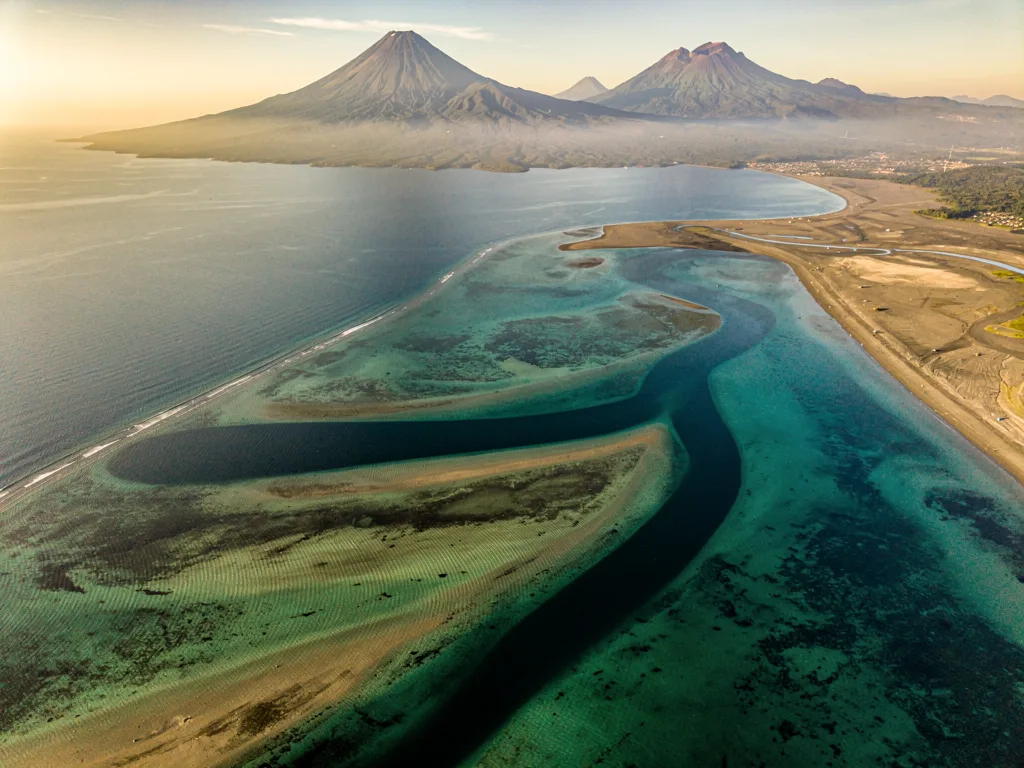
Imagine the explosive strike of a Pacific sailfish, its iridescent body dancing on the line against a backdrop of volcanic peaks. Or perhaps you envision casting a fly into the misty, ancient waters of Lake Atitlán, surrounded by lush highlands. Guatemala offers a fishing experience as diverse and dramatic as its landscape, from world-record billfish runs to serene jungle rivers teeming with tarpon. This guide is your essential companion to navigating the permits, discovering the legendary spots, and planning an unforgettable angling adventure in the heart of Central America.
01Guatemala Fishing License & Regulations: What You Need to Know
Before you cast your first line, understanding the local regulations is crucial. Fishing in Guatemala is regulated to preserve its rich aquatic ecosystems, and requirements differ based on the type of fishing you plan to do.
For sport fishing, which is the primary focus for most international anglers targeting billfish, dorado, or roosterfish from a charter boat, the process is straightforward. The fishing charter company or tour operator you book with typically handles the necessary permits as part of your package. This is the standard and most convenient approach. You will usually need to provide a copy of your passport, and the captain will ensure your vessel has the proper commercial sport fishing license issued by the *Ministerio de Agricultura, Ganadería y Alimentación (MAGA)*.
However, if you plan to fish independently from shore or a private boat for species like snook, snapper, or freshwater fish, you may need to secure an individual artesanal fishing license (*Permiso de Pesca Artesanal*). According to the Guatemalan government's official procedures, this permit is available to both nationals and foreigners. The process involves submitting an application to MAGA, often requiring identification, details of your fishing activity, and payment of a fee. The fees are generally modest, often in the range of Q100-300 (approximately €12-35 / $13-38) for a short-term permit.
Important: Regulations, including closed seasons (*vedas*) for certain species to protect breeding cycles, are published in official government agreements. It is your responsibility to be aware of these. Always confirm the latest rules with your guide or charter operator before your trip. The official government portal is the most reliable source for current *veda* announcements.
For most visitors booking guided trips, the license logistics are seamlessly integrated, allowing you to focus on the thrill of the catch.
02The Best Fishing Spots in Guatemala: From the Pacific to the Jungle
Guatemala's true magic lies in its incredibly diverse fishing grounds, each offering a unique adventure.
Pacific Coast: The Sailfish Capital of the World
The waters off Guatemala's Pacific coast, particularly the area 30-60 km (18-37 miles) out from the ports of Iztapa and Puerto San José, are legendary. Here, the continental shelf drops off dramatically, creating a nutrient-rich upwelling that attracts massive schools of baitfish and, in turn, world-class concentrations of Pacific sailfish. Anglers regularly release double-digit numbers of sailfish in a single day during peak season. This is also where you'll find thrilling runs of dorado (mahi-mahi), yellowfin tuna, and occasional blue and black marlin. The experience is one of pure offshore sport fishing, often on well-equipped 30- to 40-foot convertibles, with the stunning Sierra Madre volcanoes visible on the horizon.
Lake Atitlán: Highland Serenity and Hard-Fighting Bass
Nestled in the highlands at 1,562 meters (5,125 feet) and framed by three majestic volcanoes, Lake Atitlán is a breathtaking setting for freshwater fishing. The lake is home to introduced largemouth bass and bluegill, which thrive in its deep, clear waters. Fishing here is a tranquil contrast to the offshore adrenaline—you'll be casting alongside traditional Mayan villages, with the calls of birds replacing the sound of boat engines. Local fishermen can take you out in their wooden *cayucos* (canoes) for a truly authentic experience. While not a trophy bass destination by North American standards, the combination of stunning scenery and decent action makes it a must-visit.
The Petén Region: Jungle Rivers and Ancient Ruins
For the adventurous angler, the northern Petén region offers a unique blend of sport fishing and eco-tourism. The Río de la Pasión and other river systems flowing through the dense jungle are prime habitat for tarpon and snook. Imagine battling a prehistoric-looking tarpon while spider monkeys howl in the canopy above. Many fishing lodges here are situated near the ancient Mayan ruins of Flores and Tikal, allowing you to combine world-class fishing with one of the world's most significant archaeological sites. This is a true expedition-style fishing experience, often requiring specialized river boats and local guides who know the labyrinthine waterways.
Other Notable Locations
* Lake Izabal: Guatemala's largest lake, connected to the Caribbean via the Dulce River, offers excellent tarpon and snook fishing in a lush, tropical setting.
* Pacific Estuaries & Surf: The mangrove-lined estuaries and surf beaches from Monterrico to the Mexican border are fantastic for roosterfish, snook, jack crevalle, and snapper. This is thrilling light-tackle or fly fishing territory.
🎣 Fishing tours in Guatemala — Book guided fishing tours with local experts on the Pacific coast or in the highlands.
03What Can You Catch? Species & Best Seasons in Guatemala
Timing your trip is everything. Guatemala's fishing is excellent year-round, but species availability varies.
| Season | Pacific Offshore (Billfish, Dorado) | Pacific Inshore (Roosterfish, Snook) | Freshwater (Bass, Tarpon) |
| :--- | :--- | :--- | :--- |
| Peak Season | November - April. Dry season with consistent winds and seas. Sailfish numbers are highest. | Good year-round, but best May - October (rainy season) when baitfish are flushed from estuaries. | Year-round. Tarpon in rivers often best during/after rainy season (May-Nov) when water levels rise. |
| Shoulder Season | October & May. Fewer boats, still excellent fishing, potential for more marlin. | - | - |
| Low Season | June - September. Seas can be rougher due to rains, but fishing pressure is minimal. Dorado can still be very good. | - | - |
Key Species:
* Pacific Sailfish: The star attraction. Best from November to April.
* Dorado (Mahi-Mahi): Available year-round, with peaks in the rainy season.
* Yellowfin Tuna: Found offshore, often schooling with porpoises.
* Roosterfish: A prized inshore fighter, best targeted with live bait or poppers along rocky coastlines.
* Tarpon: Found in Caribbean drainages like Lake Izabal and Río Dulce. Can exceed 90 kg (200 lbs).
* Snook: Both Pacific and Caribbean drainages offer excellent snook fishing, particularly in estuaries.
* Largemouth Bass: Primarily in Lake Atitlán.
04Guided Trips & Charter Boats in Guatemala
Booking a reputable charter is the most effective way to experience Guatemala's world-class fishing. Options range from luxurious, full-service operations to more basic, locally-run boats.
* Pacific Offshore Charters (Iztapa/Puerto San José): A standard full-day offshore charter for sailfish typically costs between $1,200 and $2,500 USD (approx. €1,100 - €2,300) for a boat accommodating 4-6 anglers. This usually includes captain, mate, tackle, bait, drinks, lunch, and fishing licenses. Top-tier operations with larger, faster boats and all-inclusive amenities at private lodges will be at the higher end.
* Inshore & Light Tackle Charters: Half-day or full-day trips targeting roosterfish, snook, or jack crevalle from smaller pangas are more affordable, ranging from $300 to $700 USD (€275 - €645).
* Guided Lake & River Trips: A guided day on Lake Atitlán or in the Petén rivers with a local expert, including boat and tackle, can cost between $150 and $400 USD (€140 - €370), often negotiable.
🚤 Charter fishing in Guatemala — Find and book charter boats with experienced captains for your Pacific offshore adventure.
05Planning Your Fishing Trip to Guatemala: Travel Essentials
A little planning ensures your focus remains on the fish, not on logistics.
Best Time to Visit
The ideal time depends on your target species. For the iconic sailfish bite, December through March is peak, offering the best weather and most consistent catches. For fewer crowds and great value, consider the shoulder months of October-November or April-May. If roosterfish or freshwater fishing is your priority, the greener rainy season (May-October) can be fantastic.
Getting There & Around
Most international flights land at Guatemala City's La Aurora International Airport (GUA). From there, the main fishing ports are a 1.5 to 2-hour drive. Antigua Guatemala, the stunning colonial former capital, is a popular stopover and is located about 45 minutes from the airport. To reach Lake Atitlán or Petén, you can take domestic flights (to Flores) or arrange private transfers. Renting a 4x4 is recommended for exploring multiple regions independently.
Accommodation
Accommodation options are plentiful. In Iztapa/Puerto San José, you'll find everything from all-inclusive fishing resorts to budget-friendly hotels. In Antigua and around Lake Atitlán, charming boutique hotels and eco-lodges abound. In Petén, jungle lodges offer immersive experiences.
Visa & Entry Requirements
Citizens of the USA, Canada, EU, UK, Australia, and Japan generally do not need a visa for tourist stays of up to 90 days. Your passport must be valid for at least six months beyond your entry date. Always check the latest entry requirements with your nearest Guatemalan consulate before travel.
Practical Tips
* Currency: The official currency is the Guatemalan Quetzal (GTQ). As of early 2026, 1 USD ≈ 7.8 GTQ, and 1 EUR ≈ 8.4 GTQ. US dollars are widely accepted in tourist areas, but you'll get better value with local currency. ATMs are readily available.
* Language: Spanish is the official language. English is spoken at major tourist destinations and by fishing guides. Learning a few basic Spanish phrases is appreciated and helpful.
* Health & Safety: Drink only bottled or purified water. Use reef-safe sunscreen. Be cautious with your belongings in cities. Consult a travel doctor for recommended vaccinations before your trip.
* Tipping: It is customary to tip your fishing crew. A gratuity of 10-20% of the charter cost is standard for good service.
🏨 Accommodation near fishing spots in Guatemala — Find hotels and lodges close to the best waters in Iztapa, Antigua, or Flores.
06Frequently Asked Questions (FAQ)
1. Do I need a fishing license in Guatemala?
Yes, a license is required for all fishing. For sport fishing charters, the operator typically includes it in the package price. For independent fishing, you must obtain a separate *artesanal* permit from MAGA.
2. Is Guatemala good for family fishing trips?
Absolutely. While offshore billfishing can be a strenuous all-day affair best for older children, inshore fishing on calmer days, or bass fishing on Lake Atitlán, can be wonderful for families. The cultural experiences in Antigua and around the lake are also excellent for all ages.
3. Can I practice fly fishing in Guatemala?
Yes, Guatemala is a growing destination for saltwater fly fishing. It's most effective for roosterfish, jack crevalle, and sierra mackerel in the inshore Pacific. Targeting sailfish on the fly is an advanced but possible endeavor. Lake Atitlán offers opportunities for bass on fly.
4. What is the fishing season in Guatemala?
Fishing is excellent year-round. The peak season for Pacific sailfish and the best overall weather is from November to April. The green season (May-October) offers great inshore and freshwater fishing with fewer tourists.
5. How do I get to the fishing grounds from Guatemala City?
The primary Pacific fishing ports, Iztapa and Puerto San José, are about a 1.5 to 2-hour drive south of Guatemala City. Your charter service or lodge can arrange reliable airport transfers.
6. What should I pack for a fishing trip in Guatemala?
Pack light, breathable clothing, a rain jacket (especially in the green season), polarized sunglasses, a wide-brimmed hat, high-SPF sunscreen, and non-marking boat shoes. For offshore trips, medication for seasickness is recommended. Don't forget your camera!
7. Is it safe to travel to Guatemala for a fishing trip?
Millions of tourists visit Guatemala safely each year. By taking standard precautions—using reputable tour operators, avoiding isolated areas at night, and not displaying expensive jewelry—you can minimize risks. The main tourist and fishing areas are generally considered safe.
07Conclusion
From the adrenaline-pumping offshore battles with acrobatic sailfish to the serene, culturally rich experience of highland lake fishing, Guatemala offers a world-class angling adventure that defies its small size. Its well-established tourism infrastructure makes accessing these incredible fisheries remarkably easy. Whether you're a seasoned billfisherman chasing records or an angler seeking a unique travel experience, Guatemala's waters promise unforgettable memories.
Start planning your trip, connect with a reputable local guide, and get ready to discover why Guatemala is a crown jewel of Central American fishing.
🛒 Fishing equipment for Guatemala — Find the right gear for your saltwater or freshwater adventure.
Sources & Further Links
* Guatemala Fishing: The Complete Guide for 2026 - FishingBooker
* * * Catálogo de Trámites | 212. Concesión de Permiso de Pesca Artesanal
* Complete Guide to Fishing in Guatemala (Sport, Sail and More) - Go Guatemala Travel
* Guatemala Fishing Vacation - Central America Fishing
* FishingBooker – Charter Boats & Fishing Tours
* GetYourGuide – Fishing Tours
Disclaimer: The information provided in this article is for general guidance purposes only as of 2026. Fishing regulations, license requirements, prices, and travel conditions are subject to change. We strongly advise verifying all details with official government sources, your chosen charter operator, and relevant consular authorities before your trip. Always fish responsibly, follow local catch-and-release practices for billfish, and respect the environment.
Recommended tours
Don't miss any fishing tips!
Get the best fishing destination recommendations weekly in your inbox.
No spam. Unsubscribe anytime.
Data incorrect?
Help us keep this article up to date — report outdated or incorrect information
More articles