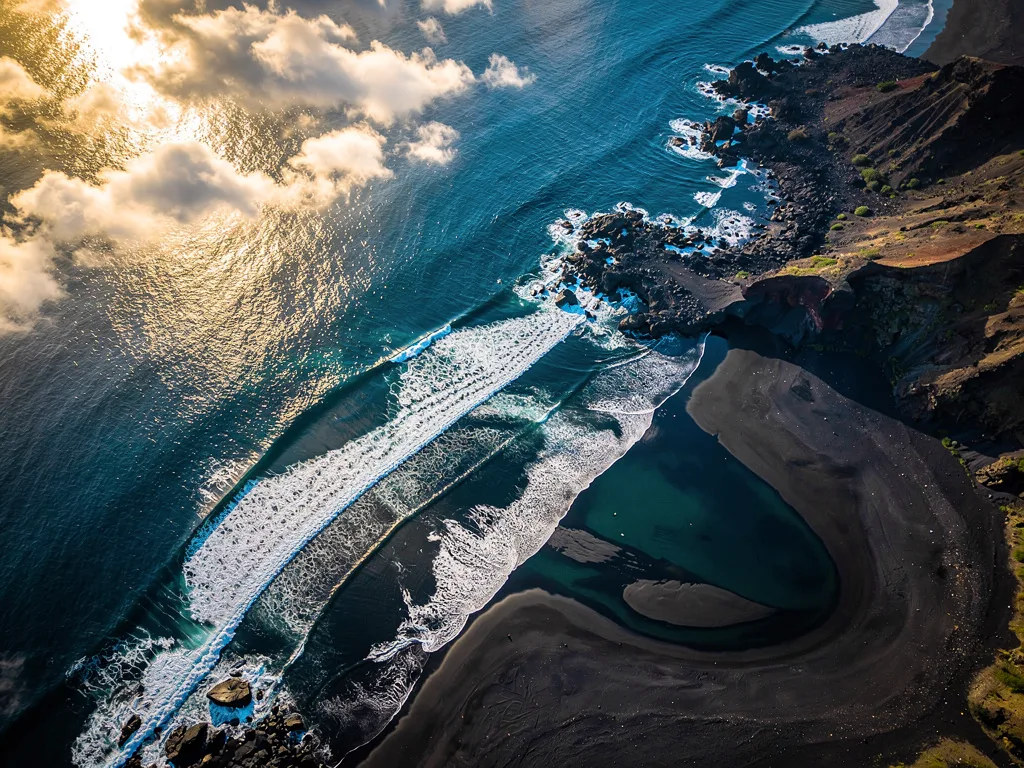
Nestled on the Pacific coast of Central America, El Salvador is a hidden gem for anglers seeking thrilling encounters with powerful game fish without the crowds. While its neighbors often steal the spotlight, this compact nation offers world-class fishing in El Salvador, from explosive inshore battles with roosterfish to the deep-sea pursuit of marlin and sailfish. Whether you're casting from volcanic black-sand beaches or venturing offshore, the "Land of Volcanoes" promises an authentic and rewarding fishing adventure.
This comprehensive guide covers everything you need to plan your trip: from understanding El Salvador fishing regulations and finding the best charters to discovering the top spots and practical travel advice. Let's dive in.
01Understanding Fishing Licenses and Regulations in El Salvador
Before packing your tackle, the first question for any international angler is about legal requirements. Navigating foreign fishing laws is crucial for a hassle-free trip.
Do You Need a Recreational Fishing License in El Salvador?
Based on current regulations and local practice, recreational anglers fishing from the shore (surfcasting) or from a private, non-commercial vessel do not typically need to obtain a separate individual fishing license. The primary regulatory focus is on commercial and artisanal fishing operations.
However, this comes with critical caveats:
* Charter Operations: If you book a fishing charter or guided tour, the vessel's operator or company is responsible for holding the necessary commercial fishing permits and authorizations. When you book a trip, the cost of these permits is almost always bundled into the charter fee. Your captain will have the paperwork covered.
* Protected Areas: Fishing is strictly prohibited within marine protected areas, such as the Los Cóbanos Reef Marine Natural Area. Always confirm with your guide or charter captain where you are allowed to fish.
* Species-Specific Rules: El Salvador's fishing laws, governed by the *Ley General de Ordenación y Promoción de Pesca y Acuicultura* (General Law for the Regulation and Promotion of Fishing and Aquaculture), include regulations on minimum catch sizes, seasonal closures for certain species (to protect spawning), and gear restrictions. Responsible anglers and reputable charters will adhere to these to conserve fish stocks.
Tip: Always confirm the latest requirements with your chosen fishing charter or guide before your trip. Regulations can change, and local captains are the most up-to-date source of information.
Official Authority and Key Regulations
The governing body for fishing in El Salvador is the Ministry of Agriculture and Livestock (Ministerio de Agricultura y Ganadería - MAG). The specific regulations are outlined in the General Fisheries Law and its regulations.
Key rules every angler should know include:
* Respect Size and Bag Limits: There are minimum size limits for many popular species to ensure they have a chance to reproduce. For example, there are restrictions on the size of snapper and grouper that can be kept.
* Know the Closed Seasons: Certain species have closed seasons (vedas) during their peak spawning periods. These dates can be adjusted annually based on biological studies.
* Use Legal Gear: The use of illegal fishing gear, such as gillnets in certain areas or explosives, is strictly forbidden.
* Practice Catch and Release: While not always mandated by law, catch and release is highly encouraged, especially for billfish and other trophy species, to ensure the fishery's future.
02The Best Fishing Spots and Experiences in El Salvador
This is where El Salvador truly shines. The country's Pacific coastline is a fertile highway for migratory species, while its inshore waters are rich with structure-hugging predators. Prepare to make unforgettable memories.
Inshore and Surf Fishing: The Heart of Salvadoran Angling
The volcanic geology creates dramatic drop-offs and structure close to shore, making inshore fishing exceptionally productive. You don't always need a boat to experience incredible action.
* La Libertad & The Coastline: The pier at La Libertad and the surrounding rocky coastline are legendary for surfcasting. Anglers here target powerful roosterfish, which patrol the shorelines in search of baitfish. The fight of a roosterfish, with its iconic dorsal fin slicing through the water, is a bucket-list experience. You can also hook into corvina, various snapper species, and even jack crevalle from the beach.
* Los Cóbanos: This area on the western coast is famous for its coral reef system (the only one in Central America's Pacific). While the core reef is protected, the surrounding waters offer phenomenal inshore fishing. Using live bait or lures near the rocky points can yield cubera snapper, grouper, and the thrilling amberjack.
Offshore Deep Sea Fishing: The Big Game Playground
Venturing 15-30 miles offshore, you enter the realm of big game fishing. The deep waters of the Pacific drop off relatively close to El Salvador's coast, providing quick access to the blue water.
* The Species: The primary targets are sailfish and blue marlin, which are abundant in these waters from November through April. Dorado (mahi-mahi) are plentiful year-round, especially around floating debris, and provide spectacular aerial displays and fantastic table fare. Yellowfin tuna also make a strong showing, often found with porpoise schools.
* The Experience: A typical offshore trip departs before dawn from ports like La Libertad or Acajutla. The boats, usually in the 28-36 foot range, are equipped for trolling with dredges, teasers, and rigged baits. The anticipation builds as you watch the spread, waiting for the shout of "Sailfish!" or the violent strike of a marlin. It's an adrenaline-packed day on the open ocean.
A Special Highlight: Tarpon Fishing on the Río Lempa
While El Salvador is primarily a Pacific destination, it holds a unique surprise for anglers: Atlantic tarpon. The mighty Río Lempa, the country's largest river, has a population of these ancient, air-breathing leviathans. These landlocked tarpon, likely descendants of fish that crossed via the Panama land bridge centuries ago, offer a unique freshwater tarpon fishing experience. Targeting them involves using heavy tackle, live bait (like sardines), or large streamers in the river's deep pools and channels. It’s a rare opportunity to battle the "Silver King" in a completely unexpected setting.
🎣 Fishing tours in El Salvador — Book guided fishing tours with local experts for inshore, offshore, or tarpon adventures.
03Guided Trips and Charter Boats: Your Gateway to Success
For the best experience—especially for offshore game fish or targeting tarpon—booking a guided trip or charter is highly recommended. Local captains possess invaluable knowledge of the currents, fish movements, and techniques that work best in their waters.
Types of Fishing Charters Available
* Offshore Sportfishing Charters: These are the full-day trips targeting billfish, tuna, and dorado. They typically include all tackle, bait, drinks, and often lunch. A captain and mate will work together to put you on the fish.
* Inshore & Nearshore Panga Trips: For a more intimate and often more affordable experience, you can hire a local *panga* (a sturdy, open fishing boat) for a half-day or full-day trip. These are perfect for fishing the rocky points for roosterfish, snapper, and jack crevalle. They are nimble and can access shallow areas larger boats cannot.
* Tarpon Fishing Guides: Specialized guides with local knowledge of the Río Lempa's pools and tarpon behavior are essential for this unique fishery. They provide the specific heavy tackle needed.
What to Expect and Price Ranges
Prices vary based on the boat size, duration, and target species. All prices are typically quoted in US Dollars (USD), the official currency of El Salvador.
| Charter Type | Duration | Approx. Cost (USD) | Approx. Cost (EUR) | What's Typically Included |
| :--- | :--- | :--- | :--- | :--- |
| Shared Offshore Trip | Full Day (8h) | $200 - $300 per person | €185 - €280 | Tackle, bait, drinks, snacks, captain & mate |
| Private Offshore Charter | Full Day (8h) | $1,200 - $1,800 (for entire boat) | €1,110 - €1,670 | All of the above, plus often lunch, exclusive use |
| Inshore Panga Trip | Half Day (4-5h) | $150 - $250 (for 1-2 anglers) | €140 - €230 | Tackle, bait, water, local guide/captain |
| Tarpon Guide Trip | Full Day (8h) | $250 - $350 (for 1-2 anglers) | €230 - €325 | Specialized heavy tackle, bait, guide, boat |
Tip: When comparing quotes, always ask what is *not* included. Common extras can be hotel transfers, fishing licenses (if applicable), and gratuities for the crew (15-20% is customary for good service).
🚤 Charter fishing in El Salvador — Find and book charter boats with experienced captains.
04Planning Your Fishing Trip to El Salvador: Practical Travel Guide
A little planning goes a long way in ensuring your fishing adventure is smooth and enjoyable from start to finish.
Getting There and Visa Requirements
* International Flights: The main gateway is Monseñor Óscar Arnulfo Romero International Airport (SAL), located about 40 km (25 miles) south of the capital, San Salvador. It receives direct flights from major hubs in the US (Houston, Dallas, Miami, Los Angeles), Mexico City, and Panama City.
* Visas: El Salvador has very accessible entry requirements. Citizens of the United States, Canada, the European Union, the United Kingdom, Australia, Japan, and many other countries can enter visa-free for tourism purposes for stays up to 90 days. Your passport must be valid for at least six months beyond your arrival date. Always verify your specific nationality's requirements with the nearest Salvadoran consulate before travel.
Best Time to Visit for Fishing
El Salvador has a tropical climate with two distinct seasons:
* Dry Season (November to April): This is the peak season for fishing and tourism. The seas are generally calmer, skies are sunny, and this period coincides with the best runs of sailfish and marlin. It's also the most popular time for tourists, so book charters and accommodation well in advance.
* Rainy Season (May to October): Mornings are often sunny with afternoon rain showers. Seas can be choppier, but fishing remains excellent. Dorado and yellowfin tuna are plentiful, and inshore fishing for roosterfish and snapper is consistent. This season offers lower prices and fewer crowds.
Where to Stay: Accommodation Options
Your choice of base depends on your priorities.
* La Libertad: The epicenter of Salvadoran fishing. This bustling port town has a range of hotels, hostels, and guesthouses catering to surfers and anglers. Staying here puts you steps from the pier and charter boats.
* El Sunzal / El Tunco: These nearby beach towns are famous for surfing and offer a more laid-back vibe with boutique hotels, surf camps, and restaurants. They are a short drive (15-20 min) from La Libertad's fishing action.
* San Salvador: The capital city is about a 45-60 minute drive from the coast. It offers the widest range of international hotels, from luxury chains to budget options. Ideal if you want a mix of city culture and fishing day trips.
🏨 Accommodation near fishing spots in El Salvador — Find hotels and lodges close to the best waters.
Language, Currency, and Other Essentials
* Language: Spanish is the official language. English is not widely spoken outside of major tourist hotels and some charter operations. Learning basic Spanish phrases is immensely helpful and appreciated. Using a translation app on your smartphone is highly recommended.
* Currency: The official currency is the US Dollar (USD). This makes transactions extremely easy for American visitors. Some small towns and local markets may still use the old Salvadoran colón, but USD is universally accepted. Credit cards are accepted at larger hotels, restaurants, and charter companies, but always carry cash for smaller purchases, tips, and local transport.
* Getting Around: For maximum flexibility, especially if exploring different fishing spots, renting a car is a good option. Alternatively, affordable private drivers and taxis are readily available. Ride-hailing apps like Uber operate in San Salvador and to/from the airport.
Tackle and Gear Recommendations
You can bring your own gear, or rely on the quality equipment provided by most charters. If bringing your own:
* Inshore: A medium-heavy spinning or baitcasting rod (7-8 ft) with a 4000-6000 size reel, spooled with 30-50 lb braided line. Bring a selection of poppers, stickbaits, and jigs.
* Offshore: Heavy-duty stand-up rods and reels (50-80 lb class) are standard for trolling. Charters provide this, but enthusiasts may bring their own.
* Tarpon: Extra-heavy baitcasting or conventional gear capable of handling 100+ lb fish and strong river currents.
🛒 Fishing equipment for El Salvador — Find the right gear for your trip.
05Frequently Asked Questions (FAQ) about Fishing in El Salvador
1. Do I really not need a fishing license as a tourist?
For recreational fishing from shore or a private boat, a personal license is generally not required. If you book a charter, the operator's commercial permit covers you. However, always confirm with your guide and respect all protected areas and species regulations.
2. What is the most popular fish to catch in El Salvador?
The most sought-after species are roosterfish for inshore anglers and sailfish for offshore enthusiasts. The explosive fight of a roosterfish and the acrobatic displays of a sailfish are the iconic Salvadoran fishing experiences.
3. How much does a fishing charter cost in El Salvador?
Costs vary. A full-day private offshore charter for marlin and sailfish can range from $1,200 to $1,800 USD (€1,110 - €1,670) for the entire boat. More affordable options include shared offshore trips (~$200-$300 USD/person) or half-day inshore panga trips (~$150-$250 USD for 1-2 people).
4. What is the best month to go fishing in El Salvador?
For the best overall weather and peak billfish action, visit during the dry season from November to April. However, excellent fishing for tuna, dorado, and roosterfish is available year-round.
5. Is El Salvador safe for tourists?
El Salvador has made significant strides in improving security. Tourist areas, including the beaches and fishing towns, have a visible police presence and are generally safe for visitors. As with travel anywhere, it's important to exercise common sense: don't flash expensive jewelry or electronics, be aware of your surroundings, and use reputable transportation and tour operators.
6. Can I eat the fish I catch?
Absolutely. Many species, like dorado (mahi-mahi), yellowfin tuna, and corvina, are excellent table fare. Your charter captain can often recommend a local restaurant (*cevichería*) that will prepare your fresh catch for you for a small fee—a true farm-to-table (or rather, sea-to-table) experience.
7. Do I need any vaccinations?
No specific vaccinations are required for entry from most countries. However, it is always wise to be up-to-date on routine vaccinations (like Hepatitis A and Typhoid) and to consult with a travel medicine doctor before your trip.
06Conclusion: Your Salvadoran Fishing Adventure Awaits
El Salvador offers the adventurous angler a rare combination: world-class, uncrowded fishing grounds, a rich variety of powerful species, and an authentic cultural experience, all at a very accessible price point. From the adrenaline of a double hookup on sailfish to the raw power of a beach-bound roosterfish, the memories you make here will last a lifetime.
The friendly locals, stunning volcanic landscapes, and delicious cuisine are the perfect complement to days spent on the water. With the practical information in this guide, you're ready to start planning your journey to this Pacific paradise.
07Sources & Further Links
*Disclaimer: Fishing regulations, travel requirements, and prices are subject to change. The information in this article is provided for general guidance as of 2026. Always verify current rules with official authorities (like the Ministerio de Agricultura y Ganadería) and your service providers before your trip. The author and Fishing World Guide are not responsible for any actions taken based on this information.*
Recommended tours
Fishing trips in El Salvador
Curated tours & charters with price and click data from our partner dashboards.
 FishingBooker
CENTER CONSOLE Full Day
 FishingBooker
Casa Del Golfo Fishing Lodge – Kayak Fishing
FishingBookerCasa Del Golfo, Fishing Lodge
Don't miss any fishing tips!
Get the best fishing destination recommendations weekly in your inbox.
No spam. Unsubscribe anytime.
Read more
Data incorrect?
Help us keep this article up to date — report outdated or incorrect information
More articles