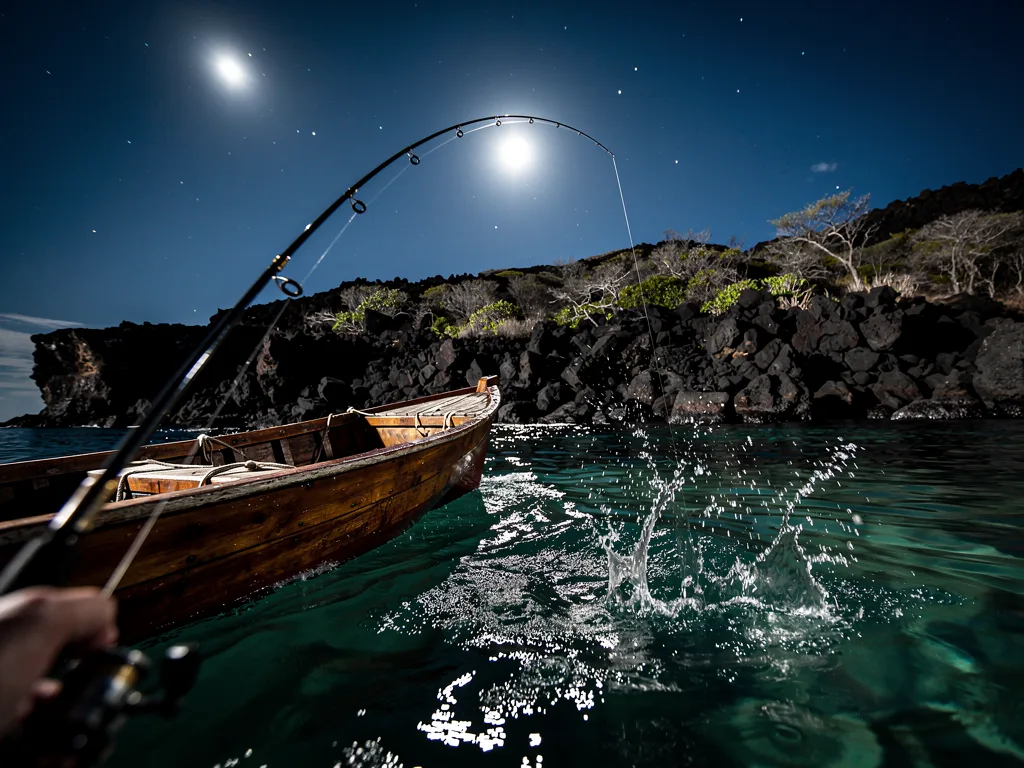
Imagine trolling for blue marlin in the shadow of a volcanic island, or casting for peacock bass deep in the Amazon rainforest while scarlet macaws shriek overhead. Fishing in Ecuador delivers exactly this kind of sensory overload — a country straddling the equator where biodiversity goes off the charts both above and below the water. Best of all, for recreational anglers visiting as tourists, there is no fishing license required. Ecuador is one of the rare destinations in the world where you can simply arrive, grab a rod, and fish legally without navigating a bureaucratic maze.
From the marlin-rich Pacific coast around Salinas and Manta to the mysterious black-water tributaries of the Amazon near Tena, Ecuador packs an extraordinary variety of fishing experiences into a compact territory. This complete guide covers everything you need to plan your fishing trip to Ecuador in 2026: regulations, the best fishing spots, charter options, costs, and practical travel advice for international anglers.
01Do You Need a Fishing License in Ecuador?
Here is the good news: recreational fishing in Ecuador does not require a personal fishing license for tourists or visiting anglers. This is a genuine advantage over most countries and makes Ecuador particularly attractive for spontaneous fishing experiences.
However, there are important nuances to understand:
The governing authority for fisheries in Ecuador is the Vice Ministry of Aquaculture and Fisheries, under the Ministry of Production, Foreign Trade, Investment and Fisheries (MPCEIP). Their website is www.produccion.gob.ec. For the most current information, always check with local guides or charter operators before your trip, as regulations are evolving.
Tip: Regulations in Ecuador are actively developing, particularly around marine mammal protection and sustainability. Always confirm current rules with your charter operator before departure. Your guide will know the latest.
02Fishing Regulations & Closed Seasons
While you don't need a personal license, Ecuador's fisheries are governed by real rules that responsible anglers should respect:
Closed Seasons (Vedas)
Ecuador enforces seasonal fishing bans (*vedas*) for certain species to protect breeding populations:
Protected Species
Ecuadorian law takes marine mammal and sea turtle protection very seriously. Intentional interaction with marine mammals, sea turtles, or whale sharks is classified as a serious offense. This is especially relevant in Galápagos waters. As a sport angler, simply practice responsible catch-and-release and follow your guide's instructions.
Galápagos Restrictions
Fishing in Galápagos waters is subject to strict controls. The Marine Reserve has its own governance framework, and the entry of certain items and bait into the archipelago is restricted by quarantine regulations. Only artisanal fishing by licensed local fishermen and regulated commercial operations are permitted within the reserve's core zones. Sport fishing charters operate in designated areas under permit.
Tip: If you plan to fish the Galápagos, always book with a licensed operator who knows the Marine Reserve boundaries and regulations inside out.
03The Best Fishing Spots in Ecuador
This is where Ecuador truly shines. Few countries on earth offer such a dramatic contrast of fishing environments within a few hours' travel of each other.
1. Salinas & the Pacific Coast
The stretch of Pacific coastline between Montañita and Salinas in the Santa Elena province is arguably Ecuador's premier big-game fishing destination. This is where the Humboldt Current meets warmer tropical waters, creating a nutrient-rich upwelling that attracts massive concentrations of pelagic fish.
Expect to encounter:
The Salinas waterfront has a well-developed marina infrastructure, with charter boats departing daily during the season. The deep blue water lies just 15–20 km (9–12 miles) offshore, meaning you are into the action quickly.
2. Manta
Ecuador's largest fishing port, Manta is a serious hub for sport fishing on the Pacific. The city has deep-rooted fishing culture — this is where Ecuador's tuna fleet calls home. For visiting anglers, Manta offers excellent access to the same offshore grounds that produce some of the Pacific's finest yellowfin tuna, marlin, and sailfish fishing. The local charter infrastructure is well-developed, with experienced captains who know these waters intimately.
3. The Galápagos Islands
Fishing near the Galápagos archipelago is a bucket-list experience unlike anything else on the planet. The island chain sits atop one of the most biodiverse marine ecosystems on earth, and the fishing reflects that abundance. Over 450 species of fish inhabit these waters, with around 17% found nowhere else on the planet.
Target species in Galápagos waters include:
Fishing here demands working with a reputable operator familiar with the Marine Reserve regulations. Day rates are significantly higher than the mainland, reflecting both the remoteness and the extraordinary experience. Expect to pay around $1,500 USD (€1,380 / approximately $1,500) per day for a fully equipped boat for up to four anglers, including all tackle, meals, and drinks.
4. Puerto López & Machalilla National Park
Puerto López, a small coastal town in Manabí province, is a charming base for inshore fishing with a backdrop of one of Ecuador's most beautiful coastlines. The nearby Machalilla National Park protects a rich marine environment, offering excellent fishing for grouper, snapper, and other reef species. The national park is also famous for humpback whale watching from June to September — combine both for an unforgettable marine adventure.
5. Tena & the Amazon Basin
Here is where Ecuador's fishing story takes a dramatic turn. Journey inland from the Andes and descend into the Amazon rainforest near Tena in Napo Province, and you enter a completely different world. The rivers and tributaries here hold remarkable freshwater fishing, including:
Amazon fishing expeditions typically operate out of jungle lodges, with guides who combine deep ecological knowledge with expert angling skills. These multi-day expeditions are as much about experiencing the rainforest as they are about the fishing itself.
🎣 Fishing tours in Ecuador — Book guided fishing tours with local experts.
04Fishing Techniques in Ecuador
Offshore Trolling (Pacific Coast)
The dominant technique along the Pacific is trolling, where artificial lures, rigged bait, or a combination are dragged behind a moving boat at speed. This covers large areas of open water and is devastatingly effective for marlin, sailfish, tuna, and wahoo. Your charter captain will set up the spread — just hold on when something big strikes.
Bottom Fishing (Inshore & Reef)
For grouper, snapper, and other reef species near Machalilla or along rocky coastal structure, bottom fishing with baited rigs is the standard approach. It is accessible to anglers of all experience levels and consistently productive.
Fly Fishing (Amazon & Highland Rivers)
Fly fishing in the Amazon for peacock bass is a genuinely thrilling pursuit, requiring accurate casting into tight jungle windows. Larger streamers that mimic small baitfish work best. Some highland rivers in Ecuador also offer trout fishing in beautiful Andean scenery.
Live Bait & Spinning (Amazon)
In the Amazon basin, spinning with artificial lures and live bait fishing are both highly effective. Peacock bass respond aggressively to topwater lures at dawn and dusk — few fishing moments compare to watching a large peacock bass explode on the surface.
05Fishing Seasons: When to Visit Ecuador
Best Overall Season
The peak sport fishing season on Ecuador's Pacific coast runs from July to October, when the Humboldt Current is at its strongest and big-game species are most concentrated near the surface.
Monthly Breakdown
| Month | Pacific Coast | Galápagos | Amazon |
|-------|--------------|-----------|--------|
| January–March | Good (calmer seas) | Good | Excellent |
| April–June | Fair (transition) | Fair | Excellent |
| July–October | Best (peak season) | Best | Good |
| November–December | Good | Good | Good |
For anglers from the Southern Hemisphere: Ecuador's peak big-game season (July–October) falls during your winter months — a perfect time to escape cold weather and chase trophy fish in tropical sunshine.
06Fishing Charter Costs & What's Included
Ecuador offers good value compared to fishing destinations in the Caribbean or Central America, though Galápagos charters command premium prices.
Price Overview (2026)
| Charter Type | Duration | Price (USD) | Price (EUR) |
|---|---|---|---|
| Budget inshore half-day | 4 hours | $98–$200 per person | €90–€185 |
| Full-day Pacific coast charter | 8–10 hours | $800–$1,500 per boat | €740–€1,380 |
| Galápagos full-day | 8–10 hours | ~$1,500 per boat | ~€1,380 |
| Amazon fishing expedition | 5–15 days | $1,998–$8,741 total | €1,840–€8,060 |
| Hourly boat rental | Per hour | ~$270 per hour | ~€250 |
Most full-day Pacific coast charters include:
Compare: A full-day Pacific coast charter at $1,500 for a group of four works out to $375 per person — roughly the cost of a good restaurant dinner with wine for two in a Western European city, for an entire day of world-class big-game fishing.
Booking Resources
Platforms such as FishingBooker, Viator, Captain Experiences, and GetMyBoat all list verified Ecuador charters with real-time availability and transparent pricing. For Galápagos-specific trips, operators like Galápagos Sport Fishing (galapagosfishing.com) specialise in arranging full packages including accommodation, transfers, and multiple days on the water.
For the Puerto López and Manabí coast, Machalilla Tours (tel. 05/2300-234) operates sport fishing charters and can be contacted directly.
🚤 Charter fishing in Ecuador — Find and book charter boats with experienced captains.
07Practical Travel Information for International Anglers
Getting to Ecuador
Most international visitors fly into Quito (Mariscal Sucre International Airport) or Guayaquil (José Joaquín de Olmedo International Airport). Guayaquil is the closer hub for Pacific coast fishing destinations like Salinas and Manta. Direct flights are available from major hubs in the Americas and Europe.
From Guayaquil:
For the Amazon region near Tena, fly into Quito and drive or take a bus (~3.5 hours) east through the Andes.
For the Galápagos, domestic flights depart from Quito or Guayaquil to Baltra Island or San Cristóbal Island (approximately 2 hours flying time).
Visa Requirements
Ecuador maintains one of the most open visa policies in South America. Citizens of the following nationalities can enter without a visa for tourism stays typically up to 90 days:
You will need:
Always verify current entry requirements at the US State Department Ecuador page or your country's foreign ministry before travelling.
Currency
Ecuador uses the US Dollar (USD) as its official currency — an enormous convenience for travellers from most countries. There is no currency exchange hassle for US visitors, and the exchange rate is transparent for everyone else.
Language
Spanish is the official language. In fishing and tourism contexts:
Key fishing phrases in Spanish:
Health & Safety
What to Pack
Charters provide all fishing tackle and bait. You need to bring:
🏨 Accommodation near fishing spots in Ecuador — Find hotels and lodges close to the best waters.
08Fishing Equipment: What to Bring vs. What's Provided
In virtually all Ecuador fishing scenarios, your charter operator provides all tackle and bait. You do not need to bring rods, reels, lures, or terminal tackle for saltwater charters. Amazon lodge packages also typically include fishing gear.
If you prefer to fish with your own gear, note that:
🛒 Fishing equipment for Ecuador — Find the right gear for your trip.
09Special Considerations: Galápagos Fishing
The Galápagos deserves its own section because fishing here operates under a completely different regulatory framework than the Ecuadorian mainland.
Key Points for Galápagos Fishing
10Frequently Asked Questions About Fishing in Ecuador
Do I need a fishing license to fish in Ecuador as a tourist?
No. Recreational fishing in Ecuador does not require a personal fishing license for tourists. However, permits may be required for fishing in protected waters like the Galápagos Marine Reserve — your licensed charter operator handles these. Always confirm current rules with your operator, as regulations are subject to change.
What is the best time of year to fish in Ecuador?
The peak big-game fishing season on the Pacific coast and around the Galápagos is July to October, when the Humboldt Current is strongest and species like marlin, sailfish, and tuna are most abundant. Conditions are calmer December to May. Amazon freshwater fishing is excellent year-round, peaking June to November during lower water levels.
What species can I catch in Ecuador?
In saltwater: blue, black, and striped marlin, Pacific sailfish, yellowfin and bigeye tuna, mahi-mahi, wahoo, grouper, and snapper. In the Amazon: peacock bass, arapaima, red-tailed catfish, piraíba, piranha, and various dorado species.
How much does a fishing charter in Ecuador cost?
Full-day Pacific coast charters typically cost $800–$1,500 USD (€740–€1,380) for the whole boat (up to 4 anglers), including tackle, bait, and meals. Galápagos charters run around $1,500 per day. Budget half-day trips start from around $98 per person. Multi-day Amazon fishing expeditions range from $2,000 to $8,700 depending on duration and lodge standard.
Can I keep the fish I catch in Ecuador?
Generally yes, within reasonable limits for personal consumption. However, catch-and-release is strongly encouraged for billfish (marlin, sailfish) and is often required in Galápagos waters. Your charter captain will advise on what is appropriate and legal.
Is fishing in the Galápagos Islands allowed for tourists?
Sport fishing is permitted in the Galápagos but only in designated areas and with a properly licensed operator who holds Marine Reserve fishing permits. Independent fishing within the reserve is not permitted. Biosecurity regulations also govern what gear and bait you can bring.
What language do charter captains speak in Ecuador?
Most charter captains and guides in major tourist fishing areas (Salinas, Manta, Galápagos, Amazon lodges) speak English or have English-speaking crew. Away from tourist infrastructure, Spanish is the working language. Download a translation app and learn a few key Spanish phrases.
Do I need any vaccinations to go fishing in Ecuador?
Yellow fever vaccination is recommended and may be required for the Amazon region. Hepatitis A and typhoid vaccinations are also commonly advised. Consult a travel health professional well before your trip.
11Conclusion: Ecuador — A Fishing Paradise Waiting to Be Discovered
Ecuador is one of those rare destinations that delivers genuine fishing thrills across dramatically different environments — all within a relatively compact, accessible country. The combination of no fishing license requirement for recreational anglers, world-class offshore big-game fishing off Salinas and the Galápagos, and extraordinary Amazon freshwater adventures makes Ecuador exceptionally compelling for international fishing travellers.
Add the practical advantages — the US dollar currency, straightforward visa access for most nationalities, well-developed charter infrastructure, and outstanding value compared to Caribbean or North American equivalents — and it becomes clear why Ecuador is climbing the ranks of must-visit fishing destinations worldwide.
Whether you are chasing your first Pacific sailfish, searching for a giant arapaima in a remote jungle river, or simply want to spend a beautiful day on the water watching blue-footed boobies dive around your boat in the Galápagos, Ecuador has a fishing experience perfectly matched to your ambitions.
Start planning your Ecuador fishing adventure today.
12Sources & Further Links
*Disclaimer: The information in this article was researched and compiled in 2026 and is intended as a general guide for international anglers planning a fishing trip to Ecuador. Fishing regulations, permit requirements, closed seasons, and charter prices can change without notice. Always verify current rules and requirements with the Ecuadorian Vice Ministry of Aquaculture and Fisheries (www.produccion.gob.ec), the Instituto Nacional de Pesca (www.institutopesca.gob.ec), and your local charter operator before fishing. FishingWorldGuide.com accepts no liability for decisions made based on this information. Fish responsibly, respect protected species and areas, and follow catch-and-release best practices wherever possible.*
Recommended tours
Don't miss any fishing tips!
Get the best fishing destination recommendations weekly in your inbox.
No spam. Unsubscribe anytime.
Data incorrect?
Help us keep this article up to date — report outdated or incorrect information
More articles