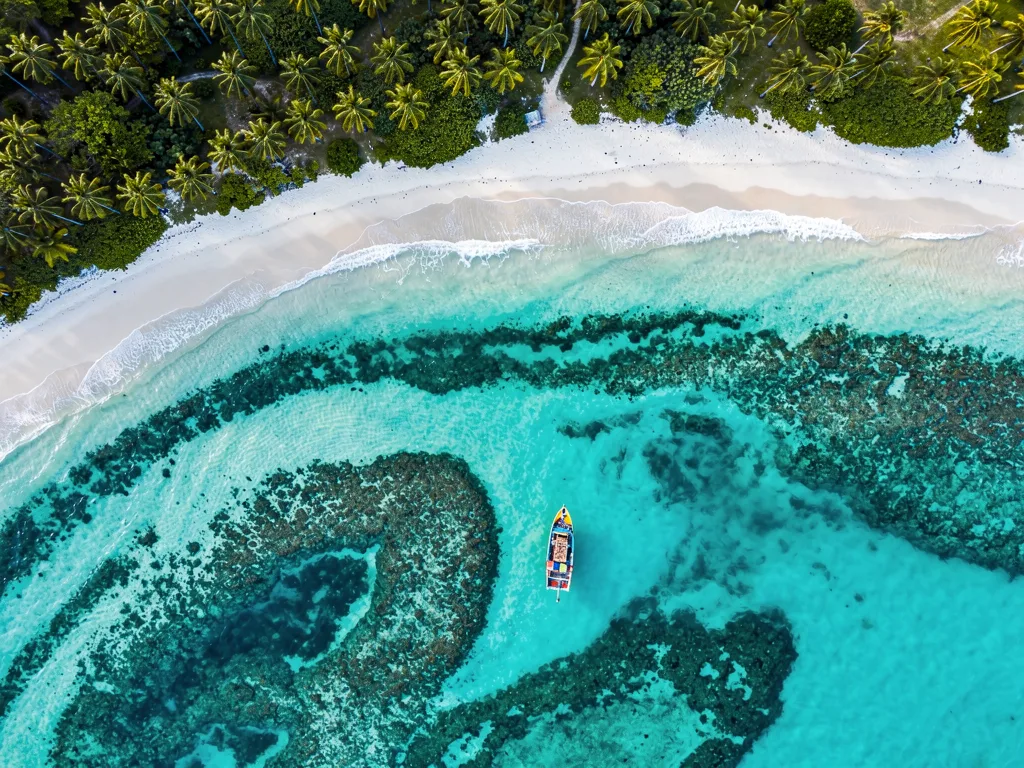
Imagine casting your line into the warm, turquoise waters of the Caribbean, with the silhouette of lush green mountains on the horizon. The Dominican Republic, occupying the eastern two-thirds of the island of Hispaniola, isn't just a paradise for sun-seekers; it's a world-class destination for anglers. Whether you're dreaming of battling a giant blue marlin offshore, reeling in a vibrant mahi-mahi, or enjoying a relaxing day chasing snapper on a coral reef, fishing in the Dominican Republic offers an adventure for every skill level. This comprehensive guide will navigate you through everything you need to know, from securing the necessary permits to finding the perfect charter and planning the logistics of your tropical fishing trip.
01Do You Need a Fishing License in the Dominican Republic?
For the vast majority of recreational anglers visiting the Dominican Republic, the answer is simple: no, you do not need to obtain a personal recreational fishing license.
The regulatory body for fisheries is the *Consejo Dominicano de Pesca y Acuicultura* (CODOPESCA). According to their official resources and the services listed on their portal, the licenses they issue—such as the *Licencia de Pescadores* (Fisherman's License) and *Licencia de Explotación Pesquera* (Fishing Exploitation License)—are primarily aimed at commercial fishermen and operators, not tourists engaging in recreational fishing from a charter boat or the shore.
When you book a fishing charter or tour, the operator is responsible for having all the necessary commercial permits and licenses that cover their vessel and their clients' activities. You are essentially covered under their license. Your primary responsibility is to fish responsibly and adhere to the regulations set by your captain, who knows the local rules regarding catch limits, size restrictions, and protected species.
Important Tip: While a personal license isn't required for recreational angling with a charter, always confirm with your booked tour operator that their license is current and covers all passengers. Regulations can change, and this confirmation provides peace of mind.
02The Best Fishing Spots in the Dominican Republic
The Dominican Republic is blessed with a diverse coastline, from the calm, sheltered bays of the south to the deep Atlantic trenches of the north. This variety creates a playground for anglers, with different regions offering distinct experiences and target species.
Punta Cana & the East Coast: The Billfish Capital
This is arguably the most famous fishing region in the country, and for good reason. The waters off Punta Cana and the nearby town of La Romana benefit from the Mona Passage, a deep-water channel that funels nutrient-rich currents, attracting massive schools of baitfish and, in turn, the trophy predators that hunt them.
* The Experience: Fishing here is synonymous with world-class deep-sea and offshore angling. You'll head out into the deep blue Atlantic, often just a short run from the marina, in search of pelagic giants. The scenery is classic Caribbean: endless ocean vistas, often with the chance to spot humpback whales (from January to March) during your trip.
* Target Species: This is the heartland for blue and white marlin, sailfish, and spearfish. It's also exceptional for mahi-mahi (dorado), wahoo, and yellowfin tuna. Closer to shore, the reefs hold cubera snapper and grouper.
* Best For: Anglers seeking a trophy billfish catch, tournament-style fishing, and high-adrenaline battles with powerful pelagics.
Samaná Peninsula & the North Coast: Variety and Drama
The northern coast, particularly around the Samaná Peninsula, offers a more dramatic and varied landscape. Here, the Atlantic Ocean meets the coast with more force, creating excellent conditions for both offshore and inshore fishing.
* The Experience: Departing from towns like Samaná or Las Terrenas, you can be in the deep offshore canyons chasing marlin or fishing the rich reef systems closer to shore. The backdrop is stunning, with towering cliffs, secluded beaches, and the mangrove-lined bays of the Samaná Bay itself, a winter haven for humpback whales.
* Target Species: Excellent for blue marlin and white marlin. The reefs are teeming with mutton snapper, yellowtail snapper, grouper, and king mackerel. Inshore and river mouths can yield tarpon and snook.
* Best For: Anglers who appreciate dramatic scenery and want the option for both serious offshore pursuits and productive reef fishing in the same trip.
The South Coast (Santo Domingo, Boca Chica): Accessible Reef Fishing
The Caribbean Sea side of the island, particularly around the capital Santo Domingo and the resort area of Boca Chica, is known for calmer, warmer waters and vibrant coral reefs.
* The Experience: Fishing here is often more relaxed and accessible. Short boat trips take you to extensive reef systems and shipwrecks that act as artificial reefs. It's a fantastic area for family outings or anglers who prefer catching dinner over chasing record-book trophies.
* Target Species: A superb variety of reef fish, including yellowtail snapper, queen triggerfish, lionfish (an invasive species that is delicious to eat), grouper, and barracuda. Bottom fishing and light trolling are highly effective.
* Best For: Beginners, families, and anglers looking for a consistent, fun day of catching a wide variety of colorful reef species.
Lake Enriquillo: A Unique Freshwater Surprise
For a completely different experience, head inland to Lake Enriquillo, the largest lake in the Caribbean and one of the lowest points in the islands. This hypersaline lake is a unique ecosystem.
* The Experience: This is a true adventure off the beaten path. You'll fish from a local boat (often a simple wooden *yola*) in a stark, beautiful landscape surrounded by mountains and cacti. The fishing is raw and local.
* Target Species: The lake is famous for its huge American crocodiles, but anglers primarily target tilapia and the endemic Cyprinodon (a type of pupfish). It's less about sportfishing in the traditional sense and more about a unique cultural and natural experience.
* Best For: Adventurous anglers looking for a unique story and a break from saltwater.
03What Can You Catch? A Guide to Dominican Republic Fish Species
The waters here are a crossroads of the Atlantic and Caribbean, leading to incredible biodiversity.
* Billfish: Blue Marlin (peak season: March-July), White Marlin (peak: December-April), Sailfish (year-round, peaks in spring).
* Pelagic Speedsters: Mahi-Mahi/Dorado (excellent year-round, best in spring/fall), Wahoo (peak: November-February), Yellowfin Tuna (found offshore, often with spinner dolphins).
* Reef & Bottom Dwellers: A vast array of Snapper (Mutton, Yellowtail, Lane, Cubera), Grouper (Black, Red, Yellowfin), King Mackerel, Barracuda, and colorful species like Triggerfish and Parrotfish.
* Inshore & Other: Jack Crevalle, Tarpon (seasonal in rivers/bays), Bonefish (on specific flats, mainly in the south).
🎣 Fishing tours in Dominican Republic — Book guided fishing tours with local experts to target the species you dream of catching.
04Types of Fishing & Recommended Gear
Your technique will depend on your target.
1. Deep Sea/Offshore Trolling: The primary method for billfish, mahi-mahi, wahoo, and tuna. Heavy tackle (50-80 lb class rods and reels) with lures and rigged baits is standard. Charters provide all this specialized gear.
2. Reef & Bottom Fishing: Involves anchoring over a reef or wreck and fishing with bait (squid, cut fish, live bait) on the bottom or at mid-depths. Lighter spinning or conventional tackle (15-30 lb class) is used. Jigging and popping are also very effective.
3. Inshore Fishing: Using lighter spinning tackle or fly rods to target fish near shorelines, mangroves, and river mouths. This can involve sight-casting to jacks or using live bait for snook.
Most reputable charters provide all necessary rods, reels, tackle, bait, and licenses. If you prefer to bring your own gear, a versatile travel spinning rod (7ft, medium-heavy action) and a sturdy 4000-6000 size reel spooled with 20-30 lb braid will handle most inshore and light reef fishing. Always bring plenty of high-SPF sunscreen, polarized sunglasses, a hat, and motion sickness medication if needed.
05Guided Tours & Fishing Charters: Your Gateway to the Best Action
Booking a guided charter is the most effective and popular way to experience fishing in the Dominican Republic. Local captains possess generations of knowledge about the waters, currents, and fish behavior.
What to Expect on a Charter
A typical full-day offshore charter lasts 8 hours and includes:
* Captain and mate
* All tackle, bait, and licenses
* Drinks (water, sodas, beer) and often lunch
* Fishing for species like marlin, mahi-mahi, wahoo, and tuna
* Filleting your catch (many restaurants will cook your fish for you, a service known as "cook your catch").
Sample Charter Prices (2026)
Prices vary by location, boat size, and duration. Below are approximate costs.
| Trip Type | Duration | Approx. Cost (DOP) | Approx. Cost (EUR) | Approx. Cost (USD) |
| :--- | :--- | :--- | :--- | :--- |
| Shared Half-Day Reef Trip | 4 hours | 6,000 - 9,000 | €100 - €150 | $110 - $165 |
| Private Half-Day Inshore | 4-5 hours | 18,000 - 27,000 | €300 - €450 | $330 - $500 |
| Private Full-Day Offshore | 8 hours | 45,000 - 75,000+ | €750 - €1,250+ | $825 - $1,375+ |
| Luxury Sportfishing (60ft+) | 8 hours | 120,000+ | €2,000+ | $2,200+ |
Booking Tip: Always book in advance, especially during the peak season (December to April). Read reviews, ask for the captain's experience, and clarify exactly what is included in the price.
🚤 Charter fishing in Dominican Republic — Find and book the perfect charter boat with experienced, vetted captains.
06Practical Travel Information for Anglers
Getting There & Visas
The main international airports for fishing are Punta Cana (PUJ), Santo Domingo (SDQ), and Puerto Plata (POP). Most visitors from the US, Canada, EU, UK, Japan, Australia, and many other countries do not need a visa for stays under 30 days. You must purchase a tourist card (often included in your airfare) and have a valid passport. Always check the latest entry requirements with your country's foreign travel advisory before booking.
Best Time to Visit for Fishing
* For Billfish (Marlin/Sailfish): Peak season is March to July on the north and east coasts.
* For Mahi-Mahi & Wahoo: Excellent year-round, with wahoo peaks from November to February.
* For Tuna: Can be caught throughout the year offshore.
* Weather Consideration: The driest and most popular tourist season is from December to April. The hurricane season runs from June to November, with September and October being the most active months. Fishing can still be excellent during this greener, less crowded season, but be mindful of weather forecasts.
Language & Communication
Spanish is the official language. In major tourist areas and on charters catering to international clients, English is commonly spoken. Learning a few basic Spanish phrases (*¡Buenos días!*, *¿Cuánto cuesta?*, *¡Gracias!*) is always appreciated. A translation app on your phone can be very helpful.
Currency & Payments
The local currency is the Dominican Peso (DOP). As of early 2026, 1 EUR ≈ 60 DOP, and 1 USD ≈ 55 DOP. US dollars are widely accepted in tourist areas, but you'll often get a better price paying in pesos. Credit cards are accepted at hotels, larger restaurants, and charter companies, but always carry some cash for smaller purchases, tips, and local markets.
Where to Stay
Accommodation options range from all-inclusive resorts to private villas and boutique fishing lodges. For dedicated anglers, staying in a fishing-focused town like Cabo Rojo (near Lake Enriquillo), La Romana, or Bayahíbe can provide easier access to boats and local knowledge. In Punta Cana or Samaná, choose a hotel with good access to the marina you'll be departing from.
🏨 Accommodation near fishing spots in Dominican Republic — Find hotels, resorts, and lodges close to the best marinas and fishing grounds.
07Frequently Asked Questions (FAQ)
1. Is fishing in the Dominican Republic safe?
Yes, fishing with a licensed and reputable charter operator is very safe. Captains know the weather patterns and their boats are equipped with safety gear. As with any water activity, follow your captain's instructions.
2. Can I keep the fish I catch?
Yes, within regulations. Your captain will know the size and bag limits for different species. Many anglers practice catch-and-release, especially for billfish. For edible fish, the "cook your catch" experience at a local restaurant is a must-do.
3. What is the fishing season in the Dominican Republic?
Fishing is productive year-round. However, the prime time for most anglers is during the dry season from December to April, which also coincides with the peak for white marlin and wahoo. Blue marlin peak is later, in the spring and summer.
4. How much should I tip the captain and mate?
Tipping is customary and appreciated. A standard tip is 15-20% of the charter price, given directly to the captain to distribute to the mate. If the service was exceptional, a larger tip is always welcome.
5. Can I fish from the shore or beach?
Yes, you can fish from beaches, rock jetties, and river mouths. Be aware of local regulations and always prioritize safety (watch for currents, don't fish near swimmers). Success often comes with local knowledge, so asking a local for advice can be helpful.
6. What about freshwater fishing?
The main freshwater attraction is Lake Enriquillo, as mentioned. There are also some rivers and reservoirs where you can find tilapia and small snook, but saltwater fishing is the primary draw for visitors.
7. Are there any fishing tournaments I can participate in or watch?
Yes! The Dominican Republic hosts several prestigious international fishing tournaments, particularly in La Romana and Casa de Campo, often linked to the Master Angler series. These events are fantastic to watch even if you're not competing.
08Conclusion
From the adrenaline-pumping offshore hunts for marlin off Punta Cana to the serene, colorful reef fishing in the south and the unique adventure at Lake Enriquillo, the Dominican Republic is a fishing destination that truly has it all. The combination of abundant marine life, stunning natural beauty, expert local captains, and a vibrant culture makes for an unforgettable angling escape. With no recreational license needed for tourists and a straightforward booking process for charters, all that's left is to choose your target species, pick your perfect spot, and prepare for the fishing trip of a lifetime in the heart of the Caribbean.
Start planning your Dominican Republic fishing adventure today!
Sources & Further Links
Disclaimer: The information in this article is provided for general guidance as of March 2026. Fishing regulations, entry requirements, visa policies, and prices are subject to change. Always verify current rules and requirements with official sources (such as CODOPESCA for fisheries and your country's foreign travel advisory) before your trip. The author and FishingWorldGuide.com are not responsible for any actions taken based on this information.
Recommended tours
Fishing trips in Dominican Republic
Curated tours & charters with price and click data from our partner dashboards.
 FishingBooker
Fishing Machine Punta Cana
 FishingBooker
Fishing Machine Vitamin Sea
 FishingBooker
Big Marlin Charters Punta Cana
Don't miss any fishing tips!
Get the best fishing destination recommendations weekly in your inbox.
No spam. Unsubscribe anytime.
Read more
Data incorrect?
Help us keep this article up to date — report outdated or incorrect information
More articles