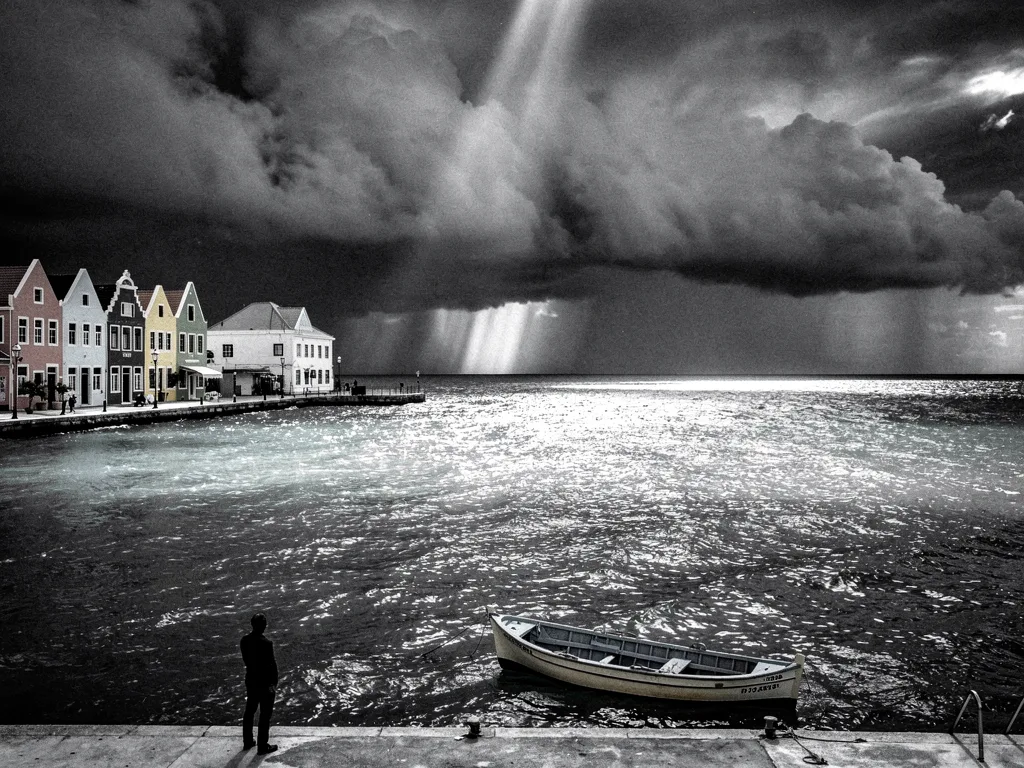
Picture yourself standing on a sun-drenched coral ledge, the turquoise waters of the southern Caribbean stretching endlessly before you, rod in hand — and not a single permit required. Fishing in Curaçao is one of the best-kept secrets in the Caribbean: a sun-soaked island of barely 444 km² (171 sq mi) that punches far above its weight when it comes to angling. From explosive offshore battles with blue marlin and wahoo to lazy afternoons bonefish stalking the flats, Curaçao offers world-class fishing wrapped in a package of warm weather, friendly locals, and Dutch-Caribbean charm.
Whether you are planning a dedicated fishing trip or simply want to squeeze a few days of angling into a beach holiday, this guide covers everything — regulations and permits (spoiler: shore fishing is free), the best fishing spots, species to target, charter options with prices, and all the practical travel information you need to make your trip a success.
01Do You Need a Fishing License in Curaçao?
One of the first questions international anglers ask is: *do I need a fishing permit for Curaçao?* The answer is refreshingly simple.
Shore Fishing — No Permit Needed
You do not need a permit or license to fish from shore in Curaçao. Shore fishing from public beaches, rocky coastlines, piers, and jetties is entirely free and accessible to anyone. There are no license fees, no paperwork, and no bureaucratic hoops to jump through. Simply bring your gear, find a public access point, and start fishing.
Tip: While all public areas are fair game, always respect private property boundaries. Resorts, private docks, and gated communities may have their own rules about access.
Fishing Charters — Permits Handled for You
If you book a guided fishing trip or charter boat, the operator takes care of all required licensing and permits on your behalf. You do not need to apply for anything separately — just show up, enjoy the trip, and let the professionals handle the paperwork.
No Catch Limits — But Conservation Matters
Curaçao currently has no official rules regarding the number or minimum size of fish you can catch in recreational fishing. This is generous by Caribbean standards, but it comes with an expectation of personal responsibility. The local sport fishing community operates by a clear unwritten code: take only what you intend to eat, release juveniles, and treat the ecosystem with respect.
Mandatory catch-and-release applies to all billfish — marlin and sailfish are always released, full stop. This is both a legal requirement and a point of pride among Curaçao's sport fishing community.
02Fishing Regulations You Must Know
While the licensing regime is relaxed, several firm rules protect Curaçao's marine environment. Breaking these can result in serious penalties.
Protected Species
Prohibited Methods
Marine Protected Areas (MPAs)
Curaçao has designated marine protected areas marked with buoys. Fishing within these boundaries is strictly prohibited. Before heading out, familiarise yourself with the buoy markers, especially if diving or snorkelling near popular reef sites.
Environmental Responsibility
Regulations also emphasise responsible waste disposal. Never leave fishing line, hooks, or packaging in or near the water. Monofilament in particular is lethal to seabirds and marine life.
Official Authority: Fishing regulations in Curaçao fall under the Division of Agriculture and Fisheries Management and the Division of Environment and Nature Management. For the most current regulations, contact these authorities or consult your charter operator before your trip.
03Best Fishing Seasons in Curaçao
Curaçao sits just 55 km (34 miles) north of Venezuela, well outside the main hurricane belt, which means fishing is possible year-round. However, two distinct peak seasons offer the widest variety of species and most reliable conditions:
| Season | Months | Best For |
|---|---|---|
| Peak Season 1 | April – July | Wahoo, mahi-mahi, sailfish, marlin, tuna |
| Peak Season 2 | September – December | Wahoo, billfish, barracuda, kingfish |
| Shoulder Season | January – March | Tuna, kingfish, shore fishing |
| Quieter Period | August | Hot and humid; still fishable |
Tip for Southern Hemisphere visitors: Unlike many destinations in the northern Caribbean that shut down during North Atlantic hurricane season (June–November), Curaçao's location keeps it largely safe from storms. You can plan your austral winter (June–August) trip with confidence.
04Top Fish Species in Curaçao
The waters around Curaçao sit on the edge of the Venezuelan continental shelf, creating an explosive mix of reef, deep water, and open-ocean habitat. Here is what you can target:
Offshore & Pelagic Species
Reef & Inshore Species
🎣 Fishing tours in Curaçao — Book guided fishing tours with local experts.
05Best Fishing Spots in Curaçao
Offshore Blue Water — The Drop-Off
The most dramatic feature of Curaçao's underwater geography is how quickly the seafloor plunges from the fringing reef to depths of 300–1,000+ metres (1,000–3,300+ ft). This underwater cliff, running almost the entire length of the island's south coast, concentrates baitfish — and everything that hunts them. Marlin, wahoo, and tuna patrol this edge, making offshore trolling along the drop-off consistently productive. The short distance from shore means you can be in blue-water territory within 15–20 minutes of leaving the marina.
Banda Abou (West End)
The western tip of Curaçao around Sint Christoffelberg and the coastline running south is a favourite for both boat and shore anglers. The combination of rocky headlands, deep water close to shore, and relatively few tourists makes for excellent king mackerel and barracuda fishing.
Spaanse Water (Spanish Water Bay)
This large inland lagoon on the southeast coast is one of the most beautiful fishing environments on the island. Its calm, protected waters hold bonefish, tarpon, and snappers. The mangrove edges are particularly productive at dawn and dusk. Kayak fishing here is superb — you can paddle silently through the mangroves and ambush fish in water that feels completely removed from the rest of the world.
Koredor and Jan Thiel Bay
The south coast around Jan Thiel offers accessible shore fishing from rocky outcrops and piers. Barracuda, jacks, and various reef fish are common catches. Local anglers fish here with simple rigs — watch what the locals are doing and you will learn fast.
North Coast (Windward Side)
The north coast faces the trade winds and is rougher than the south, but on calm days it offers exceptional shore fishing from dramatic rocky cliffs. The surge and white water attract barracuda and large jacks. Only experienced anglers comfortable with challenging terrain should attempt this coastline.
Boca Table and the Hato Area
Rocky bays and tide pools along the central north coast hold smaller species and are popular with local shore anglers. Easy walking access and no crowds make these spots ideal for a casual afternoon session.
06Guided Fishing Tours & Charters in Curaçao
Curaçao has a well-developed charter fishing industry catering to anglers of all experience levels. Whether you want a half-day inshore trip or a full-day deep-sea expedition, you will find professional operators based primarily at Willemstad's Spanish Water and various marinas along the south coast.
Types of Fishing Trips Available
Deep-Sea / Offshore Charter (Full Day)
The classic Curaçao fishing experience. A full-day trip (typically 8 hours) aboard a purpose-built sport fishing boat targeting marlin, wahoo, mahi-mahi, and tuna. Most operators troll along the drop-off and may explore specific underwater pinnacles known to hold big fish.
Half-Day Offshore Charter
A 4–5 hour version of the full-day trip, excellent for families or anglers with limited time. You will still get offshore, but typically spend less time covering ground.
Inshore / Reef Fishing
Targeting reef species like barracuda, snapper, and grouper. Often conducted by smaller boats close to shore. Excellent for beginners and children.
Fly Fishing — Bonefish & Permit
A growing niche in Curaçao. Specialist guides pole the flats of Spanish Water and other shallow areas in search of bonefish and permit. This is sight-fishing at its finest — technical, demanding, and incredibly rewarding.
Night Fishing
Some operators offer night trips targeting species that feed more actively after dark, including snapper and jacks around reef structures lit by moonlight.
Charter Prices in Curaçao (2026 Estimates)
| Trip Type | Duration | Price (ANG) | Price (USD approx.) | Price (EUR approx.) |
|---|---|---|---|---|
| Half-day offshore charter | 4–5 hours | ANG 800–1,200 | USD 450–675 | EUR 415–620 |
| Full-day offshore charter | 8 hours | ANG 1,600–2,500 | USD 900–1,400 | EUR 825–1,300 |
| Inshore/reef trip | 3–4 hours | ANG 500–900 | USD 280–500 | EUR 260–460 |
| Fly fishing guide (flats) | Half/full day | ANG 700–1,400 | USD 390–785 | EUR 360–720 |
*Note: ANG = Netherlands Antillean Guilder (Curaçao's currency). USD and EUR prices are approximate based on current exchange rates and should be used as a guide only.*
Tip: Most charter operators include all tackle, bait, and refreshments in the price. Confirm what is included before booking. Tips for the captain and crew (typically 15–20% of the trip cost) are customary and genuinely appreciated.
Notable Charter Operators
Several well-reviewed operators run out of Curaçao. Deckie Dirk (curacaofishing.com) is one of the most established names for offshore fishing, with a strong reputation for targeting marlin and wahoo. Fish Curacao and Fish Charter Curaçao also offer a range of trip types from inshore to deep-sea. When booking, look for operators listed on FishingBooker, which provides verified reviews and transparent pricing.
🚤 Charter fishing in Curaçao — Find and book charter boats with experienced captains.
07Shore Fishing in Curaçao — Fishing Like a Local
Do not underestimate shore fishing in Curaçao. Local anglers — called *vishers* in Papiamentu, the local language — have been pulling fish from these rocks and beaches for generations. With no permit required, this is the most accessible and spontaneous form of fishing on the island.
What to Expect
Rocky shorelines produce the best results for barracuda, jacks, and small grouper. Sandy beaches and sheltered bays are ideal for bonefish and permit on fly or light spinning tackle. The south coast is far calmer and more accessible than the north; beginners should start here.
Best Shore Fishing Setups
Local Tip: Ask locals or staff at fishing tackle shops in Willemstad what is biting and where. Curaçaoans are generally friendly and willing to share knowledge with respectful visitors.
08Fishing Equipment — What to Bring and Where to Buy
Bringing Your Own Gear
Most international visitors flying in can bring their own rods and reels as checked luggage (use a rod tube for protection). Reel up leaders and cut off hooks before packing — this avoids issues at customs. Terminal tackle (hooks, lures, weights) is best bought locally or packed in your checked bag, as rules on carrying sharp objects in hand luggage vary.
Buying Gear Locally
Willemstad has a small number of fishing and outdoor shops where you can buy basic tackle, line, and bait. Charter operators can usually supply everything you need for offshore trips, but if you are planning extensive shore fishing, bring your preferred setup from home as selection may be limited.
🛒 Fishing equipment for Curaçao — Find the right gear for your trip.
09Practical Travel Information for Curaçao
Getting There
Curaçao is served by Hato International Airport (CUR) in Willemstad, with direct flights from Amsterdam (KLM), Miami, New York, Toronto, Bogotá, and several other cities. Flying times:
Visa Requirements
Curaçao is an autonomous country within the Kingdom of the Netherlands. Entry requirements:
| Nationality | Visa Required? |
|---|---|
| EU / Schengen citizens | No visa — stay up to 90 days |
| US citizens | No visa — stay up to 90 days |
| UK citizens | No visa — stay up to 90 days |
| Canadian citizens | No visa — stay up to 90 days |
| Australian citizens | No visa — stay up to 90 days |
| Japanese citizens | No visa — stay up to 90 days |
| South African citizens | Visa required — check with Curaçao immigration authorities |
| Most Latin American nationalities | Generally visa-free; confirm with official sources |
Important: Always verify current entry requirements with the official Curaçao immigration authority or your country's embassy before travelling. Requirements can change.
Currency & Costs
Language
The official languages are Papiamentu, Dutch, English, and Spanish. English is very widely spoken in the tourism industry — you will have no trouble communicating. However, a few words in Papiamentu always go down well with locals:
Getting Around
Where to Stay
Curaçao offers a wide range of accommodation from luxury beach resorts to budget guesthouses and private villa rentals. For anglers, proximity to marinas and the south coast is ideal. Willemstad offers great access to charters and local culture. Spanish Water (Spaanse Water) area is ideal for inshore and flats fishing. The Jan Thiel and Santa Barbara Beach areas combine resort comforts with easy access to shore fishing spots.
🏨 Accommodation near fishing spots in Curaçao — Find hotels and lodges close to the best waters.
Health & Safety
10Costs Overview — Budget for Your Fishing Trip
| Expense | Budget Option | Mid-Range | Premium |
|---|---|---|---|
| Shore fishing | Free | Free | Free |
| Half-day charter | USD 450 | USD 550 | USD 675+ |
| Full-day charter | USD 900 | USD 1,150 | USD 1,400+ |
| Car rental (per day) | USD 35 | USD 55 | USD 85+ |
| Budget accommodation (per night) | USD 60 | USD 120 | USD 250+ |
| Meal at local restaurant | USD 10–15 | USD 20–35 | USD 50+ |
| Fishing tackle (basic shore kit) | USD 30–60 | — | — |
*A half-day offshore charter costs roughly the same as two nights in a mid-range hotel — excellent value for one of the Caribbean's premier sport fishing experiences.*
11FAQ — Fishing in Curaçao
Do I need a fishing license to fish in Curaçao?
No. Shore fishing in Curaçao requires no permit or license and is completely free. If you book a charter, the operator handles all permits for you. There are no license fees for recreational anglers.
What is the best time of year to fish in Curaçao?
The two main peak seasons are April–July and September–December. These months offer the widest variety of species and most consistent offshore conditions. Curaçao is fishable year-round thanks to its position outside the main hurricane belt.
Can I keep the fish I catch?
For most species, yes — though you are encouraged to practice catch-and-release for small fish and only keep what you plan to eat. Billfish (marlin, sailfish) must always be released. Sea turtles and egg-bearing lobsters must never be kept.
Is spearfishing allowed in Curaçao?
No. Spearfishing is prohibited in Curaçao with one exception: divers with specific permission may spear invasive lionfish, which is encouraged as a conservation measure.
Are fishing charters expensive in Curaçao?
Prices are comparable to other Caribbean destinations. A half-day offshore charter runs approximately USD 450–675 per boat (not per person), making it reasonable when shared among 2–4 anglers. Tackle and refreshments are typically included.
What species can I catch from shore in Curaçao?
Shore anglers commonly catch great barracuda, king mackerel, jacks, snappers, and various reef fish. Bonefish and permit are also accessible on the flats with light tackle or fly gear.
Is Curaçao suitable for beginner anglers?
Absolutely. The combination of no permit requirements, accessible shore spots, and professional charter operators who provide all equipment makes Curaçao one of the most beginner-friendly fishing destinations in the Caribbean.
Do I need to speak Dutch or Papiamentu to fish in Curaçao?
Not at all. English is very widely spoken in the tourism and charter fishing industry. Most charter captains and guides communicate fluently in English. Spanish is also widely understood.
12Conclusion
Curaçao is a fishing destination that genuinely delivers on its promise. No license required for shore fishing, outstanding offshore species including marlin and wahoo, world-class reef and flats fishing, and a warm Caribbean culture that welcomes anglers with open arms. Whether you are an experienced offshore angler chasing billfish along the drop-off or a first-timer wanting to dangle a line off a sun-drenched pier, this island has something for you.
The combination of year-round accessibility, relatively low permit barriers, professional charter infrastructure, and stunningly beautiful marine environments makes Curaçao one of the smartest fishing trips you can plan in the Caribbean. Pack your rods, book your flights, and get ready for some of the most memorable fishing of your life.
13Sources & Further Links
*Disclaimer: The information in this article is provided for general guidance only and reflects conditions as understood in 2026. Fishing regulations, permit requirements, charter prices, and visa rules can change without notice. Always verify current requirements with the official Curaçao Division of Agriculture and Fisheries Management, your charter operator, and the relevant immigration authorities before your trip. FishingWorldGuide.com accepts no liability for decisions made based on the information contained in this article.*
Recommended tours
Fishing trips in Curaçao
Curated tours & charters with price and click data from our partner dashboards.
 FishingBooker
YKnot Fishing Curacao APPROVED 45
 FishingBooker
YKnot Fishing Curacao Party Hooker
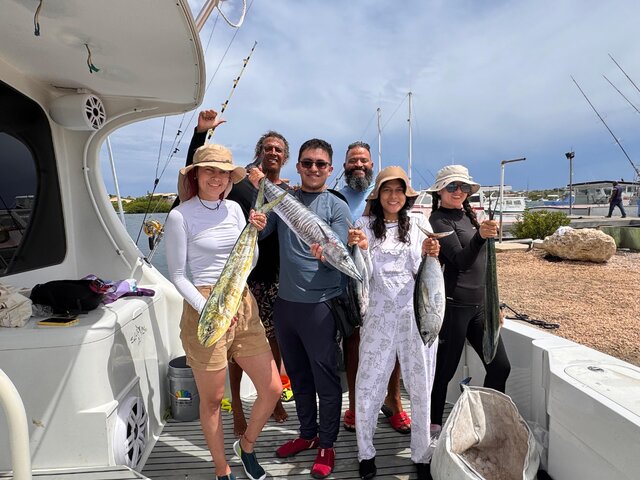 FishingBooker
Wazapap Private Charters
Don't miss any fishing tips!
Get the best fishing destination recommendations weekly in your inbox.
No spam. Unsubscribe anytime.
Read more
Data incorrect?
Help us keep this article up to date — report outdated or incorrect information
More articles