Buy License Online
Buy fishing license for Chile online
Official authority website
Imagine casting a dry fly into a crystal-clear river, watching a wild rainbow trout rise from the turquoise depths with snow-capped volcanoes reflected in the water behind you. That is fishing in Chile — an experience that belongs on every serious angler's bucket list. From the temperate lakes of the Lake District to the untamed rivers of Patagonia and the rich Pacific coastline, Chile offers some of the most spectacular fishing on the planet. Whether you dream of chasing trophy brown trout in the far south, spinning for sea bass off the Pacific coast, or casting for Atlantic salmon in world-class rivers, this guide covers everything you need to know before you go: licenses, regulations, the best fishing spots, guided tours, and practical travel tips for international visitors.
01Why Fish in Chile?
Chile is one of the world's premier fly-fishing destinations. Stretching over 4,300 km (2,670 miles) from the Atacama Desert in the north to the tip of Patagonia in the south, Chile is defined by water: thousands of rivers, glacial lakes, fjords, and more than 6,400 km (3,975 miles) of Pacific coastline. The fishing here is outstanding for several reasons:
Tip: Chile's fishing season runs from the Southern Hemisphere's spring into autumn — roughly November to May — which means visitors from the Northern Hemisphere can enjoy excellent fishing during the northern winter.
02Chile Fishing License: What You Need to Know
Is a License Required?
Yes. All recreational anglers — both Chilean residents and foreign visitors — are legally required to hold a valid fishing license before casting a line in Chile's continental (freshwater) or marine (saltwater) waters. Licenses are issued by the Servicio Nacional de Pesca y Acuicultura (Sernapesca), the official national fisheries authority, under Law No. 20.256 on recreational fishing.
Your license is personal and non-transferable and must be carried at all times while fishing, as it may be requested by Sernapesca officials, ad-honorem inspectors, or navy and police personnel.
Types of Fishing License
Chile divides recreational fishing licenses into three categories:
| License Type | Covers |
|---|---|
| Continental Waters | All inland and freshwater bodies (rivers, lakes, reservoirs) |
| Marine Waters | Sea territory and the exclusive economic zone (saltwater fishing) |
| Protected Areas | Special rivers: Cuimilahue, Pescado, and Sur |
Note for foreign visitors: As a foreign national, you must obtain a one-year license — the shorter weekly or monthly options are only available to Chilean residents. However, a one-year license is perfectly valid if you visit for just a week or two.
License Fees
License fees in Chile are denominated in Unidades de Fomento (UF), an inflation-indexed unit. As of 2025–2026, the approximate costs are:
| License Type | UF | Chilean Pesos (CLP) | Approx. EUR | Approx. USD |
|---|---|---|---|---|
| Continental Waters – 1 week | 0.1 UF | ~CLP 3,700 | ~€3.50 | ~$4 |
| Continental Waters – 1 month | 0.2 UF | ~CLP 7,400 | ~€7 | ~$8 |
| Continental Waters – 1 year | 0.3 UF | ~CLP 11,100 | ~€10 | ~$12 |
| Marine Waters – 1 year | 0.2 UF | ~CLP 7,400 | ~€7 | ~$8 |
Important: Foreign nationals are required to purchase the annual license regardless of the length of their visit. When all fees are combined for access to both freshwater and saltwater fishing across Chile, expect to pay approximately USD $65 in total — roughly the price of a nice dinner for two. That is exceptional value for world-class fishing.
Who Is Exempt?
The following groups are exempt from both the licensing requirement and fees:
Note: Foreign nationals visiting Chile as tourists do not benefit from age-based exemptions. The rules above apply to residents, not tourists.
How to Get Your License
Online (recommended):
1. Visit the official Sernapesca portal: www.sernapesca.cl
2. Create an account or log in with your ClaveÚnica (Chilean digital identity)
3. Foreign visitors without a ClaveÚnica can register as a new user with their passport number
4. Select your license type and pay online
In person:
Need help?
03Fishing Regulations in Chile
Understanding Chile's fishing regulations before you travel is essential. Violations can result in serious fines, and ignorance of the law is not considered a defense.
Fishing Season
The recreational fishing season in continental (freshwater) waters runs:
This means the Chilean fishing season broadly runs from late November to early May, corresponding to the Southern Hemisphere's spring, summer, and early autumn.
In Southern Patagonia (the far south), the season typically runs from late October to mid-April. Fishing outside these dates is not permitted, and licenses cannot be issued for out-of-season periods.
Marine (saltwater) fishing generally has fewer seasonal restrictions, though certain species may have regulated closures.
Daily Catch Limits
Minimum Sizes
Size limits vary by species and region. A notable example is common sole (lenguado), which has a legal minimum size of 30 cm (12 inches) total length in marine waters. Always check current Sernapesca regulations for the specific body of water you plan to fish, as regional variations apply.
Catch and Release
In protected areas, including Torres del Paine National Park and other national parks, fishing is catch and release only — all fish must be returned to the water unharmed. Even in non-protected areas, many lodges and guides encourage catch-and-release practices to preserve Chile's wild fisheries.
Prohibited Practices
The following are strictly forbidden:
Biosecurity: DIDYMO
This is critically important for international anglers. Didymosphenia geminata (DIDYMO), an invasive freshwater alga known as "rock snot," poses a severe threat to Chile's river ecosystems. All anglers are legally required to wash and disinfect every item of equipment that comes into contact with water before moving between different river systems. This includes:
Sernapesca provides disinfection stations at many popular fishing access points. Do not overlook this — it is not just etiquette, it is the law.
🎣 Fishing tours in Chile — Book guided fishing tours with local experts who know Chile's best rivers and lakes.
04Best Fishing Spots in Chile
The Lake District (Los Lagos Region)
Stretching from roughly Temuco south to Puerto Montt, Chile's Lake District is the country's most accessible and celebrated freshwater fishing region. Picture jade-green rivers tumbling through ancient araucaria forests, vast volcanic lakes reflecting the smoking cones of Villarrica and Osorno, and wild rainbow and brown trout that run to genuinely impressive sizes.
Key spots include:
The Lake District is ideal for visiting anglers because the infrastructure is excellent — there are comfortable lodges, tackle shops, and experienced guides in towns like Pucón, Puerto Varas, and Valdivia.
Patagonia (Aysén and Magallanes Regions)
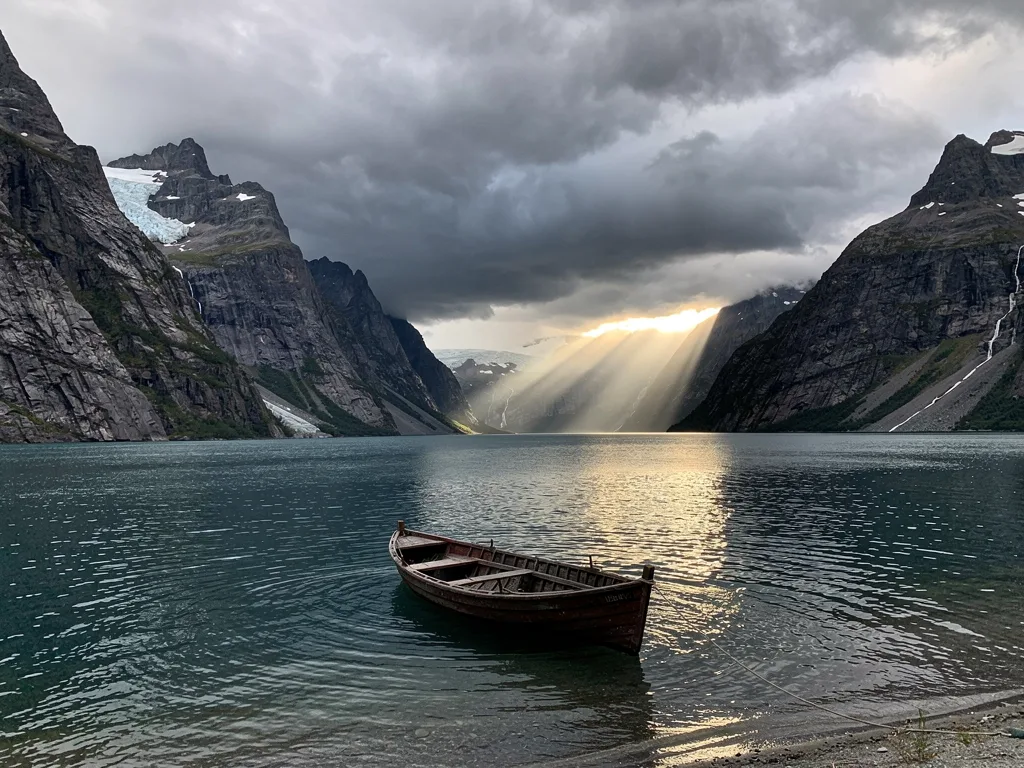
For many anglers, Chilean Patagonia represents the holy grail of global fly fishing. The rivers here — often accessible only by light aircraft, boat, or days of hiking — hold wild brown and rainbow trout that can exceed 10 kg (22 lbs). The landscapes are staggering: condors soaring overhead, glaciers calving into fjords, pumas hunting across the steppe.
Key spots include:
Access to Patagonia's best rivers often requires a guided trip — both for logistical reasons and because local knowledge is invaluable in navigating the terrain and finding fish.
The Pacific Coast
Chile's immense Pacific coastline offers an entirely different style of fishing. Saltwater anglers can target:
Shore fishing from beaches, rocks, and piers is popular up and down the coast, while boat fishing offers access to deeper-water species. The coastal town of Iquique in the far north is a hub for offshore fishing in warmer waters.
Central Chile and the Santiago Region
Even visitors based in the capital can access quality fishing. Within two to three hours of Santiago, the rivers of the Andes foothills offer:
05Guided Fishing Tours and Lodge Experiences
Why Go with a Guide?
For international visitors, booking a guided fishing experience in Chile is strongly recommended, at least for your first visit. Here is why:
Types of Guided Experiences
Widely available in the Lake District, particularly around Pucón and Puerto Varas. These are ideal for anglers with limited time or those wanting to sample Chilean fishing without committing to a multi-day lodge stay.
Multi-day lodge packages:
Chile's fly-fishing lodges are world-renowned for their quality. Many operate as all-inclusive operations with accommodation, meals, guiding, and transport included.
Notable lodge operations:
Boat charters (saltwater):
Available along the Pacific coast for corvina, tuna, and other marine species.
🚤 Charter fishing in Chile — Find and book charter boats with experienced captains along Chile's Pacific coast.
06Fishing Equipment in Chile
What to Bring
Serious fly-fishing gear should be brought from home, as selection in Chilean shops — while improving — is limited compared to Europe or North America. Pack:
What to Rent or Buy Locally
Most guided operations and lodges provide rods and reels for rental. Fly boxes and basic flies can often be purchased in fishing towns like Pucón and Puerto Varas, though selection is limited. Bring your preferred patterns from home.
🛒 Fishing equipment for Chile — Find the right gear for your Patagonia fly-fishing trip.
07Practical Travel Information for International Visitors
Getting to Chile
Santiago's Arturo Merino Benítez International Airport (SCL) is the main entry point for international visitors, with direct connections from Europe (Madrid, Frankfurt, Paris), North America (Miami, New York, Dallas, Los Angeles), and throughout Latin America.
For Patagonia, Coyhaique (Carlos Ibáñez del Campo Airport, PMC) and Punta Arenas (Carlos Ibáñez del Campo International, PUQ) are the regional gateways, both served by domestic flights from Santiago.
Visa Requirements
Chile is one of South America's most visitor-friendly countries in terms of entry requirements:
| Nationality | Visa Required? |
|---|---|
| EU citizens | No visa required (up to 90 days) |
| US citizens | No visa required (up to 90 days) |
| UK citizens | No visa required (up to 90 days) |
| Canadian citizens | No visa required (up to 90 days) |
| Australian citizens | No visa required (up to 90 days) |
| Japanese citizens | No visa required (up to 90 days) |
Always check current requirements with the Chilean Embassy or consulate in your home country before travel, as visa rules can change.
Best Time to Visit
| Hemisphere | Best Visiting Window | Notes |
|---|---|---|
| Northern Hemisphere | December – March | Fly from Northern Hemisphere winter into Chilean summer |
| Southern Hemisphere | November – April | Peak season; book lodges well in advance |
| Patagonia fishing | Late October – mid-April | Shoulder season (Nov, Apr) less crowded |
Peak season is January–February, when weather is most settled and days are longest. However, lodges fill up months in advance — book 6–12 months ahead for the best options.
Getting Around
Language
Spanish is the official language. In tourist hubs like Pucón and Puerto Varas, and at all high-end fishing lodges, English is widely spoken. In remote areas, Spanish is essential.
Useful phrases for anglers:
Apps: Google Translate works well for Spanish and has offline capability — download the Spanish language pack before your trip.
Currency and Costs
Health and Safety
🏨 Accommodation near fishing spots in Chile — Find hotels and lodges close to the best waters.
08Penalties for Fishing Without a License or Breaking Regulations
Chile enforces its recreational fishing laws seriously. Penalties include:
Enforcement is carried out by Sernapesca officials, the Chilean Navy (Armada), and the Carabineros de Chile (national police). In remote areas, compliance is largely based on personal responsibility — but the legal consequences of violations are genuine.
09Summary: Cost Comparison for International Anglers
| Item | Cost (CLP) | EUR | USD |
|---|---|---|---|
| Annual continental fishing license | ~CLP 11,100 | ~€10 | ~$12 |
| Annual marine fishing license | ~CLP 7,400 | ~€7 | ~$8 |
| Both licenses combined | ~CLP 18,500 | ~€17 | ~$20 |
| Day-guided trip (Lake District) | CLP 150,000–300,000 | €140–280 | $150–300 |
| High-end lodge (per day, all-inclusive) | CLP 520,000–1,560,000 | €490–1,470 | $520–1,560 |
| Basic accommodation (Pucón/Puerto Varas) | CLP 40,000–80,000 | €38–75 | $40–80 |
10FAQ: Fishing in Chile
Do I need a fishing license to fish in Chile as a tourist?
Yes, absolutely. All foreign visitors fishing in Chile — whether in freshwater or saltwater — must hold a valid Sernapesca recreational fishing license. It is inexpensive (around USD $12–20 depending on water type) and can be obtained online or at any Sernapesca office.
Can I buy a fishing license online before arriving in Chile?
Yes. You can register and purchase your license through the Sernapesca website at www.sernapesca.cl. You will need your passport number to register as a foreign national.
When is the best time to fish in Chile?
The main season for freshwater fishing runs from the second Friday of November to the first Sunday of May. Peak season is December to February for the best weather and fishing conditions. Book lodges and guided trips well in advance — 6–12 months ahead for top Patagonia lodges.
Is catch and release mandatory in Chile?
Catch and release is mandatory in all national parks and protected areas (including Torres del Paine). Outside protected areas, you may retain up to 3 fish per day or 15 kg maximum, but many guides and lodges operate on a voluntary catch-and-release basis.
What fish can I catch in Chile?
Chile's freshwaters are home to rainbow trout, brown trout, brook trout, Atlantic salmon, and Pacific salmon. Coastal and marine fishing targets corvina (sea bass), lenguado (sole), reineta (pomfret), pejerrey, and offshore species including tuna and billfish.
Do I need to disinfect my fishing gear?
Yes — this is both a legal requirement and an ethical obligation. All equipment that comes into contact with water must be washed and disinfected before moving between different river systems to prevent the spread of DIDYMO (Didymosphenia geminata). Disinfection stations are provided at many access points.
Is fly fishing the only option in Chile?
No. While fly fishing is Chile's most famous style and dominates the freshwater scene, spinning and bait fishing are also permitted (within the regulations on hooks and methods). Saltwater anglers typically spin or bait fish from shore or boat.
How do I get to the best fishing spots in Chilean Patagonia?
Many remote Patagonian rivers are only accessible by light aircraft, boat, or multi-day hiking. The most practical approach for international visitors is to book a guided lodge package that handles all logistics, including fly-in access to remote locations. Self-guided access is possible along the Carretera Austral highway, which passes near several excellent rivers.
11Conclusion: Start Planning Your Chile Fishing Trip
Chile is not just a good fishing destination — it is one of the greatest on Earth. From the accessible volcanic lakes of the Lake District to the remote, trophy-trout rivers of Patagonia, the diversity and quality of fishing here is unmatched in South America. The licensing process is simple and inexpensive, the regulations are designed to protect these magnificent fisheries, and the experience of fishing here — condors wheeling overhead, glaciers on the horizon, a wild trout leaping in a river that may never have been fished before — is one that stays with you for a lifetime.
Do your homework before you go: obtain your Sernapesca license, respect the seasons and catch limits, disinfect your gear religiously, and book your guide well in advance if heading to Patagonia. The fish — and the memories — will be worth every bit of the preparation.
12Sources & Further Reading
*Disclaimer: The information in this article was researched and compiled in 2026 and is intended as a general guide for international anglers. Fishing regulations, license fees, and seasons in Chile are subject to change. Always verify current rules with the official authority — Sernapesca (www.sernapesca.cl) — before your trip. The authors and publishers of FishingWorldGuide.com accept no responsibility for any errors, omissions, or changes in regulations that may occur after publication. Fishing in national parks and protected areas may be subject to additional rules imposed by CONAF (Chile's National Forestry Corporation). Visa and entry requirements should be verified with the Chilean Embassy or consulate in your home country. Prices shown are approximate and may vary due to exchange rate fluctuations.*
Recommended tours
Don't miss any fishing tips!
Get the best fishing destination recommendations weekly in your inbox.
No spam. Unsubscribe anytime.
Data incorrect?
Help us keep this article up to date — report outdated or incorrect information
More articles