Buy License Online
Buy fishing license for Brazil online
Official authority website
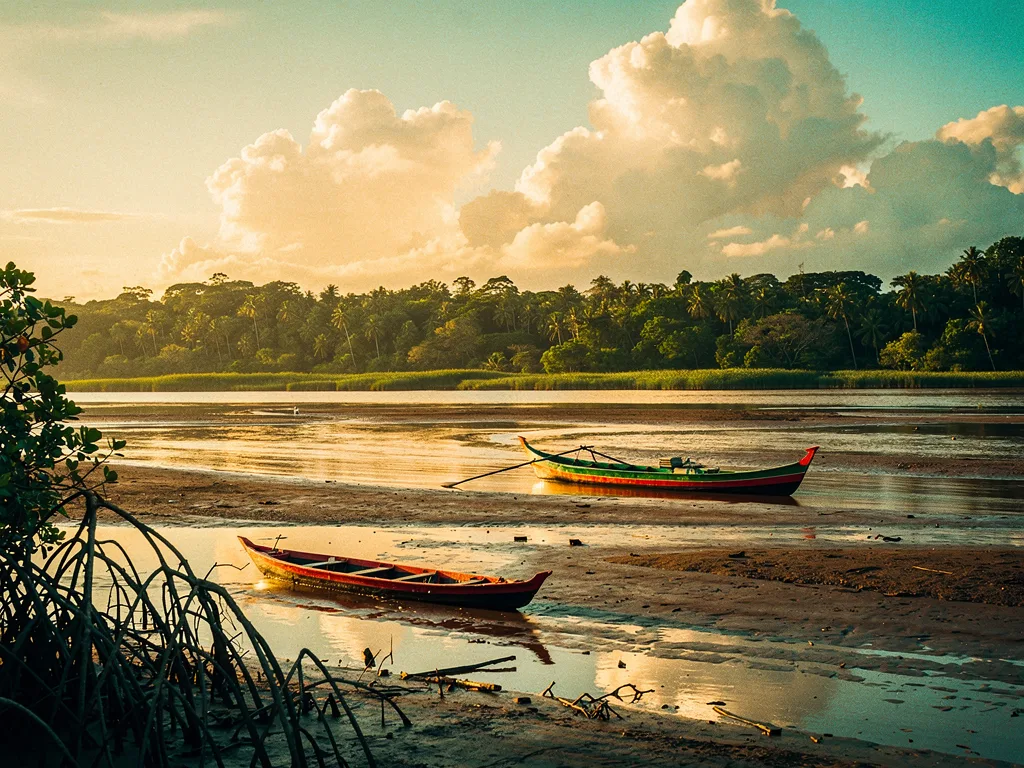
Imagine casting your line into the mysterious black waters of the Rio Negro, surrounded by pristine Amazon rainforest, when suddenly your rod bends double. A peacock bass explodes from the water in a shower of spray, its vivid colors flashing in the tropical sun. This is fishing in Brazil — an angling adventure like no other on Earth.
Brazil offers anglers an almost overwhelming diversity of fishing experiences: from battling 200 kg arapaima in the Amazon Basin, to wrestling golden dorado in the Pantanal wetlands, to chasing blue marlin off the coast of Bahia. With over 8,500 km (5,280 miles) of coastline and more than 35,000 km (21,700 miles) of navigable inland waters, Brazil is quite simply one of the world's premier fishing destinations.
However, fishing in Brazil requires proper preparation. This comprehensive guide covers everything international anglers need to know: from obtaining the mandatory fishing license to understanding the complex closed season regulations, from selecting the right fishing spot to booking the perfect guided tour.
01Fishing License & Permits in Brazil
Do You Need a Fishing License in Brazil?
Yes, absolutely. A fishing license (Licença de Pesca Amadora) is mandatory for all anglers in Brazil — whether fishing in freshwater or saltwater, from shore or from a boat. Fishing without a valid license is considered an administrative offense and can result in fines, confiscation of equipment, and other penalties.
Good News for International Anglers (Since November 2025)
Until recently, obtaining a Brazilian fishing license was challenging for foreign visitors because it required a Brazilian tax identification number (CPF — Cadastro de Pessoas Físicas). This bureaucratic hurdle left many international anglers frustrated.
This changed in November 2025. The Brazilian government now allows foreign tourists to obtain fishing licenses much more easily. A Brazilian citizen can now apply for a license on behalf of a foreigner through the official government portal.
How the process works:
1. A Brazilian partner (tour operator, fishing guide, hotel, or friend) accesses the gov.br portal
2. They select the option "A solicitação é para um estrangeiro sem CPF" (Request for foreigner without CPF)
3. They enter the foreign angler's passport details and personal information
4. The license fee is paid (via PIX or credit card)
5. The license is sent by email or made available for download in the applicant's account
Tip: Contact your fishing lodge or tour operator before your trip — most will handle the license application for you as part of their service.
License Types & Costs
Brazil offers several categories of fishing licenses depending on how and where you fish:
| License Type | Description | Cost (BRL) | Cost (EUR)* | Cost (USD)* |
|--------------|-------------|------------|-------------|-------------|
| Category A (Desembarcada) | Fishing from shore, no boat | R$ 20,00 | ~€3.50 | ~$4.00 |
| Category B (Embarcada) | Fishing from a boat | R$ 60,00 | ~€10.50 | ~$12.00 |
| Boat Licenses | Commercial operation | R$ 80-200+ | €14-35+ | $16-40+ |
*Exchange rates as of early 2026: 1 EUR ≈ 5.70 BRL, 1 USD ≈ 5.20 BRL
To put this in perspective: A boat fishing license in Brazil costs roughly the same as a meal at a mid-range restaurant — a small price for legal peace of mind.
Who Is Exempt from Fees?
Certain groups are exempt from license fees (but must still register and obtain the license):
Validity & Processing Time
Where to Apply
02Fishing Regulations & Closed Seasons
Understanding Piracema (Spawning Season)
Piracema is the Brazilian term for the closed fishing season that protects fish during their spawning period. During Piracema, fishing may be restricted or completely prohibited depending on the region and species.
These closed seasons are not arbitrary — they are essential for maintaining healthy fish populations in Brazil's diverse ecosystems. Violating Piracema regulations carries serious consequences.
Typical Closed Seasons 2025/2026
| Region/State | Closed Season (Piracema) | Notes |
|--------------|--------------------------|-------|
| Amazon Basin | Nov 1 – Jan 31 | Federal standard regulation |
| São Paulo & Minas Gerais | Until Feb 28 | Extended season |
| Mato Grosso do Sul (Pantanal) | Until Feb 28 | "Zero Quota" for many species |
| Piauí | Nov – Mar 16 | Longest closed season in Brazil |
| Maranhão (Tocantins/Araguaia Basin) | Nov 1 – Jan 31 | |
| Maranhão (Parnaíba Basin) | Nov 19 – Mar 16 | |
Important: These dates can change annually. Always verify current regulations with IBAMA or state environmental authorities before your trip!
Catch Limits & Minimum Sizes
Brazil enforces strict catch limits and minimum size requirements for most sport fish:
| Species | Daily Limit | Minimum Size | Season |
|---------|-------------|--------------|--------|
| Tucunaré (Peacock Bass) | 5 specimens | 25 cm | Year-round (not subject to Piracema) |
| Tambaqui | 5 specimens | 55 cm | Feb – Oct |
| Dourado (Golden Dorado) | 5 specimens | 40 cm | Feb – Oct |
| Pintado/Surubim (Catfish) | 3 specimens | 50 cm | Feb – Oct |
| Robalo (Snook) | 5 specimens | 40 cm | Year-round |
| Traíra | 10 specimens | 25 cm | Year-round |
Catch & Release Requirements
Prohibited Fishing Methods
The following methods are illegal for sport anglers in Brazil:
Penalties for Violations
03Top 5 Fishing Destinations in Brazil
Brazil's vast territory encompasses an incredible variety of fishing environments. Here are the five most spectacular fishing destinations that should be on every angler's bucket list.
🥇 1. Amazon Basin — Barcelos & Rio Negro
Why it's special: The Amazon is the undisputed world capital of sport fishing, home to over 2,200 documented fish species. The Rio Negro's blackwater — colored by tannins from decaying vegetation — offers crystal-clear visibility and hosts some of the most aggressive sport fish on the planet.
Target Species:
Best Time: July to December (dry season, low water levels concentrate fish)
Techniques: Topwater lures, jigs, fly fishing with large streamers
How to Get There: Fly to Manaus (MAO), then take a charter flight or boat transfer to Barcelos (approximately 1 hour by air)
What to Expect: Multi-day lodge-based expeditions are the norm here. Most lodges are floating hotels or land-based operations accessible only by boat or small aircraft. The experience is immersive — you'll fish remote waters that see few anglers each year, surrounded by untouched rainforest teeming with wildlife.
🥈 2. Pantanal — Mato Grosso & Mato Grosso do Sul
Why it's special: The Pantanal is the world's largest tropical wetland, covering approximately 180,000 km² (69,500 sq mi). During the dry season, fish concentrate in shrinking waterways, creating some of the most productive fishing on Earth. Unlike the remote Amazon, the Pantanal offers excellent infrastructure with numerous fishing hotels and lodges.
Target Species:
Best Time: April to September (dry season)
Techniques: Corrico (trolling with live bait), bottom fishing, artificial lures
Hotspots: Corumbá, Cáceres, Passo do Lontra
What to Expect: The Pantanal offers a unique combination of world-class fishing and extraordinary wildlife viewing. While fishing, you'll likely encounter caimans, capybaras, giant otters, and hundreds of bird species including hyacinth macaws and jabiru storks. Fishing hotels range from basic accommodations to luxury eco-lodges.
🥉 3. Araguaia & Tocantins Rivers — Central Brazil
Why it's special: The "River of Macaws" offers outstanding fishing for giant specimens in a region with a growing angling infrastructure. The Araguaia-Tocantins system is Brazil's second-largest river basin and remains less crowded than the Amazon or Pantanal.
Target Species:
Best Time: April to June (low water period)
Techniques: Topwater lures, jigs, live baitfish
Known Locations: Aruanã, Palmas, Bananal Island (the world's largest river island)
What to Expect: This region offers a more authentic "Brazilian heartland" experience, with small fishing towns, friendly locals, and productive waters that receive moderate fishing pressure. It's an excellent choice for anglers seeking big fish without the premium pricing of Amazon lodges.
4. Coast of Bahia — Canavieiras
Why it's special: Canavieiras is Brazil's premier big-game fishing destination, internationally recognized for its blue marlin fishery. The IGFA all-tackle world record for blue marlin — a staggering 637 kg (1,404 lb) — was caught here in 2003.
Target Species:
Best Time: November to March (peak season), though fishing is possible year-round
Techniques: Trolling, bait-and-switch
What to Expect: A well-developed sport fishing infrastructure with professional charter operations, comfortable accommodations, and the chance to battle the ocean's most prestigious game fish. The historic town of Canavieiras adds cultural charm to the fishing experience.
5. Southern Coast — Santa Catarina & Rio Grande do Sul
Why it's special: Brazil's southern coast offers diverse inshore and offshore fishing with a distinctly different character from the tropical north. European influences are strong here, and the fishing traditions reflect this heritage.
Target Species:
Best Time: Year-round; winter (June-September) is ideal for snook
Techniques: Spinning, bottom fishing, fly fishing
Hotspots: Porto Belo, Araranguá, Laguna dos Patos
What to Expect: A more accessible fishing experience with numerous charter options, shore fishing opportunities, and well-developed tourist infrastructure. This region is ideal for anglers who want to combine fishing with family beach vacations or explore Brazilian culture beyond the Amazon.
🎣 Fishing tours in Brazil — Book guided fishing tours with local experts.
04Fishing Tours & Guided Experiences
Brazil's vastness and complexity make professional guides invaluable for visiting anglers. Here's what you can expect from guided fishing experiences.
Amazon Lodge Packages (Multi-Day)
| Operator | Duration | Price (EUR) | Price (USD) | Includes |
|----------|----------|-------------|-------------|----------|
| Uiara Amazon Fishing | 8 days | from €2,800 | from $3,000 | Luxury cruise ship, all meals, guides, boats, transfers |
| Nomadic Waters | 6-8 days | from €3,500 | from $3,750 | All-inclusive, fly fishing specialist |
| Pinima Fishing Lodge | 5 days | from €1,700 | from $1,850 | Accommodation, guides, equipment |
| Victor's Brazilian Fishing | 5 days | from €3,200 | from $3,450 | Premium package |
What's typically included:
Pantanal Fishing Hotels
| Accommodation | Price per Day (EUR) | Price per Day (USD) | Standard |
|---------------|---------------------|---------------------|----------|
| Pesca-Hotel Barra Mansa | €400-600 | $430-650 | All-inclusive, boats, guides |
| Hotel Pescador Cáceres | €30-45 | $32-48 | Basic accommodation |
| Refúgio da Ilha | €350-500 | $380-540 | Eco-lodge, premium service |
Big-Game Charters (Bahia)
| Boat Type | Duration | Price (EUR) | Price (USD) | Capacity |
|-----------|----------|-------------|-------------|----------|
| Sportfisher (32-45 ft) | Half-day | €800-1,200 | $850-1,300 | up to 6 anglers |
| Luxury Yacht | Full-day | €1,500-2,500 | $1,600-2,700 | up to 8 anglers |
| Shared Charter | Half-day | from €150 pp | from $160 pp | Shared boat |
Day Trips (Manaus)
Tip: Book through established platforms like FishingBooker for verified captains and secure payment processing, or contact lodges directly for the best rates on multi-day packages.
🚤 Charter fishing in Brazil — Find and book charter boats with experienced captains.
05Fish Species & Fishing Techniques
Brazil's waters host an extraordinary diversity of species. Here are the most sought-after game fish and how to target them.
Top Freshwater Species
| Species | Portuguese Name | Max Weight | Characteristics |
|---------|-----------------|------------|-----------------|
| Peacock Bass | Tucunaré | 12+ kg (26+ lb) | Explosive strikes, spectacular jumps |
| Arapaima | Pirarucu | 200 kg (440 lb) | Largest South American freshwater fish |
| Golden Dorado | Dourado | 30 kg (66 lb) | "Tiger of the rivers," aggressive |
| Redtail Catfish | Pirarara | 50+ kg (110+ lb) | Powerful fighter |
| Payara | Pirara/Vampiro | 15 kg (33 lb) | Vampire-like fangs |
| Pintado/Surubim | Spotted Catfish | 100+ kg (220+ lb) | Iconic Pantanal species |
| Pacu | – | 15 kg (33 lb) | Strong jaws, fights hard |
| Traíra | – | 3 kg (6.5 lb) | Aggressive predator |
Top Saltwater Species
| Species | Portuguese Name | Max Weight | Characteristics |
|---------|-----------------|------------|-----------------|
| Blue Marlin | Marlin Azul | 600+ kg (1,300+ lb) | The ultimate game fish |
| Sailfish | Agulhão-Vela | 100 kg (220 lb) | Fastest fish in the ocean |
| Yellowfin Tuna | Atum Albacora | 200 kg (440 lb) | Endurance fighter |
| Mahi-Mahi | Dourado do Mar | 30 kg (66 lb) | Colorful, acrobatic |
| Snook | Robalo | 25 kg (55 lb) | Popular inshore target |
Recommended Techniques by Species
For Peacock Bass (Tucunaré):
For Catfish (Pintado, Pirarara):
For Big Game (Marlin, Tuna):
06Practical Travel Information
Best Times to Visit for Fishing
| Region | Primary Fishing Season | Notes |
|--------|------------------------|-------|
| Amazon | July – December | Dry season, low water concentrates fish |
| Pantanal | April – September | Dry period, fish concentrated in channels |
| Bahia Coast | November – March | Marlin peak season |
| Southern Coast | Year-round | Winter (June-Sept) ideal for snook |
Entry Requirements & Visa Information
Health Requirements
Getting to Fishing Destinations
Amazon:
Pantanal:
Bahia Coast:
Language & Communication
Health & Safety Tips
🏨 Accommodation near fishing spots in Brazil — Find hotels and lodges close to the best waters.
07Equipment Recommendations
What you bring depends on your destination and target species. Here's a quick guide:
For Amazon Peacock Bass:
For Pantanal:
For Big Game (Bahia):
Tip: Check with your lodge before packing — many provide quality equipment, and airline baggage restrictions on domestic flights within Brazil are often limited to 15-20 kg (33-44 lb).
🛒 Fishing equipment for Brazil — Find the right gear for your trip.
08Legal Considerations for Foreign Anglers
Equipment Import
Catch Export
Relevant Legislation
Important Authorities
| Authority | Function | Website |
|-----------|----------|---------|
| IBAMA | Environmental agency, fishing enforcement | gov.br/ibama |
| MPA | Ministry of Fisheries, license issuance | gov.br/mpa |
| ICMBio | National parks and protected areas | gov.br/icmbio |
09FAQ: Fishing in Brazil
Can I fish in Brazil without a license?
No. A fishing license (Licença de Pesca Amadora) is mandatory for all anglers in Brazil, in both freshwater and saltwater. Fishing without a license can result in fines starting from R$ 700 (approximately €120 or $130) and confiscation of equipment.
How do I get a fishing license as a foreigner?
Since November 2025, foreign anglers can obtain licenses more easily. A Brazilian citizen (such as a tour operator, guide, or hotel) can apply on your behalf through the gov.br portal by selecting the option for foreigners without a CPF. Many fishing lodges and tour operators will handle this process for their clients.
When is the fishing closed season (Piracema) in Brazil?
Piracema dates vary by region. Typically, the closed season runs from November through February in most regions, but some areas extend into March. Always check current regulations with IBAMA before planning your trip.
What is the best time to fish in the Amazon?
The best fishing season in the Amazon is during the dry season, from July to December. During this period, water levels drop, fish concentrate in smaller areas, and fishing conditions are optimal.
Do I need vaccinations to fish in Brazil?
For Amazon and Pantanal regions, yellow fever vaccination is strongly recommended (required 10 days before travel). Consult a travel medicine specialist for other recommended vaccinations and malaria prophylaxis.
Can I bring fish home from Brazil?
Fish caught within legal limits can be consumed during your stay. Commercial export is prohibited without authorization. For trophy export (mounted specimens), you'll need a special permit from IBAMA.
Is catch and release practiced in Brazil?
Yes, increasingly so. Arapaima (Pirarucu) must be released by law. Many lodges and private fishing areas practice mandatory catch and release. It's strongly encouraged throughout the Amazon and Pantanal for sustainability.
How much does a guided fishing trip in Brazil cost?
Prices vary widely. Day trips from Manaus cost around €200-300 ($215-320) per person. Multi-day Amazon lodge packages range from €1,700 to €3,500+ ($1,850-3,750+) for 5-8 days, all-inclusive. Pantanal fishing hotels range from €30-600 ($32-650) per day depending on the level of service.
10Conclusion
Brazil stands as one of the world's great fishing destinations — a country where anglers can pursue prehistoric arapaima in Amazon blackwater rivers, battle golden dorado in the Pantanal wetlands, or challenge blue marlin in the Atlantic. The diversity of species, ecosystems, and experiences is unmatched anywhere on Earth.
The key to a successful fishing trip to Brazil lies in preparation: obtain your license in advance, respect the Piracema closed seasons, book with reputable operators, and pack appropriate gear. The bureaucratic hurdles that once challenged foreign anglers have been significantly reduced, making Brazil more accessible than ever.
Whether you're casting topwater lures for peacock bass as howler monkeys roar in the distance, or watching a blue marlin destroy your spread off Bahia, fishing in Brazil delivers experiences that will stay with you for a lifetime.
Plan your Brazilian fishing adventure today — the waters are waiting.
11Sources & Further Links
Disclaimer: This article is for informational purposes only. Regulations, prices, and requirements may change. Always verify current information with official Brazilian authorities (IBAMA, MAPA) before planning your fishing trip. The information provided reflects the situation as of 2026. Fishing World Guide accepts no liability for decisions made based on this content.
Recommended tours
Fishing trips in Brazil
Curated tours & charters with price and click data from our partner dashboards.
 FishingBooker
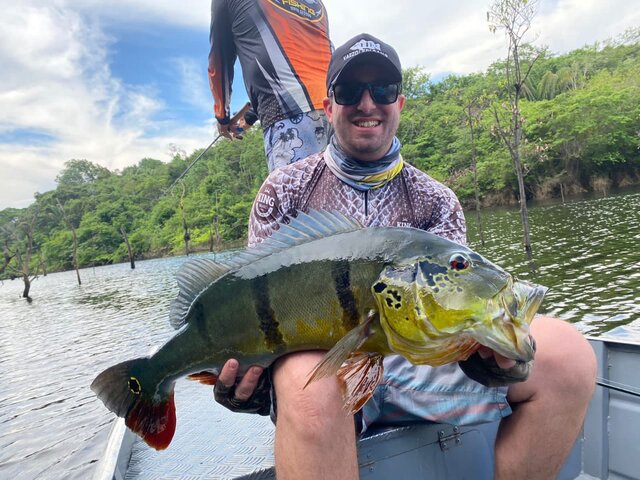
Special Peacock Bass Fishing
 FishingBooker
Davi Garcia
 FishingBooker
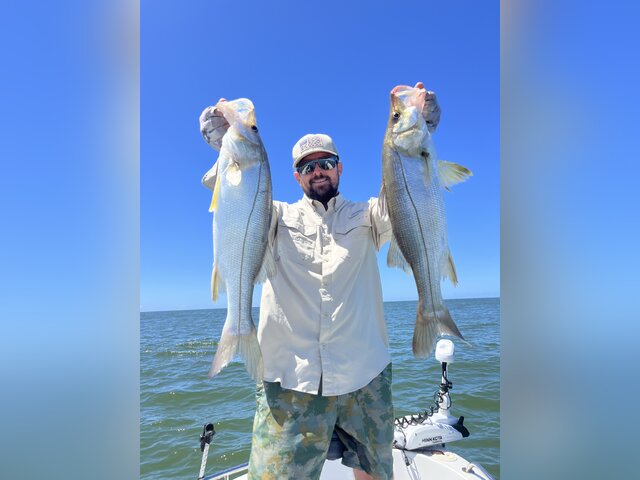
JiG JiG Fishing
Don't miss any fishing tips!
Get the best fishing destination recommendations weekly in your inbox.
No spam. Unsubscribe anytime.
Read more
Data incorrect?
Help us keep this article up to date — report outdated or incorrect information
More articles