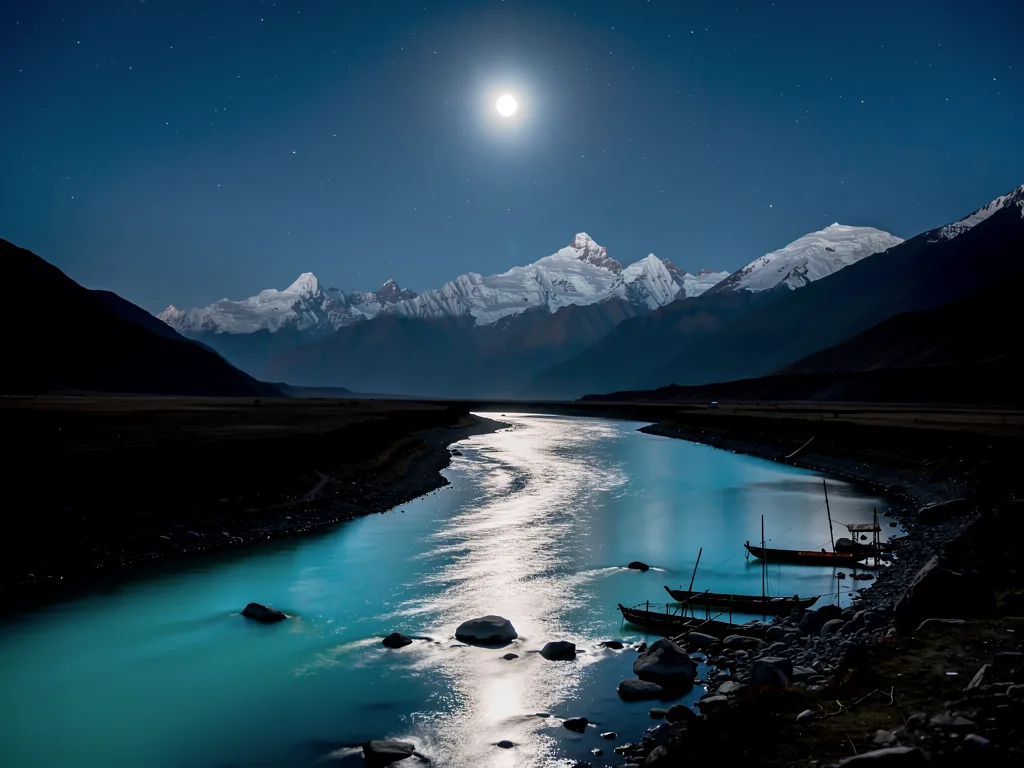
Bolivia is one of the last true adventures for anglers worldwide. Far from the crowded tourist waters of more famous destinations, this landlocked South American gem harbors pristine Amazon tributaries teeming with legendary species like Golden Dorado, Peacock Bass, and the fearsome Payara. Fishing in Bolivia offers an experience that few other places on Earth can match—untouched wilderness, crystal-clear jungle rivers, and the thrill of hooking into one of the most aggressive freshwater game fish on the planet.
For the adventurous angler willing to venture off the beaten path, Bolivia delivers world-class sport fishing in settings so remote that you might not see another soul for days. Whether you're a fly fishing enthusiast dreaming of explosive surface strikes or a conventional angler seeking trophy-sized catfish, the rivers of Bolivia's Amazon basin promise memories that will last a lifetime.
01Fishing Licenses & Permits in Bolivia
Do You Need a Fishing License?
Yes, a fishing license is legally required in Bolivia for all fishing activities. Under Bolivian law, anyone engaging in sport fishing, commercial fishing, or aquaculture must obtain proper authorization from the relevant authorities before casting a line.
Responsible Authority
The SENASAG (Servicio Nacional de Sanidad Agropecuaria e Inocuidad Alimentaria) is the national agency responsible for issuing fishing licenses in Bolivia. This agency operates under the Ministry of Rural Development and Lands and oversees all matters related to aquatic health, food safety, and fishing regulation.
SENASAG Contact Information:
Types of Fishing Licenses
Under Bolivia's Sustainable Fishing and Aquaculture Law (Ley Nº 938, enacted May 3, 2017), the following license categories are available:
| License Type | Description | Typical Applicant |
|--------------|-------------|-------------------|
| Licencia Deportiva | Sport fishing for recreational purposes | Tourists, recreational anglers |
| Licencia Comercial Artesanal | Traditional/commercial fishing | Local fishing communities |
| Licencia Comercial Industrial | Industrial-scale fishing operations | Commercial fishing companies |
| Licencia Científica | Scientific research and study | Researchers, universities |
| Autorización | Special exception permits | Special projects, events |
For most international visitors, the Licencia Deportiva (Sport Fishing License) is the appropriate choice.
Required Documents for License Application
To obtain a fishing license in Bolivia, you will typically need to submit:
Processing Time and Fees
The processing time for a fishing license is approximately 15 to 30 working days after submission of complete documentation. License fees are set by ministerial resolution and may vary—contact SENASAG directly for current rates.
Tip: Most specialized fishing lodges and tour operators in Bolivia handle the license acquisition process as part of their package. When booking a guided fishing trip, always ask whether the fishing license is included in the price.
Important Note for International Anglers
The bureaucratic process of obtaining a license independently can be challenging, particularly if you don't speak Spanish. For this reason, the vast majority of international anglers choose to book with established fishing operators who manage all permit requirements on their behalf. This not only ensures legal compliance but also saves considerable time and hassle.
02Fishing Regulations & Rules
Legal Framework
Fishing in Bolivia is governed by the Ley Nº 938 – Ley de Pesca y Acuicultura Sustentables (Sustainable Fishing and Aquaculture Law), passed on May 3, 2017, along with the earlier Decreto Supremo Nº 22581 (Fishing and Aquaculture Regulations) from August 14, 1990.
Closed Seasons (Vedas)
The fishing authority (IPD-PACU) establishes closed seasons based on the reproductive cycles of fish species. These regulations:
Before planning your trip, check with local authorities or your tour operator about any active closed seasons in your target fishing area.
Size Limits and Catch Restrictions
Bolivian fishing regulations include:
Specific measurements and quotas are published by the regional fishing authority and may change. Your guide or lodge operator will have current information.
Prohibited Fishing Methods
The following methods are strictly prohibited under Bolivian law:
1. Explosives (dynamite, blasting)
2. Chemical substances (poisons, intoxicants)
3. Bottom trawling nets
4. Nets with mesh sizes below regulated minimums
5. Firearms
6. Any other harmful or destructive methods
Violations carry serious penalties, including heavy fines, equipment confiscation, and potential imprisonment for severe infractions.
Catch and Release Policy
Catch and release is strongly encouraged for all sport fishing in Bolivia and is mandatory in many protected areas and indigenous territories. When fishing in these regions:
Many lodges operate on a strict catch-and-release basis to preserve the outstanding fisheries for future generations.
Penalties for Violations
| Violation Severity | Penalty |
|-------------------|---------|
| Minor infractions | Written warning |
| Moderate violations | Fine, temporary license suspension |
| Serious violations | License revocation, equipment confiscation |
| Illegal methods (explosives, poison) | Heavy fines, possible imprisonment |
03The Best Fishing Spots in Bolivia
Bolivia's Amazon basin contains some of the most exciting freshwater fishing waters on the planet. Here are the premier destinations that should be on every angler's bucket list.
Río Beni – The Jungle Classic
The Río Beni is perhaps Bolivia's most iconic fishing river, flowing through spectacular jungle canyons and offering some of the finest Golden Dorado fishing anywhere in the world.
What makes it special:
Target species:
Best time: May through October during the dry season when waters are low and clear.
Fishing techniques: Fly fishing with large streamers and poppers, conventional fishing with big lures, and live bait for catfish.
The Río Beni offers that quintessential Amazon fishing experience—the thrill of casting into dark pools beneath overhanging jungle vegetation, never knowing whether the next strike will be a 10-pound Dorado or a massive 40-pound Surubim catfish.
Río Mamoré – The Amazon Heart
As one of Bolivia's most important Amazon tributaries, the Río Mamoré provides excellent fishing opportunities in a classic Amazon floodplain setting.
What makes it special:
Target species:
Best time: May through October
The Río Mamoré's diverse ecosystem means you never know what might take your lure. One cast could produce an acrobatic Dorado; the next might bring a powerful Surubim that tests every inch of your line.
Río Iténez (Guaporé) – The Border Water
Forming the natural border between Bolivia and Brazil, the Río Iténez (known as Guaporé in Brazil) offers exceptional biodiversity and fishing in relatively pristine conditions.
What makes it special:
Target species:
Best time: Dry season (May–October)
The Río Iténez is particularly prized by fly fishers for its clear waters and excellent Peacock Bass fishing. The sight of a Peacock Bass smashing a surface fly in jungle waters is an experience every angler should have at least once.
Río Pilcomayo – From the Andes to the Chaco
The Río Pilcomayo offers a different fishing experience, flowing from the high Andes down through the Gran Chaco lowlands.
What makes it special:
Target species:
Best time: June through September
The Río Pilcomayo represents Bolivia's diverse geography, offering anglers a chance to fish waters that have changed little since pre-Columbian times.
Río Sécure (Tsimane Region) – The Premium Fishery
The Río Sécure in the TIPNIS National Park and indigenous territory is widely considered one of the finest Golden Dorado fisheries on Earth.
What makes it special:
Target species:
Best time: June through mid-October
Important: Access is exclusively through licensed lodge operators (Tsimane concession). Independent fishing is not permitted in this protected indigenous territory.
The Río Sécure delivers the ultimate Amazon fly fishing experience—crystal-clear waters, aggressive Dorado smashing flies, and the backdrop of untouched primary rainforest. Many experienced anglers consider it the pinnacle of South American sport fishing.
Tip: The Tsimane region's clear waters allow for sight fishing to Golden Dorado—a rare opportunity in Amazon waters. Bring polarized sunglasses to spot fish and increase your success dramatically.
Comparing Bolivia's Top Fishing Rivers
| River | Primary Species | Best Technique | Accessibility | Remote Rating |
|-------|-----------------|----------------|---------------|---------------|
| Río Beni | Golden Dorado, Surubim | Fly fishing, lures | Moderate | ★★★☆☆ |
| Río Mamoré | Dorado, Pacu, Surubim | All methods | Moderate | ★★★☆☆ |
| Río Iténez | Peacock Bass, Arapaima | Fly fishing | Difficult | ★★★★★ |
| Río Pilcomayo | Pacu, Dorado | Conventional | Easy | ★★☆☆☆ |
| Río Sécure | Trophy Dorado | Fly fishing | Very difficult | ★★★★★ |
🎣 Fishing tours in Bolivia — Book guided fishing tours with local experts who know these waters intimately.
04Tours & Guided Fishing Experiences
Given the remote nature of Bolivia's best fishing waters and the complexities of obtaining permits, booking with an established fishing operator is strongly recommended for international anglers.
Reputable Fishing Operators
Tsimane Lodges (Untamed Angling)
The Tsimane operation represents the gold standard of Bolivia fishing, operating exclusive lodges in the indigenous TIPNIS territory.
Properties:
Specialty: World's best Golden Dorado fly fishing
Rates: Approximately €8,000–12,000 per week per angler
What's included:
Website: www.untamedangling.com
Amazonas Fishing / Lorenzo Expeditions
Properties: Campo Bravo, Arapaima Base Camp
Specialty: Amazon expedition-style fishing, multi-species adventures
Rates: Starting from approximately $3,700 USD for 8-day packages
Website: amazonasfishing.com
Anglers Expeditions
Specialty: Dorado fishing camps across various Bolivian river systems
Website: anglersexpeditions.com
Rod & Gun Resources
Specialty: Payara fishing in northeastern Bolivia
Website: www.rodgunresources.com
What's Typically Included in Fishing Packages
| Included | Not Included |
|----------|--------------|
| ✓ Lodge/camp accommodation | ✗ International flights to Bolivia |
| ✓ All meals (full board) | ✗ Beverages at city hotels |
| ✓ Professional fishing guides | ✗ Gratuities for staff and guides |
| ✓ Internal charter flights | ✗ Personal travel insurance |
| ✓ Fishing permits/licenses | ✗ Personal fishing equipment |
| ✓ Laundry service | ✗ Indigenous fees (payable in cash on site) |
| ✓ Beverages at lodge | ✗ National park entry fees |
Typical Package Costs
| Operator/Lodge | Duration | Price per Person | Key Features |
|----------------|----------|------------------|--------------|
| Campo Bravo (Amazonas Fishing) | 8 days | from $3,700 USD | Amazon expedition, multi-species |
| Secure Lodge (Tsimane) | 10 days | ~£9,640 (~€11,200) | Premium Dorado fishing, all-inclusive |
| Agua Negra Lodge | 7 days | ~$8,950 USD + $670 park fees | Remote, trophy Dorado |
| Pluma Lodge | 7 days | ~$8,500–9,500 USD | Crystal-clear waters, sight fishing |
Additional Costs to Budget For
| Item | Cost (USD) |
|------|------------|
| Indigenous community fees | ~$550 (cash on site) |
| National park entry | ~$120 (cash on site) |
| Guide gratuities | $50–60 per day recommended |
| Equipment rental | Varies by lodge |
Booking Recommendations
🚤 Charter fishing in Bolivia — Find and book charter boats with experienced captains for your Amazon fishing adventure.
05Fish Species & Fishing Techniques
Bolivia's rivers harbor some of the most exciting freshwater game fish in the world. Understanding the species and techniques will help you prepare for the fishing trip of a lifetime.
Golden Dorado (Salminus brasiliensis)
Local name: Dorado
Nickname: "The Tiger of the River"
The Golden Dorado is the undisputed king of South American freshwater sport fish. With its powerful jaws, aggressive nature, and explosive fighting style—including spectacular jumps—this fish has earned a devoted following among anglers worldwide.
Average size: 8–35 pounds (3.6–16 kg); specimens over 40 pounds possible
Best techniques: Fly fishing with large streamers and poppers; conventional tackle with surface lures and large crankbaits
Where to find them: Deep pools, current seams, structure, and feeding banks
The Golden Dorado's strike is legendary—violent, sudden, and often leaving anglers with shaken nerves and broken lines. Bring heavy tackle and a strong leader.
Peacock Bass (Cichla spp.)
Local name: Tucunaré
Nickname: "Tiger Fish"
Though more commonly associated with Brazil, Peacock Bass thrive in Bolivia's border waters, particularly the Río Iténez system.
Average size: 1–10+ pounds (0.5–4.5 kg)
Best techniques: Fly fishing with bright, large streamers; fast-retrieved conventional lures
Where to find them: Lagoons, backwaters, structure near banks
Peacock Bass are aggressive schooling fish that readily attack surface lures, providing heart-stopping topwater action.
Payara (Hydrolycus spp.)
Local name: Payara
Nickname: "Vampire Fish"
The Payara is equipped with fearsome fang-like teeth designed for impaling prey. These powerful predators inhabit fast water and require heavy tackle.
Average size: 5–30+ pounds (2.3–13.6+ kg)
Best techniques: Large streamers and conventional lures with steel leaders essential
Special consideration: Their teeth slice through standard line—wire leaders are mandatory
Hooking a Payara in fast water provides one of freshwater fishing's greatest challenges.
Pacu (Colossoma macropomum)
Local name: Pacu, Pirapitinga
The Pacu is a powerful, broad-sided fighter related to piranhas but growing much larger. They're known for crushing power rather than acrobatics.
Average size: 5–30 pounds (2.3–13.6 kg)
Best techniques: Fly fishing with fruit and nut imitations; conventional lures; bait fishing
Where to find them: Near fruiting trees, backwaters, slower sections
Pacu fishing requires patience—they can be selective feeders—but when hooked, their raw power will test any angler.
Surubim (Pseudoplatystoma spp.)
Local name: Surubí atigrado
These magnificent catfish are among the largest predators in Bolivian waters, capable of exceeding 50 pounds.
Average size: 10–50+ pounds (4.5–22.7+ kg)
Best techniques: Live bait, large lures, bottom fishing
Where to find them: Deep holes, channels, near structure
Surubim are powerful fighters that use their size and weight, making them a prized catch for conventional anglers.
Yatorana (Brycon hilarii)
Average size: 3–10 pounds (1.4–4.5 kg)
Characteristics: Extremely strong fighter pound-for-pound
Best techniques: Fly fishing, small to medium lures
Often overlooked, the Yatorana provides exciting action and is frequently caught while targeting Dorado.
Recommended Fishing Techniques
Fly Fishing
Rod: 8–10 weight, 9-foot fast-action
Lines: Floating for surface work; sink-tip for deeper presentations
Flies: Large streamers (4/0–6/0), poppers, mouse patterns, baitfish imitations
Leader: 30–50 lb monofilament plus wire tippet for Dorado and Payara
Fly fishing for Golden Dorado in Bolivia's clear rivers is considered world-class—a bucket-list experience for serious fly anglers.
Conventional Tackle
Rod: Medium-heavy to heavy, 6–7 foot
Reel: 3000–5000 size with strong drag
Line: Braided 30–65 lb test
Lures: Poppers, crankbaits, jerkbaits, large swimbaits
Conventional tackle is highly effective for all Bolivian species and recommended for those less experienced with fly fishing.
Live Bait Fishing
Effective for large Surubim catfish and trophy Dorado, live bait fishing is often offered as an alternative when conditions favor natural presentations.
06Practical Travel Information
Best Time to Fish in Bolivia
Bolivia's fishing season is closely tied to the Amazon wet and dry seasons.
| Season | Months | Conditions | Fishing Quality |
|--------|--------|------------|-----------------|
| Dry Season (Recommended) | May–October | Low water, clear visibility, stable weather | Excellent |
| Wet Season | November–April | High water, muddy conditions, difficult access | Poor to Fair |
Peak season: June through August offers the best combination of low, clear water and comfortable temperatures.
The dry season concentrates fish in smaller areas, making them easier to locate and target. During the wet season, rising waters spread fish throughout the flooded forest, dramatically reducing fishing success.
Getting There
International Airports:
Internal Travel:
Baggage restrictions: Charter flights typically limit baggage to 25 kg (55 lbs)—strictly enforced. Pack strategically.
Visa Requirements
For EU citizens: No visa required for tourist stays up to 90 days
For US citizens: No visa required for tourist stays up to 90 days
For UK citizens: No visa required for tourist stays up to 90 days
For Japanese citizens: No visa required for tourist stays up to 90 days
All visitors need a passport valid for at least 6 months beyond their planned departure date.
Health Considerations
Required/recommended vaccinations:
Malaria prophylaxis: Recommended for Amazon regions—consult your physician before travel
Essential items to pack:
Language
Official language: Spanish
While fishing lodges typically have English-speaking guides, basic Spanish phrases are invaluable:
🏨 Accommodation near fishing spots in Bolivia — Find hotels and lodges close to the best fishing waters.
07Equipment Recommendations
What to Bring vs. What's Available Locally
| Bring from Home | Available Locally |
|-----------------|-------------------|
| ✓ Rods and reels | ⚠ Limited selection in major cities |
| ✓ Flies and lures | ❌ Specialized patterns often unavailable |
| ✓ Polarized sunglasses | — |
| ✓ Wading gear (if required) | ⚠ May be available at lodge |
| ✓ Long-sleeved technical clothing | — |
| ✓ Rain jacket | — |
| ✓ Insect repellent | ⚠ Limited brands available |
Tip: Specialty flies and lures specific to Bolivian species are rarely available locally. Bring an ample supply, as losing flies to powerful fish and underwater structure is common.
Fly Fishing Setup
Conventional Tackle Setup
🛒 Fishing equipment for Bolivia — Find the right gear for your Amazon fishing adventure.
08Cost Overview
Budget Planning
Bolivia is not a budget fishing destination—the remote locations and logistics demand significant investment. Here's what to expect:
| Expense Category | Cost Range (USD) |
|------------------|------------------|
| International flights | $800–1,800 |
| Fishing package (7-10 days) | $3,700–12,000+ |
| Indigenous fees (cash) | ~$550 |
| Park fees (cash) | ~$120 |
| Gratuities | $300–500 |
| Equipment (if purchasing) | $500–2,000 |
Currency information:
For reference, a week at a premium Bolivian fishing lodge costs roughly equivalent to:
The experience, however—the untouched Amazon wilderness and world-class Golden Dorado fishing—offers something genuinely unique.
09Legal Considerations for International Anglers
Equipment Import
Personal fishing equipment can be brought into Bolivia without special permits. However:
Fish Export
Important regulations:
Indigenous Territories and National Parks
Many of Bolivia's best fishing waters lie within:
These areas require:
Insurance
While not legally mandatory, travel insurance covering adventure sports is strongly recommended. Medical evacuation from remote Amazon regions can cost tens of thousands of dollars—ensure your policy provides adequate coverage.
10FAQ: Fishing in Bolivia
Is a fishing license required in Bolivia?
Yes, a fishing license is legally required for all fishing activities in Bolivia. The license is issued by SENASAG (Servicio Nacional de Sanidad Agropecuaria e Inocuidad Alimentaria). Most fishing lodges and tour operators handle license acquisition as part of their service.
When is the best time to fish in Bolivia?
The best fishing season is during the dry season from May through October, with peak conditions in June through August. During this period, water levels are low, visibility is excellent, and fish are concentrated in predictable areas. The wet season (November–April) offers poor fishing conditions due to high, muddy waters.
What is the main sport fish in Bolivia?
The Golden Dorado (Salminus brasiliensis) is Bolivia's premier game fish, known for aggressive strikes, powerful fights, and spectacular jumps. Bolivia offers some of the best Golden Dorado fishing in the world, particularly in the Tsimane region's clear rivers.
Do I need a visa to visit Bolivia for fishing?
Most visitors from EU countries, the United States, the United Kingdom, and Japan do not require a visa for tourist stays up to 90 days. A passport valid for at least 6 months beyond your planned departure is required. Always verify current requirements before travel.
Is fly fishing or conventional tackle better for Bolivia?
Both are effective. Fly fishing is particularly popular for Golden Dorado in clear rivers like the Río Sécure, offering the thrill of visual fishing and surface strikes. Conventional tackle is more versatile for varied conditions and species. Many anglers bring both setups.
How much does a Bolivia fishing trip cost?
Expect to invest $3,700–12,000+ USD for a 7-10 day fishing package at a quality lodge. Additional costs include international flights ($800–1,800), indigenous and park fees (~$670), and gratuities ($300–500). Bolivia is a premium fishing destination.
What vaccinations are required for Bolivia?
Yellow fever vaccination is required for travel to Amazon regions. Recommended vaccinations include Hepatitis A and B, typhoid, and tetanus. Malaria prophylaxis is recommended for Amazon areas. Consult a travel medicine specialist before departure.
Can I keep the fish I catch in Bolivia?
Most sport fishing operations in Bolivia practice mandatory catch and release. Taking fish requires special permits and an ictiosanitary certificate from SENASAG. In many protected areas, all fishing is strictly catch and release to preserve these exceptional fisheries.
11Conclusion: Why Bolivia Should Be Your Next Fishing Adventure
Bolivia represents one of the last frontiers of truly wild sport fishing. In an era when even remote fisheries show signs of pressure, Bolivia's Amazon rivers offer an experience that feels genuinely untouched—crystal-clear waters flowing through primary rainforest, explosive Golden Dorado smashing flies with primeval aggression, and the sense that you've traveled to one of Earth's last wild places.
This is not a destination for the casual angler. Bolivia demands commitment—the journey is long, the logistics complex, and the cost significant. But for those willing to make the effort, the rewards are unmatched. The Golden Dorado fisheries of the Tsimane region are widely considered among the finest on the planet. The Peacock Bass waters of the border rivers rival Brazil's famous fisheries. And the adventure of fishing where few have fished before creates memories that last a lifetime.
If you've dreamed of casting into waters where trophy fish have never seen a lure, of hearing the explosive take of a Golden Dorado on a surface fly, of experiencing the Amazon as it was before development—Bolivia awaits.
Book your trip, prepare your gear, and discover why so many serious anglers consider Bolivia the ultimate South American fishing destination.
Tight lines and adventure calling! 🎣
12Sources & Further Links
*Disclaimer: This article provides general information about fishing in Bolivia. Regulations, fees, and requirements may change without notice. Always verify current information with official authorities (SENASAG) and your tour operator before traveling. Prices mentioned are approximate and subject to change. This guide was last updated in January 2026.*
Recommended tours
Don't miss any fishing tips!
Get the best fishing destination recommendations weekly in your inbox.
No spam. Unsubscribe anytime.
Data incorrect?
Help us keep this article up to date — report outdated or incorrect information
More articles