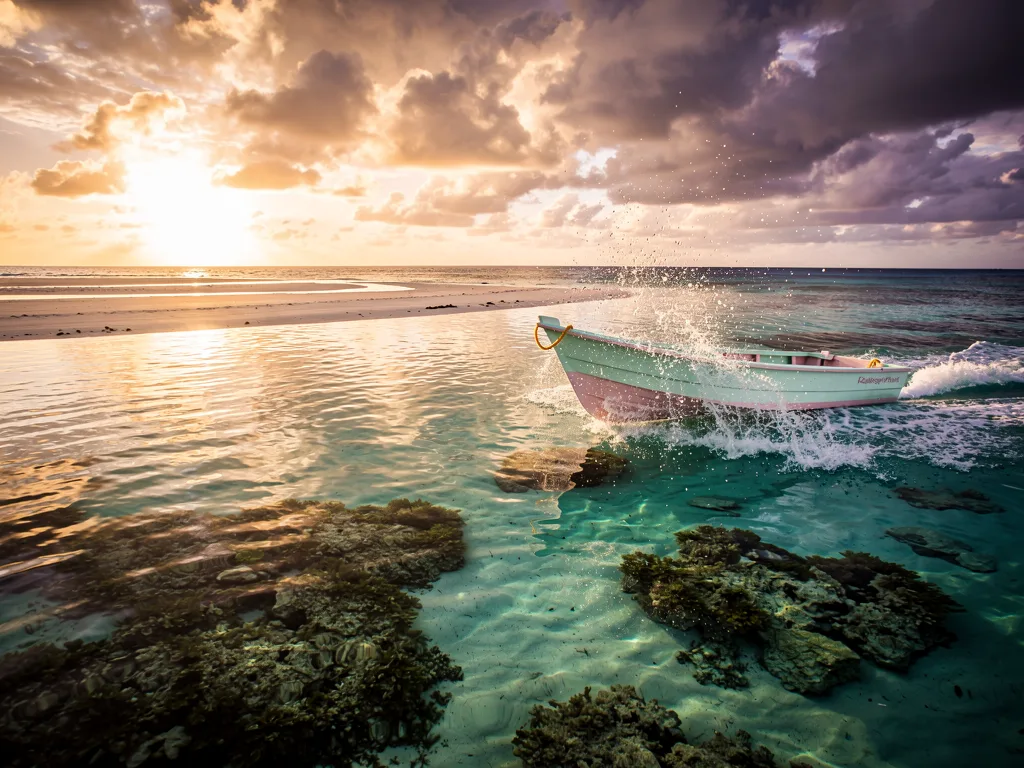
Rising from the depths of the North Atlantic Ocean, approximately 965 kilometers (600 miles) off the coast of North Carolina, Bermuda stands as one of the world's most accessible yet extraordinary fishing destinations. This British Overseas Territory combines the thrill of deep-sea big game fishing with the serene challenge of flats fishing—all within a compact archipelago that welcomes anglers with remarkably simple regulations. Fishing in Bermuda offers something found almost nowhere else: world-class marlin, tuna, and wahoo fishing without the need for any recreational fishing license.
Picture yourself battling a 227-kilogram (500-pound) Blue Marlin in the cobalt waters of Challenger Bank, or stalking trophy-sized Bonefish on crystal-clear flats where these "gray ghosts" can reach an astounding 5.5 kilograms (12 pounds). Bermuda delivers these experiences with a sophisticated infrastructure, English-speaking guides, and a maritime heritage that spans four centuries.
Whether you're a tournament-chasing billfish angler, a fly-fishing purist seeking bonefish on the flats, or a family looking for a productive reef fishing adventure, Bermuda provides accessible, world-class angling opportunities throughout the year.
01Do You Need a Fishing License in Bermuda?
The Short Answer: No License Required!
Here's the best news for traveling anglers: Bermuda does not require any fishing license for recreational shore fishing or fishing aboard licensed charter boats. This policy applies to all visitors regardless of nationality, making Bermuda one of the most angler-friendly destinations in the world.
You can simply arrive, grab your rod, and fish from any public beach, dock, jetty, or rocky shoreline without any paperwork, fees, or applications. If you book a charter boat, the vessel itself holds the necessary commercial license—your participation is covered automatically.
Tip: While no license is required, you must still follow all fishing regulations including size limits, bag limits, and protected species rules. Ignorance of these laws is not a defense and can result in significant fines.
Exceptions: Activities That DO Require Permits
Only a few specialized activities require permits, and most are restricted to Bermuda residents:
| Activity | Permit Required | Fee | Eligibility |
|----------|-----------------|-----|-------------|
| Spearfishing | Yes | $130 BMD | Bermuda residents only |
| Lobster diving | Yes | $130 BMD | Bermuda residents only |
| Commercial fishing | Yes | $440 BMD per vessel + $30 per fisherman | Licensed operators only |
Visitors cannot obtain spearfishing or lobster diving permits. If you're interested in these activities, you'll need to book with a licensed commercial operator who can legally harvest while you observe.
How Residents Apply for Special Permits
Bermuda residents seeking spearfishing or lobster diving licenses must apply through the Department of Environment and Natural Resources:
02The Best Fishing Spots in Bermuda
Bermuda's fishing grounds are defined by its unique underwater topography. The island sits atop an extinct volcanic seamount, surrounded by steep drop-offs that plunge from shallow coral reefs into the abyssal plain. This creates three distinct fishing environments: offshore banks, barrier reefs, and inland flats.
Challenger Bank — The Big Game Capital
Distance from shore: Approximately 19 kilometers (12 miles) southwest
Depth: Summit at 55 meters (180 feet), dropping to 800+ meters (2,600+ feet)
Challenger Bank represents Bermuda's premier big game fishing destination. This submerged seamount rises dramatically from the surrounding deep ocean, creating an ecosystem that attracts apex predators in remarkable numbers. The bank's structure includes steep walls, plateaus, and underwater pinnacles that concentrate baitfish—and the pelagic giants that hunt them.
What makes Challenger Bank special: Unlike many billfish destinations where locating fish requires covering vast distances, Challenger Bank consistently holds fish. The underwater topography creates natural feeding stations where Blue Marlin, Yellowfin Tuna, and Wahoo congregate to ambush prey. Local captains have refined techniques over decades, knowing precisely where to position baits based on currents, water temperature, and seasonal patterns.
Target species:
Best techniques: Trolling large lures and rigged ballyhoo for marlin; high-speed trolling for wahoo; chunking and jigging for tuna. Most charters employ a spread of four to seven lines, covering multiple depths and water columns.
Access: Charter boats only. The bank lies beyond the range of most rental boats, and the fishing requires specialized knowledge and equipment. Plan a full-day charter to maximize your time on the water.
Argus Bank — For Trophy Seekers
Distance from shore: Approximately 48 kilometers (30 miles) southwest
Depth: Summit at 55 meters (180 feet), surrounded by thousands of feet of water
If Challenger Bank is Bermuda's big game capital, Argus Bank is its trophy room. This remote offshore seamount sits at the edge of Bermuda's Exclusive Economic Zone, requiring commitment from anglers willing to make the longer run. The reward? Access to the largest pelagic species and some of the Atlantic's least-pressured fishing grounds.
What makes Argus Bank special: The distance from shore means fewer boats and less fishing pressure. The deep-water location attracts larger predators that might be warier at Challenger Bank. For serious anglers pursuing personal bests or tournament preparation, Argus offers the best opportunity for truly massive fish.
Target species:
Best techniques: Large trolling lures for marlin; deep dropping (300+ meters/1,000+ feet) with electric reels or heavy hand-crank setups for swordfish; chunking for tuna.
Best season: June through September, when calmer weather makes the long run feasible. The window of opportunity is narrower than Challenger Bank due to weather constraints.
Access: Full-day charter required. The run takes 60-90 minutes each way, leaving approximately 5-6 hours of fishing time. Serious anglers should consider extended trips or overnight options.
North Rock — Accessible Offshore Action
Distance from shore: Approximately 11 kilometers (7 miles) northeast
Depth: Shallow reef plateau dropping to 70+ meters (230+ feet)
North Rock provides the perfect compromise for anglers wanting offshore action without committing to the longer runs to Challenger or Argus Banks. This reef system rises from deeper water, creating a productive fishing ground that's accessible on half-day charters.
What makes North Rock special: The variety of fishing available in a compact area. Within a short distance, you can transition from trolling for pelagic species to bottom fishing for reef dwellers. This makes North Rock ideal for mixed-bag trips, families, or anglers new to Bermudian waters.
Target species:
Best techniques: Trolling with smaller lures and feathers for tuna and barracuda; bottom fishing with cut bait for snapper; vertical jigging for amberjack.
Best season: April through November, though species composition varies throughout the year.
Access: Half-day or full-day charters. The relatively short run allows for maximum fishing time on half-day trips.
Harrington Sound — The Bonefish Frontier
Location: Central Bermuda (inland body of water)
Character: Sheltered sound with flats, deeper channels, and shoreline structure
Harrington Sound offers something unexpected in Bermuda: accessible flats fishing for Bonefish without the need for extensive boat travel. This inland sound connects to the ocean through Flatts Inlet, allowing marine species to enter while providing calm, shallow water perfect for sight fishing.
What makes Harrington Sound special: Bermuda's Bonefish are legendary among those in the know. These fish average larger than their Caribbean counterparts, with 3-5.5 kilogram (7-12 pound) specimens common. The clear, shallow water of Harrington Sound allows sight fishing—stalking fish you can see—and the sheltered location means fishing continues even when wind makes offshore trips uncomfortable.
Target species:
Best techniques: Fly fishing with Crazy Charlie, Gotcha, or spawning shrimp patterns; light spinning tackle with small jigs and soft plastics. Sight fishing requires polarized sunglasses, careful wading or boat positioning, and delicate presentations.
Best season: April through October, with late spring and early fall offering the best combination of weather and fish activity.
Access: Shore fishing is possible at designated public areas. Guided flats trips with specialized skiffs or wading guides provide the best success rates.
The Sluice — Premium Flats Fishing
Location: Western end of the archipelago
Character: Shallow, clear flats with sandy and grassy bottom
The Sluice has earned a reputation among traveling fly anglers as Bermuda's premium flats fishing destination. This western flat features the clear, shallow water ideal for sight casting, and holds some of the largest Bonefish in Bermudian waters.
What makes The Sluice special: The accessibility combined with trophy potential. Unlike remote bonefishing destinations requiring long boat rides, The Sluice is reachable by short boat runs or even wading from shore in some areas. The Bonefish here have seen comparatively little pressure, making them—by bonefish standards—somewhat more approachable than fish in heavily-fished destinations.
Target species:
Best techniques: Fly fishing with 8-10 weight rods, floating lines, and patterns like the Crazy Charlie or Gotcha in sizes 6-8. Delicate presentations are essential—bonefish spook easily from poorly-placed casts.
Best season: April through October, with May and June often providing the calmest conditions for sight fishing.
Access: Wading is possible in some areas, though guided trips are strongly recommended for those unfamiliar with the flats. Local guides know the productive areas, optimal tides, and approach strategies.
🎣 Fishing tours in Bermuda — Book guided fishing tours with local experts.
03Fishing Tours & Charter Experiences in Bermuda
Bermuda's charter fleet ranges from full-service sportfishing operations to affordable family-friendly boats. Most charters depart from the western parishes (Sandys, Southampton) or from St. George's in the east, with running times to prime fishing grounds varying accordingly.
Deep Sea & Offshore Charters
Full-day offshore charters represent the best value for serious anglers. These trips typically run 8-10 hours and target Challenger or Argus Banks for billfish, tuna, and wahoo.
What's included: All tackle, bait, ice, safety equipment, and fishing licenses (covered by the boat's commercial license). Most boats provide soft drinks, water, and basic snacks. Many captains will fillet your catch, and some arrangements allow you to bring fish to local restaurants for preparation.
What to bring: Polarized sunglasses, sunscreen (reef-safe), hat, camera, seasickness medication if needed, and personal beverages if desired (alcohol usually permitted in moderation).
Charter Pricing (2026 Season)
| Trip Type | Duration | Price Range (BMD/USD) | Target Species |
|-----------|----------|------------------------|----------------|
| Reef Half Day | 4-5 hours | $650-$1,250 | Snapper, Triggerfish, Amberjack |
| Offshore Half Day | 4 hours | $950-$1,800 | Mahi-mahi, Barracuda, Tuna |
| 3/4 Day Offshore | 6 hours | $1,150-$2,000 | Wahoo, Tuna, Mahi-mahi |
| Full Day Offshore | 8 hours | $1,300-$2,200 | Wahoo, Tuna, Marlin |
| Full Day Marlin | 8 hours | $2,250-$2,500 | Blue Marlin, White Marlin |
| Tournament Charter | 8-10 hours | $2,400-$3,500 | Billfish (catch & release) |
| Extended Argus Trip | 10+ hours | $2,800-$3,500 | Trophy Marlin, Swordfish |
Currency note: The Bermuda Dollar (BMD) is pegged 1:1 with the US Dollar. US currency is accepted everywhere. For international visitors: €1 ≈ $1.08 BMD (verify current exchange rates).
Recommended Charter Operators
| Operator | Specialty | Location |
|----------|-----------|----------|
| Sea Wolfe Sportfishing | Fly fishing, light tackle | Sandys Parish |
| GF Charters | Offshore, marlin specialists | Sandys Parish |
| Rum Pirate Fishing | Affordable offshore trips | Sandys Parish |
| Atlantic Spray Charters | Deep sea fishing | St. George's |
| Attitude Adjustment Charters | Family-friendly reef trips | Sandys Parish |
| Paradise One | Premium offshore experience | Various |
| Reel Addiction | Tournament-level sportfishing | Various |
Tip: Book well in advance for summer months (June-August) and during the Bermuda Triple Crown Billfish Championship in July. The best captains are often fully booked weeks or months ahead during peak season.
Flats Fishing Guides
Bonefishing requires specialized knowledge and equipment that differs from offshore charters. Dedicated flats guides operate small skiffs designed for shallow water and provide fly-fishing instruction for beginners.
Typical pricing: $400-$700 for half-day guided flats trips, usually for 1-2 anglers. This includes tackle, flies, and expert local knowledge of productive flats and optimal tides.
Booking Platforms
🚤 Charter fishing in Bermuda — Find and book charter boats with experienced captains.
04Fish Species & Fishing Techniques
The Blue Marlin — Bermuda's Crown Jewel
Bermuda's Blue Marlin fishery stands among the Atlantic's finest. The island's location along the Gulf Stream's edge and its proximity to deep underwater structures create ideal habitat for these magnificent billfish.
Peak season: May through October, with July and August producing the highest catch rates.
Average size: 136-227 kilograms (300-500 pounds), with larger specimens exceeding 454 kilograms (1,000 pounds).
Techniques: Trolling large artificial lures (typically 12-16 inch "marlin lures") at speeds of 6-8 knots. Many captains also deploy natural baits like rigged ballyhoo or mackerel. Standard spread involves 4-7 lines covering different positions and depths.
Catch and release: The vast majority of Blue Marlin caught in Bermuda are released. The Bermuda Department of Environment encourages catch-and-release for all billfish, and local tournaments operate under strict release formats.
Wahoo — Speed and Table Quality
Wahoo provide year-round action in Bermudian waters, though winter months (December through March) produce the largest specimens.
Peak season: Year-round, with trophy fish most common December-February.
Average size: 14-23 kilograms (30-50 pounds); winter fish can exceed 59 kilograms (130 pounds).
Techniques: High-speed trolling (12-18 knots) with wire leaders (essential due to their razor-sharp teeth) and brightly colored lures or strip baits. Wahoo strikes are explosive, often hitting trolled baits at high speed without warning.
Table quality: Excellent. Wahoo is prized for its firm, white flesh and mild flavor. Many Bermudian restaurants feature wahoo preparations.
Yellowfin Tuna — Power and Versatility
Yellowfin Tuna combine raw fighting power with culinary excellence, making them prized targets for anglers worldwide.
Peak season: June through September, though some fish are present year-round.
Average size: 14-45 kilograms (30-100 pounds), with larger specimens possible at Argus Bank.
Techniques: Trolling feather jigs, cedar plugs, and small lures; chunking with pieces of fish; vertical jigging when fish are located. Yellowfin respond well to chumming and can be brought within casting range of light tackle.
Bonefish — The Flats Challenge
Bermuda's Bonefish fishery remains something of a secret, but those who've experienced it rank it among the world's finest.
Peak season: April through October.
Average size: Exceptionally large by bonefish standards—3-5.5 kilograms (7-12 pounds) is typical.
Techniques: Fly fishing with Crazy Charlie, Gotcha, or spawning shrimp patterns on 8-10 weight rods. Light spinning tackle with small jigs also produces. Sight fishing requires stealth, accurate casting, and quick hooksets.
Challenge rating: High. Bonefish are notoriously wary and easily spooked. Successful anglers need patience, precise presentations, and willingness to stalk fish carefully.
Reef Species — Snapper and Grouper
The coral reefs surrounding Bermuda hold excellent populations of snappers, groupers, and other bottom-dwelling species.
Target species: Lane Snapper, Yellowtail Snapper, Gray Snapper, Black Grouper, Red Hind, Triggerfish, Hogfish.
Techniques: Bottom fishing with cut bait (squid, fish chunks); chumming to bring fish up from the bottom; light jigging over structure.
Note on grouper regulations: Black Grouper is subject to strict size limits (95 cm/37.5 in minimum) and a one-fish daily bag limit. Several grouper species are completely protected—see the Protected Species section.
05Bermuda Fishing Regulations You Must Know
Minimum Size Limits
Bermuda enforces minimum size limits for many species. You must carry a suitable measuring device on board.
| Species | Minimum Size |
|---------|--------------|
| Black Grouper | 95 cm (37.5 in) fork length |
| Yellowmouth Grouper | 50 cm (20 in) fork length |
| Red Hind | 35 cm (14 in) fork length |
| Yellowtail Snapper | 30 cm (12 in) fork length |
| Lane Snapper | 25 cm (10 in) fork length |
| Hogfish | 45 cm (18 in) fork length |
| Wahoo | 3.2 kg (7 lbs) |
| Yellowfin Tuna | 3.2 kg (7 lbs) |
| Bluefin Tuna | 115 cm (45 in) AND 30 kg (66 lbs) |
| Swordfish | 125 cm (49 in) AND 25 kg (55 lbs) |
| Blue Marlin | 114 kg (250 lbs) |
| White Marlin | 23 kg (50 lbs) |
Daily Bag Limits
| Species | Limit Per Vessel Per Day |
|---------|--------------------------|
| Black Grouper | 1 fish |
| Yellowmouth Grouper | 1 fish |
| Lane Snapper | 30 fish |
| Red Hind | 10 fish (May 1 - Aug 31 only) |
Protected Species — Strictly No Take
The following species are completely protected in Bermuda. If caught, they must be released immediately with minimal handling:
Protected Fish:
Protected Marine Life:
Violations carry penalties up to $50,000 BMD and/or imprisonment.
Seasonal and Area Closures
Seasonally Protected Areas (May 1 - August 31):
Extended Closures (April 15 - November 30):
Permanently Closed Areas:
Net Fishing Prohibited:
Consult the official Bermuda's No Fishing Areas map before heading out.
06Practical Travel Information for Anglers
When to Visit: Seasonal Guide
Bermuda's fishing varies dramatically by season. Understanding these patterns helps you plan your trip around your target species.
| Season | Months | Conditions | Best For |
|--------|--------|------------|----------|
| Spring | April-May | Warming waters, calmer seas, pleasant temperatures | Tuna, Wahoo, early Marlin |
| Summer | June-August | Peak season, warm, tournaments, occasional tropical systems | Marlin, all pelagics |
| Fall | September-November | Excellent variety, fewer crowds, cooling waters | Tuna, White Marlin, Wahoo |
| Winter | December-March | Can be windy/rough, cooler, best trophy Wahoo season | Trophy Wahoo, Tuna |
For Northern Hemisphere visitors: Bermuda's summer (June-August) coincides with peak angling tourism. Book early and expect higher prices. Fall offers excellent fishing with better availability.
For Southern Hemisphere visitors: Remember that Bermuda's seasons are reversed. Our winter (December-February) is your summer—but it's Wahoo season here, not prime marlin time.
Getting to Bermuda
By Air:
By Cruise: Regular cruise ship calls at Royal Naval Dockyard. Cruise passengers can book shore excursion fishing trips or arrange private charters—though timing flexibility is limited.
Visa Requirements
Good news: Bermuda maintains straightforward entry requirements for most anglers:
Important: Always verify current requirements with Bermudian authorities or your country's foreign affairs department before traveling.
Language and Communication
English is Bermuda's official language. All charters, guides, and fishing-related businesses operate in English. No translation services are typically needed for angling activities.
Currency and Payments
Approximate prices in context:
Tipping Customs
Charter crews expect gratuity of 10-20% of the charter price, similar to North American customs. Tip in cash (USD or BMD) directly to the mate or captain.
Health and Safety
🏨 Accommodation near fishing spots in Bermuda — Find hotels and lodges close to the best waters.
07Equipment Recommendations
What to Bring
While Bermuda charters provide all necessary fishing equipment, experienced anglers often prefer bringing personal gear:
For offshore fishing:
For flats fishing:
What's Provided on Charters
🛒 Fishing equipment for Bermuda — Find the right gear for your trip.
08Frequently Asked Questions
Do I need a fishing license to fish in Bermuda?
No. Bermuda does not require any fishing license for recreational shore fishing or fishing from licensed charter boats. This applies to all visitors regardless of nationality. You simply arrive and fish—just follow regulations regarding size limits, bag limits, and protected species.
Can I keep the fish I catch in Bermuda?
Yes, subject to regulations. You may keep fish that meet minimum size requirements and don't exceed bag limits. Many charters will fillet your catch for you. Some local restaurants will even prepare your fish for a fee—ask your captain about this option.
What is the best month for marlin fishing in Bermuda?
July and August are considered peak months for Blue Marlin in Bermuda, coinciding with the Bermuda Triple Crown Billfish Championship. However, marlin are caught from May through October, so you have a wide window for planning your trip.
Are there any dangerous fish in Bermuda's waters?
Bermuda's waters are generally safe. Barracuda may be encountered but rarely pose threats to divers or waders. Sharks exist but attacks are extremely rare. Standard ocean caution applies—watch your footing on rocks, and be mindful of sea urchins in rocky areas.
Can I fish from the shore in Bermuda?
Absolutely. Shore fishing requires no license and can be productive. Public beaches, docks, and rocky shorelines offer access to snappers, grunts, and occasional pelagic species. Check area closures before fishing, and respect private property.
How much does a fishing charter cost in Bermuda?
Charter prices range from approximately $650 BMD for a half-day reef trip to $2,500+ BMD for full-day marlin expeditions. A typical full-day offshore charter runs $1,300-$2,200 BMD. Prices include equipment, bait, and beverages; crew gratuity (15-20%) is additional.
Is fly fishing available in Bermuda?
Yes. Bermuda offers excellent bonefishing on shallow flats, particularly at Harrington Sound and The Sluice. Bonefish here grow exceptionally large—averaging 3-5.5 kg (7-12 lbs). Specialized flats guides operate small skiffs for sight fishing.
What should I do if I catch a protected species?
Release it immediately. Protected species like parrotfish, Nassau grouper, and sea turtles must be released unharmed if caught. Handle fish minimally, keep them in the water if possible, and release them quickly. Ignorance of protected species is not a legal defense.
09Conclusion
Bermuda delivers something increasingly rare in the fishing world: world-class angling without bureaucratic barriers. No license applications, no complicated permit systems, no weeks-long waiting periods. You arrive, you book a charter or grab your rod, and you fish.
The fishing itself exceeds expectations. Challenger Bank produces consistent billfish action that rivals any Atlantic destination. The flats harbor Bonefish of trophy proportions that few locations can match. The reefs offer productive action for delicious snapper and grouper species. And Bermuda's maritime infrastructure—experienced captains, quality boats, and professional service—ensures your angling investment translates into memorable experiences on the water.
Whether you're planning a dedicated fishing trip or adding angling to a Bermuda vacation, this British Overseas Territory deserves serious consideration. The combination of accessibility, variety, and quality makes Bermuda one of the Atlantic's most complete fishing destinations.
Plan your Bermudian fishing adventure today. Book a charter, pack your gear, and discover why anglers return to these waters year after year.
10Sources & Further Links
*Disclaimer: This article was last updated in January 2026. Fishing regulations, prices, and conditions change frequently. Always verify current rules with the Bermuda Department of Environment and Natural Resources before fishing. Prices listed are approximate and subject to change. Mention of specific charter operators does not constitute endorsement. Fishing World Guide accepts no liability for actions taken based on this information.*
Recommended tours
Fishing trips in Bermuda
Curated tours & charters with price and click data from our partner dashboards.
 FishingBooker
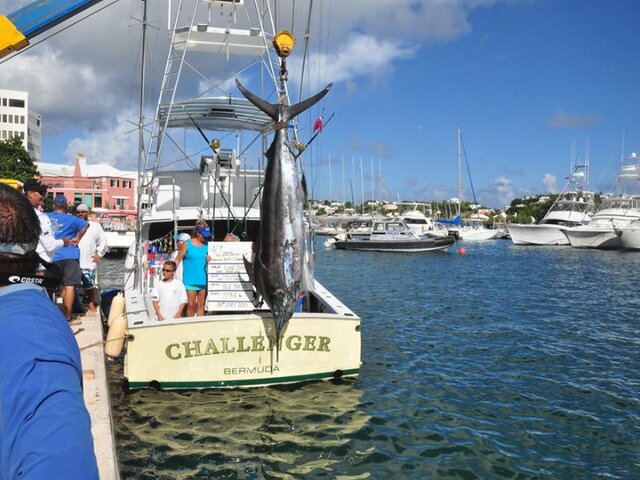
Challenger Charter Fishing Bermuda
 FishingBooker
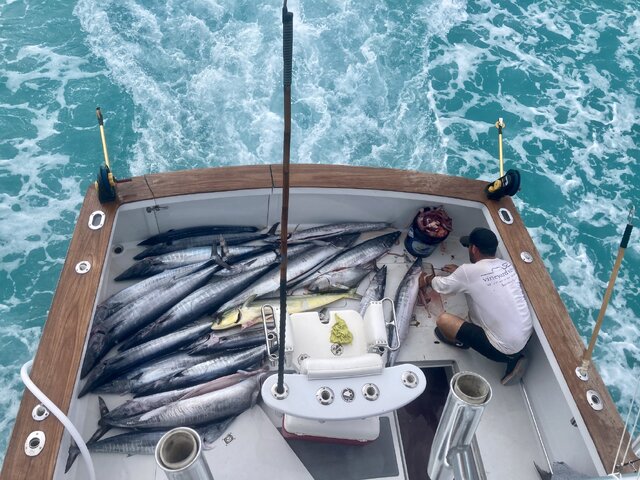
Rum Pirate Fishing
 FishingBooker
GF Charters
Don't miss any fishing tips!
Get the best fishing destination recommendations weekly in your inbox.
No spam. Unsubscribe anytime.
Read more
Data incorrect?
Help us keep this article up to date — report outdated or incorrect information
More articles