Buy License Online
Buy fishing license for Argentina online
Official authority website
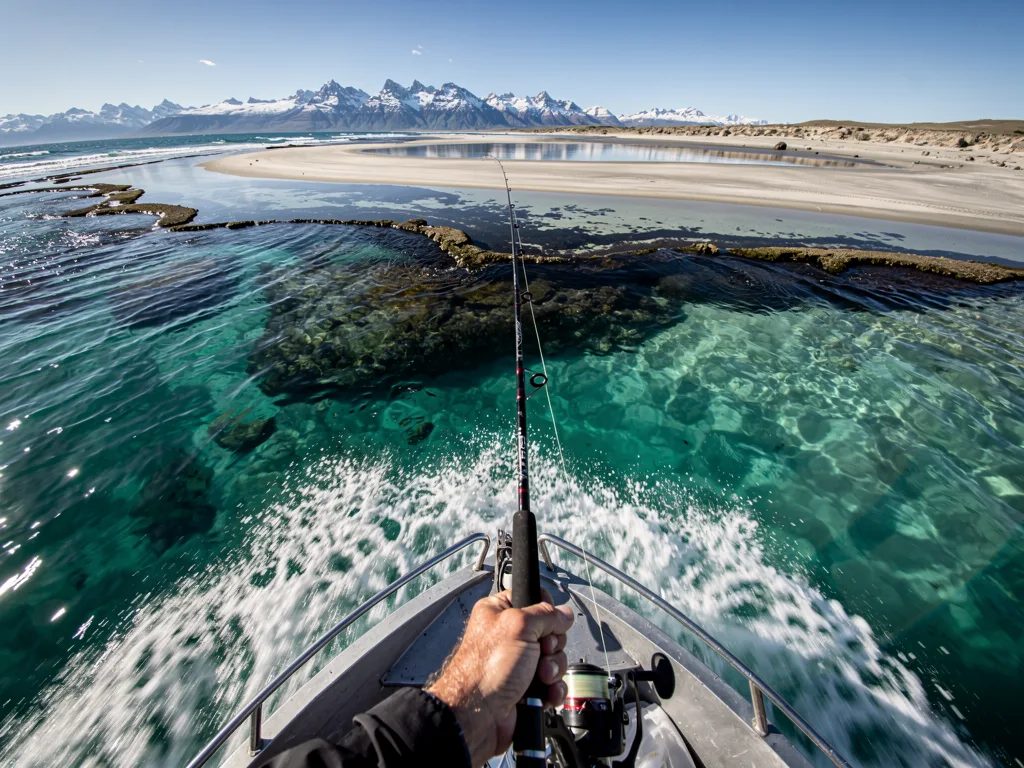
Imagine standing waist-deep in a crystal-clear Patagonian river, snow-capped Andes mountains towering in the background, as a 10-pound brown trout rises to inspect your dry fly. Or picture yourself in the subtropical wetlands of northern Argentina, locked in a furious battle with a golden dorado—a fish so aggressive it's nicknamed "the tiger of the river." This is fishing in Argentina, where the diversity of species, landscapes, and experiences rivals any destination on Earth.
Argentina stretches from the subtropical north to the subantarctic south, offering anglers everything from trophy trout in windswept Patagonia to exotic species in jungle rivers. Whether you're a fly-fishing purist chasing world-record sea-run brown trout in Tierra del Fuego or an adventurer seeking the explosive strikes of golden dorado, Argentina delivers unforgettable angling experiences.
This comprehensive guide covers everything you need to know: fishing licenses and permits, the best fishing spots, guided tour options, practical travel information, and essential tips for international anglers planning their Argentine fishing adventure.
01Fishing Licenses and Permits in Argentina
Is a Fishing License Required?
Yes, absolutely. A valid fishing license (permiso de pesca) is mandatory for all anglers in all Argentine waters. There are no exceptions for tourists or short-term visitors. During inspections, you must present your license together with valid identification (passport for international visitors).
Argentina operates under a regional licensing system. For Patagonia—the country's premier trout fishing region—all provinces (Neuquén, Río Negro, Chubut, Santa Cruz, and Tierra del Fuego) have unified under a single Patagonian Fishing Regulation (Reglamento de Pesca Deportiva Continental Patagónico). This means one license covers all Patagonian waters, simplifying logistics considerably.
Types of Fishing Licenses (2025/2026 Season)
Argentina distinguishes between residents and non-residents for license fees. As an international angler, you fall into the "non-resident foreigner" category.
For Non-Resident Foreigners:
| License Type | Code | Price (ARS) | Approximate Price |
|--------------|------|-------------|-------------------|
| Daily | E-D | 50,000 ARS | ~45 EUR / ~48 USD |
| 10-Day | E-10 | 140,000 ARS | ~125 EUR / ~135 USD |
| Season | E-T | 280,000 ARS | ~250 EUR / ~270 USD |
Note: Prices are subject to change due to Argentine inflation. Always verify current rates on official websites before purchasing.
For Residents and Long-Term Visitors:
If you hold Argentine residency or are a citizen, significantly lower rates apply:
| License Type | Code | Price (ARS) | Approximate Price |
|--------------|------|-------------|-------------------|
| Daily | RP-D | 10,000 ARS | ~9 EUR / ~10 USD |
| 10-Day | RP-10 | 20,000 ARS | ~18 EUR / ~19 USD |
| Season | RP-T | 40,000 ARS | ~36 EUR / ~39 USD |
Free licenses are available for:
Additional Permits
Trolling Permit (Permiso Adicional de Trolling)
Trolling (dragging lures behind a moving boat) requires an additional permit beyond your standard fishing license:
| Type | Price (ARS) | Approximate Price |
|------|-------------|-------------------|
| Daily (AT-D) | 20,000 ARS | ~18 EUR |
| 10-Day (AT-10) | 40,000 ARS | ~36 EUR |
| Season (AT-T) | 80,000 ARS | ~72 EUR |
Premium Zone Permit (Permiso Adicional Zona Preferencial)
Certain world-renowned waters require an additional permit:
| Type | Price (ARS) | Approximate Price |
|------|-------------|-------------------|
| Daily (AZP-D) | 10,000 ARS | ~9 EUR |
| 10-Day (AZP-10) | 20,000 ARS | ~18 EUR |
| Season (AZP-T) | 40,000 ARS | ~36 EUR |
Premium zones include:
Where to Purchase Your Fishing License
Online (Recommended):
Digital licenses with QR codes are officially recognized and preferred by most anglers. You'll receive a PDF that you can store on your phone or print.
In Person:
Tip: Purchase your license online before arriving at remote fishing locations. Internet access can be unreliable in Patagonia's wilderness areas.
02The Best Fishing Spots in Argentina
Argentina's vast territory offers dramatically different fishing experiences. Here are the premier destinations that make this country a world-class angling destination.
Río Grande, Tierra del Fuego — The Sea-Run Brown Trout Capital
The Río Grande on Tierra del Fuego island is arguably the world's finest fishery for sea-run brown trout. These anadromous trout spend years feeding in the rich South Atlantic before returning to the river to spawn, growing to extraordinary sizes.
What Makes It Special:
Best Time: January through April, with peak fishing in February and March
Techniques: Spey casting with sinking lines and large streamers is the preferred method. Two-handed rods dominate here due to the powerful winds that regularly sweep across Tierra del Fuego.
What to Expect:
This is serious fishing for dedicated anglers. The weather is challenging—expect strong winds, cold temperatures, and rapidly changing conditions. But the reward is the chance to hook the largest brown trout of your life. The river flows through remote sheep estancias, and access is controlled. Most anglers book through lodges that hold fishing rights.
Lago Strobel ("Jurassic Lake") — Trophy Rainbow Trout Paradise
If you dream of catching rainbow trout that average 10 pounds—with realistic chances of landing fish over 15 pounds—Lago Strobel is your destination. Known colloquially as "Jurassic Lake," this remote waterbody in Santa Cruz Province produces some of the largest rainbows on Earth.
What Makes It Special:
Best Time: October through April, with December through March offering the most consistent fishing
Techniques: Streamers, nymphs, and dry flies all work. The fish here are aggressive and not particularly selective—they've grown enormous on a diet of freshwater shrimp (scuds).
What to Expect:
Getting here is an adventure. Lago Strobel lies in one of Argentina's most remote regions, requiring either a long 4x4 journey or charter flight. The wind can be brutal—this is Patagonia, after all. But the fishing is simply extraordinary. Anglers regularly report landing 20+ fish per day, with multiple specimens exceeding 10 pounds.
Río Limay — Classic Patagonian Trout Fishing
The Río Limay offers the quintessential Patagonian fly-fishing experience. Flowing from Lake Nahuel Huapi near Bariloche, this major river holds healthy populations of brown and rainbow trout in a stunning mountain setting.
What Makes It Special:
Best Time: November through May, with peak dry fly action in December-January and excellent streamer fishing in March-April
Techniques: The Limay is known for its "marrón" (brown trout) that aggressively chase large streamers. During hatches, dry fly fishing can be exceptional. Euro-nymphing is highly effective in the faster runs.
What to Expect:
The river has several distinct sections. The "Boca" (mouth) area where the Limay exits Lake Nahuel Huapi is legendary for large browns. Further downstream, the middle Limay offers more secluded fishing with less pressure. Day trips from Bariloche are easy to arrange, making this an excellent choice for anglers combining fishing with a broader Patagonian vacation.
Paraná River and Iberá Wetlands — Golden Dorado Territory
Northern Argentina offers a completely different angling experience: the chance to battle golden dorado, one of the world's most aggressive freshwater gamefish. The Paraná River system and the vast Iberá Wetlands form a subtropical paradise for anglers seeking explosive surface strikes and acrobatic fights.
What Makes It Special:
Best Time: September through May, with peak fishing in October-November (spawning run) and March-April (post-spawn)
Techniques:
What to Expect:
Golden dorado fishing is adrenaline-fishing at its finest. These fish explode on surface lures, leap repeatedly when hooked, and fight with an intensity that borders on ferocious. The setting feels primeval—capybaras and caimans watch from the banks, and colorful birds fill the trees.
The Iberá Wetlands (Esteros del Iberá) offer a more intimate, fly-fishing-focused experience with clear water and sight-fishing opportunities. The main Paraná River produces larger fish but requires heavier tackle.
Río Malleo — Dry Fly Heaven
For fly-fishing purists who love technical dry fly fishing, the Río Malleo is near-mythical. This spring creek-like river in northern Patagonia offers challenging fishing for wild trout that rise selectively to naturals.
What Makes It Special:
Best Time: November through May, with peak dry fly fishing December through February
Techniques: Dry fly fishing at its finest. Matching the hatch matters here—bring a well-stocked fly box with caddis patterns (elk hair caddis in various sizes), mayfly imitations, and attractor dries.
What to Expect:
The Malleo demands respect. These are educated fish that have seen plenty of flies. Presentation matters more than pattern—drag-free drifts are essential. But when you fool a Malleo brown trout on a dry fly, you've accomplished something genuinely satisfying. The river runs through beautiful country with relatively light fishing pressure, especially in the upper reaches.
🎣 Fishing tours in Argentina — Book guided fishing tours with local experts who know these waters intimately.
03Guided Fishing Tours and Charters
For most international anglers, booking a guided trip is the most practical way to fish Argentina. Local guides provide equipment, transportation, local knowledge, and access to the best waters—including private stretches you couldn't fish otherwise.
Types of Guided Experiences
Day Trips
Patagonia (Trout Fishing):
Northern Argentina (Golden Dorado):
Multi-Day Lodge Packages
For serious anglers, a stay at a fishing lodge offers the complete experience: comfortable accommodations, excellent meals, and daily guided fishing on prime waters.
Patagonian Trout Lodges (7 nights/6 days fishing):
Golden Dorado Lodges (4-7 nights):
Float Trips and River Expeditions
For a truly immersive experience, consider a multi-day float trip where you camp on the riverbank and fish remote water unreachable by day trips.
Limay River overnight floats: USD 800-1,200 per person for 2-3 days
What's Typically Included
| Inclusions | Standard Packages | Premium Packages |
|------------|-------------------|------------------|
| Accommodation | ✓ | ✓ |
| All meals | ✓ | ✓ |
| Wine/beer with dinner | Sometimes | ✓ |
| Guided fishing | ✓ | ✓ |
| Transfers | Sometimes | ✓ |
| Equipment rental | Extra | Often included |
| Fishing license | Extra | Sometimes included |
| Gratuities | Extra | Extra |
Recommended Outfitters and Platforms
International Booking Platforms:
Reputable Lodge Operations:
Booking Tip: For peak season (January-February in Patagonia, October-November for dorado), book 9-12 months in advance. The best lodges fill quickly.
🚤 Charter fishing in Argentina — Find and book charter boats with experienced captains who know where the fish are.
04Fishing Regulations and Rules
Argentina takes its fishing regulations seriously, and violations can result in fines, equipment confiscation, and bans from fishing. Here's what you need to know.
Fishing Seasons
Patagonia (Trout and Salmon):
Northern Argentina (Golden Dorado and Warm-Water Species):
Catch Limits and Size Restrictions
| Species | Minimum Size | Daily Limit | Notes |
|---------|--------------|-------------|-------|
| Brown Trout | None specified | Catch & Release in most rivers | 1 per day in some lakes |
| Rainbow Trout | None specified | Catch & Release in most rivers | 1 per day in some lakes |
| Atlantic Salmon | None | Catch & Release mandatory | All waters |
| Golden Dorado | 35 cm | Catch & Release recommended | Some areas allow harvest |
| Surubí | 85 cm | 1 per day | Large catfish species |
| Pacú | 45 cm | Catch & Release recommended | |
| Pejerrey | 25 cm | 10-40 per day (varies) | Popular food fish |
| Carp | None | Unlimited | Invasive species |
Critical Prohibitions
The following are strictly prohibited throughout Patagonia:
1. Felt-soled waders — Completely banned since November 2023 to prevent the spread of Didymo (rock snot), an invasive algae
2. Lead weights, sinkers, and jigs — Toxic to waterbirds and fish
3. Battery-operated lures — Not permitted
4. Live bait — Prohibited in most waters
5. Fishing within 200 meters of river mouths and tributaries
6. Night fishing — Only fishing during daylight hours is permitted
7. Trolling — Requires additional permit
8. Using more than one rod simultaneously
Catch and Release Requirements
Mandatory Catch and Release applies to:
When practicing catch and release:
Equipment Disinfection Requirements
Important biosecurity regulation: To prevent the spread of Didymo and other invasive organisms, all fishing equipment entering Argentina must be:
1. New (never used), OR
2. Thoroughly disinfected using one of these methods:
- Soak for at least 1 minute in 2% bleach solution (200ml bleach per 10 liters water)
- Soak for at least 1 minute in 5% salt solution (500g salt per 10 liters water)
- Soak in hot water (minimum 60°C/140°F) for at least 1 minute
- Dry in direct sunlight for 48 hours
Warning: Equipment inspections occur at entry points and fishing locations. Using contaminated equipment can result in confiscation and fines.
05Practical Travel Information
Best Time to Visit for Fishing
| Region | Peak Season | Weather Conditions |
|--------|-------------|-------------------|
| Patagonia (trout) | November-April | Summer, 15-25°C (59-77°F), can be windy |
| Tierra del Fuego | January-April | Summer, 10-18°C (50-64°F), often windy |
| Northern Argentina (dorado) | October-November, March-April | Spring/Autumn, 20-28°C (68-82°F) |
| Iberá Wetlands | Year-round (peak Oct-Apr) | Subtropical, warm to hot |
For Northern Hemisphere travelers: Argentina's seasons are reversed. Prime fishing season (November-April) coincides with winter in the Northern Hemisphere, making it an excellent escape from cold weather.
Getting to Argentina
International Flights:
Domestic Connections to Fishing Regions:
Buenos Aires Airports:
Visa Requirements
For tourists from these countries, no visa is required for stays up to 90 days:
Requirements:
Note: Regulations can change. Always verify current visa requirements with Argentine diplomatic missions in your country before traveling.
Language and Communication
Spanish is the official language. In major tourist areas (Bariloche, Buenos Aires), English is spoken at hotels, lodges, and by many guides. In remote areas, expect limited English.
Useful Spanish Terms for Anglers:
| English | Spanish |
|---------|---------|
| Fishing license | Permiso de pesca |
| Trout | Trucha |
| Brown trout | Trucha marrón |
| Rainbow trout | Trucha arco iris |
| Golden dorado | Dorado |
| River | Río |
| Lake | Lago |
| Waders | Waders |
| Flies | Moscas |
| Guide | Guía de pesca |
Translation Apps: Download Google Translate with offline Spanish before traveling to remote areas.
Currency and Payments
Currency: Argentine Peso (ARS)
Argentina has a complex currency situation. The official exchange rate differs significantly from the "blue dollar" (parallel market) rate. This affects how you should handle money:
Tip: Most fishing lodges quote prices in USD and prefer payment in USD or via international bank transfer. This actually simplifies budgeting for international visitors.
Health and Safety
No special vaccinations required for most travelers, but consider:
Sun protection: The UV index is extremely high in Patagonia due to the thin atmosphere and reflection from water. Bring high-SPF sunscreen and quality sunglasses.
Insects: In northern Argentina, use insect repellent to protect against mosquitoes. Dengue fever occurs in some northern provinces.
🏨 Accommodation near fishing spots in Argentina — Find hotels and lodges close to the best waters for your fishing trip.
06Equipment and Costs
What to Bring vs. What to Rent
Bring from Home:
Available for Rent:
Recommended Equipment by Species
For Patagonian Trout
Fly Fishing Setup:
Spinning Setup:
For Golden Dorado
Fly Fishing Setup:
Spinning Setup:
Cost Summary for International Anglers
| Expense Category | Budget Estimate (per person) |
|------------------|------------------------------|
| Fishing license (season) | USD 270 |
| Daily guide/charter | USD 350-700 |
| 7-night lodge package | USD 4,500-8,000 |
| Domestic flights | USD 200-500 per segment |
| Meals in restaurants | USD 20-50 per meal |
| Equipment rental (daily) | USD 50-100 |
🛒 Fishing equipment for Argentina — Find the right gear for your Patagonia trout or golden dorado adventure.
07Fish Species Overview
Brown Trout (Trucha Marrón)
The king of Patagonian rivers. Brown trout were introduced from Europe in the early 20th century and have thrived, growing to impressive sizes. Sea-run browns in Tierra del Fuego represent the pinnacle—fish that spend years in the ocean before returning to freshwater.
Average size: 1-3 kg (2-7 lb) in most rivers; sea-runs average 5+ kg (11 lb)
Record: 16.3 kg (35.9 lb) from Río Grande
Rainbow Trout (Trucha Arco Iris)
The most widespread trout species in Argentina. Rainbows are aggressive, fight hard, and are found in virtually all Patagonian waters. The rainbows of Lago Strobel achieve legendary proportions.
Average size: 1-2 kg (2-4 lb) in most waters; Strobel averages 4.5+ kg (10 lb)
Golden Dorado (Dorado)
The undisputed star of northern Argentina. Golden dorado are powerful, acrobatic fighters with a mouthful of sharp teeth. They attack lures and flies with explosive violence, making them one of the most exciting freshwater species in the world.
Average size: 2-6 kg (4-13 lb)
Trophy size: 10+ kg (22+ lb)
Characteristics: Bright golden-yellow color, powerful jumps, razor-sharp teeth
Surubí
A giant catfish species native to the Paraná River system. Surubí can exceed 100 kg (220 lb) and grow over 2 meters long. They're bottom dwellers that require heavy tackle and patience.
Average size: 10-30 kg (22-66 lb)
Best technique: Bottom fishing with large natural baits
Atlantic Salmon
Present in very limited numbers in certain Patagonian rivers. All Atlantic salmon must be released. They're rare enough that targeting them specifically is generally not worthwhile, but catching one is a special bonus.
Carp (Carpa)
Introduced and invasive. Found in many waters throughout Argentina. No limits apply, and they can be fun to catch on light tackle or fly rod. Consider them a bonus species.
08Frequently Asked Questions
Do I need a fishing license in Argentina?
Yes, a fishing license is mandatory for all anglers in all Argentine waters. Non-resident foreigners can purchase daily (approximately USD 48), 10-day (approximately USD 135), or season licenses (approximately USD 270) online or at authorized vendors.
When is the best time to fish in Patagonia?
The Patagonian trout season runs from November through April. Peak dry fly fishing occurs December through February. For the largest brown trout, March and April (autumn) can be exceptional as fish prepare for spawning.
Can I fish for golden dorado year-round?
Yes, golden dorado fishing is permitted year-round in most northern Argentina waters. However, the best fishing is during the warmer months from October through April. October-November and March-April are considered prime times.
Are felt-soled waders allowed in Argentina?
No. Felt-soled waders and wading boots have been completely banned throughout Patagonia since November 2023 to prevent the spread of Didymo, an invasive algae species. You must use rubber-soled or studded boots.
Do I need to disinfect my fishing equipment before entering Argentina?
Yes. To prevent the spread of invasive species, you must either bring new (unused) equipment or thoroughly disinfect used equipment before arrival. Inspections occur, and contaminated equipment may be confiscated.
How far in advance should I book a fishing lodge in Argentina?
For the peak season (January-February in Patagonia, October-November for dorado), booking 9-12 months in advance is recommended. The best lodges fill quickly, especially those with limited capacity.
Can I keep the fish I catch in Argentina?
In most Patagonian rivers, catch and release is mandatory for trout. Some lakes allow harvesting one trout per day. For golden dorado, catch and release is strongly encouraged. Always check specific regulations for each water body.
Is a guide necessary for fishing in Argentina?
While not legally required, a guide is highly recommended. Local guides know which waters are productive, have access to private stretches, provide transportation in remote areas, and supply local knowledge that dramatically improves your chances of success.
09Conclusion
Argentina offers fishing experiences that rank among the world's finest. From the wind-swept rivers of Tierra del Fuego, where sea-run brown trout grow to world-record proportions, to the subtropical wetlands of the north, where golden dorado ambush prey with explosive violence, this is a country that rewards the traveling angler with extraordinary diversity.
The key to a successful Argentine fishing trip is preparation: secure your license online, book accommodations and guides well in advance for peak season, ensure your equipment meets biosecurity requirements, and allow yourself enough time to experience this vast country properly.
Whether you're a dedicated fly angler pursuing technical dry fly fishing on the Río Malleo, a trophy hunter chasing 20-pound rainbows at Jurassic Lake, or an adventurer seeking the thrill of golden dorado in jungle rivers, Argentina has a fishery that will exceed your expectations.
The waters are waiting. Start planning your Argentine fishing adventure today.
10Sources and Further Links
*Disclaimer: All information in this article is current as of January 2026. Fishing regulations, license fees, and seasons are subject to change. Always verify current requirements with official sources before your trip. Fishing World Guide is not responsible for any inaccuracies or changes to the information provided.*
Recommended tours
Don't miss any fishing tips!
Get the best fishing destination recommendations weekly in your inbox.
No spam. Unsubscribe anytime.
Data incorrect?
Help us keep this article up to date — report outdated or incorrect information
More articles