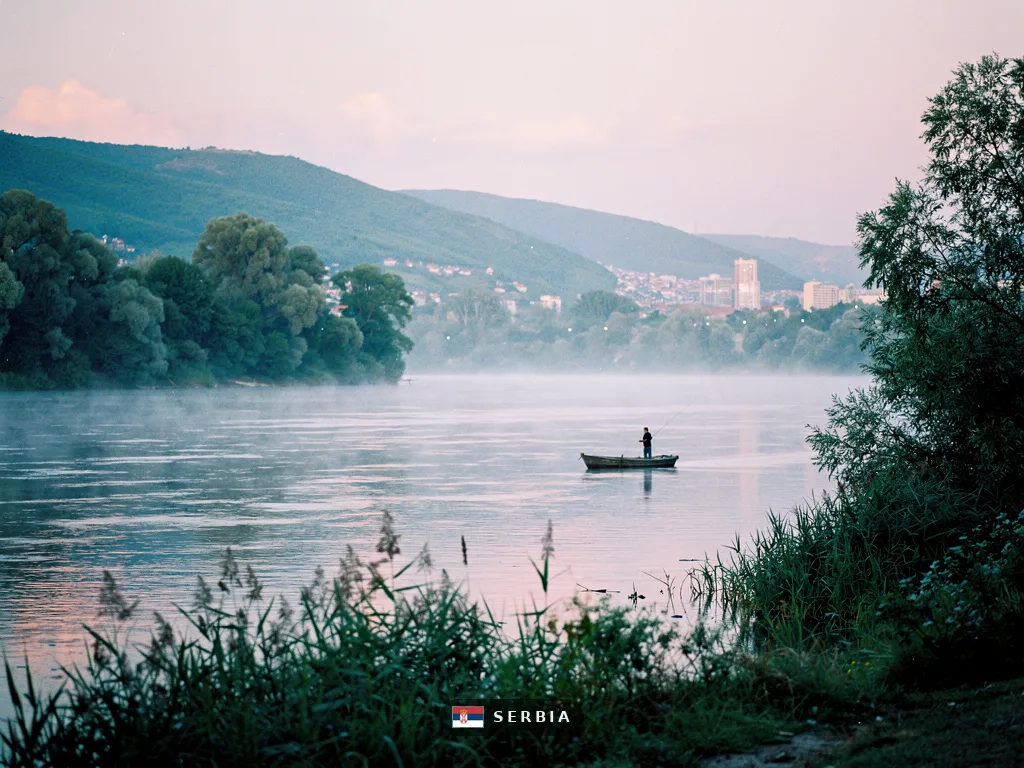
セルビアは釣り旅行の最初の目的地として頭に浮かぶものではないかもしれません。しかし、この内陸バルカン半島国は、ヨーロッパでも最も優れた淡水釣りの機会をいくつか提供していません。100キロ以上的大ナマズが深い流れに潜む雄大なドナウ川から、ドナウサーモン(フuchen)が徘徊する透明度の高い德拉谷の山地河川まで、セルビアは忘れられない釣り体験を提供します。アングラーたちが本物の混雑していない水域と実際にトロフィーサイズの釣果を求めています。
Dinaric Alps の影で上がる trout にドライフライを投げることを夢見る熱心なフライ釣り師、ドナウ川で巨大的ナマズを釣りたい肉食魚愛好家、またはサヴァ川の伝説的な大 carp を追い求める carp 釣り師に関係なく、セルビアはヨーロッパ有名な目的地よりも人がはるかに少ない状態で、世界クラスの釣りを 提供しています。 手頃な価格、多くの水域での最小限の釣り圧、そして実際のトロフィーサイズの魚の組み合わせにより、セルビアは勇敢な国際アングラーにとって新境地となっています。
この包括的なガイドでは、セルビアでの釣りについて知る必要があるすべてをカバーしています:釣りライセンスの取得から現地の規制的理解、最高の発見釣り spot、ガイド付きツアーの予約、実用的な旅行の手配まで。让我们 dive into what makes Serbia one of Europe's most exciting untapped fishing destinations details.
01Understanding Serbia's Fishing Permit System
Do You Need a Fishing License in Serbia?
Yes — a fishing license (ribolovačka dozvola) is mandatory for all recreational fishing in Serbia. This requirement applies to both Serbian residents and foreign tourists, and there are no exceptions for short-term visitors. The permit system is managed by the state forestry company Srbijašume (JP "Srbijašume") along with local fishing associations, ensuring that license fees contribute to fish stock management, habitat conservation, and the maintenance of fishing infrastructure throughout the country.
The good news for international visitors is that daily and weekly permits are readily available to foreign tourists at the same prices charged to Serbian residents. You can purchase these permits directly at fishing locations, from local fishing clubs, or through authorized dealers without any complicated paperwork or residency requirements. Only the annual permit requires proof of Serbian residence registration (temporary registration number or TRN), making it impractical for most tourists to obtain.
Types of Fishing Permits Available
Serbia offers several categories of fishing permits to accommodate different types of visitors and fishing preferences. Understanding these options helps you choose the right permit for your trip duration and target species.
Daily Permit (Dnevna dozvola) — The most practical option for tourists, valid for 24 hours from the time of purchase. This permit allows you to fish in standard fishing waters managed by Srbijašume and local associations. The daily permit provides immediate access to fishing without advance planning and is perfect for visitors who want to try fishing during a short stay or extended day trips.
Multi-day Permit (Višednevna dozvola) — Available for periods of two or more consecutive days, offering a cost-effective solution for longer visits. The multi-day permit provides the same fishing rights as the daily permit but at a reduced per-day rate, making it economical for anglers planning several days of fishing during their trip.
Annual Permit (Godišnja dozvola) — Valid for the entire calendar year, this option is best suited for residents or those planning multiple visits throughout the year. However, foreign tourists should note that annual permits require a Serbian residence registration number (JMBG or temporary registration), making this option largely inaccessible to short-term visitors unless they have established residency.
2025-2026 Permit Pricing Structure
The following table provides the current pricing for fishing permits in Serbia. Prices are set by the Serbian government and managed through Srbijašume. Note that prices may vary slightly depending on the specific fishing zone and management entity.
| Permit Type | Price (RSD) | Price (EUR) | Price (USD approx.) | Validity |
|-------------|-------------|-------------|---------------------|----------|
| Daily Permit | 1,300 RSD | €11-12 | $12-13 | 24 hours |
| Multi-day Permit | 2,600 RSD | €22-24 | $24-26 | 2+ consecutive days |
| Annual Permit (Standard) | 9,000 RSD | €75-80 | $82-88 | Calendar year |
| Annual Permit (Senior 65+) | 4,500 RSD | €38-40 | $42-44 | Calendar year |
| Annual Permit (Women, Disabled 60-80%) | 4,500 RSD | €38-40 | $42-44 | Calendar year |
| Annual Permit (Youth under 18, Disabled 80%+, War Veterans) | 800 RSD | €7 | $8 | Calendar year |
These prices apply to standard fishing waters. Protected areas and national parks charge higher fees due to their exceptional ecological value and enhanced management requirements.
Protected Areas and Special Fishing Zones
Serbia designates certain areas as protected fishing zones where specific regulations and higher permit fees apply. These areas include national parks, nature reserves, and special protected areas (Specijalni rezervati prirode) that harbor unique ecosystems and important fish populations. The increased fees help fund conservation efforts and maintain the ecological integrity of these sensitive areas.
| Protected Area | Annual Fee (RSD) | Annual Fee (EUR) | Notes |
|----------------|------------------|------------------|-------|
| Klisura reke Gradac (Special Area) | 10,000 RSD | €84-88 | Exceptional gradient stream habitat |
| Stara Planina (Mountain) | 7,000 RSD | €59-62 | Prime trout and grayling waters |
| Đerdap National Park | 7,000 RSD | €59-62 | Iron Gates canyon, multi-species |
| Uvac Special Reserve | 7,000 RSD | €59-62 | Protected griffon vulture habitat, grayling |
| Obedska bara | 7,000 RSD | €59-62 | Wetland nature reserve |
| Gornje Podunavlje | 7,000 RSD | €59-62 | Upper Danube wetlands |
| Tara National Park | 6,000 RSD | €50-53 | Mountain lakes and streams |
| Labudovo okno | 6,000 RSD | €50-53 | Bird sanctuary wetland |
| Karađorđevo | 6,000 RSD | $50-53 | Floodplain fishing |
| Mali Bosut | 6,000 RSD | €50-53 | RiverBosut fishing grounds |
| Zlatibor | 3,500 RSD | €29-31 | Mountain resort area lakes |
| Sićevačka klisura | 3,000 RSD | €25-27 | Canyon trout streams |
| Jerma | 3,000 RSD | €25-27 | River Jerma trout waters |
| Karaš-Nera | 3,000 RSD | €25-27 | Border river fishing |
| Bara Trskovača | 2,000 RSD | €17-18 | Pond and wetland fishing |
| Ponjavica | 2,000 RSD | €17-18 | River Ponjavica fishing |
For tourists planning to fish in multiple areas or seeking the most productive waters, the protected zones often offer the best fishing due to their excellent habitat management and fish stocking programs. However, be prepared for the higher permit costs and ensure you understand the specific regulations that apply to each area.
Where to Purchase Your Fishing Permit
Unlike many European countries, Serbia does not currently offer online permit purchasing through a centralized digital platform. Permits must be purchased in person from authorized vendors, which can feel inconvenient but also provides an opportunity to connect with local fishing communities and get insider tips on current conditions.
Authorized Permit Vendors Include:
Important Notes for Foreign Anglers
When purchasing your fishing permit in Serbia, keep the following points in mind:
Documentation Requirements — For daily and weekly permits, you'll typically need to show a valid passport or national ID card to verify your identity. The permit will be registered to your passport number, so ensure you keep it with you while fishing as proof of valid licensing.
Permit Display — Your permit must be carried on your person while fishing and displayed visibly when requested by fishery inspectors or water bailiffs. Failure to produce a valid permit can result in significant fines and confiscation of fishing gear.
Geographic Restrictions — Permits purchased in one area may not be valid in other regions. Serbia's fishing waters are managed by various entities, and you may need separate permits for different river basins or protected areas. Always confirm the geographic validity of your permit before fishing new waters.
Catch Record Book — While not always strictly enforced for tourists, maintaining a record of your catches (species, size, location) is good practice and demonstrates responsible angling. Some permit vendors provide small catch diaries with permits.
02Serbia's Fishing Regulations and Rules
Understanding Serbia's fishing regulations is essential for a legal and responsible fishing experience. The rules are designed to protect fish populations, maintain ecological balance, and ensure sustainable recreational fishing for future generations. While some regulations may seem restrictive compared to other countries, they contribute to the outstanding quality of fishing that Serbia offers.
Closed Seasons (Lovostaj)
Serbia maintains specific closed seasons (lovostaj) for different fish species to protect them during spawning periods. Fishing for species during their closed season is strictly prohibited and results in substantial fines. The closed seasons also include minimum size limits that must be observed to ensure juvenile fish can reproduce before being harvested.
| Fish Species | Closed Season | Minimum Size |
|--------------|---------------|--------------|
| Catfish (Som / Wels) | May 1 – June 15 | 60 cm |
| Pike (Štuka) | February 1 – March 31 | 40 cm |
| Pike-perch / Zander (Smuđ) | March 1 – April 30 | 40 cm |
| Carp (Šaran) | April 1 – May 31 | 30 cm |
| Huchen / Danube Salmon (Mladica) | March 1 – August 31 | 100 cm |
| All Trout Species (Pastruga, Pstrug) | October 1 – March 1 | 25 cm |
| Grayling (Lipljen) | March 1 – May 31 | 30 cm |
| Asp (Bucov) | April 15 – June 15 | 30 cm |
| Barbel (Mrena) | April 15 – May 31 | 25 cm |
| Chub (Klen) | April 15 – May 31 | 20 cm |
| Bream (Deverika) | April 15 – May 31 | 20 cm |
The extended closed season for huchen (March 1 – August 31) reflects the species' endangered status and the need for aggressive conservation measures. This is one of the strictest regulations in European freshwater fishing, and violating it can result in severe penalties including equipment confiscation.
Prohibited Fishing Methods and Equipment
Serbian fisheries law explicitly prohibits certain fishing methods that are considered unsustainable, dangerous, or unsportsmanlike. Familiarize yourself with these prohibitions to avoid legal trouble and ensure ethical angling practices.
Completely Prohibited:
Time Restrictions:
Boat Restrictions:
Daily Catch Limits
Serbia implements a daily catch limit system to prevent over-harvesting and ensure sustainable fishing. These limits apply to all anglers regardless of permit type and are strictly enforced.
| Category | Daily Limit |
|----------|-------------|
| Total native fish species | Maximum 5 kg |
| Huchen (Mladica) | 1 piece per day |
| Combined (Trout, Pike, Carp, Catfish, Pike-perch) | 3 pieces per day |
| Combined (Chub, Bream, Barbel, Roach) | 10 pieces per day |
Important Note: If a single catch exceeds 5 kg, the daily limit is considered fulfilled, and no further fish may be retained that day. This rule specifically protects trophy fish and encourages catch-and-release for large specimens.
Protected Species with Total Catch Ban
Several fish species in Serbia are protected by law, and catching them — even temporarily for photography — is prohibited. These species have experienced significant population declines due to habitat loss, overfishing, and pollution, and their protection is crucial for ecological preservation.
Permanently Protected Species:
If you accidentally catch a protected species, it must be returned to the water immediately with the least possible harm. Taking photos quickly and releasing the fish is acceptable, but retaining or transporting protected species is illegal.
Catch-and-Release Recommendations
While not always mandatory, catch-and-release fishing is strongly encouraged in Serbia, particularly for trophy-sized fish and protected or vulnerable species. Serbian fishing associations actively promote responsible angling practices, and many specialized fishing operations have adopted strict catch-and-release policies to maintain healthy fish populations.
For the best chances of survival after release:
Many experienced catfish guides in Serbia practice and recommend catch-and-release for fish over 50 kg to ensure future generations of anglers can experience trophy fishing.
03Top Fishing Destinations in Serbia
Serbia's geography offers remarkable diversity within a relatively compact territory. From the vast, slow-moving Danube to pristine mountain streams, from deep canyon rivers to high-altitude lakes, the country provides fishing opportunities for every taste and technique. Let's explore the premier fishing destinations that make Serbia a standout European fishing destination.
The Danube River: Europe's Greatest Catfish Paradise
The Danube River (Dunav) is the lifeblood of Serbian fishing and one of Europe's premier destinations for trophy catfish. Flowing through Serbia for 588 kilometers (365 miles) of its total 2,850-kilometer (1,770-mile) journey from Germany's Black Forest to the Black Sea, the Serbian Danube offers unparalleled fishing opportunities for serious catfish enthusiasts.
Why the Danube in Serbia is Special:
The Serbian section of the Danube features exceptional catfish habitat: deep channels, submerged structures, slow-moving pools, and an abundant food supply that supports what may be the highest density of large catfish anywhere in Europe. The combination of minimal fishing pressure compared to Western European waters, excellent water quality in many sections, and effective management by Srbijašume has created a paradise for wels catfish (Silurus glanis).
Fish exceeding 100 kg (220 lbs) are regularly caught and documented, with historical records including fish over 150 kg (330 lbs). While such giants are rare, the chance of encountering a true trophy fish is very real, and fish in the 50-100 kg (110-220 lbs) range are caught regularly by experienced anglers.
Best Sections for Catfish Fishing:
The Danube near Belgrade offers convenient access and consistent action, with excellent spots within the city limits and just downstream. The area around the confluence with the Sava River features deep holes and abundant baitfish, making it a productive stretch for both bank and boat fishing.
Further downstream toward the Iron Gates (Đerdap), the river becomes more canyon-like with dramatic scenery and fewer anglers. This section produces larger average fish and offers a more wilderness fishing experience. The reservoirs created by the dam system at Đerdap provide stillwater fishing for catfish that can be even more productive than the river itself.
The section near Novi Sad and beyond toward the Croatian border offers excellent fishing with easier access, making it popular among local anglers and increasingly among international visitors.
Target Species:
Best Techniques:
Bottom fishing with heavy tackle is the traditional catfish method, using live or dead bait fished on the bottom near structure. Large fish baits (mackerel, herring, or carp sections) work well, but the thrill comes from fishing for actively feeding catfish with lures and bucktail spinners in shallower water. Drift fishing from boats allows coverage of more water and is particularly effective in summer when catfish are more active.
The Drina River: Fly Fishing Paradise on the Bosnian Border
The Drina River (Drina) forms a natural border between Serbia and Bosnia and Herzegovina, flowing through a spectacular valley that offers some of the best salmonid fishing in the Balkans. Known for its clear water, beautiful mountain scenery, and populations of huchen (Danube salmon), brown trout, and grayling, the Drina Valley is a must-visit destination for fly fishers.
The Drina Valley Experience:
Fishing the Drina is as much about the experience as the catch. The river flows through a dramatic valley flanked by forested mountains, with traditional villages, ancient monasteries, and opportunities for wildlife viewing. The river itself ranges from gentle meadow sections to powerful canyon runs, offering variety within a compact area.
The Drina is one of the few rivers in Serbia where you can legitimately target huchen (Mladica), one of Europe's most sought-after game fish. These powerful members of the salmon family can reach sizes exceeding 20 kg (44 lbs) and provide extraordinary fights on appropriate fly fishing tackle.
Best Sections for Fly Fishing:
The upper Drina and its tributaries in the Tara National Park area offer clear water, good insect life, and populations of brown trout and grayling. This section is best for traditional dry fly and nymph fishing.
The middle Drina below the Perućac dam produces larger fish and is the primary huchen section. This area requires more specialized techniques and heavier tackle due to the size of the fish and the powerful currents.
The Drina's tributaries — including the Lim, Ćehotina, and Uvac rivers — offer additional opportunities for trout and grayling fishing, often with fewer anglers than the main river.
Target Species:
Best Techniques:
Fly fishing is the primary technique for Drina salmonids, with both dry fly and nymph fishing effective depending on conditions and hatches. For huchen, large streamers and heavy sink-tips are necessary to get flies down to where these fish hold in fast currents. Many specialized huchen guides use two-handed switch or spey rods for effective presentation.
Đerdap National Park: The Iron Gates Canyon
Đerdap National Park (Nacionalni park Đerdap) encompasses the dramatic Iron Gates (Gvozdena vrata) canyon where the Danube cuts through the Carpathian Mountains, creating one of Europe's most spectacular river sections. The area offers excellent multi-species fishing combined with remarkable scenery, ancient history, and outdoor activities.
Why Fish Đerdap:
The Iron Gates canyon creates unique fishing conditions: deep pools, strong currents, rocky bottom, and the reservoir sections behind the dams provide stillwater fishing for those who prefer it. The canyon walls rise hundreds of meters above the river, creating a cathedral-like setting that makes every cast memorable.
The reservoir sections are particularly productive for catfish and pike-perch, while the river itself offers the full range of Danube species. The protected status of the national park ensures excellent water quality and healthy fish populations.
Historical and Cultural Context:
The Đerdap area is rich in history, with Roman ruins, medieval fortresses, and ancient fishing traditions. Lepenski Vir, an archaeological site dating to 9,000 BCE, is located nearby, making the area one of Europe's oldest continuously inhabited regions. Fishing here connects you to thousands of years of human-river interaction.
Target Species:
Best Techniques:
All methods work well in Đerdap, from bank fishing with simple tackle to specialized boat fishing for catfish and pike-perch. The reservoirs allow for trolling and dead bait presentations, while the river sections are ideal for spinning and fly fishing.
The Sava River: Big River Carp and Predator Fishing
The Sava River (Sava) forms Serbia's northern border with Croatia and Bosnia, flowing through Belgrade before joining the Danube. As one of the largest tributaries of the Danube, the Sava offers big-river fishing for a variety of species, with excellent carp fishing being a particular highlight.
Sava Fishing Characteristics:
The Sava is a large, relatively slow-moving river with a beautiful floodplain system that includes oxbow lakes, backwaters, and marshes. This habitat is ideal for carp, tench, and other cyprinids, while the main channel provides excellent predator fishing. The river is accessible from multiple points, and boat fishing opens up additional possibilities.
Best Sections:
The section near Belgrade offers easy access and consistent fishing, with excellent features like the Ada Ciganlija island providing easy bank access. The Sava's islands and beaches create natural fishing beats that can be walked or accessed by boat.
Upstream toward the border with Bosnia, the river becomes more natural with fewer bankside developments, offering a wilder experience. This section is particularly good for catfish and large carp.
Target Species:
Best Techniques:
Carp fishing with boilies and particle baits is extremely popular on the Sava, with many specialized swim fishing operations catering to carp enthusiasts. Spinning and bait fishing work well for predators, while float fishing in the slower sections produces quality bream and other cyprinids.
Zlatibor Mountain Lakes: Trout Fishing in the Mountains
Zlatibor is a popular mountain resort region in western Serbia known for its beautiful alpine scenery, clean air, and excellent trout fishing. The region's lakes and streams provide quality stillwater and river fishing for rainbow trout, brown trout, and char, making it an excellent destination for fly fishers and those seeking a more relaxed fishing experience.
Trout Fishing on Zlatibor:
The artificial lakes of Zlatibor — particularly the Drvengrad lake near the village of Mokra Gora — are regularly stocked with rainbow trout and provide easy access fishing in stunning surroundings. The lakes are relatively small and can be fished from the shore or small boats, making them ideal for families or those new to trout fishing.
The mountain streams that feed these lakes offer more challenging fishing for wild brown trout in beautiful, remote settings. These smaller waters require a more subtle approach and lighter tackle, rewarding anglers with beautiful fish in pristine environments.
Target Species:
Best Techniques:
Fly fishing with wet flies, nymphs, and dry flies works well on the lakes and streams. Light spinning with small spinners and spoons is also effective. The stocked lakes provide excellent catch rates for beginners and families.
Uvac Special Reserve: Grayling and Pristine Waters
The Uvac River (Uvac) is a protected special reserve in southwestern Serbia, known for its spectacular meanders, clean water, and excellent grayling fishing. The area is also famous as a habitat for the endangered griffon vulture, and the combination of wildlife and fishing makes it a unique destination.
Why Uvac is Special:
The Uvac offers some of the best grayling fishing in Serbia, with healthy populations of this beautiful fish in the clear, well-oxygenated waters. The river's winding course through a canyon creates diverse habitat, and the protected status ensures minimal development and excellent water quality.
The scenery is spectacular, with the river cutting through limestone cliffs creating dramatic bends and pools. The area is remote and peaceful, offering a true wilderness fishing experience.
Target Species:
Best Techniques:
Grayling are excellent on dry flies, particularly during mayfly hatches. Nymph fishing is also highly effective, and the clear water requires delicate presentations and fine tippets.
04Target Fish Species in Serbia
Serbia's waters host an impressive diversity of fish species, from small cyprinids to massive predators. Understanding the target species helps you choose the right techniques, locations, and equipment for successful fishing.
Wels Catfish (Som)
The wels catfish (Silurus glanis) is Serbia's most famous game fish and the primary reason many international anglers visit the country. This massive predator can exceed 150 kg (330 lbs) in the Danube, with fish over 100 kg (220 lbs) caught regularly by dedicated catfish guides.
Characteristics and Behavior:
Wels catfish are ambush predators, lurking in deep holes, near submerged structure, and in areas with abundant baitfish. They are most active during low-light periods (dawn and dusk) and at night, though larger fish can be caught throughout the day in appropriate conditions. Catfish become more active as water temperatures warm in summer, with June through October being the prime season.
Fishing Techniques:
Traditional catfish fishing uses heavy bottom gear with large dead or live baits fished on the bottom near likely hiding spots. Heavy rods (30-50 lb class), strong reels with reliable drag, and robust terminal tackle are essential for controlling large fish in current.
More sporting methods include fishing with large lures and bucktail spinners in shallow water during low-light periods, and even fly fishing for catfish in certain conditions. These methods require more skill but provide incredible fights and are preferred by catch-and-release enthusiasts.
Best Locations:
Huchen / Danube Salmon (Mladica)
The huchen (Hucho hucho), known locally as mladica, is one of Europe's most coveted game fish. This large salmonid can reach sizes exceeding 20 kg (44 lbs) and is known for powerful runs and spectacular fights. The Drina River is the premier destination for huchen fishing in Serbia.
Characteristics and Behavior:
Huchen are spring spawners, running upstream to spawn in tributaries during March and April. They hold in deep, fast-moving pools and feed actively throughout the year, though summer low-water conditions can make them difficult to locate. Fall and spring provide the best fishing opportunities.
Fishing Techniques:
Fly fishing for huchen requires heavy tackle: 7-9 weight rods, sink-tip lines, and large streamers (4-6 inches) are standard. Two-handed switch or spey rods are popular for the heavy presentations required. The fight from an huchen in fast current is extraordinary — these fish are built for power and will test your equipment and technique to the limit.
Spinning with large spinners and spoons also works well, particularly in deeper water. Some guides use heavy baitcasting tackle with large jerkbaits or swimbaits.
Best Locations:
Brown Trout and Rainbow Trout
Trout fishing in Serbia ranges from easy stocked lake fishing to challenging wild stream fishing in beautiful mountain settings. Both brown trout (Salmo trutta) and rainbow trout (Oncorhynchus mykiss) are widely distributed, with wild populations in clean mountain streams and stocked populations in lakes and larger rivers.
Characteristics and Behavior:
Brown trout are more wary than rainbow trout, often found in more challenging locations, and provide excellent sport on light tackle. They are more predatory than rainbow trout, readily taking streamers and smaller fish. Rainbow trout are harder fighters in relation to their size but more willing to take flies and lures.
Fishing Techniques:
Fly fishing is the primary technique for trout in Serbia, with dry flies, nymphs, and wet flies all effective depending on conditions and hatches. The mountain streams respond well to traditional upstream nymphing, while the lakes allow for various techniques from bank and boat.
Light spinning with small spinners and spoons is also popular, particularly for beginners or when fishing larger water.
Best Locations:
Pike and Pike-perch
Northern pike (Esox lucius) and pike-perch, also known as zander (Sander lucioperca), are both excellent predators found throughout Serbia's lowland rivers and reservoirs. These fish provide exciting fishing with good eating quality, making them popular among both sport and table fishermen.
Characteristics and Behavior:
Pike are ambush predators found in weedy areas, near structure, and in flooded zones. They are most active in cooler water and during low-light periods. Pike-perch are more active in turbid water and often found in deeper sections, particularly in reservoirs. They school in winter, making them easier to locate.
Fishing Techniques:
Spinning with larger lures (minnows, spinnerbaits, jerkbaits) is the most effective technique for both species. During the warmer months, fishing deeper water with slow retrieves produces better. Live bait fishing is also productive, particularly for pike.
Fly fishing for pike is increasingly popular, with large streamers and surface flies producing exciting surface strikes.
Best Locations:
Carp
Carp fishing (Cyprinus carpio) is extremely popular in Serbia, with large specimens to 25+ kg (55+ lbs) available in several rivers and stillwaters. The Sava and Danube floodplain areas produce outstanding carp fishing, and Serbia has a strong tradition of carp angling.
Characteristics and Behavior:
Carp are primarily bottom feeders, rooting through substrate for aquatic insects, crustaceans, and plant matter. They can be caught in various conditions but are often most active in warm water during summer months. Larger carp become increasingly nocturnal as they grow larger and wiser.
Fishing Techniques:
Carp fishing in Serbia is typically done with boilies, particle baits (tiger nuts, corn, hemp), and various bottom fishing presentations. Pectoral strength is important, and quality carp rods (2.75-3.25 lb test curve) with reliable big-pit reels are standard equipment.
Float fishing with sweet corn or bread can also produce, particularly for smaller carp in stillwater.
Best Locations:
Asp
Asp (Leuciscus aspius) is a fast-swimming predator found in Serbia's larger rivers. These silvery fish can reach sizes of 5-8 kg (11-18 lbs) and are known for blistering runs and excellent fights on light tackle. They are increasingly popular among sport anglers seeking an alternative to traditional predators.
Characteristics and Behavior:
Asp hunt in packs, chasing baitfish in fast currents and providing exciting surface action when they crash through schools of prey fish. They are most active in spring and fall, with summer being more challenging due to higher water temperatures.
Fishing Techniques:
Spinning with small, fast-moving lures (spinners, minnows, spoons) is the primary technique. Surface luring during low-light periods can produce explosive strikes. Fly fishing with streamers is also effective for those who can cast to feeding fish.
Best Locations:
05Fishing Techniques in Serbia
Serbia offers excellent opportunities for a wide range of fishing techniques, from traditional methods passed down through generations to modern sport fishing approaches. Understanding which techniques work best in different situations helps you make the most of your time on the water.
Catfish Fishing: The Serbian Specialty
Catfish fishing is arguably the most developed and popular sport fishing discipline in Serbia, with techniques refined over decades to maximize success on the Danube's monster fish.
Bottom Fishing (English: Ledgering, Serbian: Donji ribolov)
The traditional and most reliable method for big catfish involves presenting heavy bait presentations on the bottom near likely catfish habitat. This technique is effective throughout the day but particularly productive during low-light periods.
Equipment:
Baits:
Presentation:
Cast bait into likely catfish territory — deep holes, near submerged trees, channel edges — and wait. The wait can be long but the potential reward justifies the patience. Electronic bite alarms are essential for detecting subtle bites from large catfish.
Lure Fishing for Catfish
More sporting catfish fishing involves casting or retrieving large lures in shallow water during low-light periods. This method is more active and provides incredible fights when you locate actively feeding fish.
Equipment:
Lures:
Fly Fishing for Salmonids
Fly fishing for trout, grayling, and huchen is increasingly popular in Serbia, with excellent opportunities in both mountain streams and larger rivers.
Dry Fly Fishing
The classic approach, particularly effective during insect hatches. Matching the hatch (using fly patterns that imitate the natural insects on the water) produces the best results, but general attractor patterns also work well.
Nymphing
The most consistently productive technique, particularly in clear water where fish are less likely to rise to surface flies. Nymphing techniques include:
Streamer Fishing
For larger predators like huchen and brown trout, large streamers (3-6 inches) fished on sink-tip lines or heavy sinkers provide the best action. Strip retrieve with occasional pauses to imitate wounded baitfish.
Spinning and Lure Fishing
Spinning with artificial lures is one of the most versatile and accessible fishing techniques in Serbia, effective for most predator species in various conditions.
Lure Types:
Techniques:
Carp Fishing
Carp fishing in Serbia follows modern continental techniques, with quality baits and patient approaches producing trophy fish.
Boilie Fishing
The most popular method for large carp uses boilie (hard, round baits) fished on hair rigs. This technique allows for precise baiting and hook-hard presentations.
Particle Fishing
Tiger nuts, corn, hemp, and various seeds provide alternative baits that can be used in larger quantities for attracting fish to your swim.
Float Fishing
Simple float fishing with sweet corn or bread works for smaller carp and provides fast action, particularly in stillwater.
06Tours and Guided Fishing Experiences
Booking a guided fishing trip in Serbia is highly recommended, especially for international visitors. Local guides provide not only expert knowledge of the best spots and techniques but also all necessary equipment, transportation, and support for a successful fishing experience. The relatively low cost of guided fishing in Serbia (compared to Western Europe) makes this an excellent value proposition.
Catfish Charter and Guide Services
Specialized catfish guiding is the most developed sector of Serbia's fishing tourism industry. Experienced guides know the Danube intimately and significantly increase your chances of landing a trophy fish.
What's Typically Included:
Pricing:
Many operators offer catch-and-release-only policies to maintain healthy fish populations, and some specialize in fly fishing or lure fishing for catfish.
Fly Fishing Guides
Specialized fly fishing guides operate in the Drina Valley, Zlatibor, and other salmonid destinations. These guides provide:
Pricing:
Multi-species and Combo Trips
For anglers wanting to experience multiple types of fishing, combo trips combining catfish, predator, and carp fishing provide excellent variety. These trips typically target the most productive species based on season and conditions.
Pricing:
How to Book Guided Fishing
Local Operators:
Online Platforms:
What to Ask Your Guide:
🎣 セルビアでの釣りツアー — 地元 experts によるガイド付き釣り体験を予約
🚤 セルビアでのチャーター釣り — 経験豊富な船長とチャーター船を予約
07Practical Travel Information
Best Time to Visit Serbia for Fishing
Serbia's continental climate means distinct seasons that significantly affect fishing conditions and target species. Understanding the seasonal patterns helps you plan the perfect trip.
Summer (June – August)
Summer is prime catfish season on the Danube. Water temperatures warm (20-26°C / 68-79°F), and catfish become increasingly active. Long days provide extended fishing windows, and the tourist season is in full swing. However, this is also the busiest time on the water, and some river sections can become crowded. Temperatures can be hot (30°C+ / 86°F+), so early morning and evening sessions are most productive.
Fall (September – November)
Fall offers excellent fishing across all species. Cooling water temperatures trigger increased feeding activity, and the first huchen runs begin in the Drina. Water levels drop, concentrating fish in deeper pools and making them easier to locate. The autumn scenery is beautiful, and fewer anglers are on the water. September and October are particularly productive months.
Winter (December – February)
Winter fishing is limited due to cold water temperatures (2-8°C / 36-46°F) and ice on some waters. However, ice fishing for pike and carp on frozen lakes provides unique opportunities for the adventurous. The main rivers remain fishable, and winter can be excellent for pike-perch when other species are less active.
Spring (March – May)
Spring brings renewal to Serbian fishing, with the opening of many species' closed seasons. March marks the beginning of huchen season in the Drina, though the extended closed season (March 1 – August 31) limits opportunities. April and May produce excellent fishing as water temperatures rise, with carp, pike, and pike-perch becoming active. This is also a beautiful time to visit, with blooming landscapes and comfortable temperatures (15-25°C / 59-77°F).
Seasonal Fishing Summary
| Season | Best Species | Conditions | Notes |
|--------|-------------|------------|-------|
| Spring (Mar-May) | Pike, Pike-perch, Carp, Huchen | Warming water, rising fish activity | Excellent all-round fishing |
| Summer (Jun-Aug) | Catfish, Carp, Pike-perch | Warm water, long days | Prime catfish season |
| Fall (Sep-Nov) | All species | Cooling water, falling levels | Trophy fishing potential |
| Winter (Dec-Feb) | Pike-perch, Carp (ice) | Cold, limited access | Specialized fishing only |
Getting to Serbia
By Air:
Belgrade Nikola Tesla Airport (BEG) is Serbia's main international gateway, with connections to major European cities and some intercontinental routes. The airport is located about 18 km (11 miles) from central Belgrade, with good transport links by bus, taxi, or rental car.
By Road:
Serbia is well-connected by road to neighboring countries. Major highways link Belgrade to:
By Train:
International train services connect Belgrade to neighboring countries, with overnight services from Budapest and other European cities. The Serbian rail network is less extensive than road options but provides a scenic alternative.
Visa Requirements
Serbia maintains a relatively open visa policy for international visitors:
Most other nationalities can obtain a visa on arrival or need to apply in advance. Check the Serbian Ministry of Foreign Affairs website for current requirements.
Important: If planning extended fishing trips or multiple visits, register your stay with local police if staying longer than 24 hours outside Belgrade.
Currency and Costs
Currency:
Serbia's currency is the Serbian Dinar (RSD / DIN). While Serbia is not in the Eurozone, Euros are widely accepted in tourist areas, shops, and restaurants. However, you get better rates using RSD for smaller purchases and in local markets.
Exchange:
ATMs are widely available in cities and towns. Exchange offices (menjačnica) offer fair rates, particularly in Belgrade and tourist areas. Credit cards are accepted in most hotels, restaurants, and larger shops.
Cost Comparison:
Serbia offers excellent value compared to Western Europe:
| Item | Local Cost | EUR | USD |
|------|------------|-----|-----|
| Daily fishing permit | 1,300 RSD | €11-12 | $12-13 |
| Restaurant meal | 800-2,000 RSD | €7-17 | $8-18 |
| Beer (pub) | 250-400 RSD | €2-3.50 | $2.20-3.80 |
| Coffee | 200-350 RSD | €1.70-3 | $1.85-3.30 |
| Budget hotel room | 3,000-6,000 RSD | €25-50 | $27-55 |
| Mid-range hotel | 6,000-12,000 RSD | €50-100 | $55-110 |
| Guided fishing (day) | 7,000-15,000 RSD | €60-130 | $65-140 |
| Fuel (liter) | 185 RSD | €1.55 | $1.70 |
Language
Official Language:
Serbian is the official language, written in both Cyrillic and Latin scripts. However, English is widely spoken in Belgrade and other tourist areas, and most fishing guides working with international clients speak English.
Helpful Phrases:
Tip: Learning a few Serbian phrases is appreciated and can enhance your interactions with local anglers and guides.
Getting Around
Rental Cars:
Renting a car is the most flexible way to explore Serbia's fishing destinations. International rental companies operate at Belgrade airport and in major cities. Driving is on the right side of the road. Roads range from excellent highways to more challenging rural roads, particularly in mountain areas.
Public Transport:
Buses connect most towns and cities, with frequent services on major routes. Trains are slower but provide scenic routes through the mountains. Public transport is budget-friendly but can be less convenient for reaching remote fishing spots.
Taxis:
Taxis are widely available in cities and can be hired for day trips to fishing locations. Negotiate the price before departure for longer trips.
Accommodation Options
Serbia offers various accommodation types to suit different budgets:
Hotels:
Belgrade and major cities offer international-standard hotels. Mountain resorts (Zlatibor, Kopaonik, Tara) have excellent hotel options.
Guesthouses (Smeštaj):
Family guesthouses are common in fishing areas and provide authentic Serbian hospitality at reasonable prices. These often include breakfast and can arrange fishing guide services.
Fishing Camps:
Some fishing areas, particularly along the Danube and Sava, have dedicated fishing camps with basic accommodations, kitchen facilities, and direct river access. These are popular among dedicated anglers.
Airbnb and Vacation Rentals:
Available in cities and tourist areas, providing self-catering options.
Health and Safety
Medical Care:
Serbia has a good public healthcare system, with hospitals in major cities. EU citizens should carry their European Health Insurance Card (EHIC) for emergency treatment. Travel insurance is strongly recommended for all visitors.
Water Safety:
When fishing from boats or wading, be aware of strong currents, particularly in mountain streams. The Danube and other large rivers have powerful currents that can be dangerous. Never fish alone in remote areas.
Wildlife:
Serbia has various wildlife, including bears and wolves in remote mountain areas. While attacks are extremely rare, make noise when hiking in bear country and store food properly.
What to Pack
Clothing:
Fishing Equipment:
While guides provide equipment, bringing your own preferred gear ensures you're comfortable. Consider:
General:
08Equipment and Gear Recommendations
Having the right equipment enhances your fishing experience in Serbia. While local guides and rental options exist, bringing your own gear ensures you're prepared for your specific target species and techniques.
Catfish Equipment
For trophy catfish on the Danube, robust equipment is essential:
Rods:
Heavy action rods with 30-50 lb test curve are necessary for controlling large fish in current. Lengths of 2.4-3m (8-10 feet) provide casting leverage and control.
Reels:
Large fixed-spool or conventional reels with strong, reliable drag systems. Ensure adequate line capacity (300m+ of 30 lb line).
Terminal Tackle:
Fly Fishing Equipment
Trout and Grayling:
Huchen (Specialized):
Spinning and Lure Equipment
General Predator:
What to Buy Locally
Basic fishing supplies are available in Belgrade and larger towns:
Specialty Items
Consider bringing:
🛒 セルビア用の釣り具 — 旅行に最適なgearを探す
09Complete Cost Breakdown
Understanding the full cost of a fishing trip to Serbia helps with budgeting and planning. The following breakdown provides realistic estimates for different trip styles.
Daily Fishing Permit Costs
| Permit Type | Price (RSD) | EUR | USD |
|-------------|-------------|-----|-----|
| Daily (standard water) | 1,300 | €11-12 | $12-13 |
| Daily (protected area) | 1,500-3,500 | €13-30 | $14-33 |
| Multi-day (2+ days) | 2,600 | €22-24 | $24-26 |
| Annual (resident only) | 9,000 | €75-80 | $82-88 |
Guided Fishing Costs
| Guide Type | Duration | Cost (EUR) | Cost (USD) |
|------------|----------|------------|------------|
| Catfish guide | Half-day | €60-100 | $65-110 |
| Catfish guide | Full-day | €80-150 | $87-165 |
| Fly fishing guide | Half-day | €50-80 | $55-87 |
| Fly fishing guide | Full-day | €70-120 | $76-131 |
| Huchen specialist | Full-day | €100-180 | $109-196 |
| Multi-species guide | Full-day | €80-150 | $87-165 |
| Private charter (boat) | Full-day | €150-300 | $165-330 |
Accommodation Costs
| Type | Per Night (EUR) | Per Night (USD) |
|------|-----------------|-----------------|
| Budget hostel | €15-25 | $16-27 |
| Guesthouse | €25-45 | $27-49 |
| Mid-range hotel | €45-80 | $49-87 |
| Luxury hotel | €80-150 | $87-165 |
| Fishing camp | €20-40 | $22-44 |
Food and Daily Expenses
| Item | Cost (EUR) | Cost (USD) |
|------|------------|------------|
| Budget meal | €5-10 | $5.50-11 |
| Mid-range restaurant | €10-20 | $11-22 |
| Beer | €2-3.50 | $2.20-3.80 |
| Coffee | €1.50-3 | $1.65-3.30 |
| Groceries (daily) | €10-20 | $11-22 |
Sample Trip Budgets
Budget Angler (3 days):
Mid-Range Angler (5 days):
Premium Angler (7 days):
10FAQ: Frequently Asked Questions About Fishing in Serbia
Do I need a fishing license to fish in Serbia as a tourist?
Yes, a fishing license is mandatory for all recreational fishing in Serbia, including foreign tourists. Daily and weekly permits are available to visitors at standard prices (around €11-12 per day). You can purchase permits from local fishing clubs, Srbijašume offices, and authorized dealers. Annual permits require Serbian residence registration and are not available to short-term tourists.
How much does a fishing permit cost in Serbia in 2026?
Daily permits cost approximately 1,300 RSD (around €11-12 or $12-13). Weekly/multi-day permits are around 2,600 RSD (€22-24). Annual permits are 9,000 RSD (€75-80) but require Serbian residency. Protected areas like national parks have higher fees, ranging from €25-88 for annual permits depending on the area.
What is the best time to fish for catfish in Serbia?
The best catfish fishing season runs from June through October, when water temperatures are warmest (20-26°C) and catfish are most active. Summer nights provide excellent fishing, with many trophy catches occurring after dark. The Danube near Belgrade and the Đerdap reservoir sections are the most productive areas.
Can foreign tourists fish in Serbia's national parks?
Yes, fishing is permitted in several national parks including Đerdap and Tara, but at higher permit costs. In Đerdap National Park, the annual fishing fee is 7,000 RSD (approximately €59-62). Specific regulations apply in protected areas, and catch-and-release is strongly encouraged for many species.
What is the biggest fish I can catch in Serbia?
The Danube produces wels catfish exceeding 100 kg (220 lbs), with verified catches of fish over 150 kg (330 lbs). Other trophy species include huchen (Danube salmon) to 20+ kg, carp to 25+ kg, and pike to 15+ kg. Serbia is one of Europe's premier destinations for trophy-sized freshwater fish.
Is catch-and-release practiced in Serbia?
Yes, catch-and-release is increasingly encouraged and practiced, particularly for trophy fish and protected species. Many specialized guides have adopted catch-and-release policies to maintain fish populations. While not always legally required, releasing large catfish, huchen, and other vulnerable species helps ensure sustainable fishing for future generations.
What species are closed for fishing in Serbia?
Several species are permanently protected and cannot be caught, including all sturgeon species, Danube salmon (strict quotas apply), grayling, tench, crucian carp, and all native crayfish. Always check current regulations before fishing, as protected species lists may be updated.
Can I bring my fishing gear into Serbia?
Yes, fishing gear can be freely imported into Serbia for personal use. There are no restrictions on rods, reels, tackle, or flies. However, exporting caught fish may require permits for certain species, so check customs regulations if planning to take fish home.
Do I need a guide to fish in Serbia?
While not legally required, hiring a guide is highly recommended, especially for catfish and huchen fishing. Local guides have essential knowledge of the best spots, current conditions, and effective techniques. English-speaking guides are available, and the cost (€60-150 per day) represents excellent value compared to other European destinations.
What is the currency in Serbia and can I use Euros?
The official currency is the Serbian Dinar (RSD). While Euros are widely accepted in tourist areas, you get better exchange rates using RSD for smaller purchases. ATMs are widely available, and credit cards are accepted in most hotels, restaurants, and larger shops.
11Conclusion: Why Fishing in Serbia Should Be Your Next Adventure
セルビアはヨーロッパでも最も優れた釣り秘密保持地としての立場を守っています — トロフィーサイズのナマズが雄大なドナウ川に潜み、ドナウサーモンが德拉谷の透明度の高い水域を徘徊し、何世代にもわたって磨かれてきた釣り伝統を経験させる情熱的な、地元のアングラーが国際的な訪問客を迎えています。
世界クラスの釣り、手頃な価格、そして本物の探検の組み合わせにより、セルビアは次回 の釣り旅行に最適な選択肢となります。100キロのナマズとドナウ川で夜中に戦うことを夢见しているか、原始的な山地小川で灰色的鱼にドライフライを投げかけている、または powerful huchen を備えたドラマチックな德拉谷を追求したいかどうかにかかわらず、セルビアは2倍の開発手で競合目的地に匹敵する体験を提供します。
許可システムは旅行者にとって简单で、規制は鱼の种群を保护するように设计されており、地元のアングラーコミュニティは真の Hospitality で访问客を歓迎しています。美味しい料理、素晴らしい景色、豊かな文化遗产、追加 easy access to major European cities、そして忘れられない fishing adventure のためのすべての材料を持っています。
セルビアでの fishing trip を今日から計画しましょう:
1. あなたの国籍のビザ要件を確認
2. お好みの fishing area に泊まる場所を予約
3. 最上の体験のために地元のガイドに連絡(强烈 推荐)
4. 到着時に fishing permit を取得
5.Adventure のための gear をパック
终身 fishing がセルビアの水域で待っています — この秘密が見え続けないように — 国际的なアングラーがよりヨーロッパの主要な fishing destination としてセルビアを選びつつある理由を発見してください。
🎣 セルビアの fishing adventure を今すぐ予約 — 专家ガイドと体验できない fishing experiencia を探す
12Sources & Further Links
Official Sources
Additional Resources
Booking Platforms
免责声明: この記事の内容は、国际的なアングラー向けのセルビアでの钓りの一般的な情报を提供します。钓鱼の规则、许可料の価格は变更される可能性があります。旅行前は必ず 공식 出所(Srbijašume、地元のアングラークラブ、または环境保全局)から现在的要件を確認してください。渔获限制、闭锁期间、保全种类は更新される场合があり、特定の水域には国家标准とは异なる地元の规则が適用される場合があります。钓鱼には本质的な危险が伴い、参加者は適切な旅行保险を取得し、选择した技术に熟练していることを確認する必要があります。この情报は2026年3月当时,但现在ではすべての详细が正確であることを保证できません。安全を最优先し地元の法律と rule を必ず守ってください。
釣りのヒントをお見逃しなく!
毎週、最高の釣り目的地のおすすめをお届けします。
スパムなし。いつでも解除可能。
データが正しくありませんか?
この記事を最新の状態に保つためにご協力ください — 古い情報や誤った情報をお知らせください
関連記事